

Other
- +18
James M. Acton, Saskia Brechenmacher, Cecily Brewer, …
{
  "authors": [
    "James M. Acton"
  ],
  "type": "legacyinthemedia",
  "centerAffiliationAll": "dc",
  "centers": [
    "Carnegie Endowment for International Peace"
  ],
  "collections": [],
  "englishNewsletterAll": "ctw",
  "nonEnglishNewsletterAll": "",
  "primaryCenter": "Carnegie Endowment for International Peace",
  "programAffiliation": "NPP",
  "programs": [
    "Nuclear Policy"
  ],
  "projects": [],
  "regions": [
    "East Asia",
    "Japan"
  ],
  "topics": [
    "Nuclear Policy",
    "Nuclear Energy"
  ]
}
Source: Getty
In the wake of Japan’s devastating earthquake and tsunami, there remains a great deal of uncertainty about what kind of damage has been done to several of the country’s nuclear energy plants and what the potential outcome of that damage will be.
Source: CNN
CROWLEY: Joining me now, James Acton, a physicist at the Carnegie Endowment.
Can you decipher this for us? What is happening with these two nuclear reactors?
JAMES ACTON, CARNEGIE ENDOWNMENT: Well Candy, about 24, maybe a few more hours ago than that, they started pumping sea water into the core of the first of the reactors. Now you only do that if you basically decided to write off the reactor anyway.
CROWLEY: Does it rust it out and it's no longer useable?
ACTON: Correct. So you're only going to do that if you're seriously worried about the possibility of significant core melting.
Overnight, they then started a similar procedure in reactor three. Now what's significant about unit three is unit three was not a reactor that was on the critical list, as it were. The cooling systems appeared to be working perfectly well. And then at some point for reasons that we don't fully understand, the cooling system that was being used stopped working and a backup failed to kick in. And so as a last resort in that case, they had to stop putting sea water in.
Now what's worrying about this is we knew they had problems supplying the pumps with electricity. It now appears that there may have been actual damage to the pumping systems or perhaps the electrical components that control them caused either by the earthquake or by the tsunami.
CROWLEY: So, what's the -- I mean, can you give us a probability or -- if you look at it -- you heard the ambassador. He said, you know, we're doing everything we can. He seemed to -- obviously, they want things to get under control and there isn't a meltdown. But what is the probability of a meltdown under the circumstances that you now see?
ACTON: Well, there's not nearly enough information in the public domain if we have to put numbers on any of this. But let me make two points. Firstly, I think meltdown is an unhelpful word because there's actually a huge spectrum of possibilities. We've already seen the Japanese safety authorities who have acknowledged there's been some partial melting of the core, which at the better end of this bad spectrum. But there's a whole spectrum of possibilities.
Secondly, melting of the core might release substantial amounts of radio activity into the environment but it does not necessarily do so. The Three Mile Island accident there was a very large degree of core melting, but actually remarkably little quantity of radiation released into the environment.
So there's both significant uncertainty about what's going on at the moment and significant uncertainty about the possible outcomes.
CROWLEY: So bottom line is, it could be controllable and not as bad as the term meltdown might sound, or it could be pretty catastrophic? And we don't know what range this is in? ACTON: That's right. I mean, when -- when you say catastrophe, I think what immediately comes to mind is Chernobyl and I think that's a very unhelpful thing to come to people's minds. We're almost -- it's almost inconceivable that we would have explosion of the reactor vessel itself spewing radiation everywhere. I think that worst case outcome is unbelievably unlikely in this case.
CROWLEY: So can you tell from -- I mean look, this is a country that suffered first an earthquake and then a tsunami. And now is having all these aftershocks that are quite large. So, the question is, it seems like the pumping system has failed in more than two actually, but in these two in particular. So, did it fail because the system doesn't work or did it fail because there's some things that a reactor can't handle and, you know, a huge earthquake is one of them?
ACTON: Well, you know, there's going to be a major investigation to understand -- to uncover exactly what went on. But let me say this, Candy, the Japanese authorities say safety incredibly seriously. And I have no doubt whatsoever that this reactor was capable of withstanding whatever size of earthquake they designated it ought to withstand. I suspect what the investigation will reveal was that it wasn't designed to withstand the size of earthquake that actually took place.
CROWLEY: So, in the end, you know, your imagination has to -- when you're building these things has to be larger than, you know, the predictive capability for earthquakes.
ACTON: That's right. I mean, you know, one of the problems they had at Kashiwazaki in 2007 was they designed it to withstand a certain size of earthquake but the actual shaking as it were at some point was always twice the designed limit. Now on that occasion, safety systems kicked in. The reactor was -- the reactors were cooled relatively quickly without problem. This unbelievably catastrophic event, not just the largest earthquake in their history, but then a huge tsunami has clearly overwhelmed many of the safety systems at the reactor.
CROWLEY: James Acton at the Carnegie Endowment, thank you so much for joining us.

Jessica T. Mathews Chair, Co-director, Nuclear Policy Program
Acton holds the Jessica T. Mathews Chair and is co-director of the Nuclear Policy Program at the Carnegie Endowment for International Peace.
Recent Work
James M. Acton, Saskia Brechenmacher, Cecily Brewer, …
James M. Acton
Carnegie does not take institutional positions on public policy issues; the views represented herein are those of the author(s) and do not necessarily reflect the views of Carnegie, its staff, or its trustees.

Across Asia, China is better positioned to withstand energy shocks from the fallout of the Iran war. Its abundant coal capacity can ensure stability in the near term. Yet at the same time, the country’s energy transition away from coal will make it even less vulnerable during the next shock.

Damien Ma
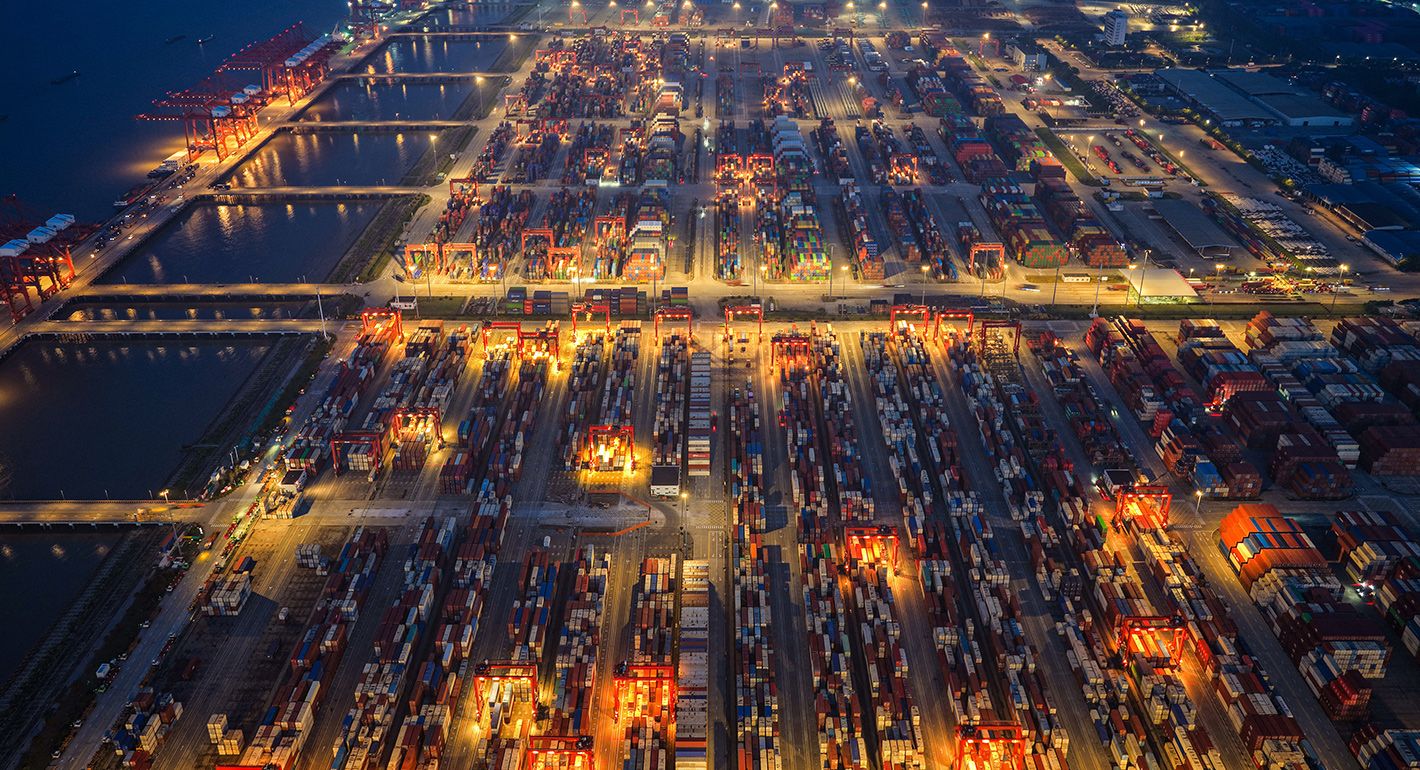
GDP growth means something fundamentally different in China than in most countries.

Michael Pettis
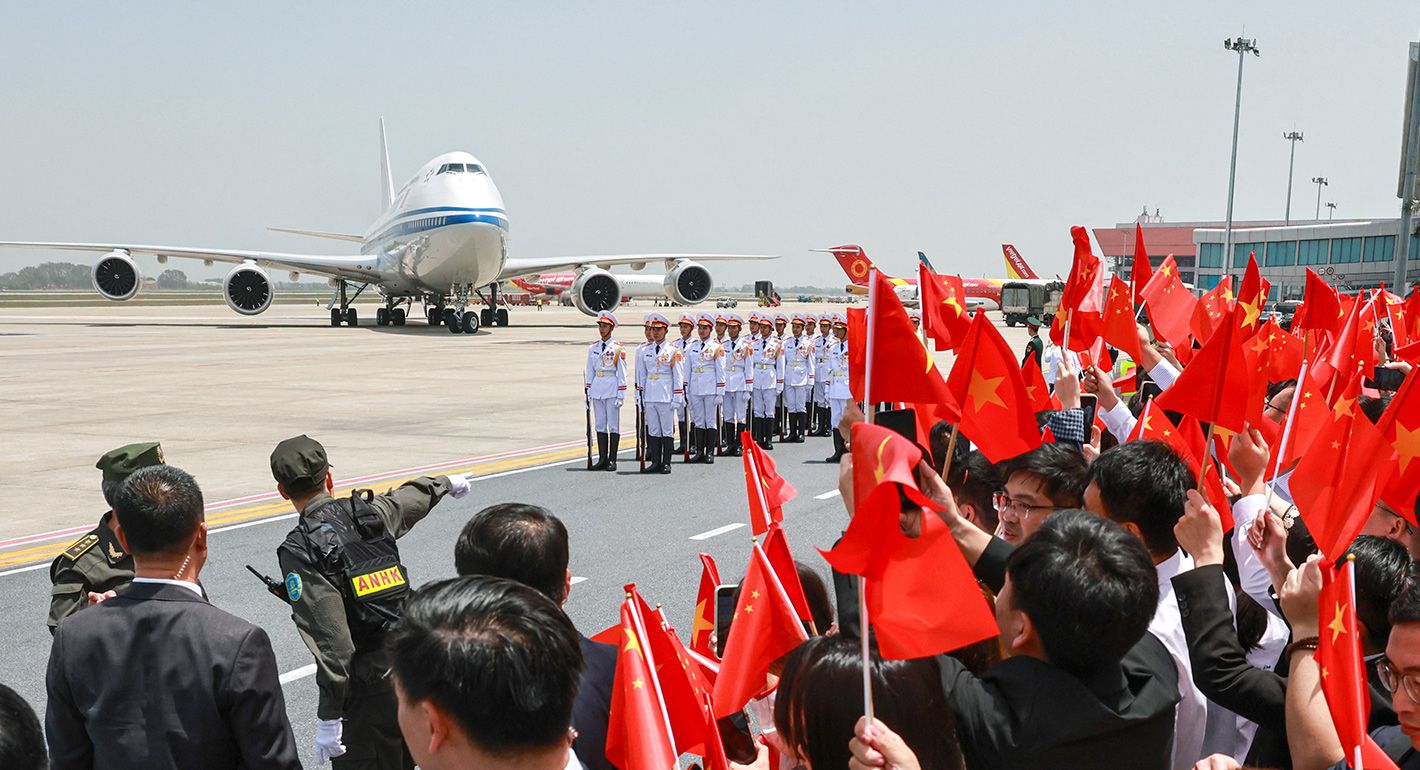
The Trump administration’s effort to reshape the global trading system and reset overseas security commitments is creating an historic inflection point. Less clear is how far China will be able to capitalize on these dynamics.

Li Mingjiang, Le Hong Hiep, Ngeow Chow Bing, …
Most Southeast Asian states behave as if the actions of their Northeast Asian neighbors and the Philippines will be sufficient to maintain a regional status quo from which they can benefit.

Chong Ja Ian
Patriotic and nationalist sentiments have been co-opted by self-media and social media platforms to generate profit. This has given rise to a traffic-driven business of cyber nationalism that relies on extreme xenophobic rhetoric.

Wang Qiyue, Li Mingjiang