

Paper
James M. Acton, Ankit Panda
{
  "authors": [
    "James M. Acton"
  ],
  "type": "legacyinthemedia",
  "centerAffiliationAll": "dc",
  "centers": [
    "Carnegie Endowment for International Peace"
  ],
  "collections": [],
  "englishNewsletterAll": "ctw",
  "nonEnglishNewsletterAll": "",
  "primaryCenter": "Carnegie Endowment for International Peace",
  "programAffiliation": "NPP",
  "programs": [
    "Nuclear Policy"
  ],
  "projects": [],
  "regions": [
    "East Asia",
    "Japan"
  ],
  "topics": [
    "Nuclear Policy",
    "Nuclear Energy"
  ]
}
Source: Getty
While it is becoming increasingly difficult for the Japanese to contain the smaller amounts of radiation escaping from the nuclear energy plants damaged by the earthquake and tsunami, a catastrophic release of radiation remains extremely unlikely.
Source: CBS
Speaking on CBS’ The Early Show, Carnegie's James Acton addressed the situation in Japanese nuclear reactors damaged by the recent earthquake and tsunami. He acknowledged that the past 24 hours have been particularly bad. Ways for radiation to leak out into the environment have increased following the explosion within the containment building surrounding unit 2 of the plant. Similarly, the fact that spent fuel rods have caught fire also increases the opportunity for radiation to leak.
Acton stated that a catastrophic release of radiation, similar to the tragedy at Chernobyl, is extremely unlikely. However, it is becoming increasingly difficult to contain the smaller releases of radiation that are occurring, which are still quite serious.
Ultimately, Acton said, there are no good solutions to the situation currently facing the Japanese government. They are facing extraordinary challenges trying to respond to the earthquake, the tsunami, and the problems in nuclear energy plants.

Jessica T. Mathews Chair, Co-director, Nuclear Policy Program
Acton holds the Jessica T. Mathews Chair and is co-director of the Nuclear Policy Program at the Carnegie Endowment for International Peace.
Recent Work

James M. Acton, Ankit Panda
James M. Acton
Carnegie does not take institutional positions on public policy issues; the views represented herein are those of the author(s) and do not necessarily reflect the views of Carnegie, its staff, or its trustees.

Chinese biotech companies have been on the receiving end of U.S. economic coercion. Yet their responses have differed significantly because firm and state interests are not uniformly aligned. For Washington, treating all Chinese tech firms the same, irrespective of their actual interests, risks pushing them farther into Beijing’s corner.

Xue Gong

Across Asia, China is better positioned to withstand energy shocks from the fallout of the Iran war. Its abundant coal capacity can ensure stability in the near term. Yet at the same time, the country’s energy transition away from coal will make it even less vulnerable during the next shock.

Damien Ma

GDP growth means something fundamentally different in China than in most countries.

Michael Pettis
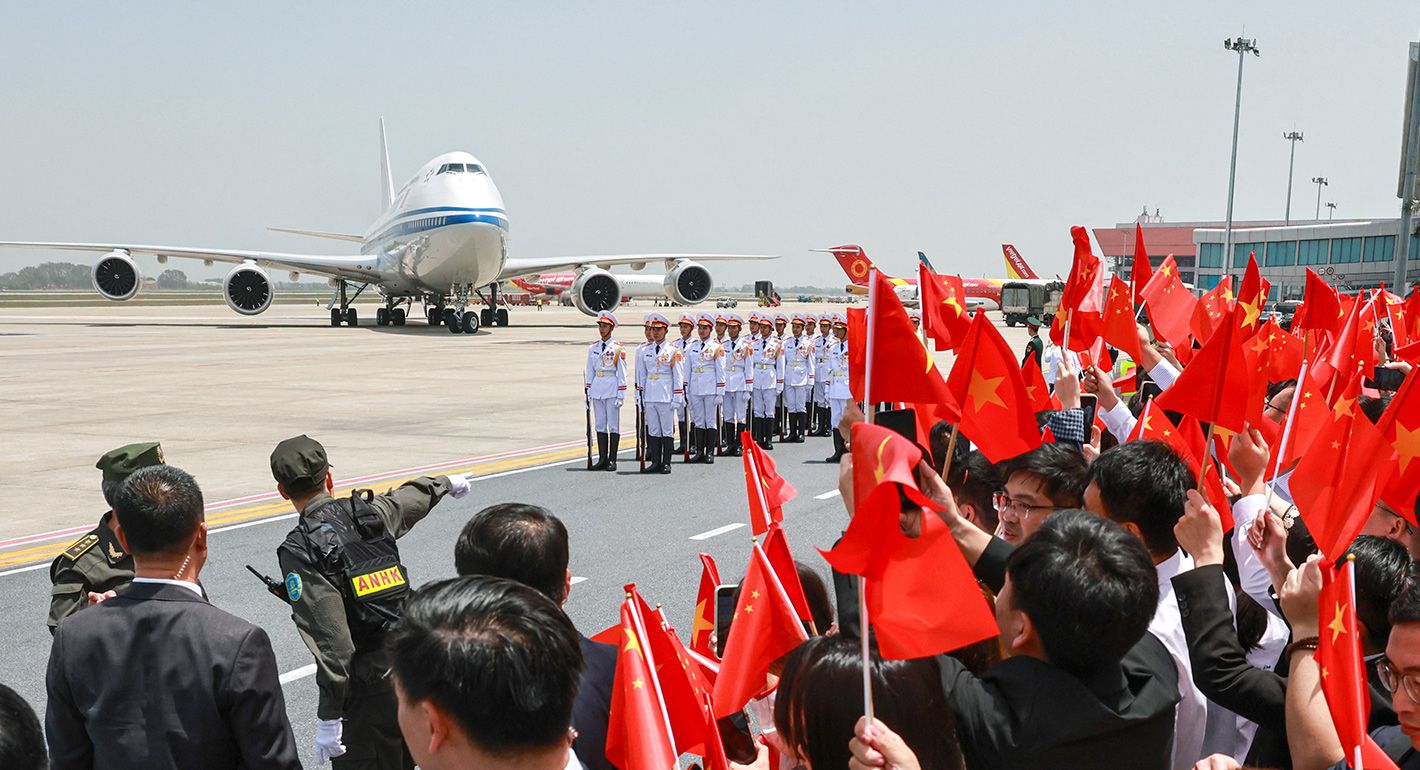
The Trump administration’s effort to reshape the global trading system and reset overseas security commitments is creating an historic inflection point. Less clear is how far China will be able to capitalize on these dynamics.


Li Mingjiang, Le Hong Hiep, Ngeow Chow Bing, …

Most Southeast Asian states behave as if the actions of their Northeast Asian neighbors and the Philippines will be sufficient to maintain a regional status quo from which they can benefit.

Chong Ja Ian