• Research
  • Experts
  • Events
Carnegie China logoCarnegie lettermark logo
{
  "authors": [
    "Michele Dunne"
  ],
  "type": "legacyinthemedia",
  "centerAffiliationAll": "dc",
  "centers": [
    "Carnegie Endowment for International Peace",
    "Malcolm H. Kerr Carnegie Middle East Center"
  ],
  "collections": [
    "Arab Awakening"
  ],
  "englishNewsletterAll": "menaTransitions",
  "nonEnglishNewsletterAll": "",
  "primaryCenter": "Carnegie Endowment for International Peace",
  "programAffiliation": "MEP",
  "programs": [
    "Middle East"
  ],
  "projects": [],
  "regions": [
    "North Africa",
    "Egypt",
    "Tunisia",
    "Maghreb"
  ],
  "topics": [
    "Political Reform"
  ]
}
Source: Getty

In The Media

The Rise of Islamist Parties in Tunisia and Egypt

Islamist parties in Egypt and Tunisia are emerging as powerful political players in each country’s transition. Upcoming elections in both countries and the performance of Islamist parties once they are in office will determine their future role in formal politics.

Link Copied
By Michele Dunne
Published on May 31, 2011

Source: NPR's All Things Considered

SIEGEL: When protests first erupted in Tunisia and Egypt a few months ago, two conflicting narratives about conflicting about political Islam took shape. First narrative - all that talk about the threat from Islamists who would cover women and persecute minorities was just a lot of scaremongering by dictators. In the streets, secular and religious Arabs were making common cause for democracy.

Second narrative - ignore the "Kumbayah" rhetoric, the only groups that are well enough organized to come to power will be the Islamist and they will temper their message only as a means to the end of coming to power. Which narrative is closer to what's happening? We're going to ask Michele Dunne of the Carnegie Endowment for International Peace, where she edits the online publication the Arab Reform Bulletin. Welcome back.
 
Ms. MICHELE DUNNE (Carnegie Endowment for International Peace): Thank you.
 
SIEGEL: First, in Egypt, the biggest Islamist political group is the Muslim Brotherhood. How would you describe their agenda in the post-Mubarak era?
 
Ms. DUNNE: The Muslim Brotherhood has quite a sophisticated agenda and strategy to become, I think, the largest political force in Egypt, but not actually to take power. They're running for fewer than half of the seats in the Egyptian parliament and I think they would like to capture about a third of them and they are not running for the presidency this time around.
 
SIEGEL: And how Islamist is their message?
 
Ms. DUNNE: They're putting out two messages at the same time. To the Egyptian public they are saying, we are a civil party. We are for rights. We are for citizenship. Not a very Islamist message. But at the same time, to their base they are saying that now is the time. We can now put Islam back into politics.
 
SIEGEL: In Tunisia, the big Islamist party is Ennahda or Renaissance. How Islamist, how militant do they sound to you?
 
Ms. DUNNE: Ennahda was in exile. Unlike the Muslim Brotherhood that has been in Egypt all along and able to operate reasonably well over the past 20 years ago, Ennahda was in exile. And I think some people are a bit taken aback by how much popularity it has gathered in just a couple of months.
 
They are doing something similar to the Muslim Brotherhood in Egypt in the sense that they are trying to be in touch with the non-Islamist opposition and show a more liberal face to the Tunisian public. But they also, like the Muslim Brotherhood in Egypt, favor a quick move to elections. In fact, just recently they pulled out of a coordinating body with other opposition groups because they want to hold Tunisia's first election in July. Other opposition groups want to postpone it, think Tunisia isn't ready. But in both Tunisia and Egypt, the Islamists feel that the sooner elections are held, the better for them.
 
SIEGEL: Is that a measure of the fact that they're organized?
 
Ms. DUNNE: It's typical that Islamist political movements tend to be well organized and more able to mobilize their constituents than other political forces in the Middle East.
 
SIEGEL: Can you imagine, say, a year from now, a Middle East in which there are, in certainly the largest, most populous Arab country Egypt and in Tunisia and perhaps elsewhere, a much more established role for Islamist political parties in some kind of new -ism that has real authority in the region?
 
Ms. DUNNE: I think we will definitely see Islamist parties playing a very big role in formal politics in Egypt and Tunisia. Now, it's important to remember they are not the only political forces out there. In Tunisia and in Egypt, there are very significant liberal and leftist Islamic forces. What we're going to see now is Islamists competing with them on a more level playing field. And I think we will see Islamists do very well, particularly in the first elections in these countries.
 
Then, I think, over the next few years, there will be a sorting out. The Islamists are going to be tested through this process. To what extent can they offer practical solutions to unemployment and other significant economic and social problems? In some other countries where they've been able to compete pretty freely, we see Islamists not do so well in second or third elections because they haven't delivered.
 
SIEGEL: Michele Dunne, senior associate for the Carnegie Endowment for International Peace. Thanks a lot.
 
Ms. DUNNE: You're welcome.
Michele Dunne
Former Nonresident Scholar, Middle East Program
Michele Dunne
Political ReformNorth AfricaEgyptTunisiaMaghreb

Carnegie does not take institutional positions on public policy issues; the views represented herein are those of the author(s) and do not necessarily reflect the views of Carnegie, its staff, or its trustees.
More Work from Carnegie China

  • Commentary
    China’s Rising Influence in the Middle East

    Transactional relationships are stable but can be shallow.

      • +1

      Paul Haenle, Maha Yahya, Benjamin Ho, …
  • Commentary
    What the Russian War in Ukraine Means for the Middle East

    It’s about managing oil prices, bread prices, and strategic partnerships.

      • +8

      Amr Hamzawy, Karim Sadjadpour, Aaron David Miller, …
  • Commentary
    A Message to the Carnegie Endowment Community

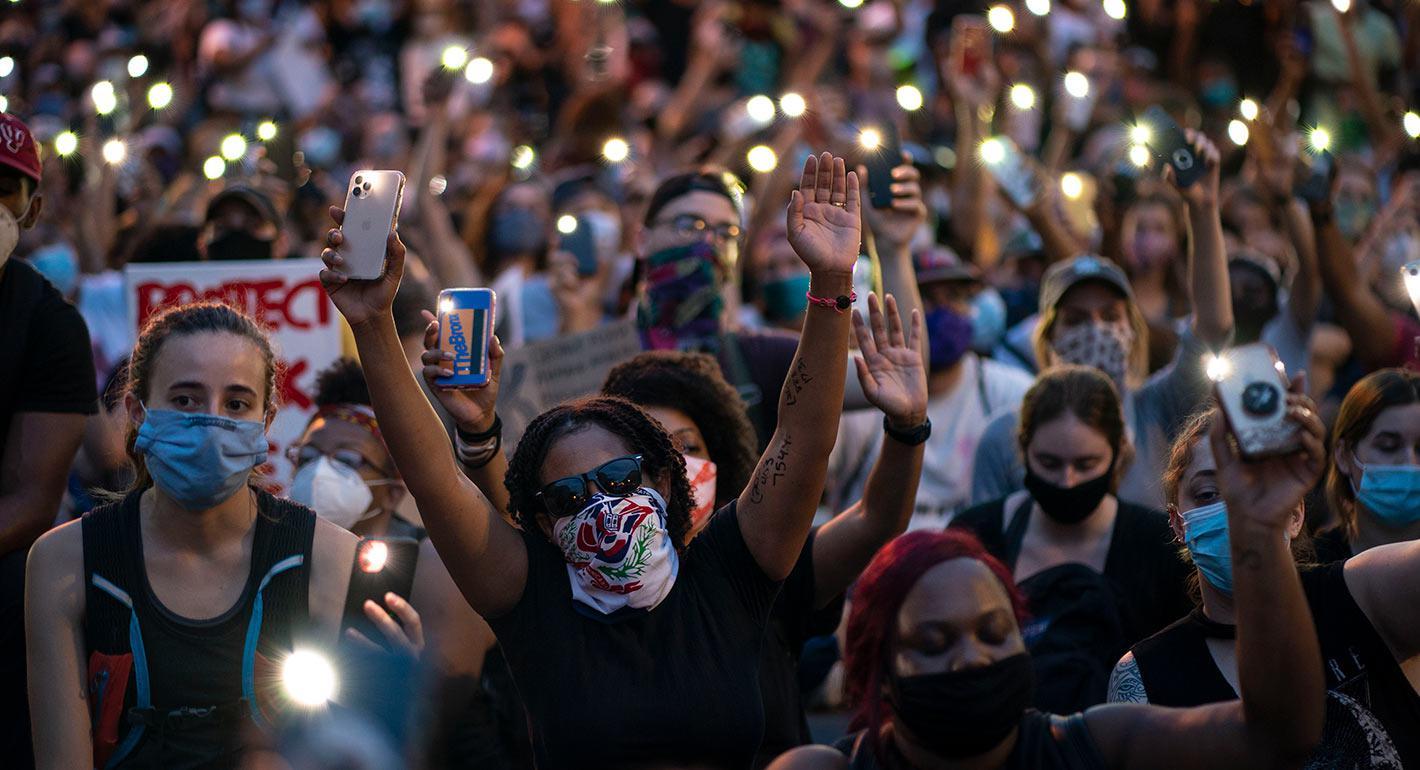
    The murder of George Floyd has underscored the deep inequities that have long plagued American society. In a note to the Carnegie community, Bill Burns reflects on Carnegie’s commitment to build a more just future here at home and around the world, without which peace will remain beyond our grasp.
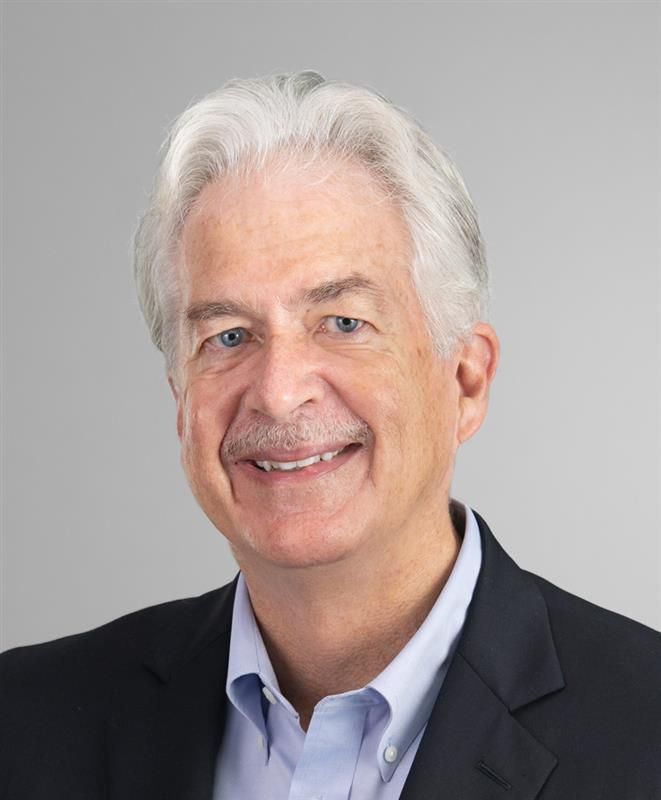
      William J. Burns
  • Commentary
    U.S., China Should Pursue Peace, Not Military Brinkmanship

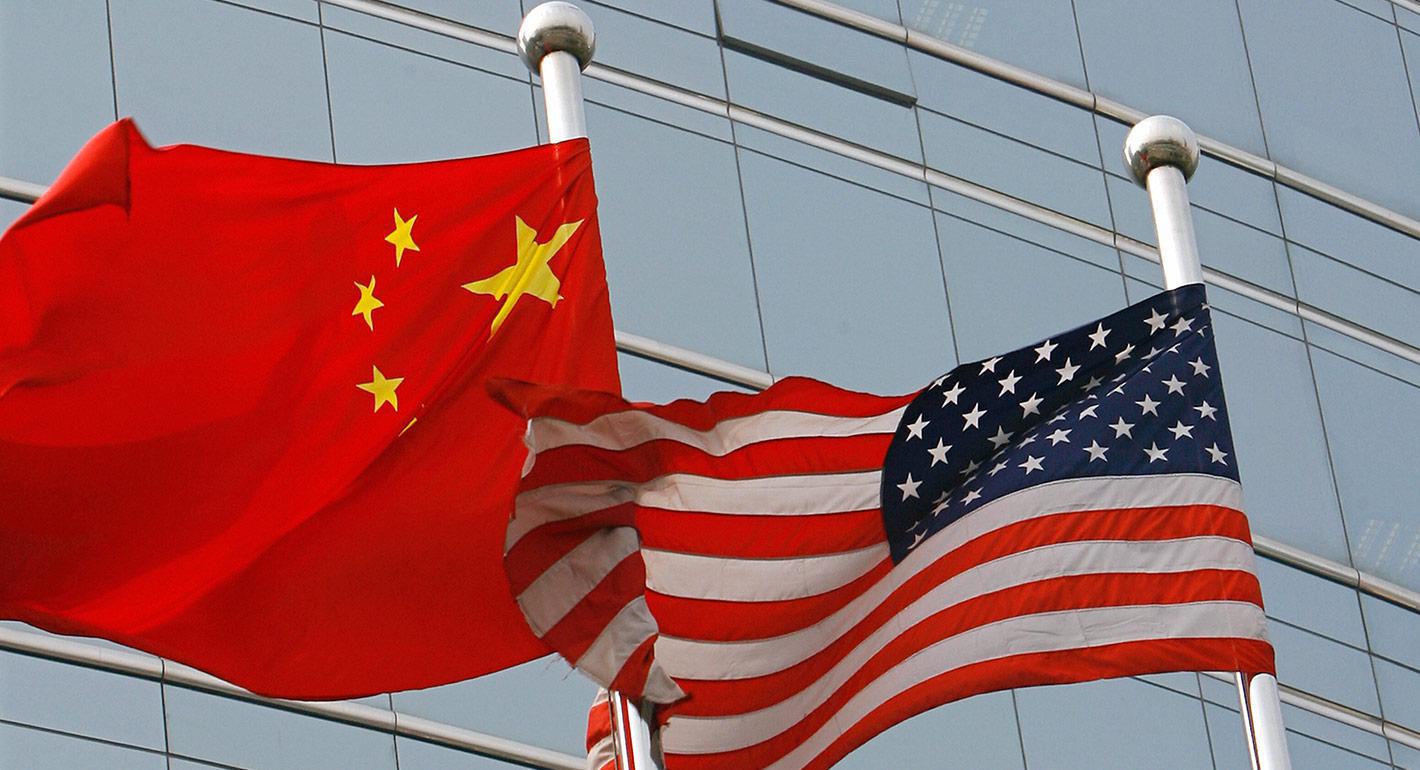
    While the world hoped this pandemic might lead to more cooperation between these two great powers, American and Chinese leaders instead fell into a blame game and allowed their increasing suspicions to guide their decision-making.

      Lyu Jinghua
  • Commentary
    Travails of an Interconnected World: From Pandemics to the Digital Economy

    Biological viruses and computer malware differ in important respects. They have considerable potential to spread widely, invading, disrupting and destroying their targets.
      Ariel (Eli) Levite, Lyu Jinghua

Get more news and analysis from
Carnegie China
Carnegie China logo, white
  • Research
  • About
  • Experts
  • Events
  • Contact
  • Careers
  • Privacy
  • For Media
Get more news and analysis from
Carnegie China
© 2026 Carnegie Endowment for International Peace. All rights reserved.