

Commentary
Alexey Malashenko
{
  "authors": [
    "Alexey Malashenko"
  ],
  "type": "legacyinthemedia",
  "centerAffiliationAll": "",
  "centers": [
    "Carnegie Endowment for International Peace",
    "Carnegie Russia Eurasia Center"
  ],
  "collections": [],
  "englishNewsletterAll": "",
  "nonEnglishNewsletterAll": "",
  "primaryCenter": "Carnegie Russia Eurasia Center",
  "programAffiliation": "",
  "programs": [],
  "projects": [
    "Eurasia in Transition"
  ],
  "regions": [],
  "topics": []
}
Source: Getty
The Arab Spring is likely to have little to no impact on the political situation in the countries of Central Asia and may even serve the governments there as a cautionary warning to their citizens against social upheaval and turmoil.
Source: CSIS

Malashenko drew parallels between the upheaval in Egypt and Tunisia and the potential for similar instability in Kazakhstan and Uzbekistan. These two Central Asian countries share certain characteristics—long-serving, authoritarian leaders and populations that have become weary of their rule—that brought down their North African counterparts. Yet he argued that the likelihood of an actual revolution in the post-Soviet space is small: while the Arab Spring was partially inspired by Europe, the Central Asian countries lack such a democratic background in their political culture. However, these countries might not be spared a “Central Asian Winter,” Malashenko added, although the reason for social upheaval would not be the example from the Middle East, but instead factors such as rising nationalism, corruption, and a host of other political and social issues.
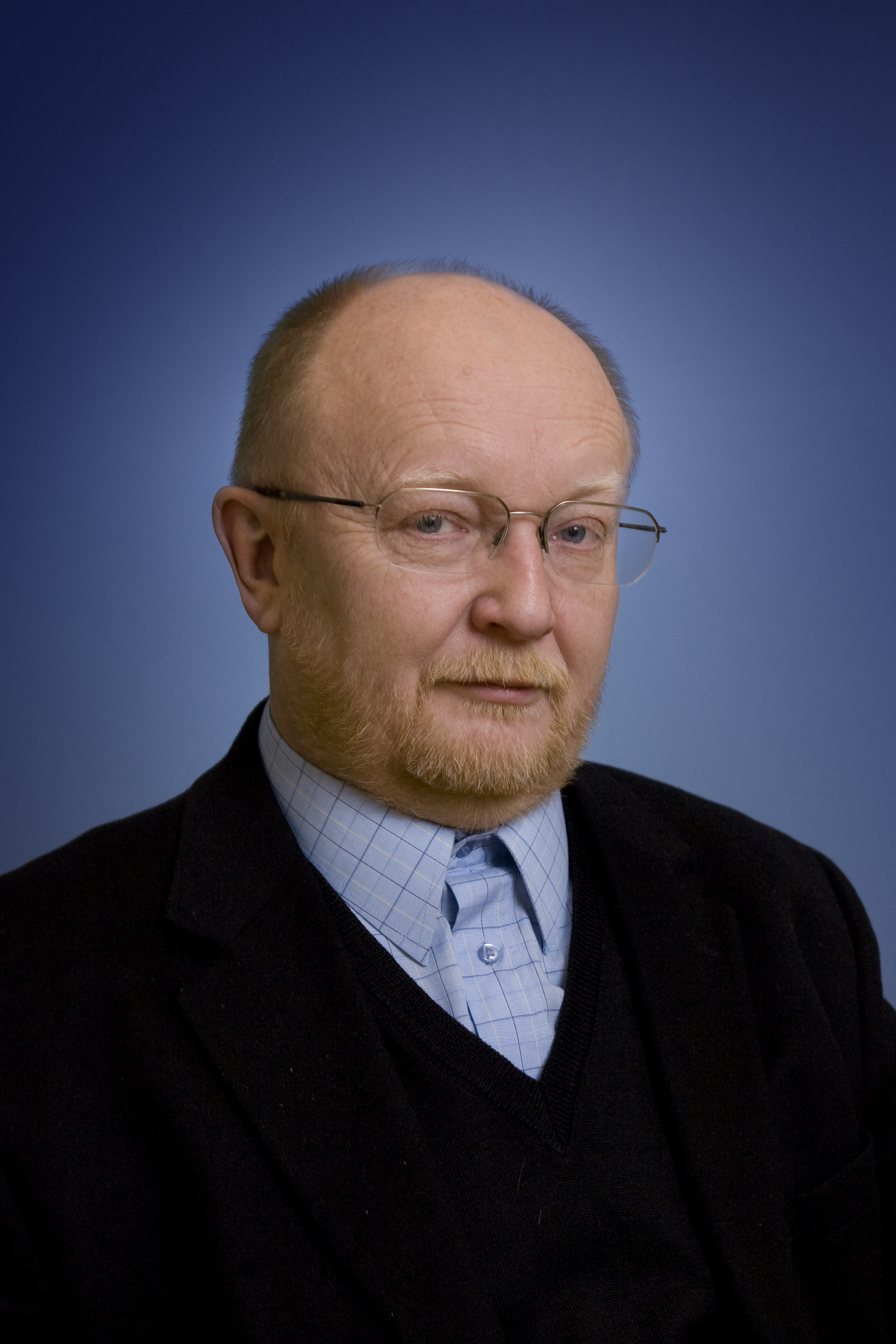
Former Scholar in Residence, Religion, Society, and Security Program
Malashenko is a former chair of the Carnegie Moscow Center’s Religion, Society, and Security Program.
Recent Work
Alexey Malashenko
Alexey Malashenko
Carnegie does not take institutional positions on public policy issues; the views represented herein are those of the author(s) and do not necessarily reflect the views of Carnegie, its staff, or its trustees.