• Research
  • Experts
  • Events
Carnegie China logoCarnegie lettermark logo
{
  "authors": [
    "Petr Topychkanov"
  ],
  "type": "legacyinthemedia",
  "centerAffiliationAll": "",
  "centers": [
    "Carnegie Endowment for International Peace",
    "Carnegie Russia Eurasia Center"
  ],
  "collections": [],
  "englishNewsletterAll": "",
  "nonEnglishNewsletterAll": "",
  "primaryCenter": "Carnegie Russia Eurasia Center",
  "programAffiliation": "",
  "programs": [],
  "projects": [
    "Eurasia in Transition"
  ],
  "regions": [],
  "topics": []
}

Source: Getty

In The Media
Carnegie Russia Eurasia Center

US-Pakistan: Reloaded

The United States needs regional assistance, particular from Pakistan, to resolve the problems and challenges facing Afghanistan.

Link Copied
By Petr Topychkanov
Published on Jul 11, 2011
Project hero Image

Project

Eurasia in Transition

Learn More

Source: Voice of Russia

First of all we can receive different signals from the United States and from Pakistan about their relations; we could hear that the United States is ready to stop financial assistance to Pakistan, first of all to military agencies of Pakistan, but at the same time the United States is not ready to stop deep cooperation with Pakistan on security issues.

It is impossible to believe that the United States can come to very risky policy toward Pakistan limiting cooperation, because as a result of this change the United States will lose control of the situation in this country, very important for the solution of the problem of Afghanistan and for the stability in the region.

We can see the game between the United States and Pakistan, and every side wants more benefits from this game and wants to use this game not only for developing relations with its partner, but also for benefits in the domestic policy. Now it is not a secret that the United States uses everything for drone attacks on the territory of Pakistan.

The United States cannot avoid development of relations, because it is impossible to solve the problem of Afghanistan without assistance from the Pakistani side.
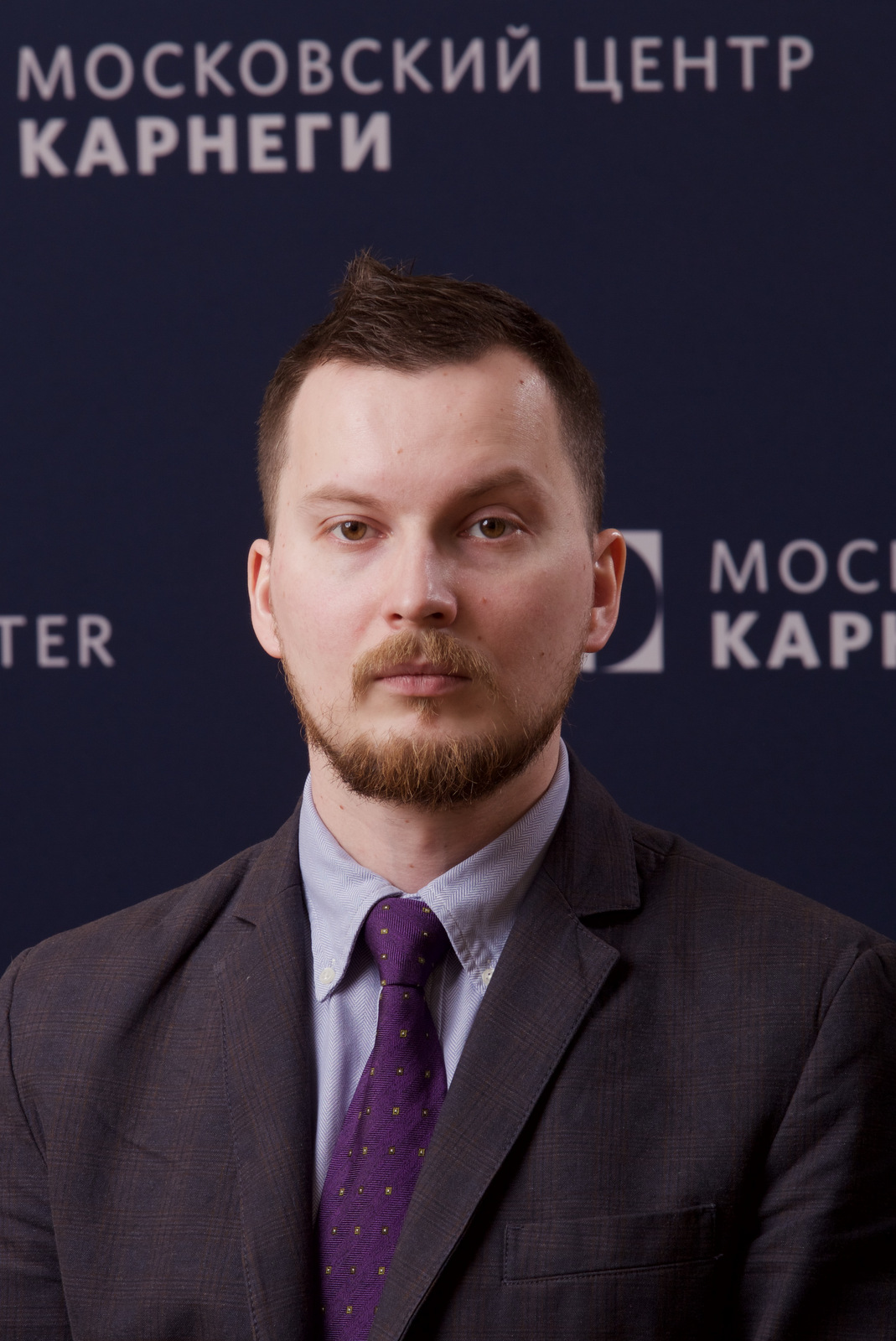
Petr Topychkanov
Former Fellow, Nonproliferation Program, Moscow Center
Petr Topychkanov

Carnegie does not take institutional positions on public policy issues; the views represented herein are those of the author(s) and do not necessarily reflect the views of Carnegie, its staff, or its trustees.

More Work from Carnegie China

  • Commentary
    Malaysia’s Year as ASEAN Chair: Managing Disorder

    Malaysia’s chairmanship sought to fend off short-term challenges while laying the groundwork for minimizing ASEAN’s longer-term exposure to external stresses.

      Elina Noor

  • Commentary
    When It Comes to Superpower Geopolitics, Malaysia Is Staunchly Nonpartisan

    For Malaysia, the conjunction that works is “and” not “or” when it comes to the United States and China.

      Elina Noor

  • Commentary
    ASEAN-China Digital Cooperation: Deeper but Clear-Eyed Engagement

    ASEAN needs to determine how to balance perpetuating the benefits of technology cooperation with China while mitigating the risks of getting caught in the crosshairs of U.S.-China gamesmanship.

      Elina Noor

  • Commentary
    Damien Ma Joins Carnegie China as Director

    Damien Ma is taking the helm as director of Carnegie China, the Carnegie Endowment’s East Asia-based research center.

  • Commentary
    Neither Comrade nor Ally: Decoding Vietnam’s First Army Drill with China

    In July 2025, Vietnam and China held their first joint army drill, a modest but symbolic move reflecting Hanoi’s strategic hedging amid U.S.–China rivalry.

      • Nguyen-khac-giang

      Nguyễn Khắc Giang

Get more news and analysis from
Carnegie China
Carnegie China logo, white
  • Research
  • About
  • Experts
  • Events
  • Contact
  • Careers
  • Privacy
  • For Media
Get more news and analysis from
Carnegie China
© 2026 Carnegie Endowment for International Peace. All rights reserved.