

Commentary
It’s about managing oil prices, bread prices, and strategic partnerships.
- +8
Amr Hamzawy, Karim Sadjadpour, Aaron David Miller, …
{
  "authors": [],
  "type": "other",
  "centerAffiliationAll": "",
  "centers": [
    "Carnegie Endowment for International Peace"
  ],
  "collections": [],
  "englishNewsletterAll": "",
  "nonEnglishNewsletterAll": "",
  "primaryCenter": "Carnegie Endowment for International Peace",
  "programAffiliation": "",
  "programs": [],
  "projects": [],
  "regions": [
    "North Africa",
    "Egypt"
  ],
  "topics": []
}
Source: Getty
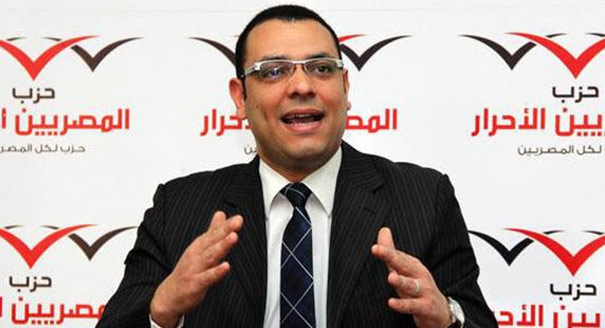
A backgrounder on the Free Egyptians Party.
This resource was published on 09/21/2011 and is not updated to reflect changing circumstances.
The Free Egyptians Party is fast emerging as a major player. With 100,000 registered members, it is probably second only to the Freedom and Justice Party in terms of its organization and potential. The Free Egyptians Party is the linchpin of the Egypt Bloc.
Naguib Sawiris: Founder
Ahmed Said: Member of party’s executive committee
Hani Sary al-Din: Member of party’s executive committee
Basel Adel: Member of party’s executive committee
Launched in April 2011 by Egyptian telecommunications mogul Naguib Sawiris, former chairman of Orascom Telecom Holding, the party can draw on large financial resources and management expertise. Sawiris, a Copt, has made it clear that the party is for all Egyptians, not just Copts, and the response suggests people believe him. The party is firmly pro-business and pro-trade, and focuses on economic development based upon a free economy, strong state institutions, and the rule of law. It accepts Islam as the state religion but advocates religious freedom in a civil state and stresses equality of all citizens regardless of creed. In terms of its platform, it is the most liberal of the Egypt Bloc members.
Carnegie does not take institutional positions on public policy issues; the views represented herein are those of the author(s) and do not necessarily reflect the views of Carnegie, its staff, or its trustees.
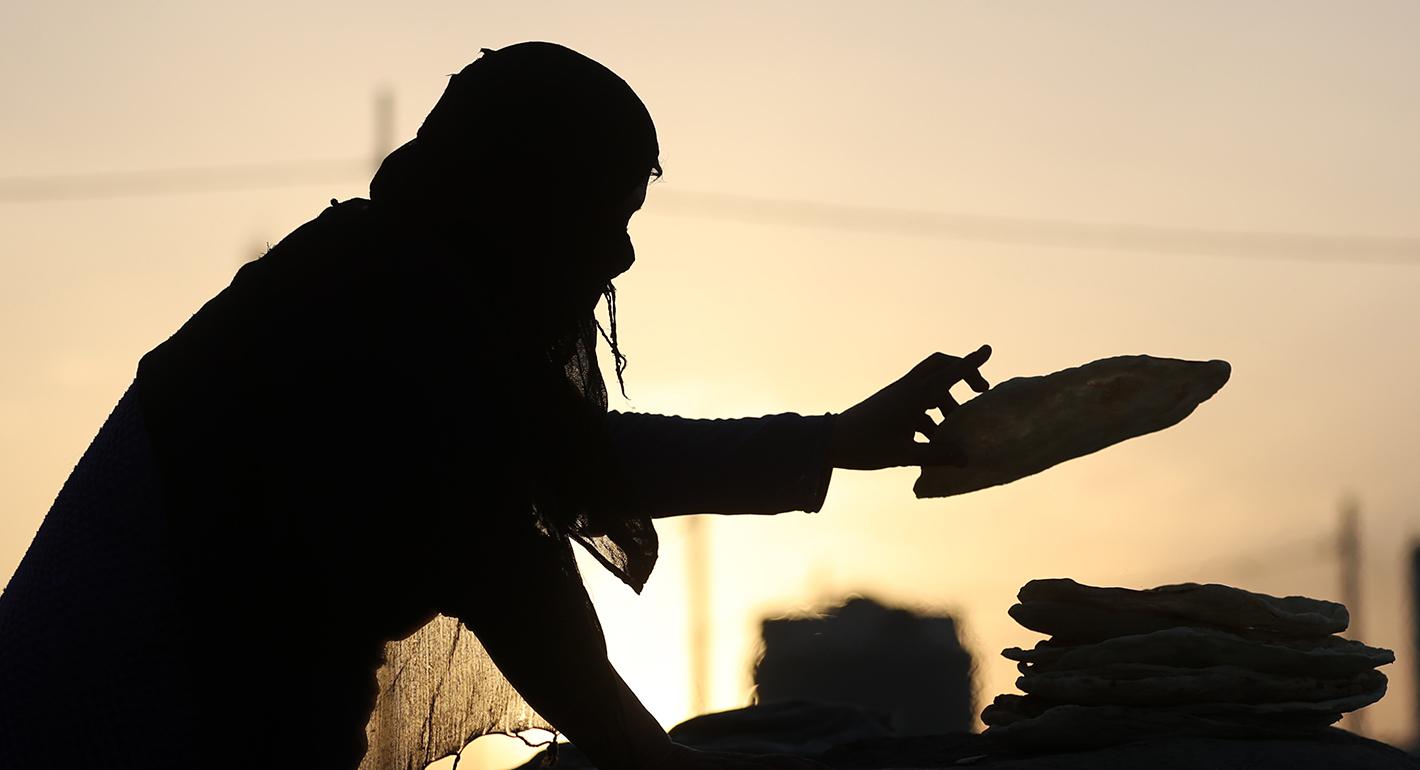
It’s about managing oil prices, bread prices, and strategic partnerships.



Amr Hamzawy, Karim Sadjadpour, Aaron David Miller, …
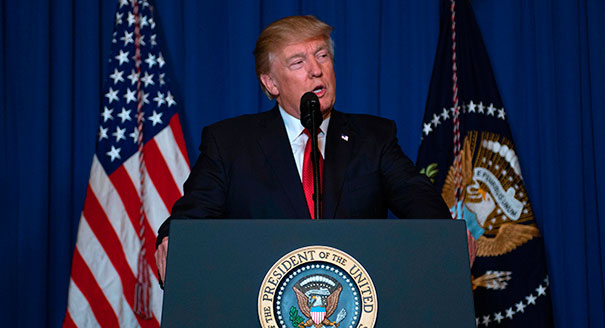
It remains to be seen whether recent foreign policy pivots by the Trump administration amount to a departure from its earlier views about America’s role in the world.
William J. Burns
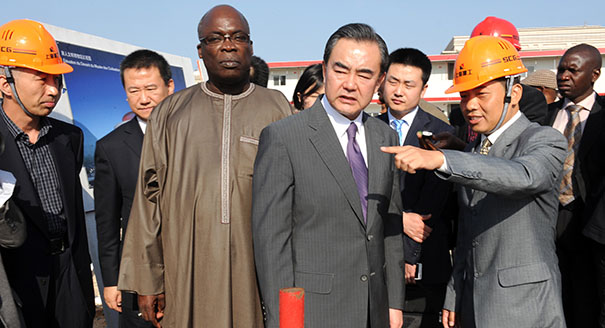
China’s relationship with Africa is becoming increasingly more complex as the country continues to invest and send workers across 54 countries on the continent.

Matt Ferchen
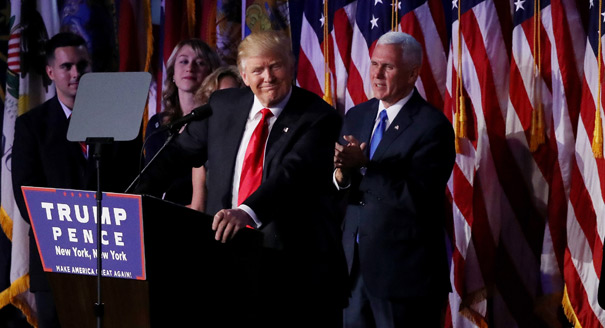
The world reacts to the election of Donald Trump and its potential implications.

Thomas Carothers, Lizza Bomassi, Amr Hamzawy, …
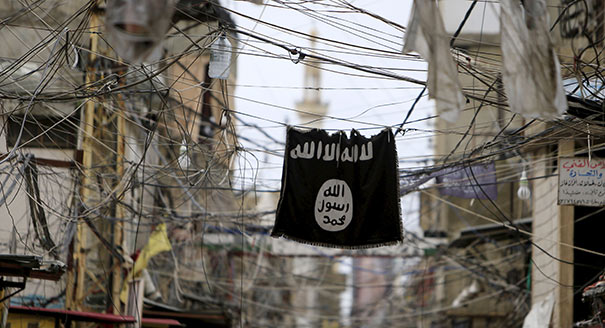
The Islamic State’s ideology is multifaceted and cannot be traced to one individual, movement, or period. Understanding it is crucial to defeating the group.
Hassan Hassan