

Commentary
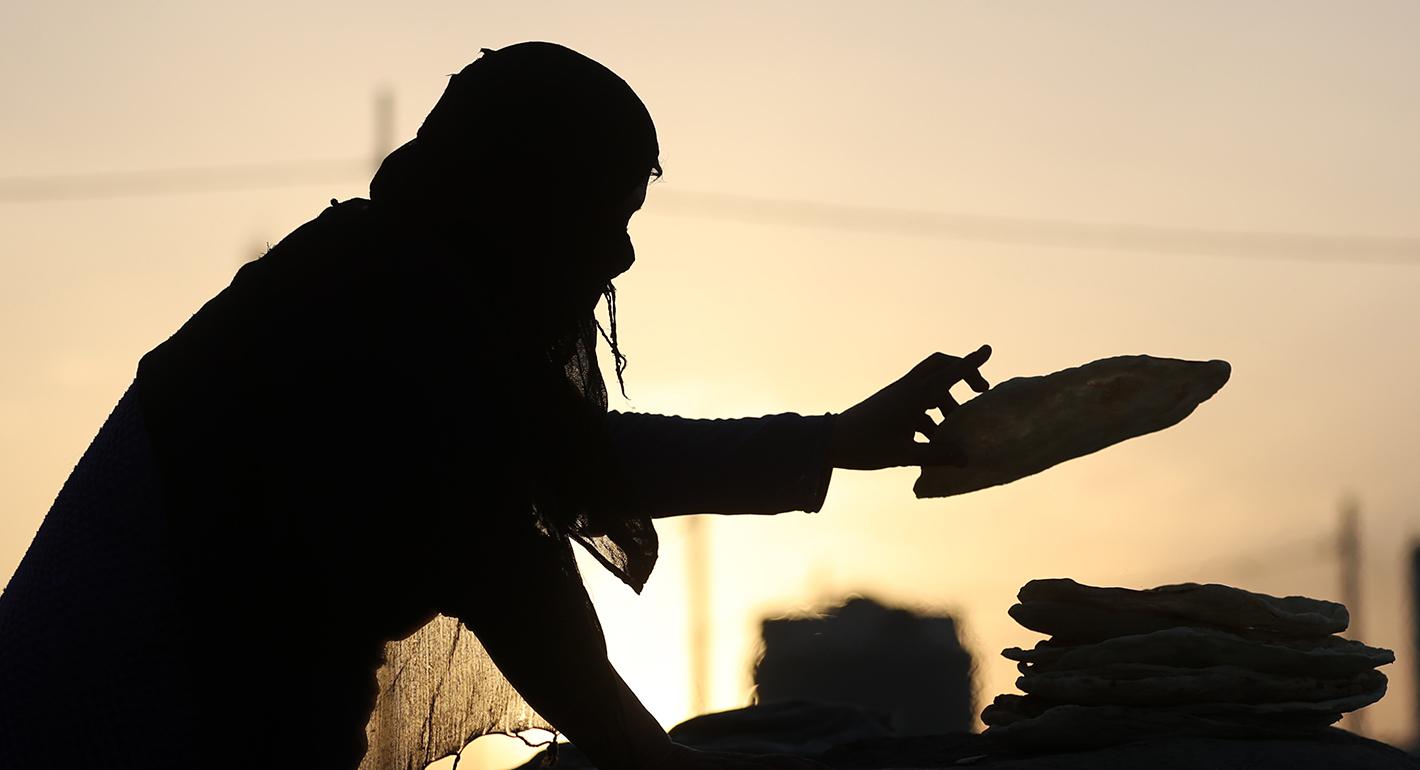
It’s about managing oil prices, bread prices, and strategic partnerships.
- +8
Amr Hamzawy, Karim Sadjadpour, Aaron David Miller, …
{
  "authors": [],
  "type": "other",
  "centerAffiliationAll": "",
  "centers": [
    "Carnegie Endowment for International Peace"
  ],
  "collections": [],
  "englishNewsletterAll": "",
  "nonEnglishNewsletterAll": "",
  "primaryCenter": "Carnegie Endowment for International Peace",
  "programAffiliation": "",
  "programs": [],
  "projects": [],
  "regions": [
    "North Africa",
    "Egypt"
  ],
  "topics": []
}
Source: Getty
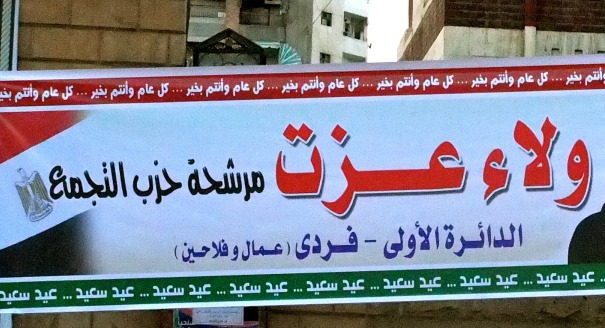
A backgrounder on the Tagammu Party.
This resource was published on 09/22/2011 and is not updated to reflect changing circumstances.
One of the oldest Egyptian parties still in existence, al-Tagammu is a leftist party in serious decline under an aging leadership, struggling to find its place in a changing environment. Before the 2011 uprising, it had become increasingly reconciled with the Mubarak regime. After the uprising, it first joined the Democratic Alliance but left to become a founding member of the Egypt Bloc.
Mohammed Rifat al-Saeed: Chairman
Sayyid ‘Abd al-‘Aal: Secretary General
Hussein Abdel-Razek: Head of the Political Bureau
Farida al-Naqash: Editor in chief of the party’s newspaper, al-Ahali
The al-Tagammu Party was established in 1976 by former Free Officer Khaled Moheiddin. A diverse coalition of former Nasserites, Marxists, and Arab nationalists, al-Tagammu advocated the establishment of a socialist society through the process of popular participation. The party has since moderated its position and lost the support it once had among intellectuals, labor union leaders, and workers.
In an attempt to reverse the party’s declining fortunes, in 1984 al-Tagammu tried to reach out to Islamist constituencies. After the fall of the Soviet Union and the decline of socialism worldwide, it took a more conciliatory attitude toward the old regime and was allowed to win five seats in the 2010 elections. After the uprising, the party is still struggling to find its niche.
Carnegie does not take institutional positions on public policy issues; the views represented herein are those of the author(s) and do not necessarily reflect the views of Carnegie, its staff, or its trustees.
It’s about managing oil prices, bread prices, and strategic partnerships.



Amr Hamzawy, Karim Sadjadpour, Aaron David Miller, …
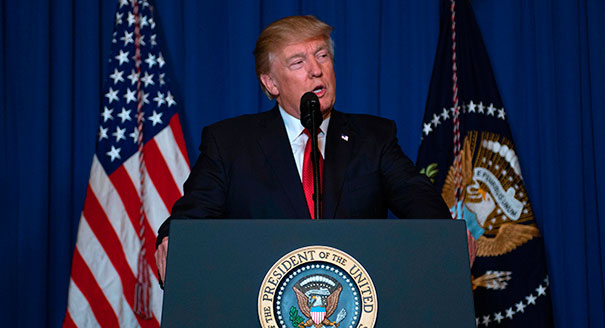
It remains to be seen whether recent foreign policy pivots by the Trump administration amount to a departure from its earlier views about America’s role in the world.
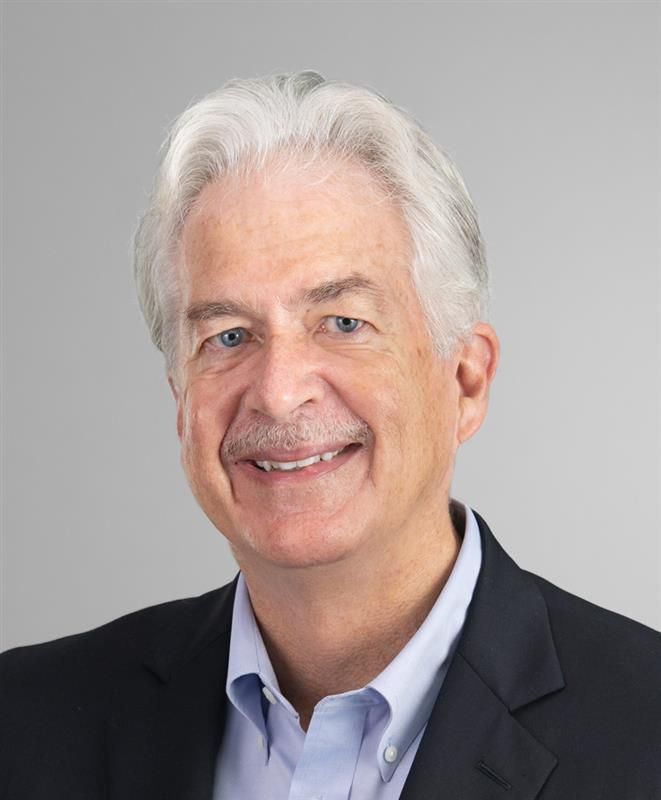
William J. Burns
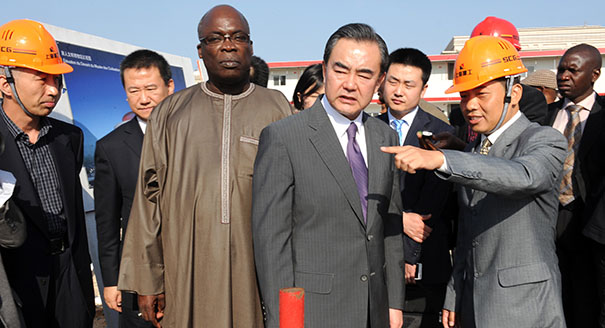
China’s relationship with Africa is becoming increasingly more complex as the country continues to invest and send workers across 54 countries on the continent.

Matt Ferchen
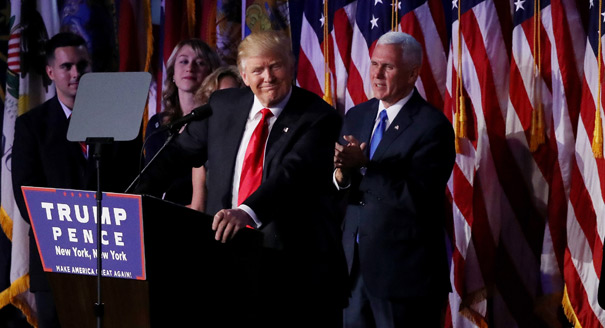
The world reacts to the election of Donald Trump and its potential implications.

Thomas Carothers, Lizza Bomassi, Amr Hamzawy, …
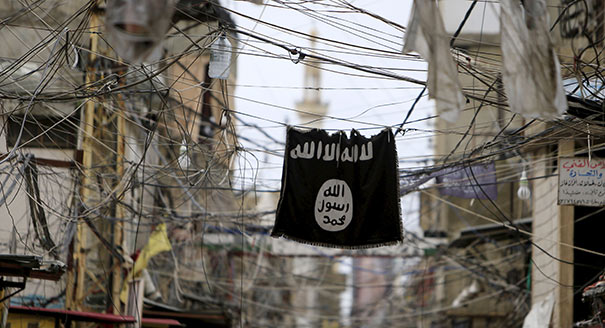
The Islamic State’s ideology is multifaceted and cannot be traced to one individual, movement, or period. Understanding it is crucial to defeating the group.
Hassan Hassan