

Commentary
It’s about managing oil prices, bread prices, and strategic partnerships.
- +8
Amr Hamzawy, Karim Sadjadpour, Aaron David Miller, …
{
  "authors": [],
  "type": "other",
  "centerAffiliationAll": "",
  "centers": [
    "Carnegie Endowment for International Peace"
  ],
  "collections": [],
  "englishNewsletterAll": "",
  "nonEnglishNewsletterAll": "",
  "primaryCenter": "Carnegie Endowment for International Peace",
  "programAffiliation": "",
  "programs": [],
  "projects": [],
  "regions": [
    "North Africa",
    "Egypt"
  ],
  "topics": []
}
Source: Getty
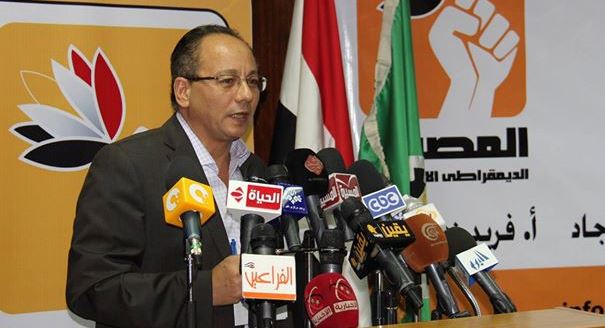
A backgrounder on the Egyptian Social Democratic Party
This resource was published on 11/04/2011 and is not updated to reflect changing circumstances.
The Egyptian Social Democratic Party is a liberal party with an emphasis on social-democratic principles in its platform, straddling the fine line between free enterprise and social justice. It was a founding member of the Egypt Bloc and the second largest party in the Bloc in representation on electoral lists. During the administration of former president Mohamed Morsi, the Egyptian Social Democratic Party played a leading role in the opposition. After Morsi’s ouster by the military on July 3, 2013, a member of the party’s leadership, Dr. Hazem el-Beblawi, became prime minister in the interim government.
Mohamed Abou El-Ghar: Founding member and member of the party’s Board of Trustees
Emad Gad: Founding member and member of the party’s administrative committee
Farid Zahran: Founding member and member of the party’s administrative committee
Ziyad al-Elaimy: Founding member and member of the party’s administrative committee
Hany Naguib: Executive Director of the party’s administrative committee
Hazem el-Beblawi: Member of the party’s Board of Trustees
The Egyptian Social Democratic Party was founded in March 2011 following the January 2011 uprising. After submitting the paperwork in June, the party was given official recognition on July 3, 2011.
Amr Hamzawy was a founding member of the Egyptian Social Democratic Party, but broke off from the party in April 2011 to form the Egypt Freedom Party after disagreements over a statement released by the Egyptian Social Democratic Party. The Egyptian Social Democratic Party was a member of the Egypt Bloc alliance. Disputes between the Bloc and Hamzawy’s Egypt Freedom Party over electoral lists led to the latter withdrawing from the Egypt Bloc.
Carnegie does not take institutional positions on public policy issues; the views represented herein are those of the author(s) and do not necessarily reflect the views of Carnegie, its staff, or its trustees.
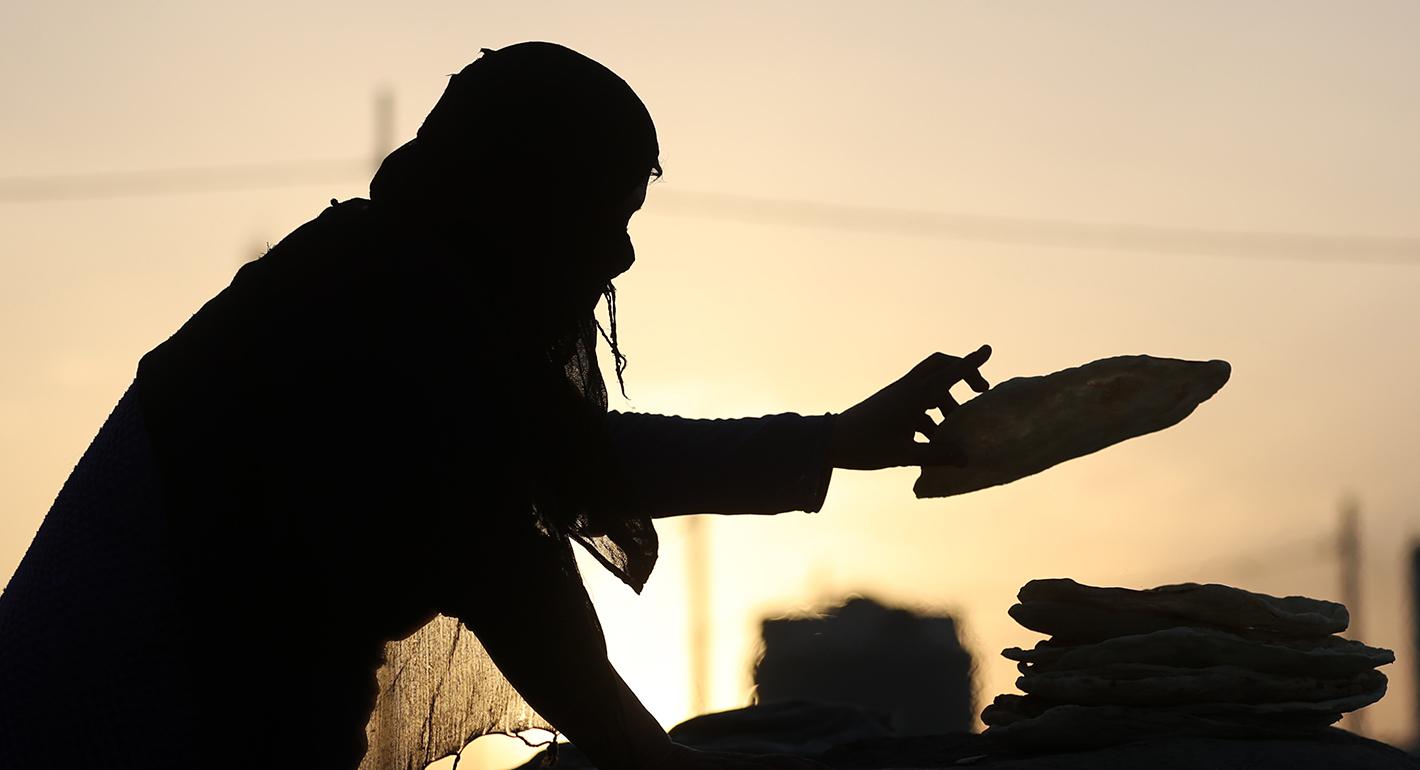
It’s about managing oil prices, bread prices, and strategic partnerships.



Amr Hamzawy, Karim Sadjadpour, Aaron David Miller, …
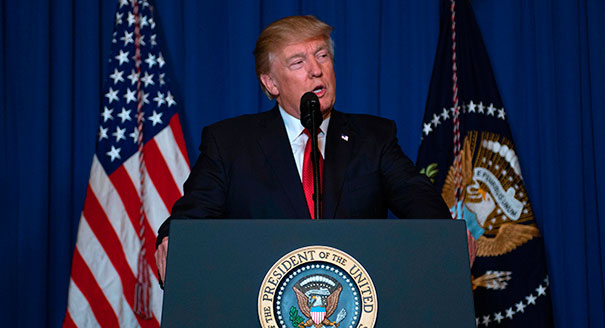
It remains to be seen whether recent foreign policy pivots by the Trump administration amount to a departure from its earlier views about America’s role in the world.
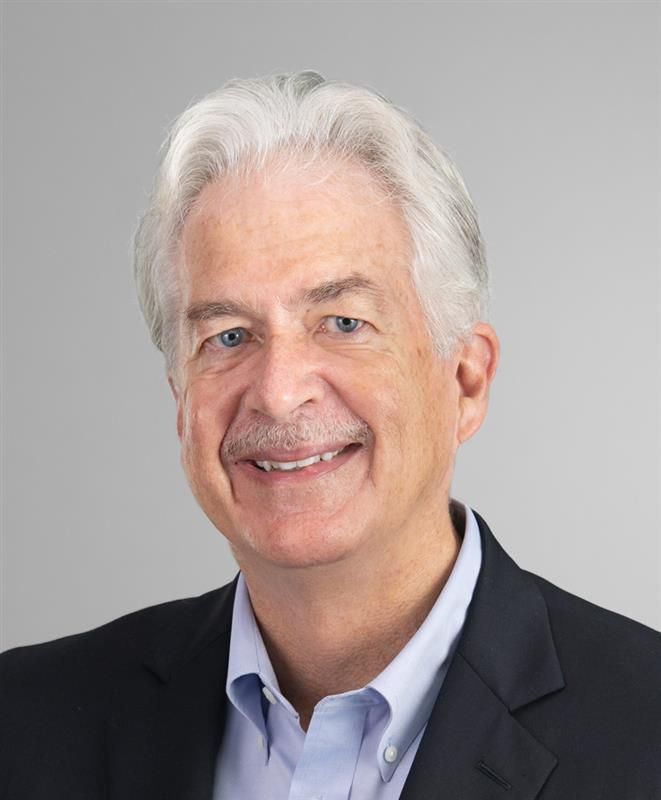
William J. Burns
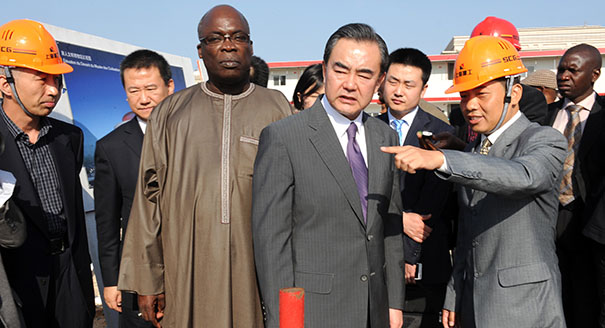
China’s relationship with Africa is becoming increasingly more complex as the country continues to invest and send workers across 54 countries on the continent.

Matt Ferchen
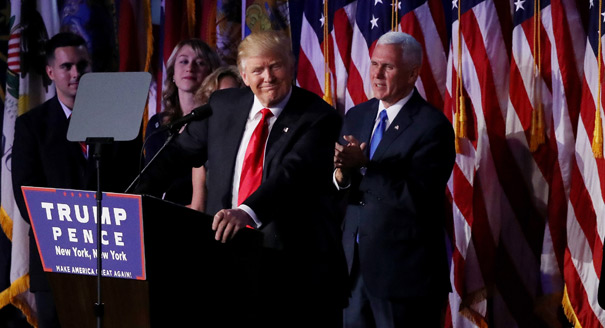
The world reacts to the election of Donald Trump and its potential implications.

Thomas Carothers, Lizza Bomassi, Amr Hamzawy, …
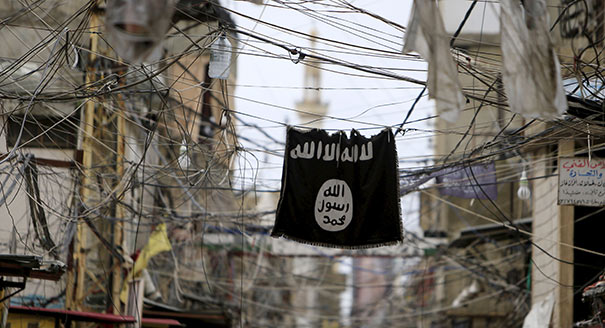
The Islamic State’s ideology is multifaceted and cannot be traced to one individual, movement, or period. Understanding it is crucial to defeating the group.
Hassan Hassan