

Report
- +3
James M. Acton, Alexey Arbatov, Vladimir Dvorkin, …
{
  "authors": [
    "Petr Topychkanov"
  ],
  "type": "legacyinthemedia",
  "centerAffiliationAll": "",
  "centers": [
    "Carnegie Endowment for International Peace",
    "Carnegie Russia Eurasia Center"
  ],
  "collections": [],
  "englishNewsletterAll": "",
  "nonEnglishNewsletterAll": "",
  "primaryCenter": "Carnegie Russia Eurasia Center",
  "programAffiliation": "",
  "programs": [],
  "projects": [
    "Eurasia in Transition"
  ],
  "regions": [],
  "topics": []
}
Source: Getty
The situation in Syria is unlikely to improve in the near future. It is increasingly likely that the violent domestic unrest can only be resolved through a regime change.
Source: Voice of Russia's Inside View

According to Topychkanov, the future of the Syrian opposition movement is “difficult to predict” but he warned that it is possible the situation will escalate into civil war. He argued that there are two factors hindering the current opposition—the lack of political leadership and the external influence of Iran.
The Arab League’s decision to suspend Syrian membership was a mistake, Topychkanov added, because it cut off a crucial platform for discussion and negotiation with the Assad regime. He also noted that for NATO, the Syria situation is a more challenging case than that of Libya because of the strong Syrian defenses and indirect participation of Iran in the region.
The worst of the crisis is not over, concluded Topychkanov, and the unrest inside the country will only be resolved with regime change and the end of violent internal conflicts.
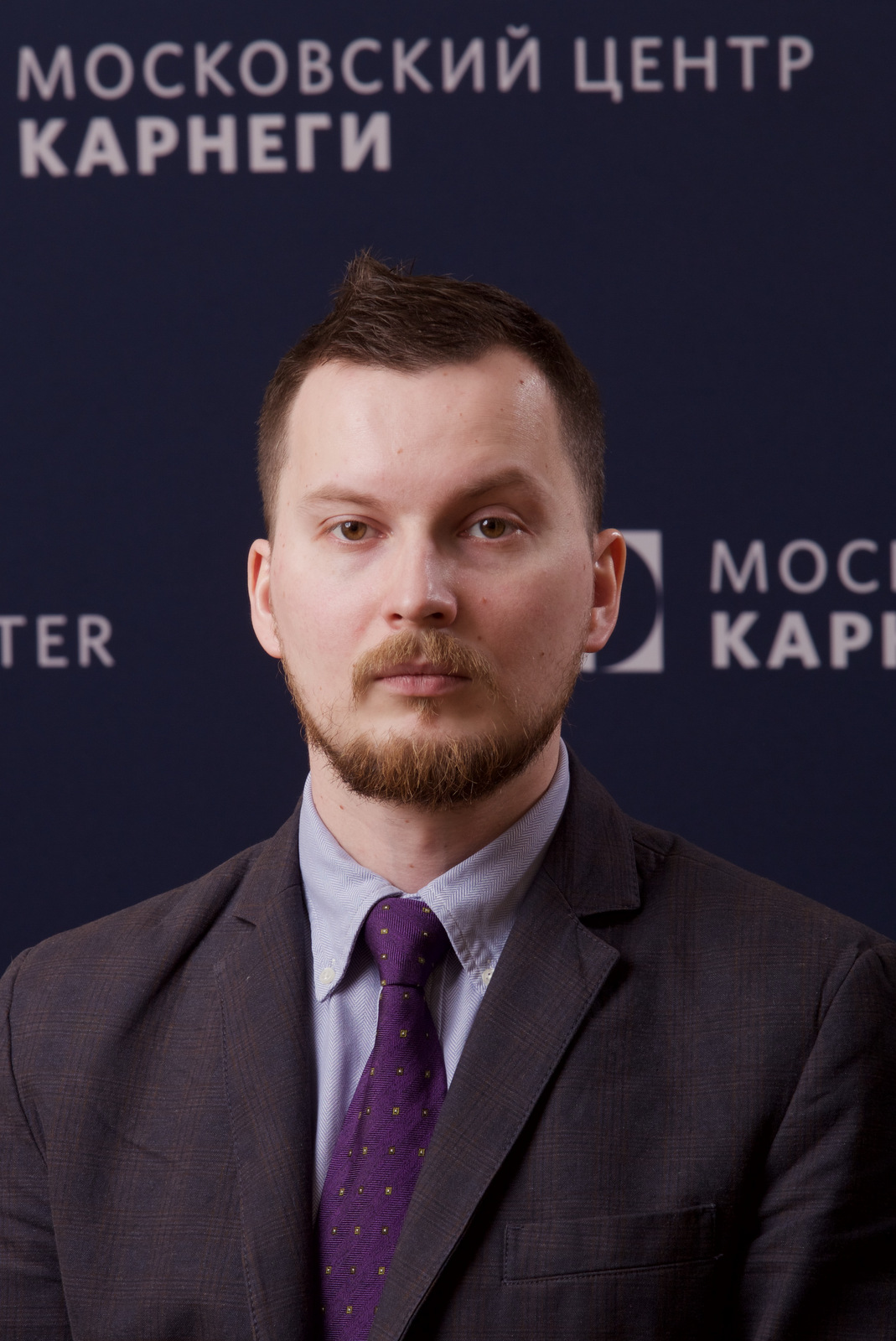
Former Fellow, Nonproliferation Program, Moscow Center
Topychkanov was a fellow in the Carnegie Moscow Center’s Nonproliferation Program.
Recent Work

James M. Acton, Alexey Arbatov, Vladimir Dvorkin, …
Petr Topychkanov
Carnegie does not take institutional positions on public policy issues; the views represented herein are those of the author(s) and do not necessarily reflect the views of Carnegie, its staff, or its trustees.