

Paper
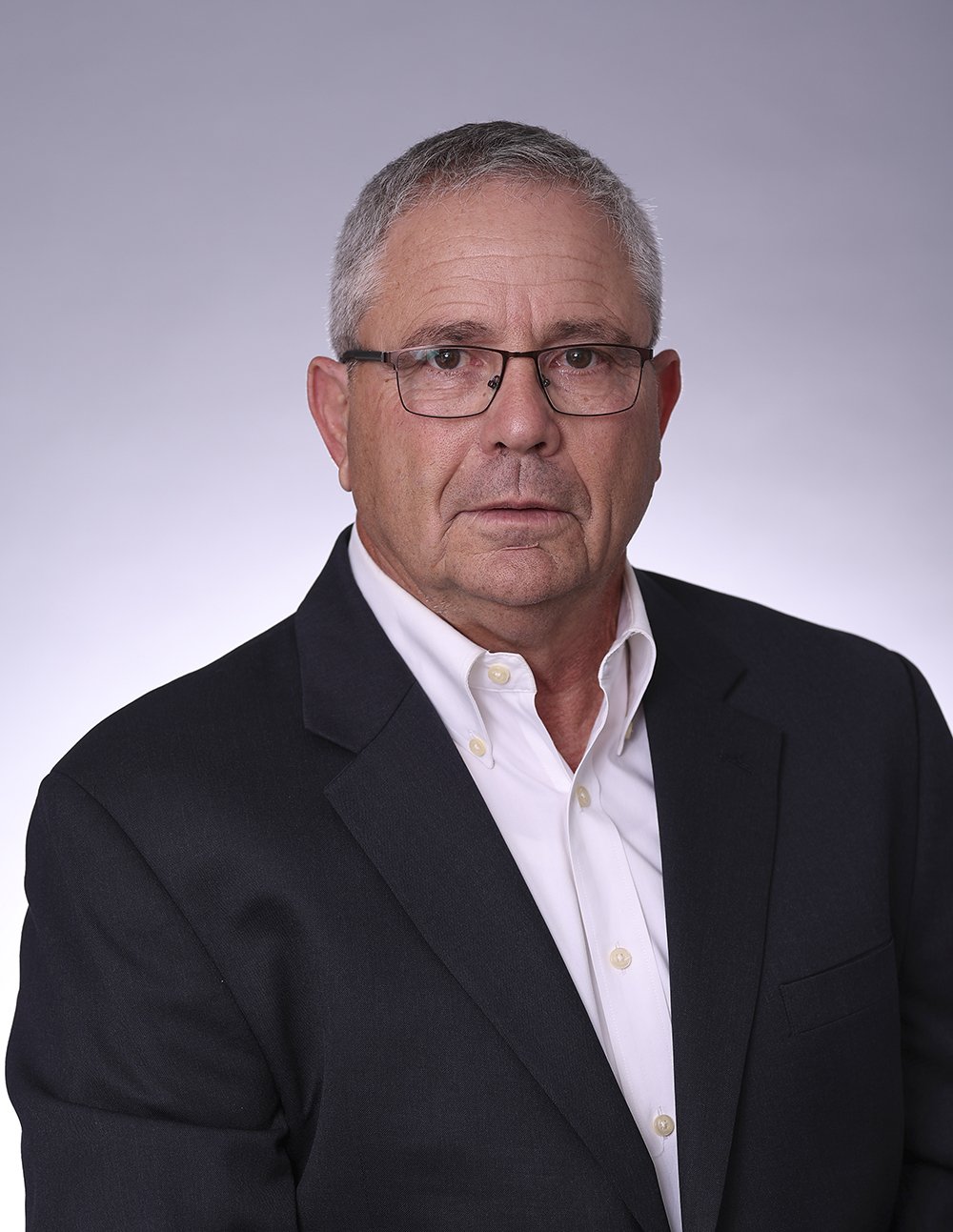
Paul Salem
{
  "authors": [
    "Paul Salem"
  ],
  "type": "legacyinthemedia",
  "centerAffiliationAll": "",
  "centers": [
    "Carnegie Endowment for International Peace",
    "Malcolm H. Kerr Carnegie Middle East Center"
  ],
  "collections": [],
  "englishNewsletterAll": "",
  "nonEnglishNewsletterAll": "",
  "primaryCenter": "Malcolm H. Kerr Carnegie Middle East Center",
  "programAffiliation": "",
  "programs": [],
  "projects": [],
  "regions": [
    "Gulf"
  ],
  "topics": [
    "Political Reform"
  ]
}
Source: Getty
Eight years after the fall of Saddam Hussein, Iraq is veering towards a "Lebanonization" of its political system, with power permanently distributed along strict ethnic and sectarian lines.
Source: USA Today. December 22
Speaking to AFP News Carnegie's Paul Salem explained that politics in Iraq today are mobilized according to religious and ethnic communities. With the upcoming U.S. withdrawal from Iraq, Salem reflected on U.S. efforts to build democracy in the country and the challenges that Iraq now faces. Washington "made very grave mistakes" and even worsened the country's situation, Salem contended. He explained that the United States is not familiar with deeply divided societies and power sharing systems, so it failed to establish a prosperous and safe democracy in Iraq. Despite this failure to build a stable state, he argued that the situation is not a total lost cause, because the Iraqi people have an opportunity to build from what they already have and move forward.
Senior Fellow at the Middle East Institute
Paul Salem is a senior fellow at the Middle East Institute.
Recent Work
Paul Salem
Paul Salem
Carnegie does not take institutional positions on public policy issues; the views represented herein are those of the author(s) and do not necessarily reflect the views of Carnegie, its staff, or its trustees.
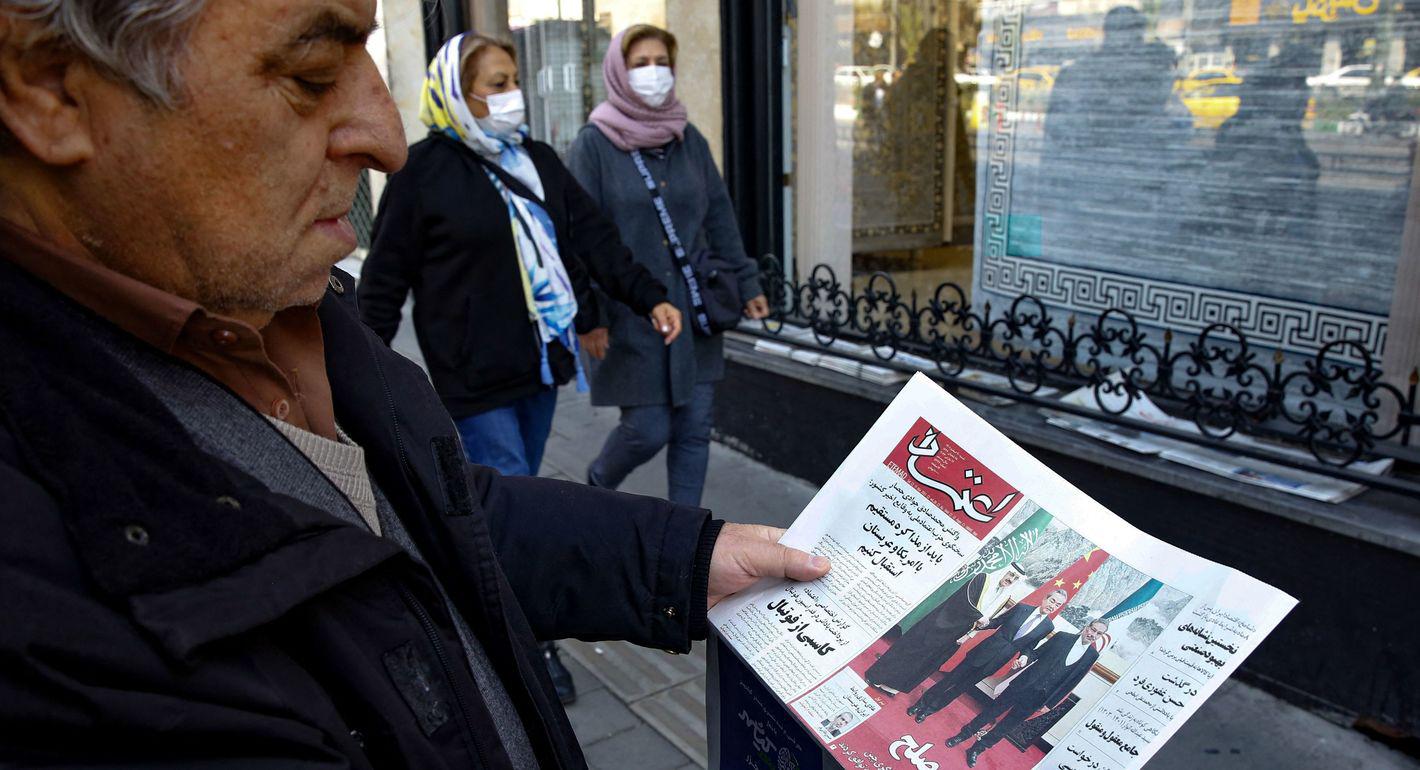
Transactional relationships are stable but can be shallow.



Paul Haenle, Maha Yahya, Benjamin Ho, …
It’s about managing oil prices, bread prices, and strategic partnerships.



Amr Hamzawy, Karim Sadjadpour, Aaron David Miller, …
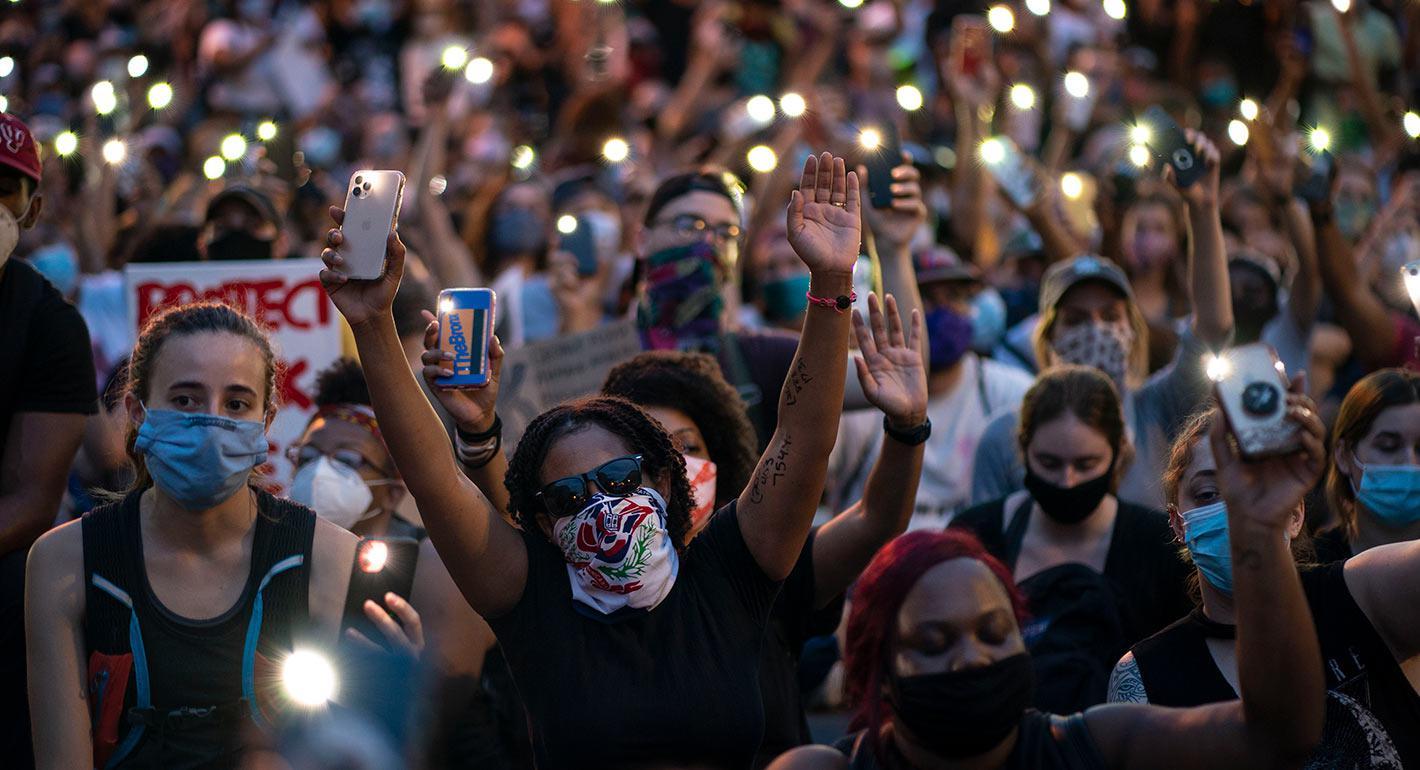
The murder of George Floyd has underscored the deep inequities that have long plagued American society. In a note to the Carnegie community, Bill Burns reflects on Carnegie’s commitment to build a more just future here at home and around the world, without which peace will remain beyond our grasp.
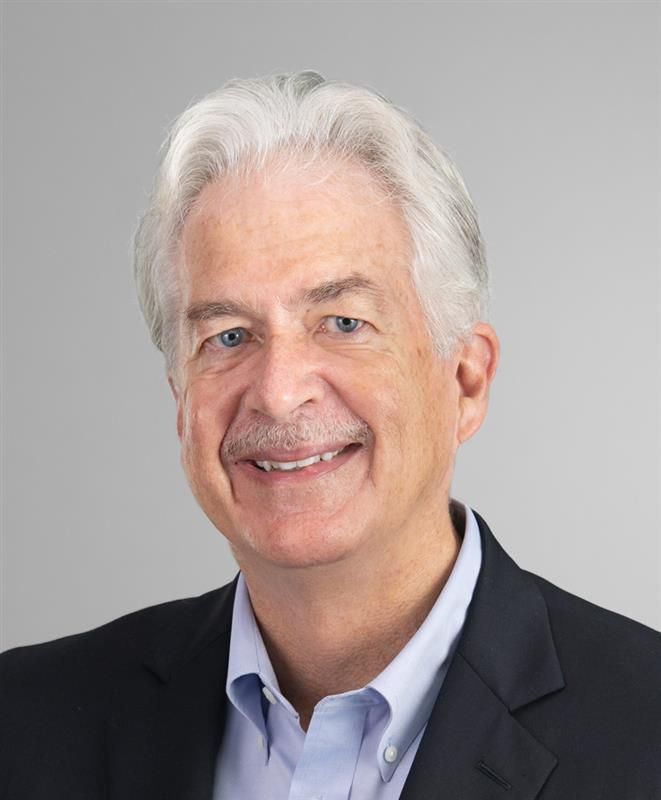
William J. Burns
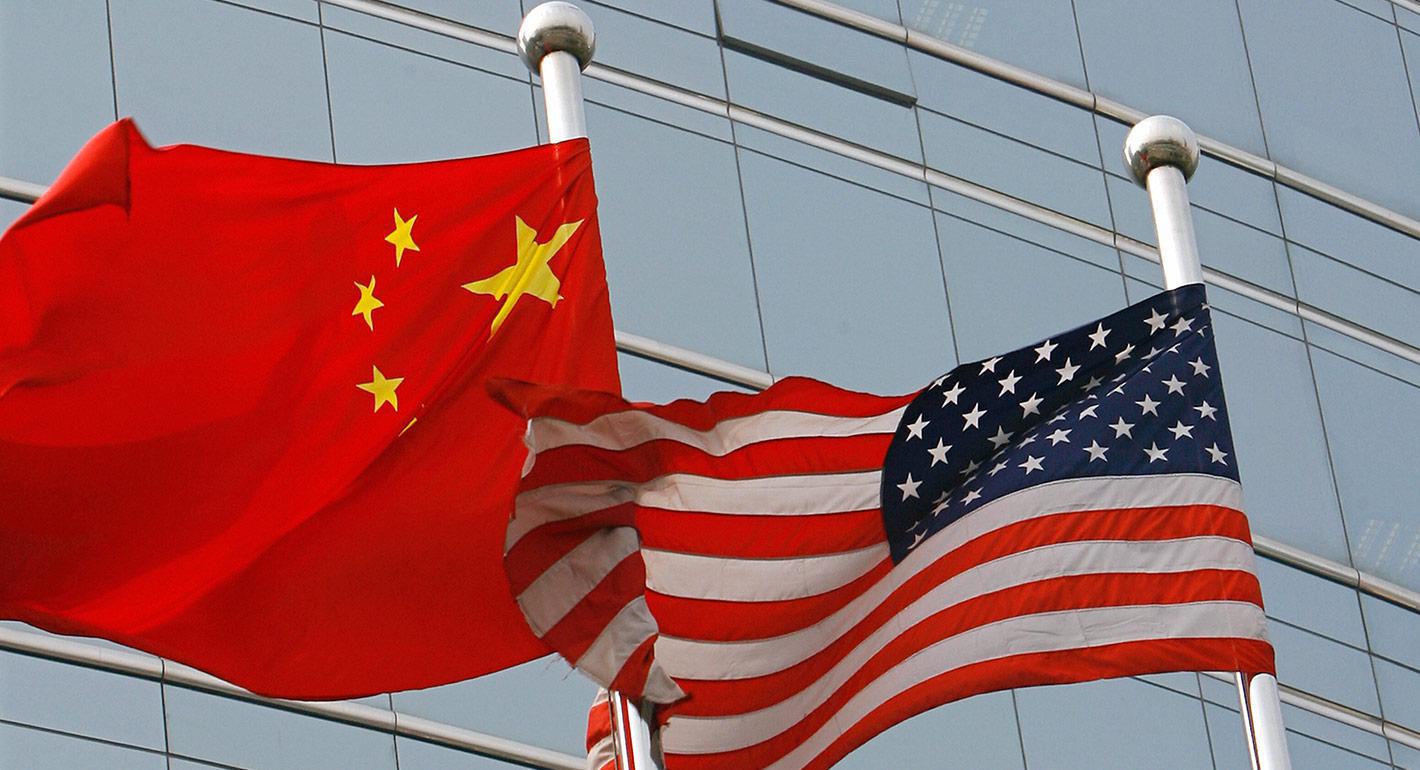
While the world hoped this pandemic might lead to more cooperation between these two great powers, American and Chinese leaders instead fell into a blame game and allowed their increasing suspicions to guide their decision-making.
Lyu Jinghua
Biological viruses and computer malware differ in important respects. They have considerable potential to spread widely, invading, disrupting and destroying their targets.
Ariel (Eli) Levite, Lyu Jinghua