

Paper
Lora Saalman
{
  "authors": [
    "Lora Saalman"
  ],
  "type": "legacyinthemedia",
  "centerAffiliationAll": "",
  "centers": [
    "Carnegie Endowment for International Peace",
    "Carnegie China"
  ],
  "collections": [
    "China’s Foreign Relations",
    "U.S.-China Relations"
  ],
  "englishNewsletterAll": "",
  "nonEnglishNewsletterAll": "",
  "primaryCenter": "Carnegie China",
  "programAffiliation": "",
  "programs": [],
  "projects": [],
  "regions": [],
  "topics": [
    "Security",
    "Arms Control"
  ]
}
Source: Getty
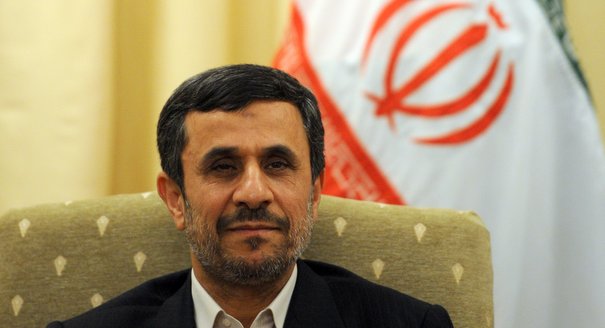
Iran’s position as major oil exporter to China affects the way Beijing perceives the Iranian nuclear crisis. However, energy security is also a factor prompting Beijing to move closer to the United States on this issue.
Source: Phoenix TV
Speaking in Chinese on the Phoenix television program Yihu yidu tan (Tiger Talk), Carnegie’s Lora Saalman explained that because of the dual-use nature of nuclear technology, the United States is concerned about Iran’s intentions and its capacity to build a nuclear weapon. Saalman maintained that U.S. military deployment in the Persian Gulf is, in part, a reaction to this threat, aimed at demonstrating U.S. conventional deterrence capabilities and commitment in the region. While this deployment plays a function in reassuring Israel, it does not necessarily mean that the United States intends to use force against Iran. Had the United States made the decision to use military means to resolve the Iranian nuclear dispute, Saalman added, it would likely already have done so.
Instead, she noted the United States is trying to utilize diplomatic means and negotiations first. Despite reports coming out of Iran, the Unites States government has been focused on exercising restraint and avoiding war. Saalman maintained that the statement of U.S. Defense Secretary Leon Panetta best frames this approach, as he maintained that Iran has not yet made the decision to develop a nuclear weapon. Ultimately, Washington wants to avoid the mistakes it made in 2003 with the Iraq nuclear issue.
Saalman asserted that given China’s independent foreign policy, it is difficult for the United States to lobby China to converge with U.S. perspectives on the region. However, China has its own reasons for keeping its distance from Iran as it tries to diversify its oil imports and minimize exposure to destabilizing trends. From this perspective, the United Staets and China at times have converging interests that could serve as the basis of cooperation. Overall, China’s chief role is likely to be serving as an intermediary to facilitate the negotiation effort.

Former Nonresident Associate, Nuclear Policy Program
Saalman was a nonresident associate in the Nuclear Policy Program at the Carnegie Endowment for International Peace. Her research focuses on China’s nuclear and strategic policies toward India, Russia, and arms control.
Recent Work
Lora Saalman
Lora Saalman
Carnegie does not take institutional positions on public policy issues; the views represented herein are those of the author(s) and do not necessarily reflect the views of Carnegie, its staff, or its trustees.

The Thai-Cambodian conflict highlights the limits to China's peacemaker ambition and the significance of this role on Southeast Asia’s balance of power.

Pongphisoot (Paul) Busbarat

Beijing believes that Washington is overestimating its own leverage and its ability to handle the trade war’s impacts.


Rick Waters, Sheena Chestnut Greitens
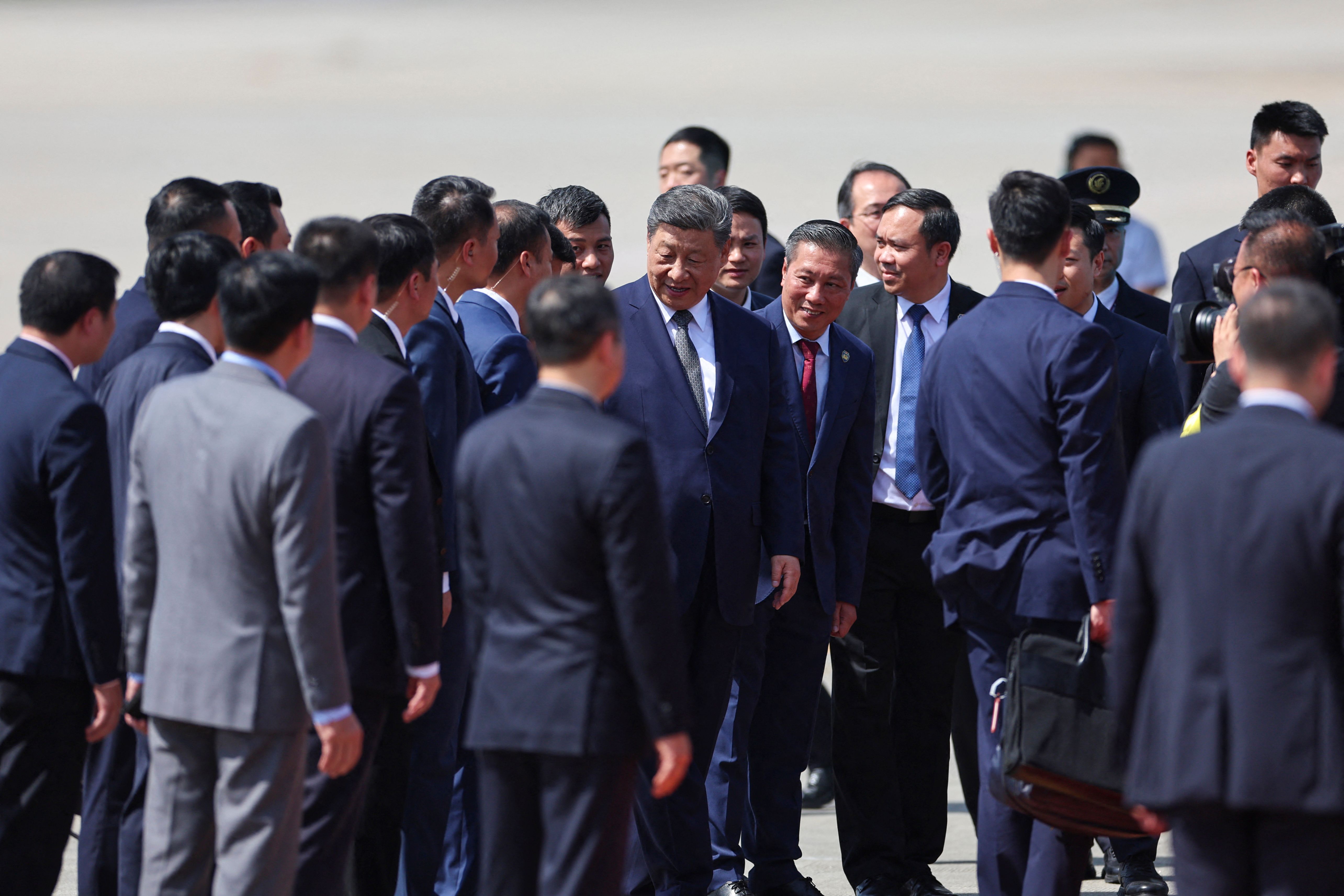
Tapping our network of China experts in the region, Carnegie China offers this latest “China Through a Southeast Asian Lens” report to offer preliminary assessments of whether the U.S. effort to reshape the global trading order will lead countries in the region to tilt toward Beijing.


Selina Ho, Khin Khin Kyaw Kyee, Joseph Ching Velasco, …
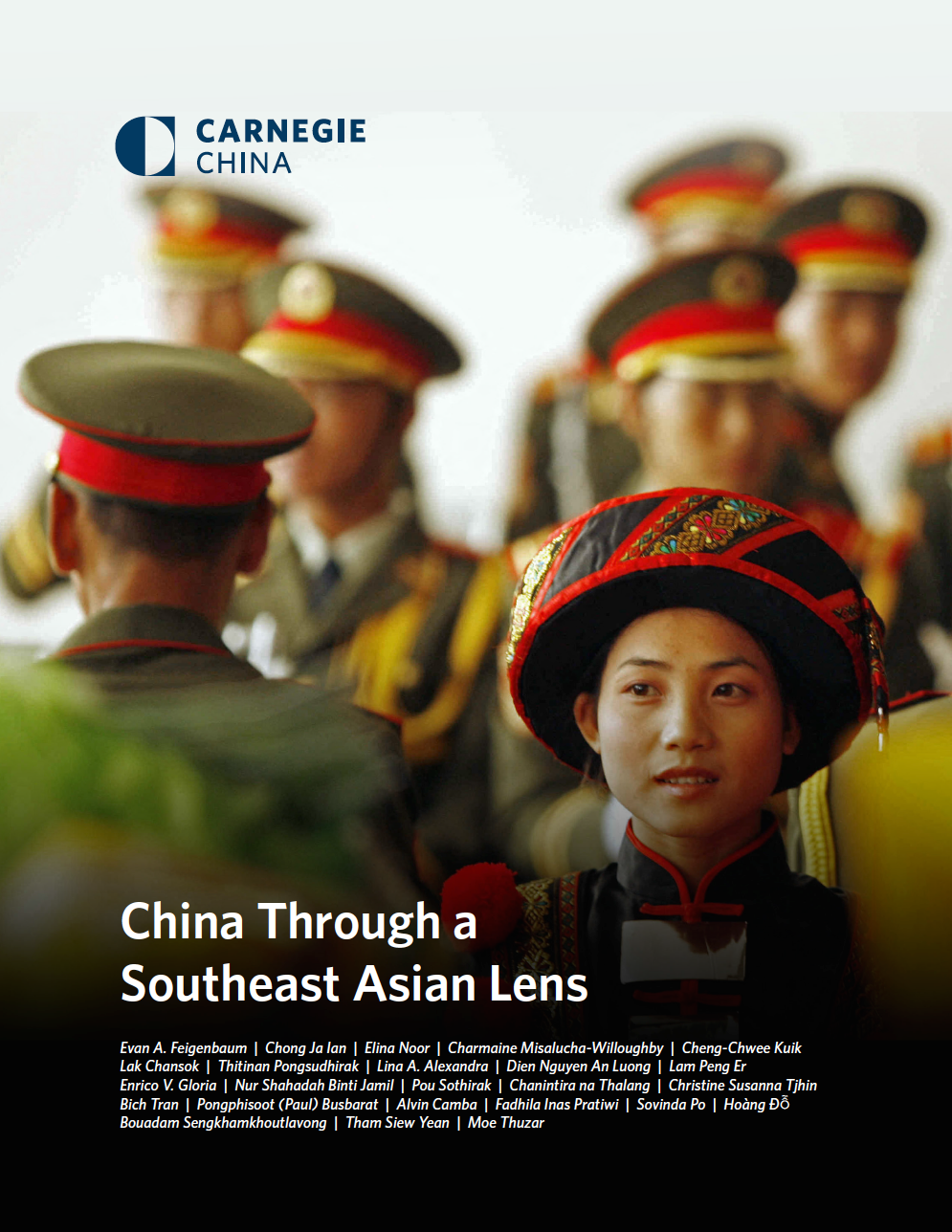
Because strategic, economic, and ideological perceptions of China contain multiple, sometimes contradictory facets in Southeast Asia, receptions of and responses to Beijing diverge across and within state lines.



Evan A. Feigenbaum, Chong Ja Ian, Elina Noor
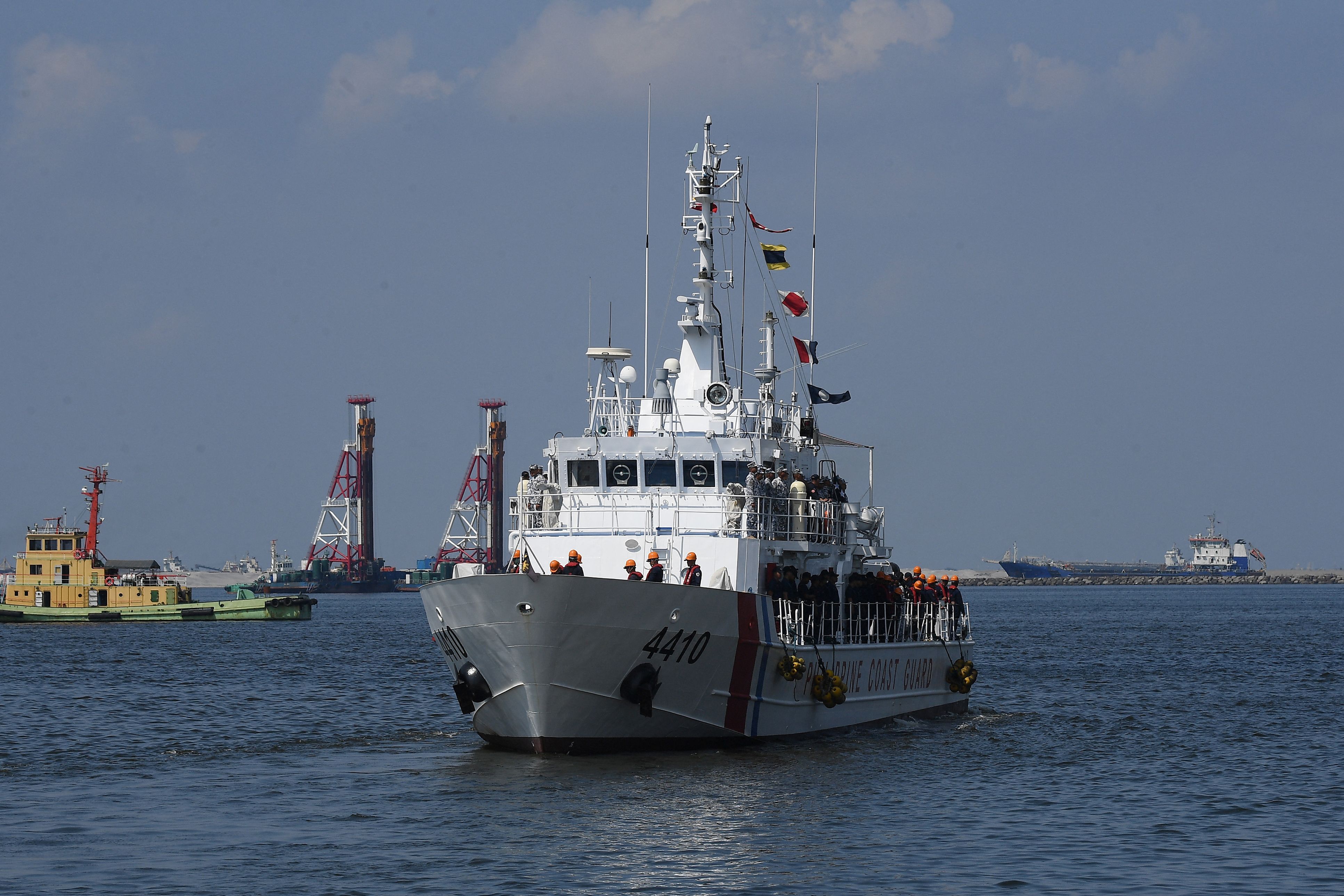
Most Southeast Asian states behave as if the actions of their Northeast Asian neighbors and the Philippines will be sufficient to maintain a regional status quo from which they can benefit.
Chong Ja Ian