

Commentary
Uri Dadush
{
  "authors": [
    "Uri Dadush"
  ],
  "type": "legacyinthemedia",
  "centerAffiliationAll": "",
  "centers": [
    "Carnegie Endowment for International Peace"
  ],
  "collections": [],
  "englishNewsletterAll": "",
  "nonEnglishNewsletterAll": "",
  "primaryCenter": "Carnegie Endowment for International Peace",
  "programAffiliation": "",
  "programs": [],
  "projects": [],
  "regions": [
    "North America",
    "United States",
    "Southern, Eastern, and Western Africa"
  ],
  "topics": [
    "Economy"
  ]
}
Source: Getty
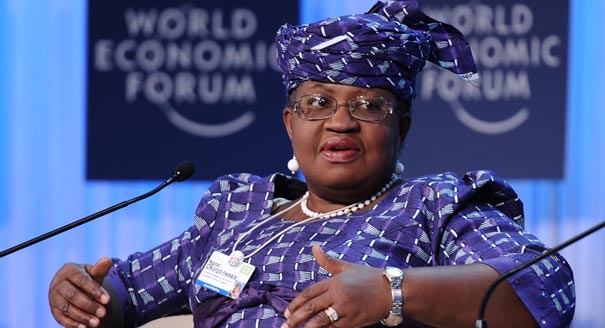
Over three dozen ex-World Bank officials have backed Nigerian finance minister Ngozi Okonjo-Iweala's bid for the World Bank's presidency. But does she stand a real chance of becoming the institution's first non-U.S. leader?
Source: CNN
Appearing on CNN’s “Quest Means Business,” Uri Dadush discussed Nigerian finance minister Ngozi Okonjo-Iweala’s candidacy for the World Bank’s top job. Dadush was one of 39 ex-World Bank economists and managers to endorse Okonjo-Iweala in an open letter to the bank’s members, citing her “deep experience in international and national issues of economic management.” Dadush acknowledged that the chances of a developing country leader being selected for the World Bank’s presidency are slim, as Americans have always led the organization in the past. But there is a small possibility that Okonjo-Iweala could be selected, especially if she becomes the consensus candidate among the World Bank’s developing country members, he concluded.
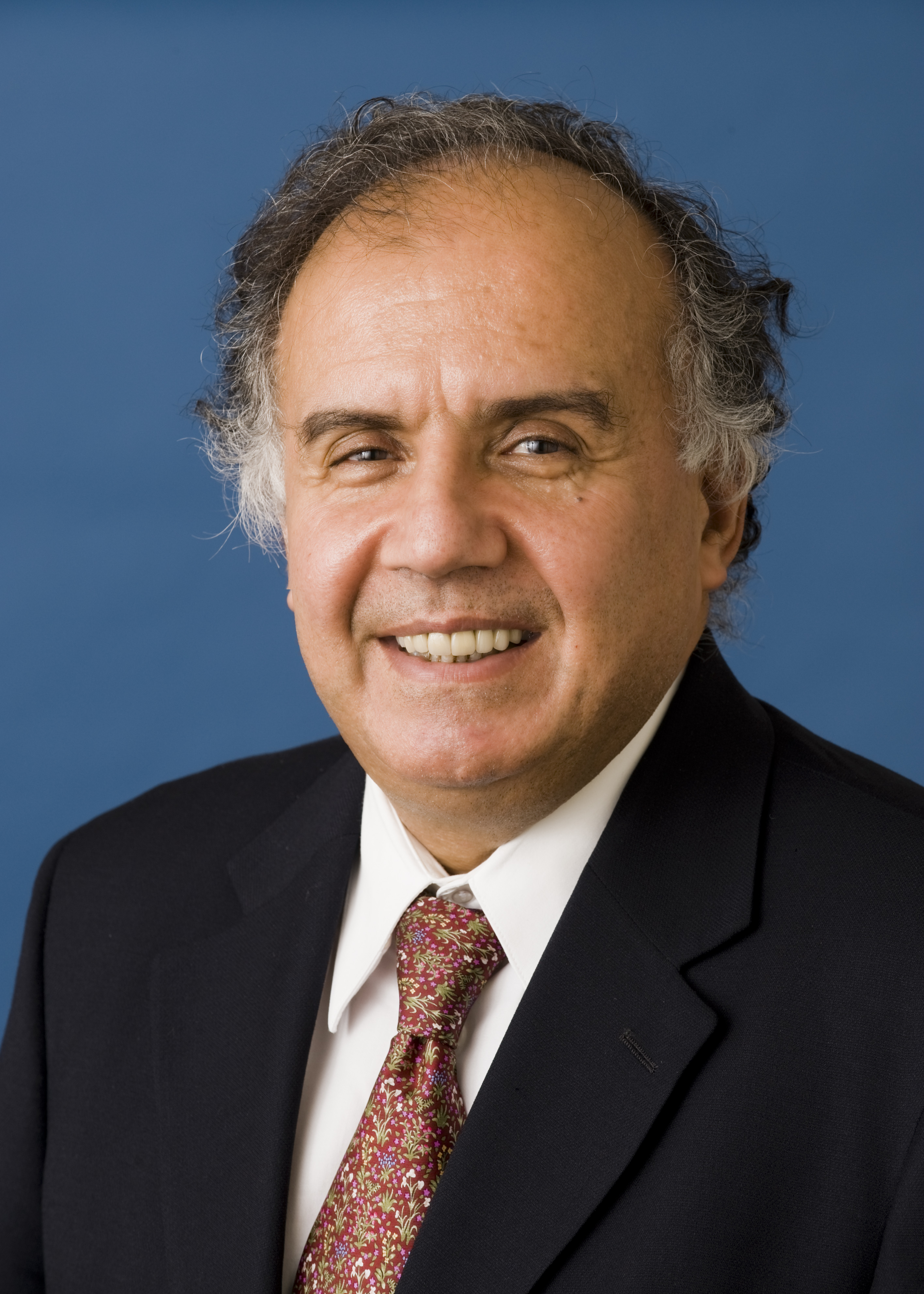
Former Senior Associate, International Economics Program
Dadush was a senior associate at the Carnegie Endowment for International Peace. He focuses on trends in the global economy and is currently tracking developments in the eurozone crisis.
Recent Work
Uri Dadush
Uri Dadush
Carnegie does not take institutional positions on public policy issues; the views represented herein are those of the author(s) and do not necessarily reflect the views of Carnegie, its staff, or its trustees.

US unpredictability has allowed China to capitalize on its positioning as the “responsible great power”. Paradoxically, the more China wins the perception game, the more likely expectations will rise for Beijing to deliver not just words but to demonstrate with its deeds.

Chong Ja Ian

In the latest Five-Year Plan, the Chinese president cements the shift to an innovation-driven economy over a consumption-driven one.

Damien Ma

For Malaysia, the conjunction that works is “and” not “or” when it comes to the United States and China.

Elina Noor

Regulation, not embargo, allows Beijing to shape how other countries and firms adapt to its terms.
Alvin Camba

Rather than climate ambitions, compatibility with investment and exports is why China supports both green and high-emission technologies.

Mathias Larsen