

Commentary
The advantage that China has over other global powers, especially America, is that its foreign policy is closely aligned with those of many of the Middle Eastern countries.
Jin Liangxiang, Maha Yahya, Hesham Alghannam
{
  "authors": [],
  "type": "pressRelease",
  "centerAffiliationAll": "dc",
  "centers": [
    "Carnegie Endowment for International Peace"
  ],
  "collections": [
    "Arab Awakening"
  ],
  "englishNewsletterAll": "menaTransitions",
  "nonEnglishNewsletterAll": "",
  "primaryCenter": "Carnegie Endowment for International Peace",
  "programAffiliation": "MEP",
  "programs": [
    "Middle East"
  ],
  "projects": [],
  "regions": [
    "Middle East",
    "North Africa"
  ],
  "topics": [
    "Political Reform"
  ]
}
REQUIRED IMAGE
Carnegie Endowment for International Peace today announced the hiring of two new Middle East experts, Katherine Wilkens and Frederic Wehrey, further strengthening one of Washington’s premier Middle East programs.
WASHINGTON—Carnegie Endowment for International Peace today announced the hiring of two new Middle East experts, Katherine Wilkens and Frederic Wehrey, further strengthening one of Washington’s premier Middle East programs.
Making the announcement, Marwan Muasher, vice president for studies, said:
“As the dramatic events of the last sixteen months continue to unfold in the Arab world, Carnegie’s Middle East Program has worked to deliver groundbreaking analysis of the political, economic, and security challenges gripping the region and their implications for policymakers. Between our offices in Washington and Beirut, we have built a remarkable team of experts that today grows that much stronger. Katherine and Fred are both enormously gifted scholars whose presence will enable us to expand the breadth and depth of our activities both here in Washington and at our Beirut Center. We are indeed fortunate to have them onboard at this critical time.”
Katherine Wilkens will serve as deputy director of Carnegie’s Middle East Program, overseeing the program’s day-to-day operations. She joins Carnegie from AMIDEAST, an American nonprofit organization engaged in education, training, and capacity building in the Middle East and North Africa. Earlier in her career, she served at senior levels in the executive and legislative branches, including as staff director of the House Foreign Affairs Subcommittee on Europe and the Middle East.
Frederic Wehrey joins Carnegie as a senior associate in the Middle East Program. He joins us from RAND Corporation where his research focused on political reform and security issues in the Arab Gulf states, Libya, and U.S. policy in the Middle East more broadly.
Founded in 1910, Carnegie is America’s oldest international affairs think tank. Carnegie is in the process of building the world’s first truly global think tank with research centers in Washington, Moscow, Beijing, Beirut, and Brussels.
In addition to an outstanding Middle East Program based in Washington, the Carnegie Middle East Center in Beirut was recently named the leading think tank in the region for the third straight year in the University of Pennsylvania’s 2011 Global Go To Think Tank Rankings.
Press Contact: Karly Schledwitz, +1 202 939 2233, pressoffice@ceip.org
Carnegie does not take institutional positions on public policy issues; the views represented herein are those of the author(s) and do not necessarily reflect the views of Carnegie, its staff, or its trustees.
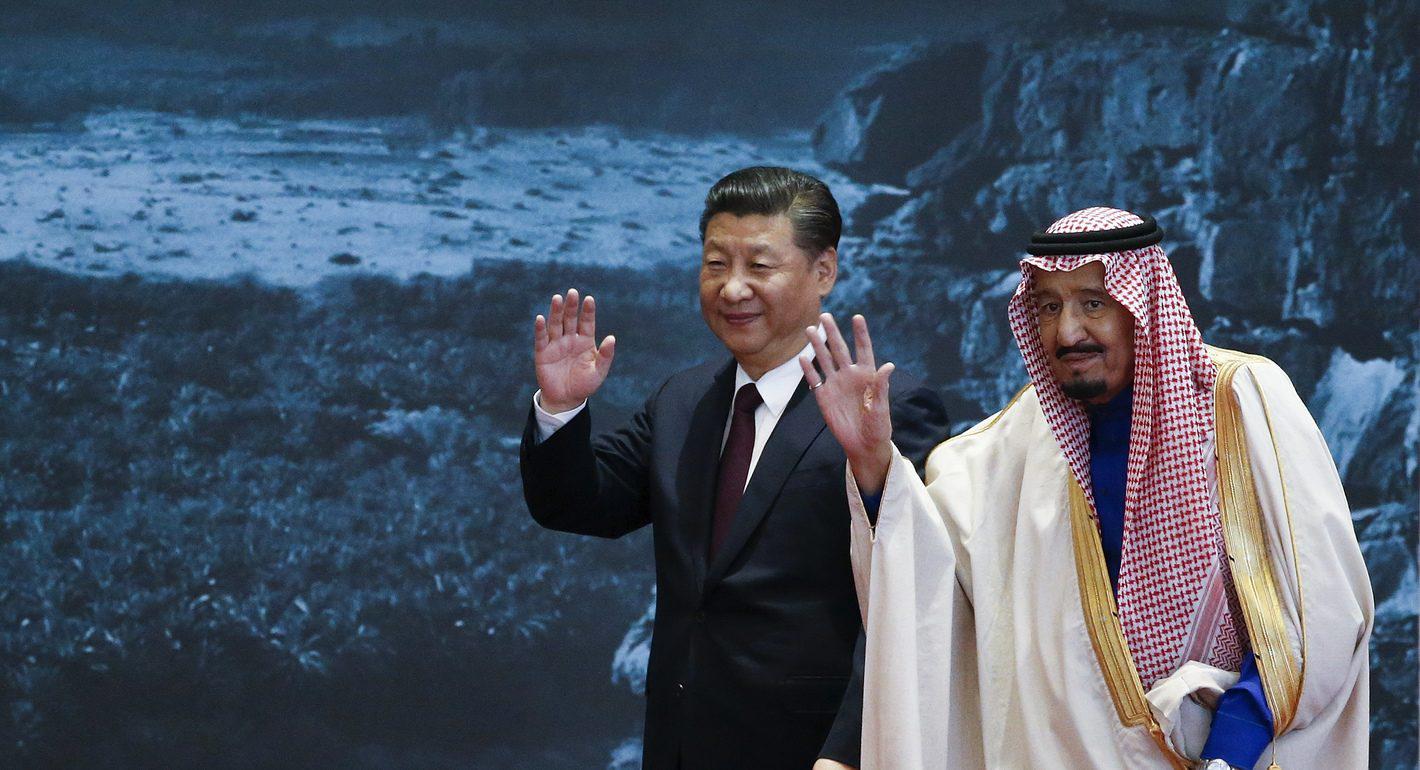
The advantage that China has over other global powers, especially America, is that its foreign policy is closely aligned with those of many of the Middle Eastern countries.
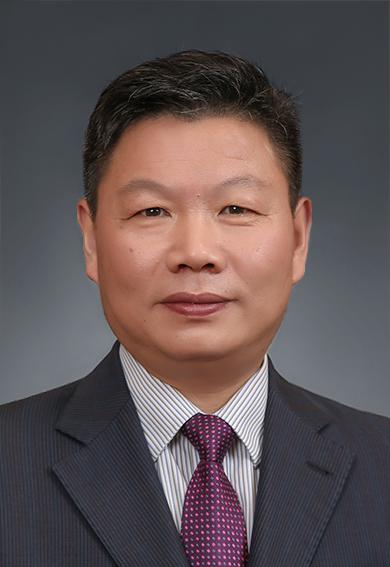


Jin Liangxiang, Maha Yahya, Hesham Alghannam
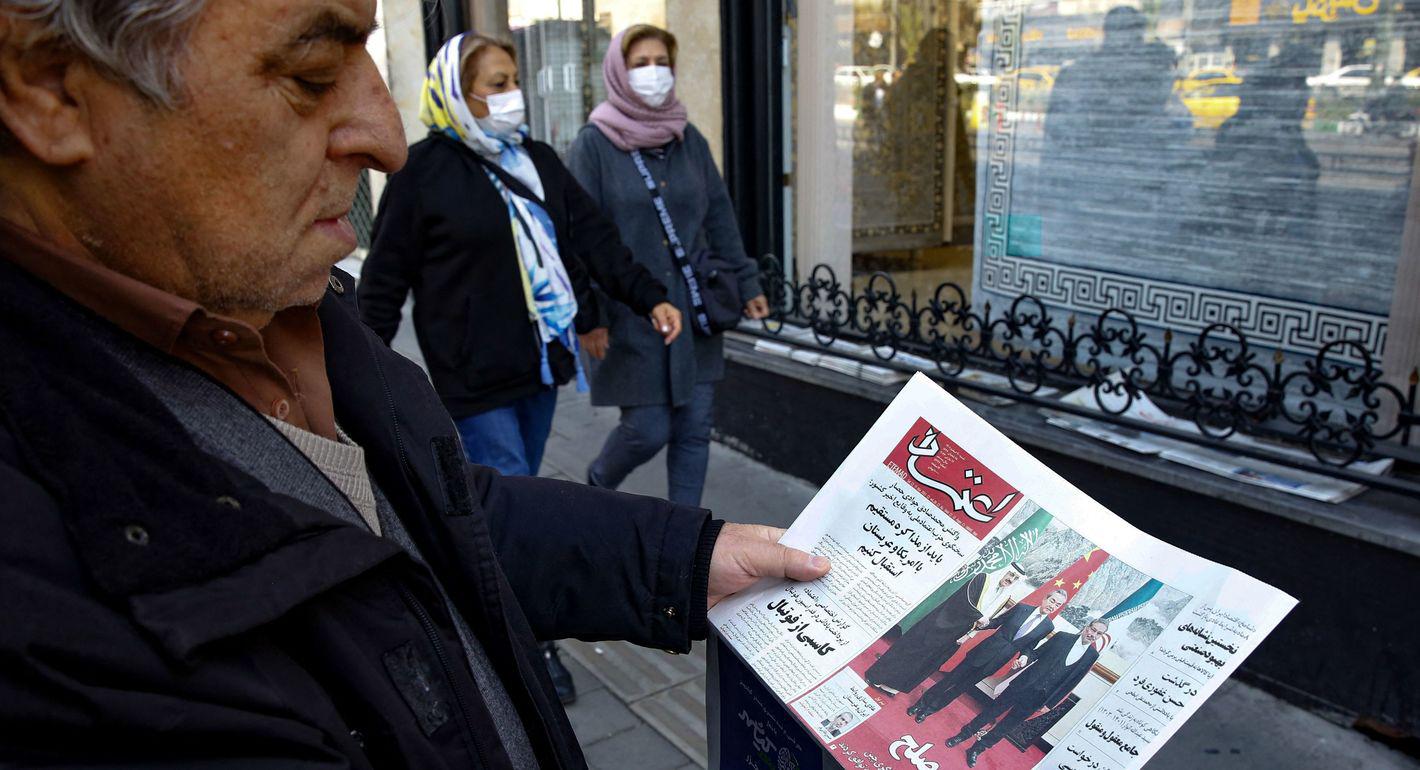
Transactional relationships are stable but can be shallow.

Paul Haenle, Maha Yahya, Benjamin Ho, …
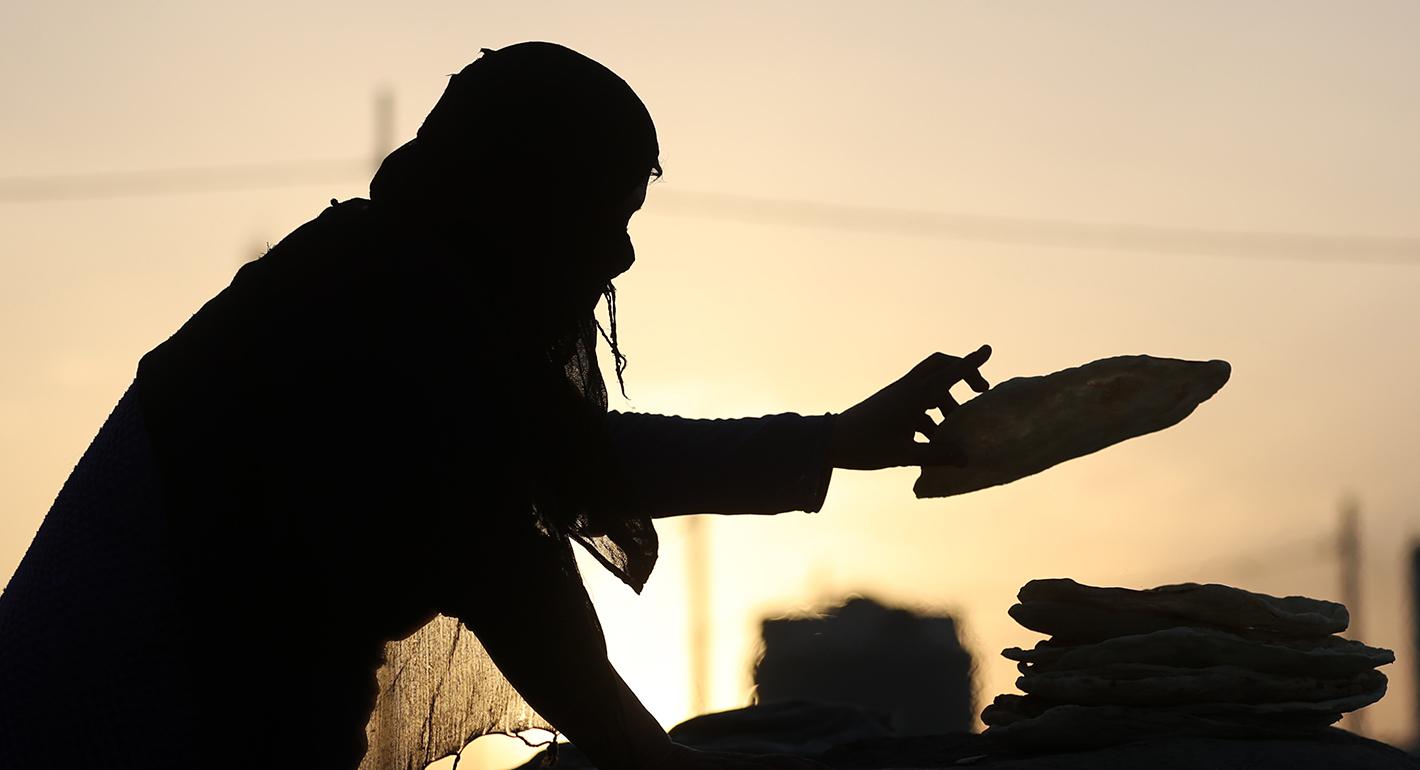
It’s about managing oil prices, bread prices, and strategic partnerships.



Amr Hamzawy, Karim Sadjadpour, Aaron David Miller, …
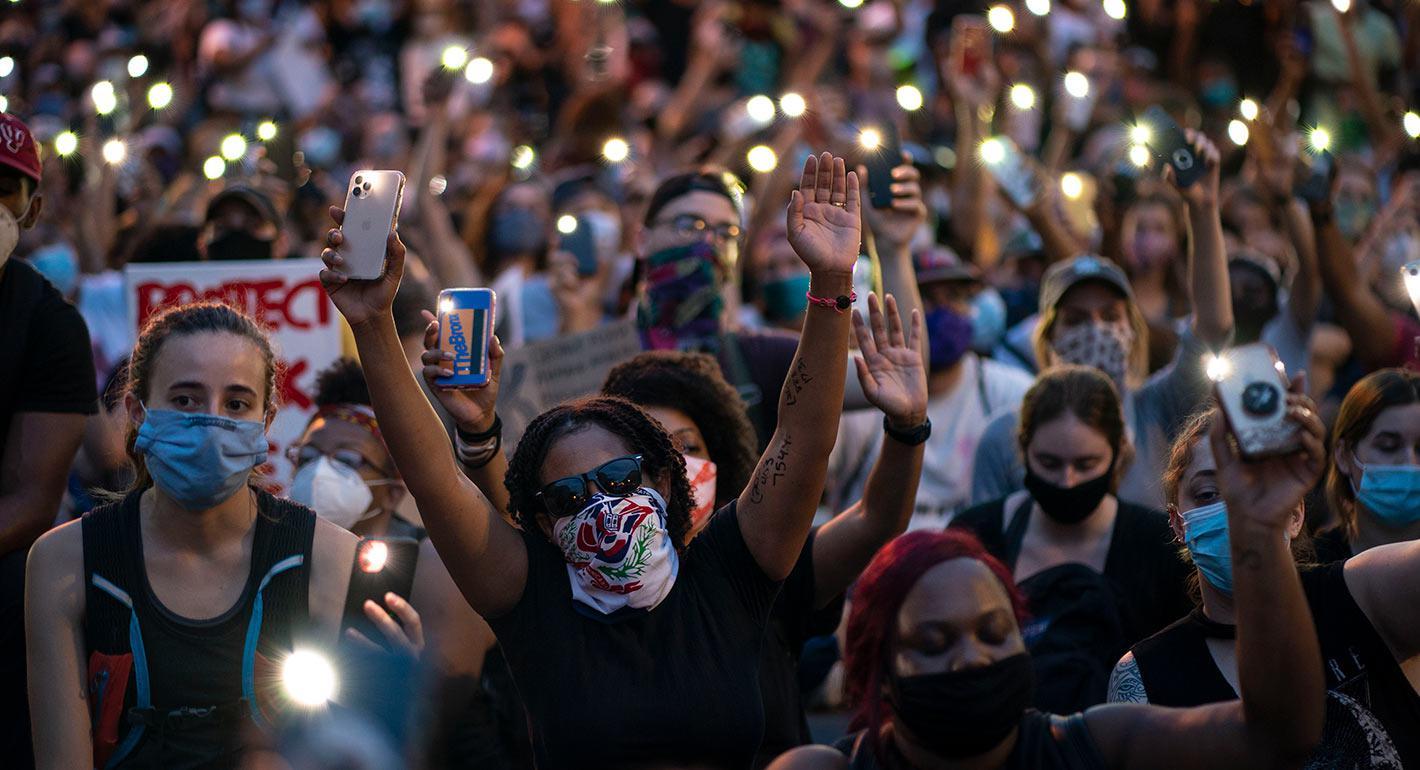
The murder of George Floyd has underscored the deep inequities that have long plagued American society. In a note to the Carnegie community, Bill Burns reflects on Carnegie’s commitment to build a more just future here at home and around the world, without which peace will remain beyond our grasp.
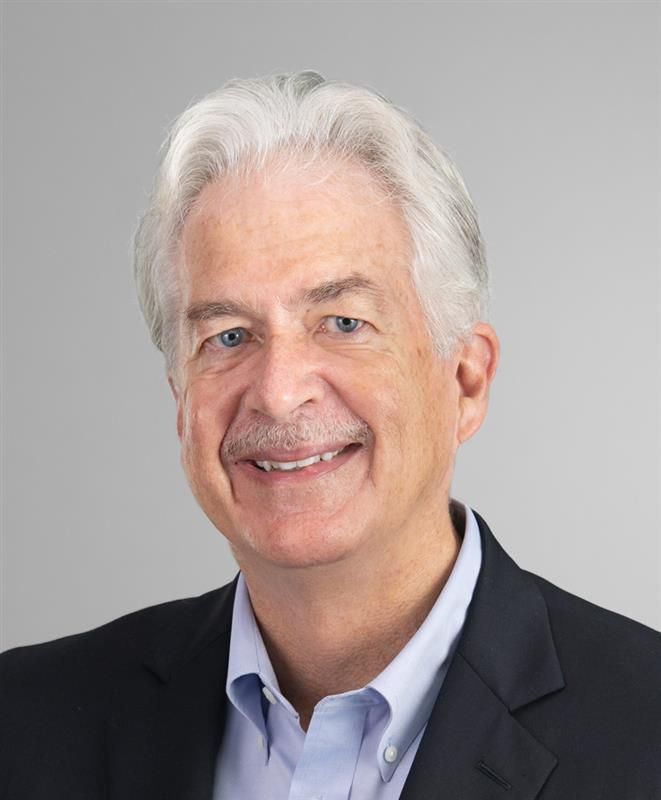
William J. Burns
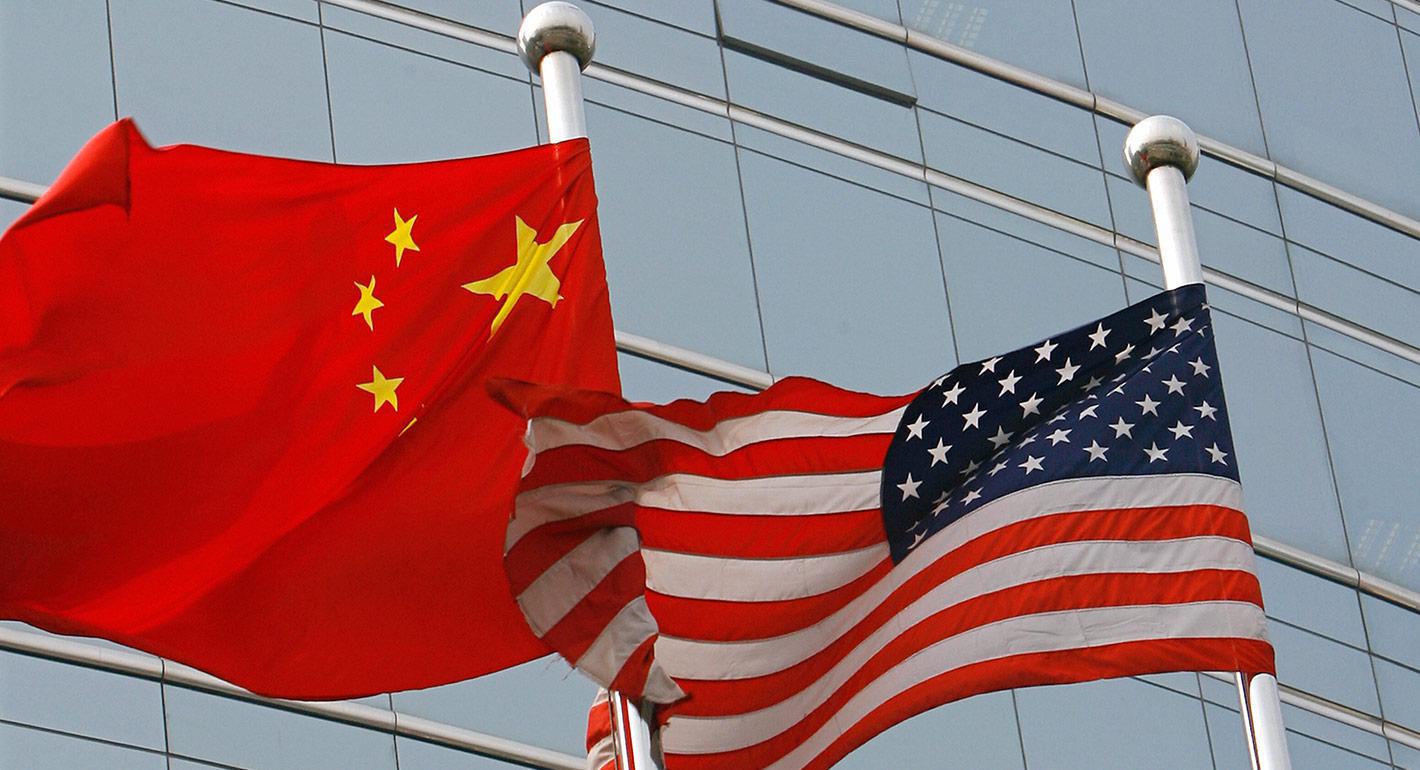
While the world hoped this pandemic might lead to more cooperation between these two great powers, American and Chinese leaders instead fell into a blame game and allowed their increasing suspicions to guide their decision-making.
Lyu Jinghua