

Article
China has showcased its engineering prowess with small modular reactor demonstration projects. But turning these technological achievements into commercial success will be a greater challenge.
Tong Zhao
{
  "authors": [
    "Sun Xuefeng"
  ],
  "type": "other",
  "centerAffiliationAll": "",
  "centers": [
    "Carnegie Endowment for International Peace",
    "Carnegie China"
  ],
  "collections": [
    "China’s Foreign Relations"
  ],
  "englishNewsletterAll": "",
  "nonEnglishNewsletterAll": "",
  "primaryCenter": "Carnegie China",
  "programAffiliation": "",
  "programs": [],
  "projects": [
    "Window Into China"
  ],
  "regions": [],
  "topics": [
    "Security",
    "Economy"
  ]
}
Source: Getty
China is a rising power that must define its identity as a global player and balance its domestic needs against those of an increasingly multipolar world.
Source: Real Instituto Elcano

Why are there such contrasting perceptions on China’s rise between the Chinese and the rest of the world? What dilemmas is China beginning to face in the context of these different perceptions about its rise? What ways out of these dilemmas has China been seeking? This essay will explore these thought-provoking questions and present an academic analysis on China’s strategic thinking about its rising dilemmas. It presents three arguments: (1) for most Chinese officials, scholars and the public, China is a multi-faceted rising power; (2) a rising China faces two daunting dilemmas –the dilemma of rising powers and an identity dilemma–; and (3) China has adopted a strategic approach to its rising dilemmas, characterised by patience, reassurance and coherence.
This article was published as part of the Window into China series
Sun Xuefeng
Former Resident Scholar, Carnegie-Tsinghua Center for Global Policy
Sun Xuefeng was a resident scholar at the Carnegie-Tsinghua Center until June 2020.
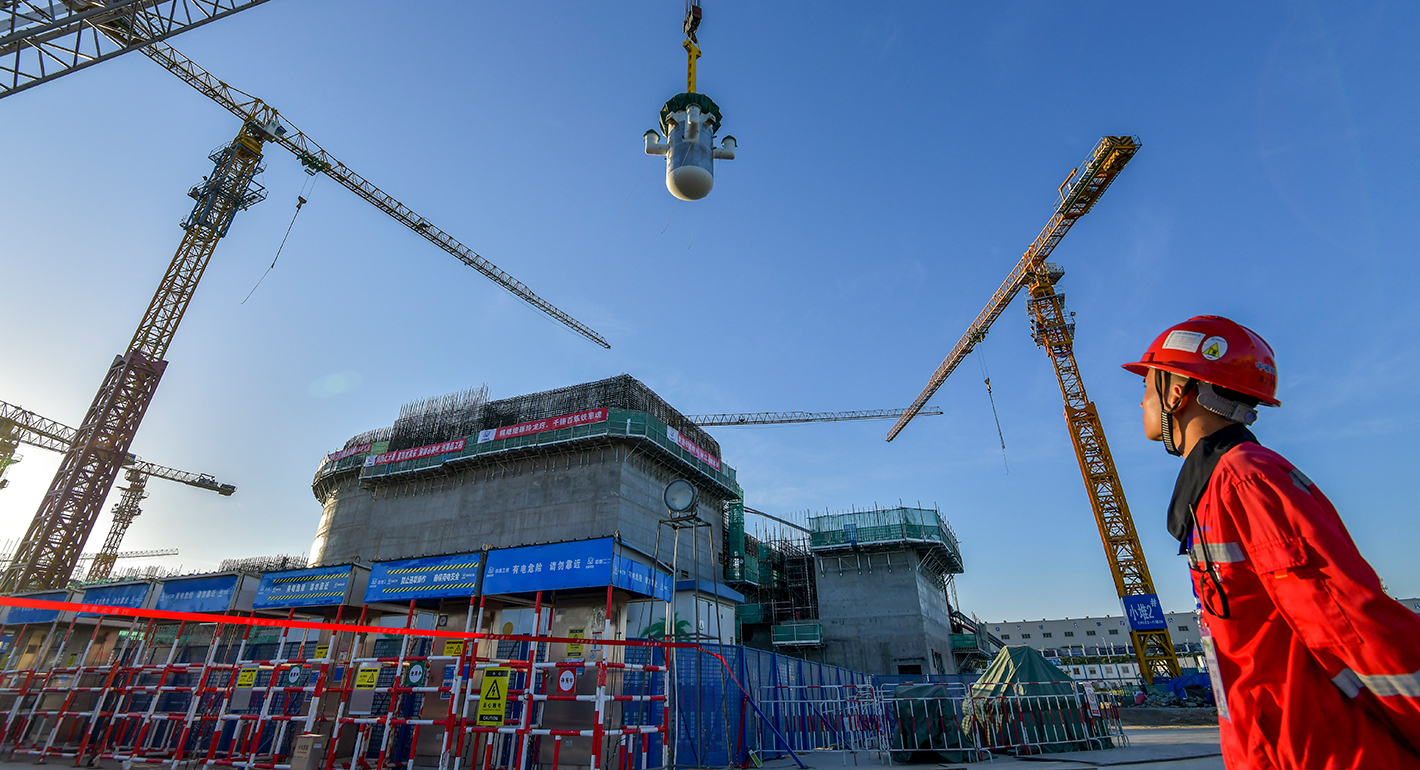
China has showcased its engineering prowess with small modular reactor demonstration projects. But turning these technological achievements into commercial success will be a greater challenge.

Tong Zhao

The Plaza Accord was not an externally imposed punishment of Japan but part of a broader restructuring that Japanese economists and policymakers themselves recognized was necessary. Its effects were undermined, however, when Tokyo responded to the resulting slowdown with policies that exacerbated investment, credit expansion, and the very imbalances the adjustment was intended to resolve.

Michael Pettis
China’s banking crisis in the 2000s was resolved by transferring the costs to households through financial repression—a decision that recapitalized the banks while exacerbating the structural imbalances that continue to shape the Chinese economy today.
Michael Pettis
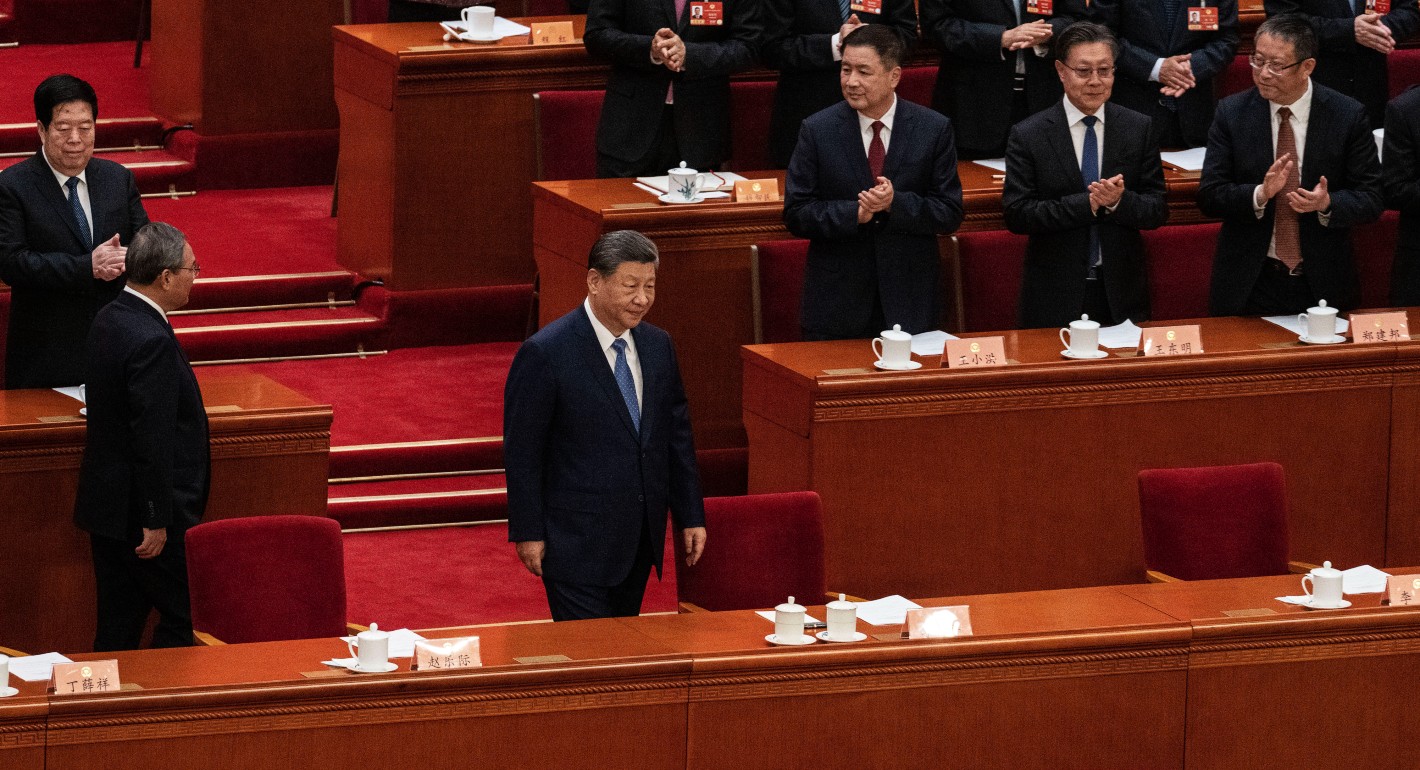
In the latest Five-Year Plan, the Chinese president cements the shift to an innovation-driven economy over a consumption-driven one.

Damien Ma
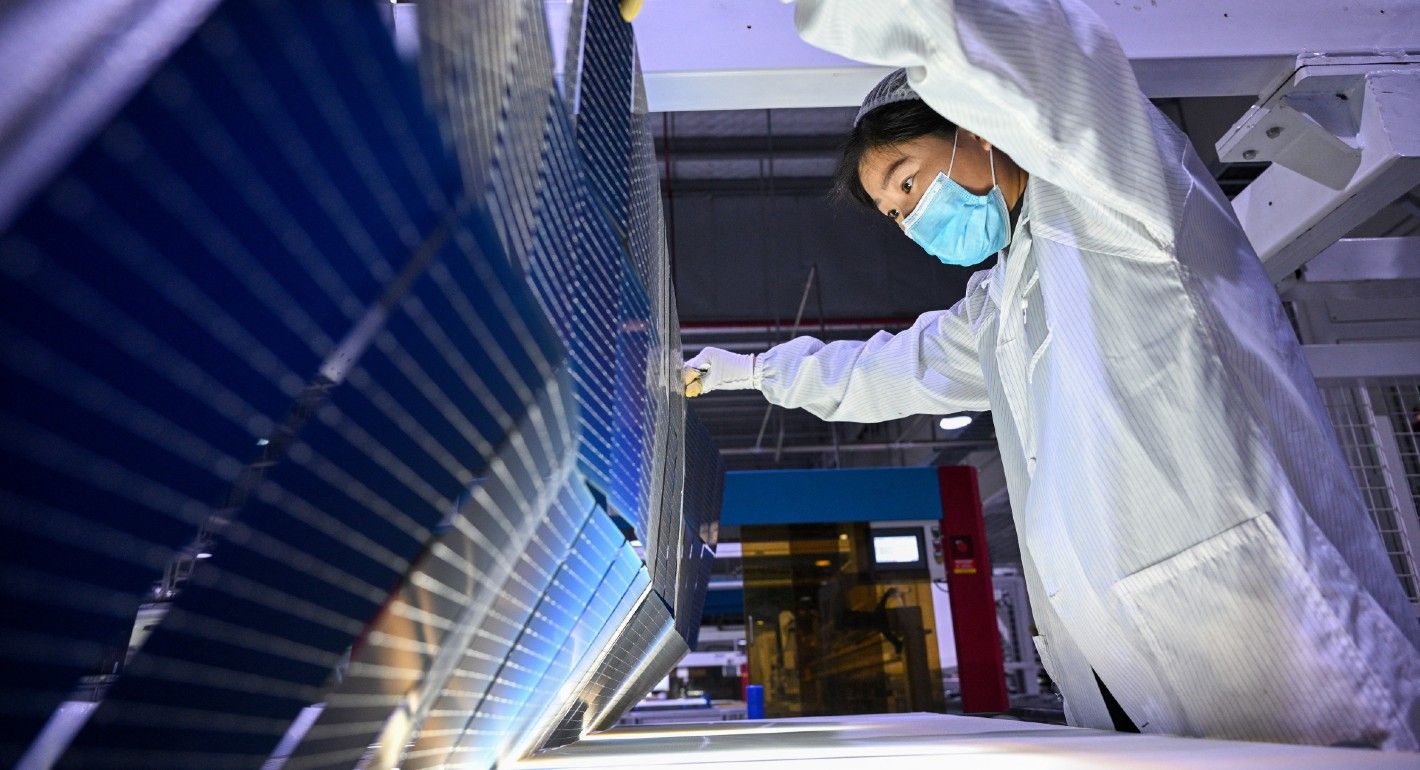
Rather than climate ambitions, compatibility with investment and exports is why China supports both green and high-emission technologies.

Mathias Larsen