

Q&A
- +1
Amr Hamzawy, Andrew Leber, Eric Lob, …
{
  "authors": [
    "Marwan Muasher"
  ],
  "type": "legacyinthemedia",
  "centerAffiliationAll": "dc",
  "centers": [
    "Carnegie Endowment for International Peace",
    "Malcolm H. Kerr Carnegie Middle East Center"
  ],
  "collections": [
    "Arab Awakening"
  ],
  "englishNewsletterAll": "menaTransitions",
  "nonEnglishNewsletterAll": "",
  "primaryCenter": "Carnegie Endowment for International Peace",
  "programAffiliation": "MEP",
  "programs": [
    "Middle East"
  ],
  "projects": [],
  "regions": [
    "Middle East",
    "Jordan",
    "Levant"
  ],
  "topics": [
    "Political Reform"
  ]
}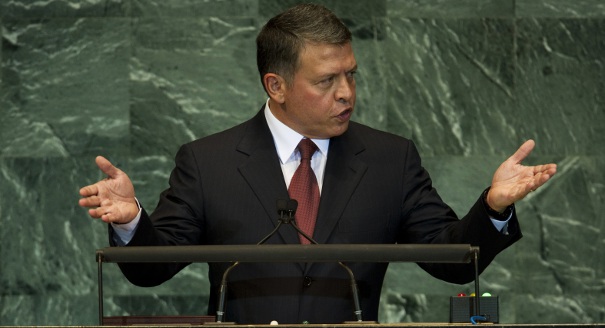
Source: Getty
If reform from above has any real chance to succeed in the Arab world, it would be in Jordan. But it will require a dramatic shift of priorities by a system that has been so far resilient to serious change.
Source: New York Times

Although the country does not have a strong tradition of parliamentary party politics, the Hashemite royal family has always advocated liberal social policies toward its citizens, including Christians and women. While the system didn’t allow much competition in political affairs, equally it didn’t engage in brutal practices against its opponents as many of its neighbors did. Politically, the Muslim Brotherhood was allowed to operate legally and as a result, the Islamists adopted more moderate policies than they did in other Arab countries.
Despite its history, however, Jordan still seems stuck in a system that has so far promised far more reforms than it has actually delivered. To be sure, the constitution was amended and agreed on the establishment of a constitutional court for the first time, long a demand of political activists, and an independent election commission to supervise all aspects of the election process.However, these amendments fall far short of several necessary measures. While the king lost the ability to indefinitely postpone elections, all other powers have been left intact — for example, the monarch still appoints and dismisses the prime minister. On the key issue of the election law, not much has changed. Despite more than a year of deliberations, the law went through different variations, resulting in the end in a formula that would have 82 percent of parliament elected according to the same old unpopular formula.
If reform from above has any real chance to succeed, it would be in Jordan. But it will require a dramatic shift of priorities by a system that has been so far resilient to serious change — a shift that can be led only by the king.

Vice President for Studies
Marwan Muasher is vice president for studies at Carnegie, where he oversees research in Washington and Beirut on the Middle East. Muasher served as foreign minister (2002–2004) and deputy prime minister (2004–2005) of Jordan, and his career has spanned the areas of diplomacy, development, civil society, and communications.
Recent Work



Amr Hamzawy, Andrew Leber, Eric Lob, …
Marwan Muasher
Carnegie does not take institutional positions on public policy issues; the views represented herein are those of the author(s) and do not necessarily reflect the views of Carnegie, its staff, or its trustees.

The advantage that China has over other global powers, especially America, is that its foreign policy is closely aligned with those of many of the Middle Eastern countries.



Jin Liangxiang, Maha Yahya, Hesham Alghannam
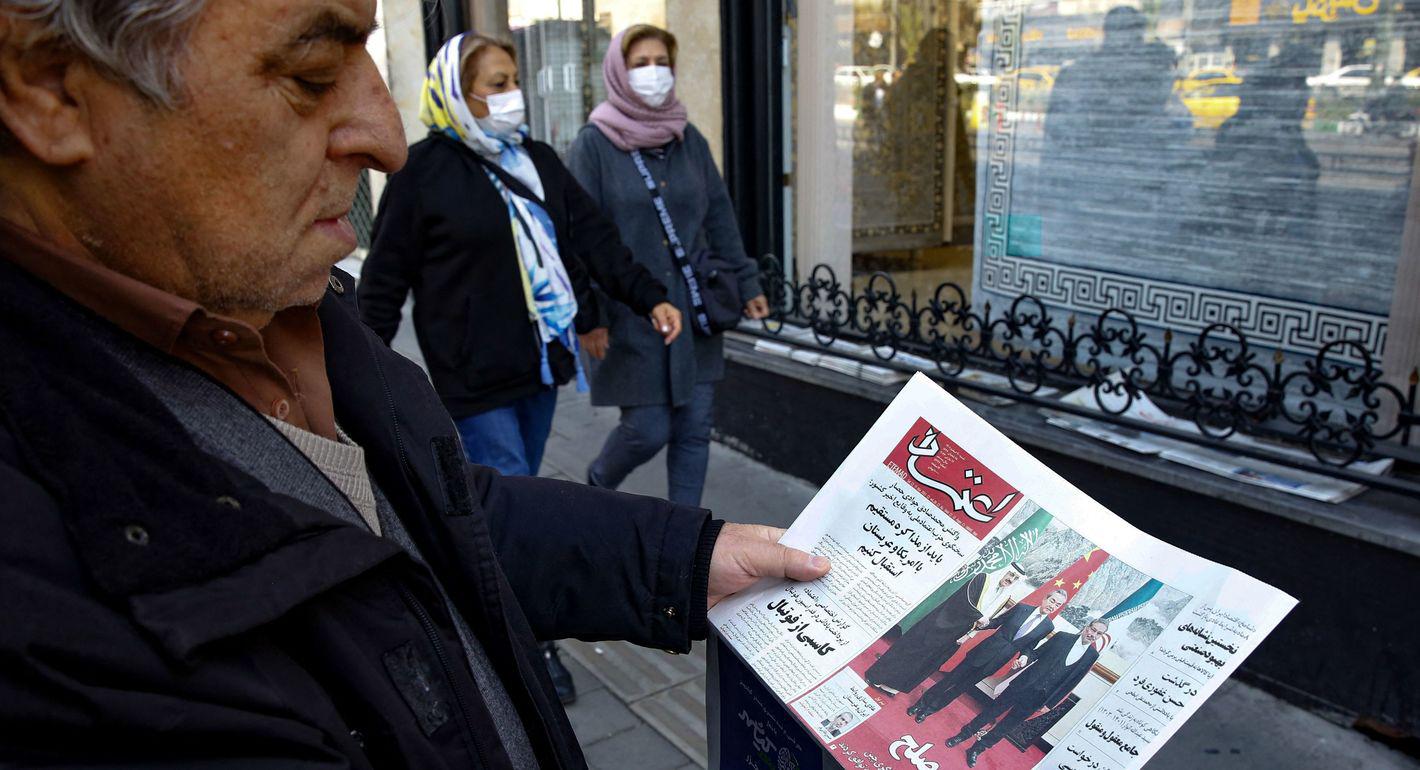
Transactional relationships are stable but can be shallow.


Paul Haenle, Maha Yahya, Benjamin Ho, …

It’s about managing oil prices, bread prices, and strategic partnerships.


Amr Hamzawy, Karim Sadjadpour, Aaron David Miller, …
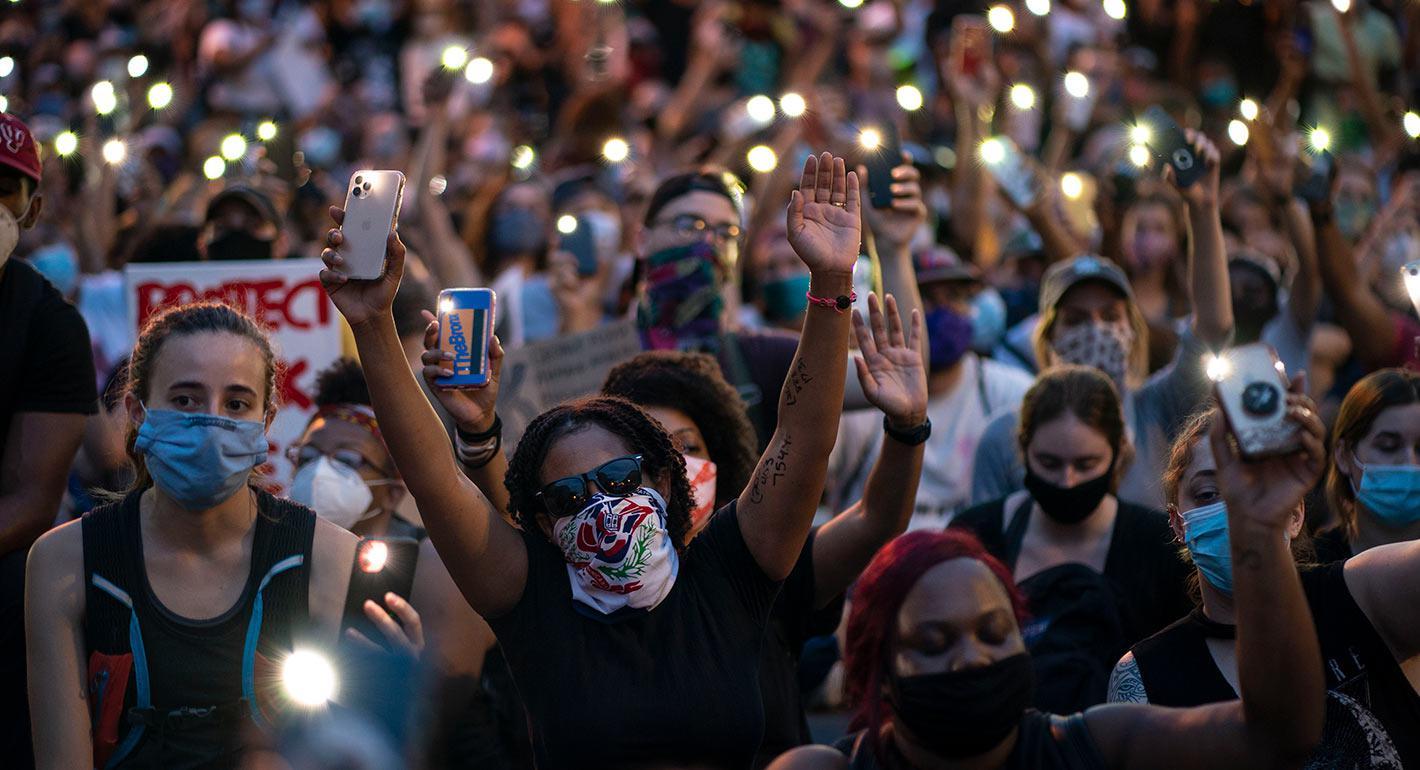
The murder of George Floyd has underscored the deep inequities that have long plagued American society. In a note to the Carnegie community, Bill Burns reflects on Carnegie’s commitment to build a more just future here at home and around the world, without which peace will remain beyond our grasp.

William J. Burns
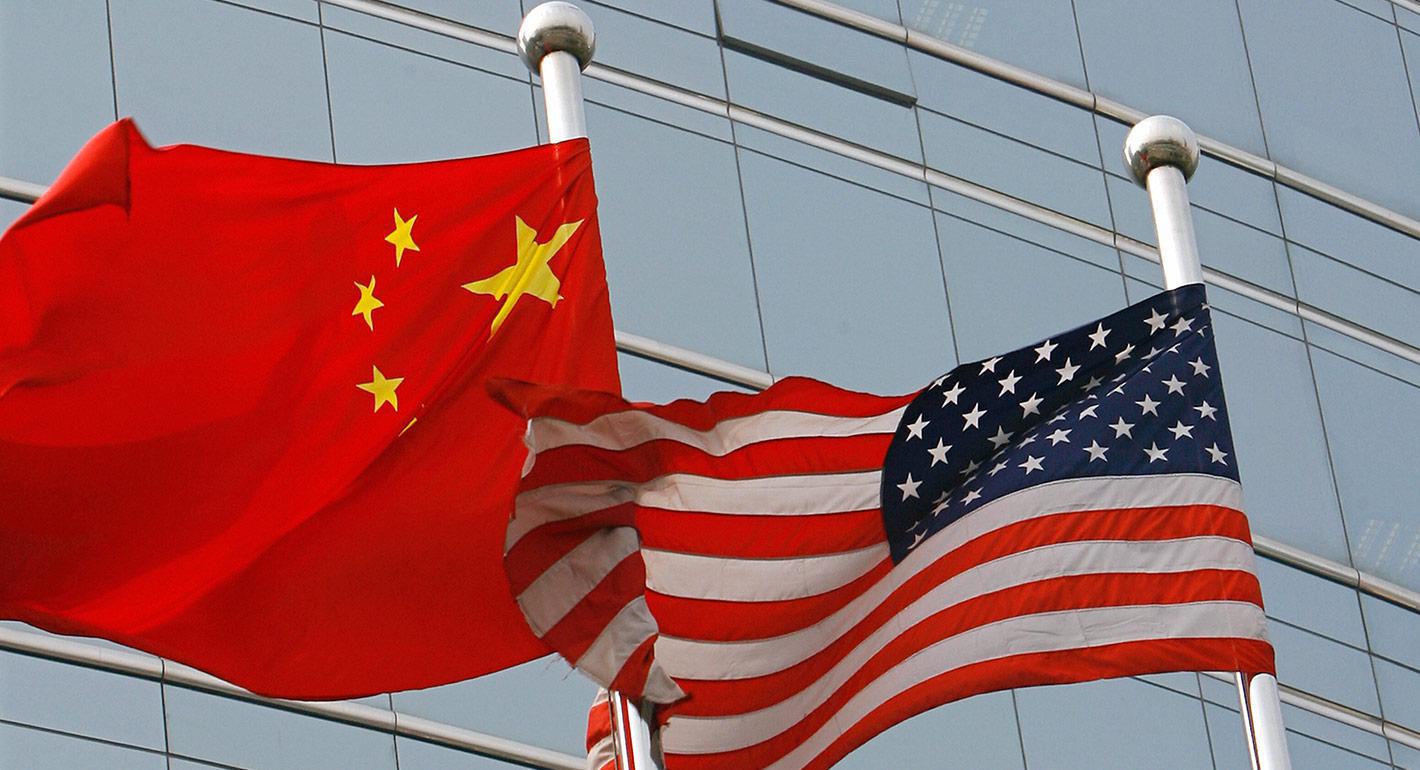
While the world hoped this pandemic might lead to more cooperation between these two great powers, American and Chinese leaders instead fell into a blame game and allowed their increasing suspicions to guide their decision-making.
Lyu Jinghua