

Article
Deborah Gordon, Stephen D. Ziman
{
  "authors": [
    "Deborah Gordon"
  ],
  "type": "legacyinthemedia",
  "centerAffiliationAll": "dc",
  "centers": [
    "Carnegie Endowment for International Peace"
  ],
  "collections": [],
  "englishNewsletterAll": "ctw",
  "nonEnglishNewsletterAll": "",
  "primaryCenter": "Carnegie Endowment for International Peace",
  "programAffiliation": "SCP",
  "programs": [
    "Sustainability, Climate, and Geopolitics"
  ],
  "projects": [
    "Carnegie Oil Initiative"
  ],
  "regions": [
    "North America"
  ],
  "topics": [
    "Climate Change"
  ]
}
Source: Getty
The shift from extracting, processing, and consuming conventional fuel sources to unconventional oils carries a host of still unknown consequences for international economics, technology development, and the environment.
Source: U.S. Embassy Berlin
Speaking at the U.S. Embassy in Berlin, Carnegie's Deborah Gordon explained that the global energy supply is witnessing a major shift in petroleum sources as production of conventional oils plateau and will soon begin a steady decline. Unlike the mostly homogeneous oils the world community has increasingly extracted, processed, and consumed for the last forty years, unconventional oils are both more difficult to tap and more varied in characteristics, Gordon said. Unconventional oils, however, are still fossil fuels, which means their emissions of carbon dioxide still contribute to climate change. Because the international community is in the early stages of exploration and extraction, the regulatory system that is currently held for conventional oils may not safeguard against the new, potential harms of unconventional oil production, Gordon concluded.

Former Director and Senior Fellow, Energy and Climate Program
Gordon was director of Carnegie’s Energy and Climate Program, where her research focuses on oil and climate change issues in North America and globally.
Recent Work
Deborah Gordon, Stephen D. Ziman
Deborah Gordon, Smriti Kumble, David Livingston
Carnegie does not take institutional positions on public policy issues; the views represented herein are those of the author(s) and do not necessarily reflect the views of Carnegie, its staff, or its trustees.
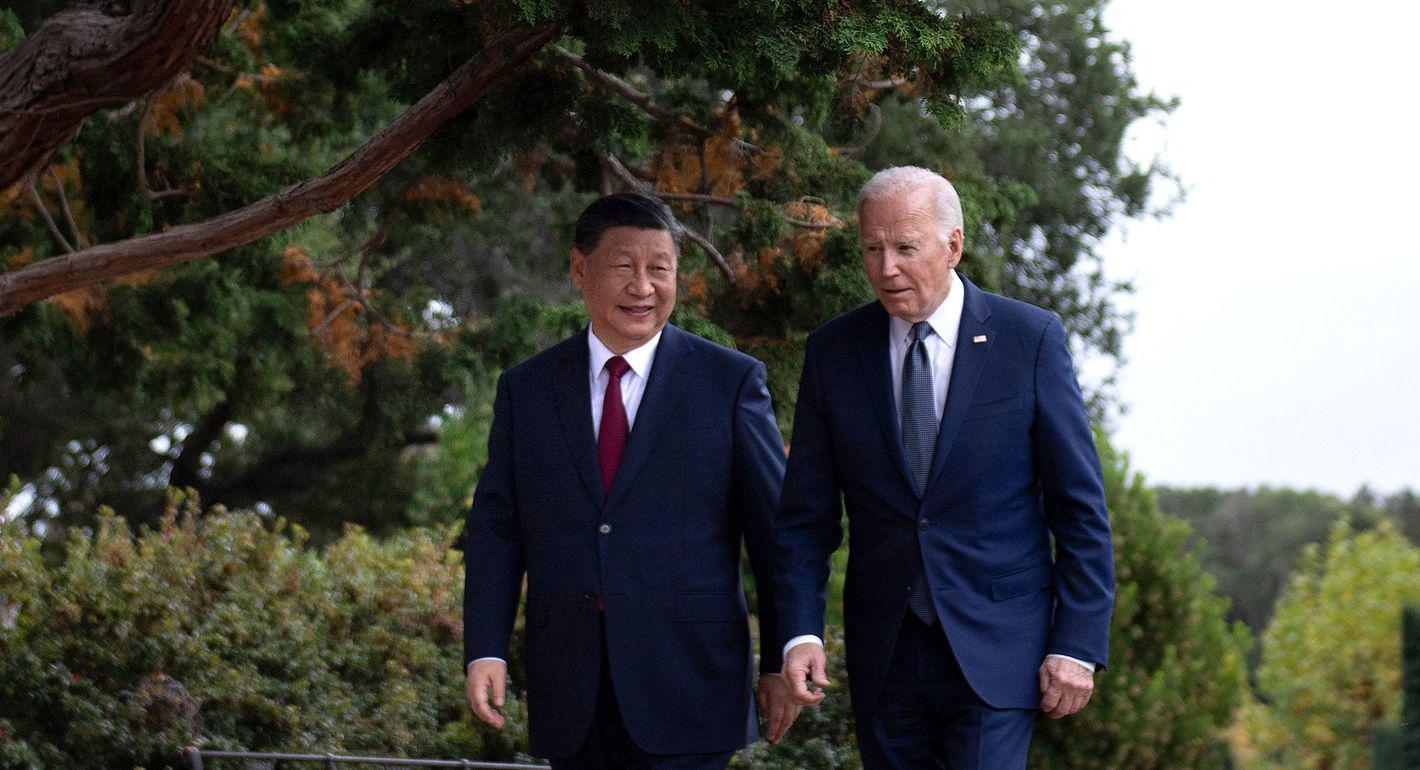
Carnegie China scholars share their assessment of the Biden-Xi meeting and its implications for U.S.-China relations going forward.



Paul Haenle, Xue Gong, Ngeow Chow Bing, …
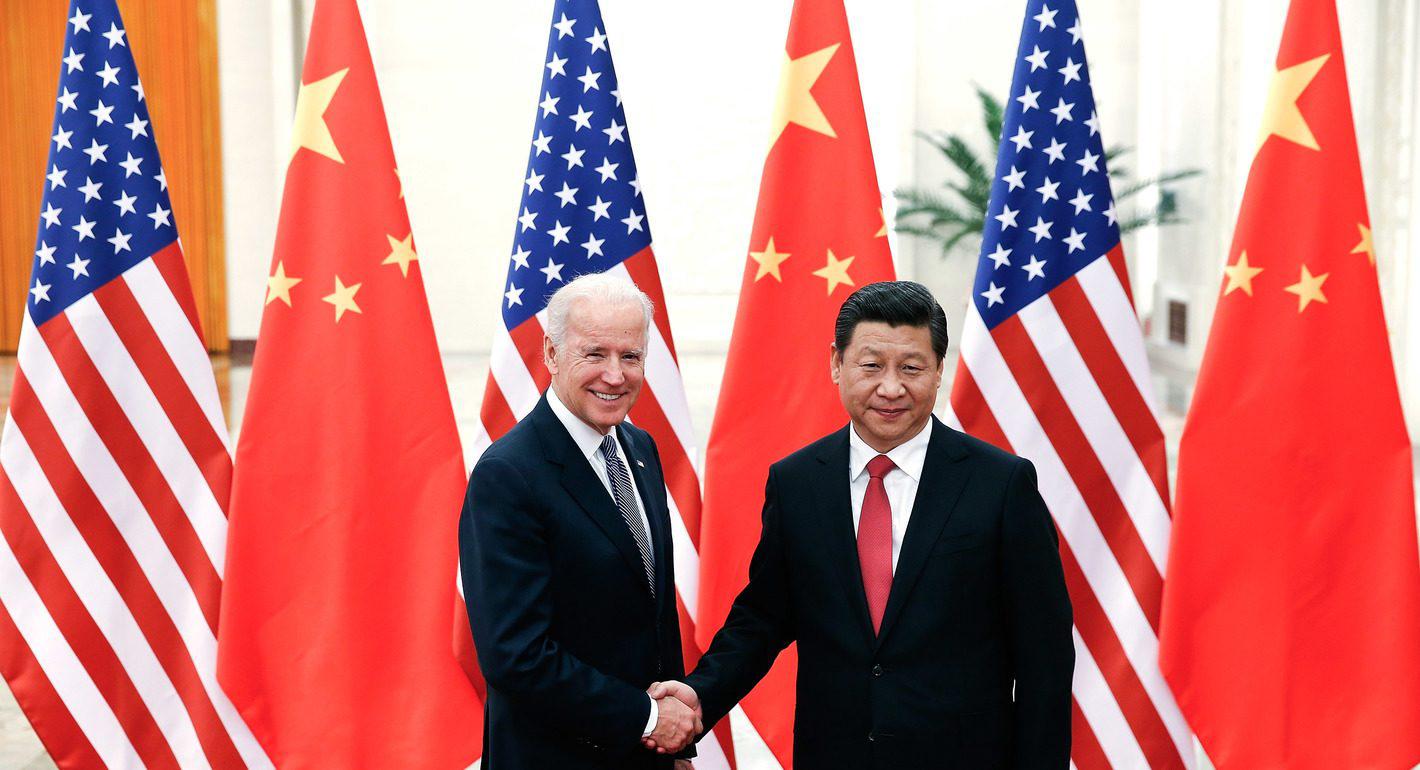
Southeast Asian capitals would prefer that the U.S. and PRC manage their relationship, if not get along.

Paul Haenle, Chong Ja Ian

As the world undergoes a new round of fragmentation and major power rivalry that includes the advancing of divergent visions of global order, Singapore is discovering that its interests are increasingly being pulled in different directions.
Chong Ja Ian
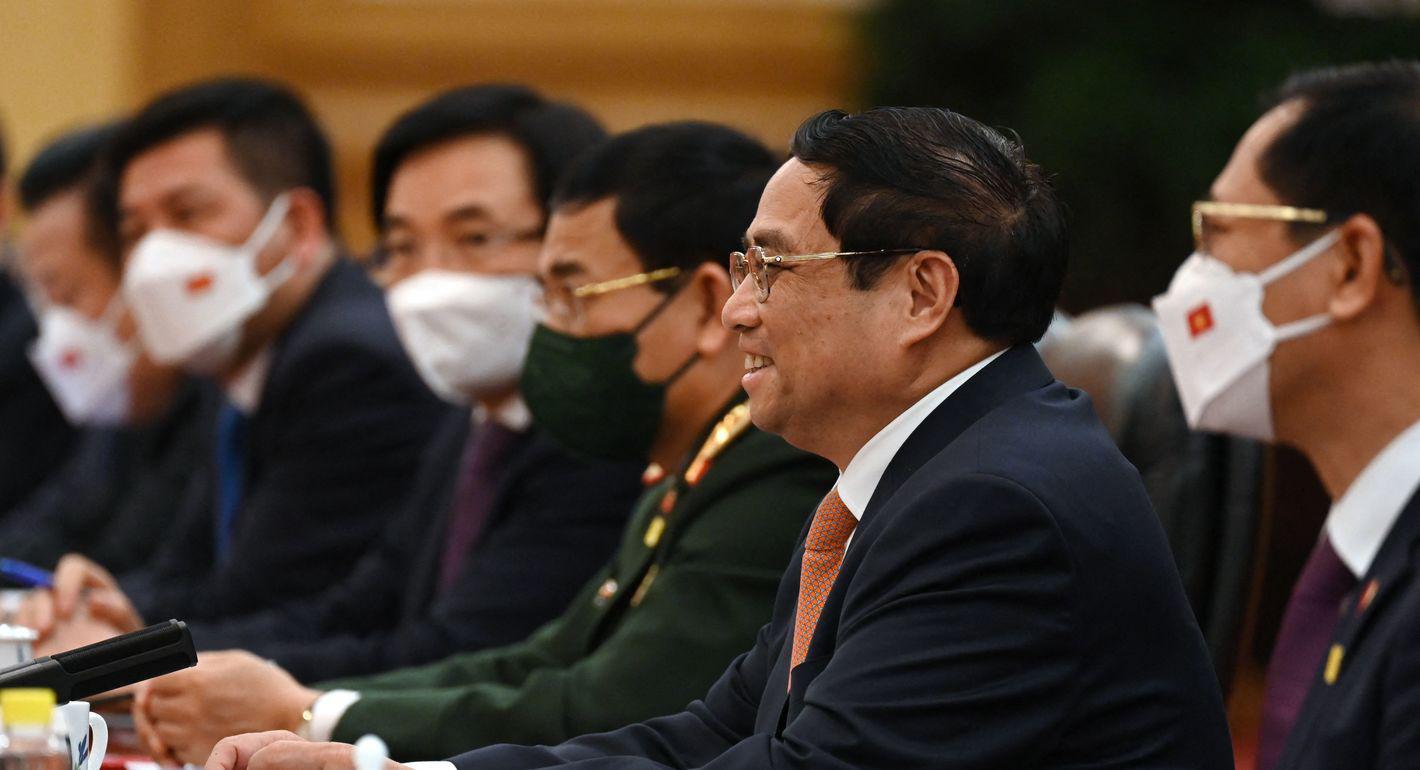
There is a certain level of restraint, but there is also a lingering distrust.

Paul Haenle, Huong Le Thu

China views U.S. missile defense as posing a greater potential threat to China’s nuclear deterrent than other U.S. military capabilities.

Tong Zhao, Dmitry Stefanovich