

Article
Frederic Wehrey, Charles H. Johnson
{
  "authors": [
    "Frederic Wehrey"
  ],
  "type": "legacyinthemedia",
  "centerAffiliationAll": "dc",
  "centers": [
    "Carnegie Endowment for International Peace"
  ],
  "collections": [
    "Arab Awakening"
  ],
  "englishNewsletterAll": "menaTransitions",
  "nonEnglishNewsletterAll": "",
  "primaryCenter": "Carnegie Endowment for International Peace",
  "programAffiliation": "MEP",
  "programs": [
    "Middle East"
  ],
  "projects": [],
  "regions": [
    "North Africa",
    "Libya"
  ],
  "topics": [
    "Political Reform",
    "Security"
  ]
}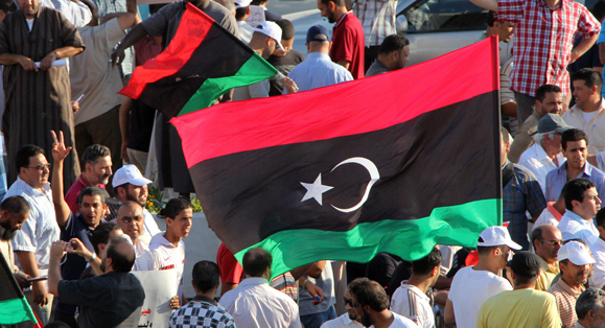
Source: Getty
The ultimate solution to the security challenges in Libya resides in improved governance and the construction of a cohesive national army.
Source: CNN International
In the wake of the attack on the U.S. consulate and the killing of four American citizens, including Ambassador Chris Stevens, the Libyan government has ordered all militias within the country to disband. Appearing on CNN International, Frederic Wehrey noted that this decision is “a positive signal, but will be a very long process.” In a sort of devil’s bargain, the Libyan government has subsidized these militias in the absence of a cohesive police force or army. “It is difficult to imagine these militias simply disarming or demobilizing and they should not be incorporated into the army and allowed to maintain their cohesion and identity,” asserted Wehrey. Indeed, the most effective mechanisms for ensuring these militias disband is to incentivize the young men that went to war against Qaddafi to go to school, receive vocational training or join the army as individuals. With the dust hardly settled and little answers, any linkages between the Salafi militias suspected in taking part in the attacks and al-Qaeda remain tenuous. Ultimately, Wehrey said, “This is a Libyan problem that needs to be addressed through government reform and the building of an army. The solution is better governance.”

Senior Fellow, Middle East Program
Frederic Wehrey is a senior fellow in the Middle East Program at the Carnegie Endowment for International Peace, where his research focuses on governance, conflict, and security in Libya, North Africa, and the Persian Gulf.
Recent Work
Frederic Wehrey, Charles H. Johnson
Frederic Wehrey, Charles H. Johnson
Carnegie does not take institutional positions on public policy issues; the views represented herein are those of the author(s) and do not necessarily reflect the views of Carnegie, its staff, or its trustees.

The Thai-Cambodian conflict highlights the limits to China's peacemaker ambition and the significance of this role on Southeast Asia’s balance of power.

Pongphisoot (Paul) Busbarat

Beijing believes that Washington is overestimating its own leverage and its ability to handle the trade war’s impacts.


Rick Waters, Sheena Chestnut Greitens
Tapping our network of China experts in the region, Carnegie China offers this latest “China Through a Southeast Asian Lens” report to offer preliminary assessments of whether the U.S. effort to reshape the global trading order will lead countries in the region to tilt toward Beijing.

Selina Ho, Khin Khin Kyaw Kyee, Joseph Ching Velasco, …
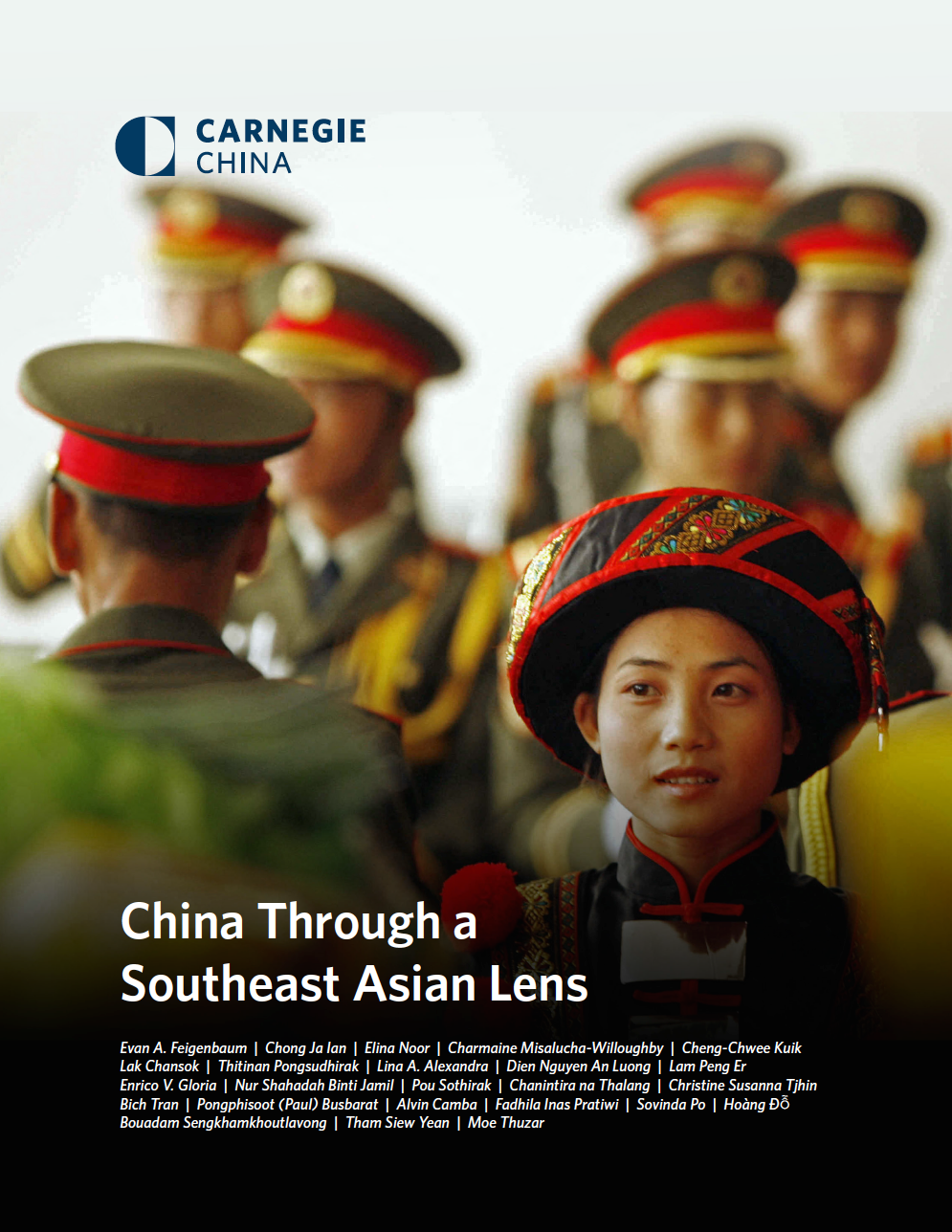
Because strategic, economic, and ideological perceptions of China contain multiple, sometimes contradictory facets in Southeast Asia, receptions of and responses to Beijing diverge across and within state lines.



Evan A. Feigenbaum, Chong Ja Ian, Elina Noor
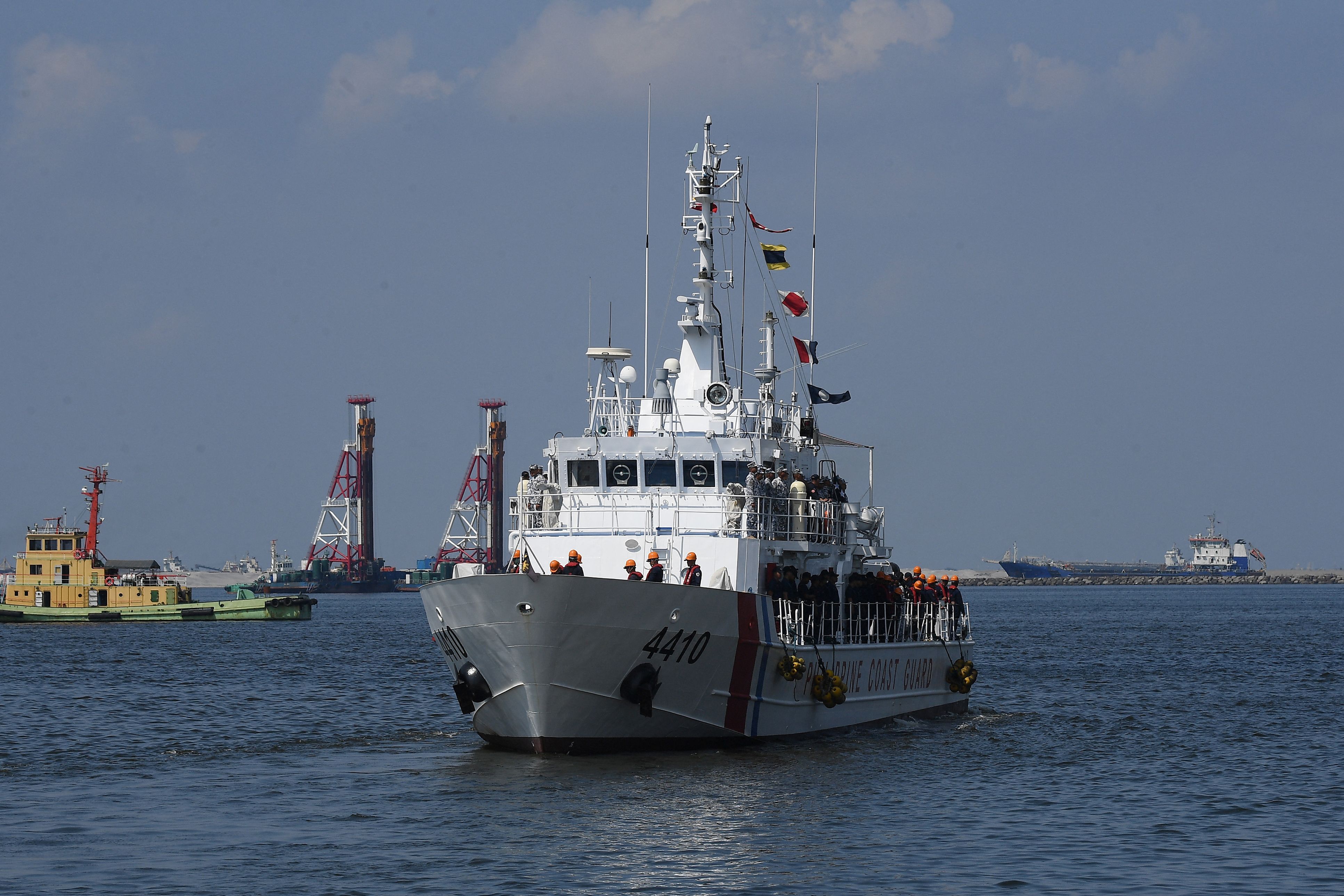
Most Southeast Asian states behave as if the actions of their Northeast Asian neighbors and the Philippines will be sufficient to maintain a regional status quo from which they can benefit.
Chong Ja Ian