

In The Media
Shahram Chubin
{
  "authors": [
    "Shahram Chubin"
  ],
  "type": "legacyinthemedia",
  "centerAffiliationAll": "",
  "centers": [
    "Carnegie Endowment for International Peace",
    "Carnegie Europe"
  ],
  "collections": [],
  "englishNewsletterAll": "",
  "nonEnglishNewsletterAll": "",
  "primaryCenter": "Carnegie Endowment for International Peace",
  "programAffiliation": "",
  "programs": [],
  "projects": [],
  "regions": [
    "Middle East"
  ],
  "topics": []
}
Source: Getty
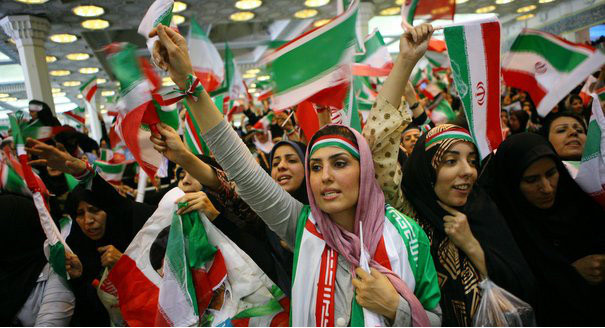
Since the start of the Arab Awakening, Tehran has confronted a less tractable regional environment, with allies weakened and adversaries emboldened.
Source: Gulf Research Center

Middle East politics are now increasingly national and local, resistant to transnational and trans-regional appeals to ‘resistance’ and to external influence.
How has Iran reacted to the tightening of the noose of international sanctions and the adverse trends noted in the region: the increased sectarian cleavage which is not in Iran’s favor; the new-found unity and determination of the GCC to confront Iran,if necessary; the defection of Hamas from the ‘resistance front’, the erosion of Iran’s regional appeal; and the weakening if not actual reversal of Assad’s Syria? In theory, Iran has three alternative responses:
In practice, Iran has done a little of all three, using nuclear negotiations to suggest at flexibility and seeking to divide the P5+1, with some receptivity in Russia and China. Iran has taken to selling its oil privately (i.e., through traders) rather than through governments. Nonetheless, sales have dipped and prices have been discounted, so the cost of sanctions is being felt.
Iran has often threatened desperate action if cornered, quoting the proposition that “either all are safe or no one is” an adage it sought to operationalize during the ‘tanker war’ with Iraq, in the 1980s. That episode ended badly for Iran, despite selective memory. As we have seen, Iran is already “pushing back” regionally in Yemen, Syria and possibly Iraq as well as in its ‘shadow war’ with Israel. It may continue to do this but is unlikely to “lash out”, as this would invite responses from US forces positioned nearby and at an all-time peak.
Finally, there is the domestic front where Iran calls sanctions a blessing and a test of the revolution’s principles, especially steadfastness. It will make sure that despite inflation, its core constituency is not adversely affected and will try and blame the discomfort on outside forces, while appealing for internal unity rather than factional rivalry or self-criticism.
Former Nonresident Senior Fellow, Nuclear Policy Program
Chubin, who is based in Geneva, focuses his research on nonproliferation, terrorism, and Middle East security issues. He was director of studies at the Geneva Centre for Security Policy, Switzerland, from 1996 to 2009.
Recent Work
Shahram Chubin
Shahram Chubin
Carnegie does not take institutional positions on public policy issues; the views represented herein are those of the author(s) and do not necessarily reflect the views of Carnegie, its staff, or its trustees.
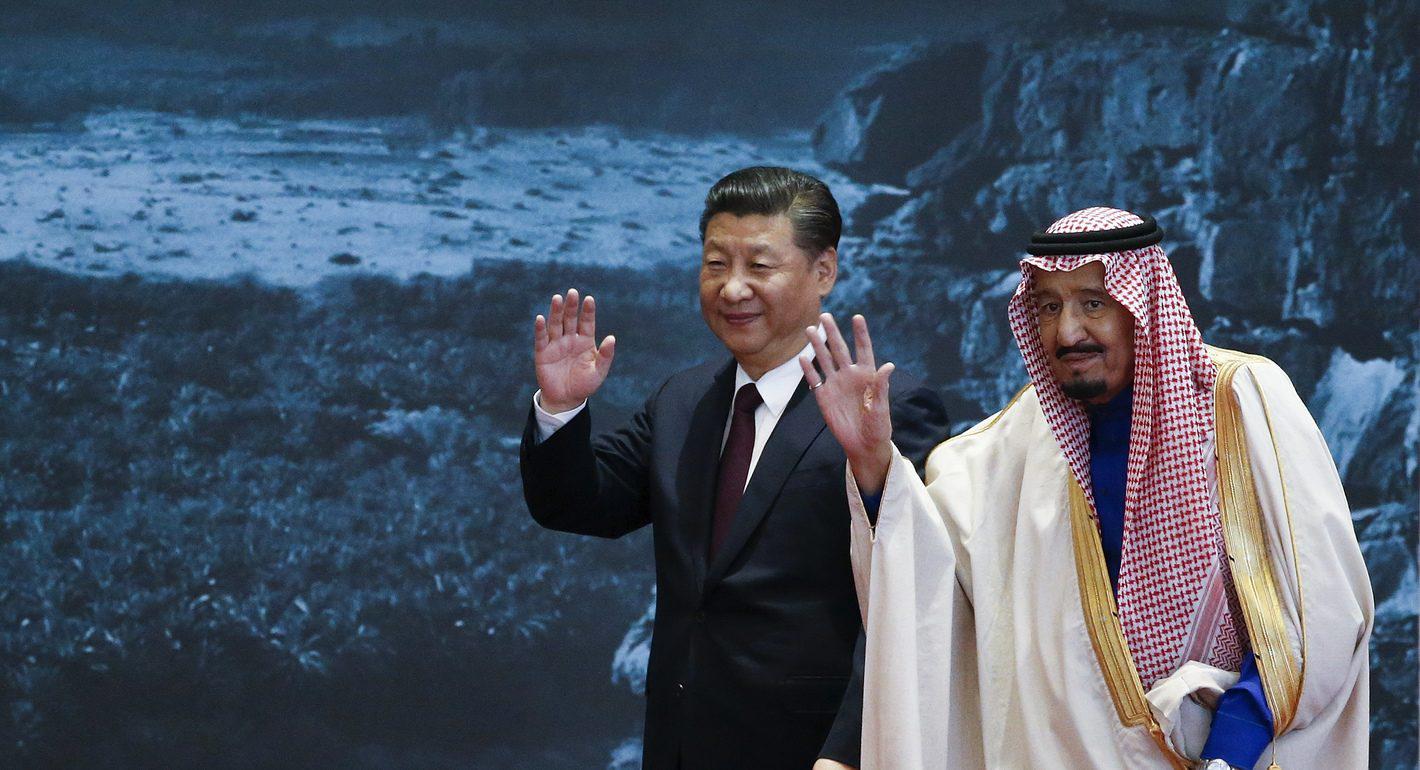
The advantage that China has over other global powers, especially America, is that its foreign policy is closely aligned with those of many of the Middle Eastern countries.

Jin Liangxiang, Maha Yahya, Hesham Alghannam
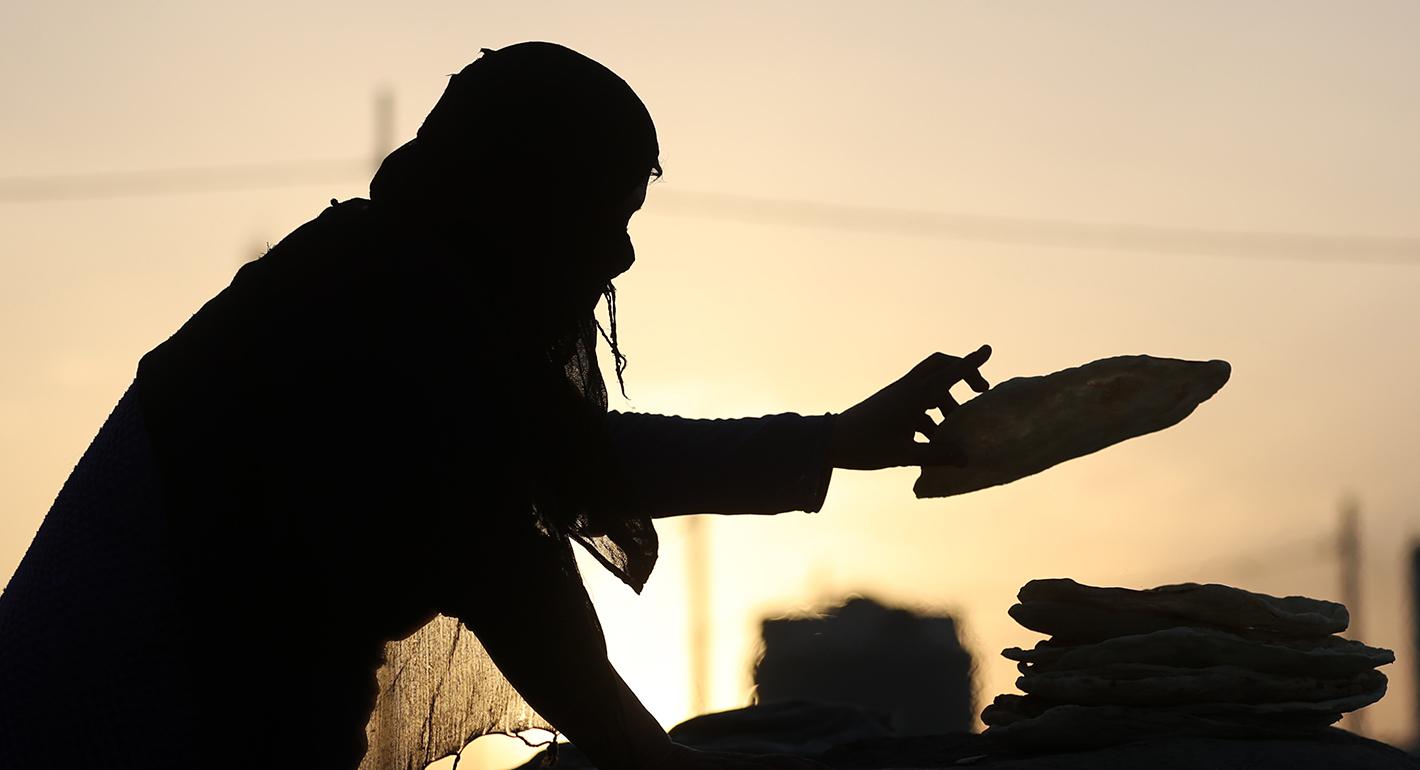
It’s about managing oil prices, bread prices, and strategic partnerships.



Amr Hamzawy, Karim Sadjadpour, Aaron David Miller, …
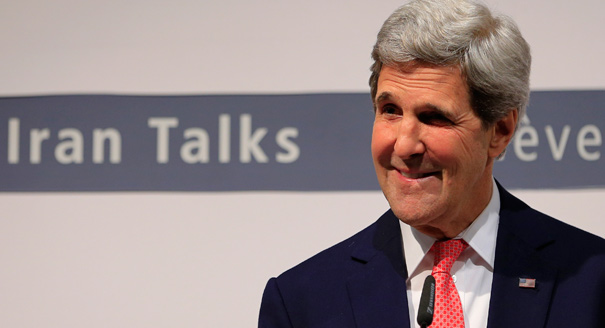
Fundamentally, it seems irrational to leave an agreement that’s working today out of a fixation on potential growth of Iran’s nuclear program more than a decade from now, when such growth could happen tomorrow if we unravel the agreement.
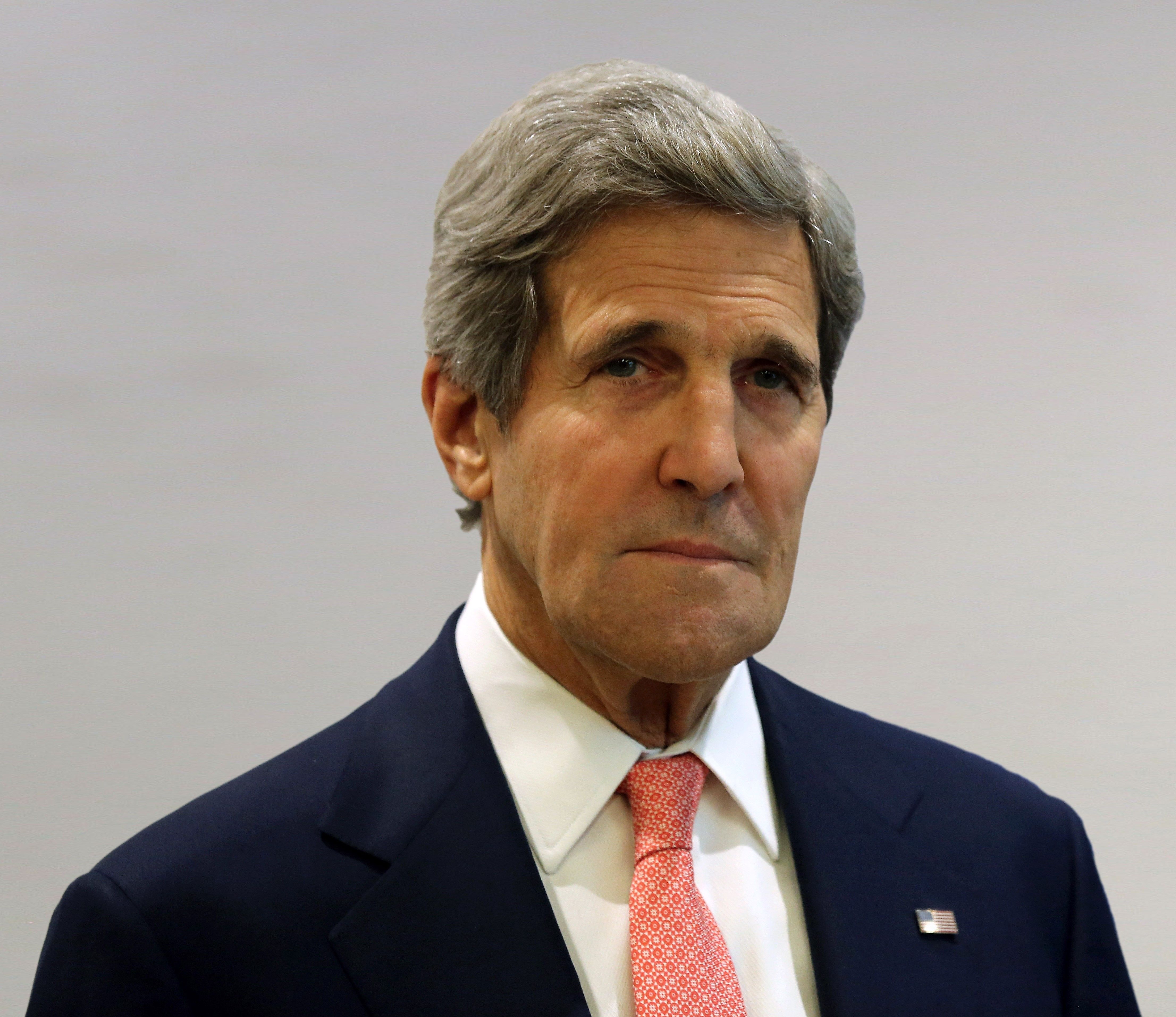
John Kerry
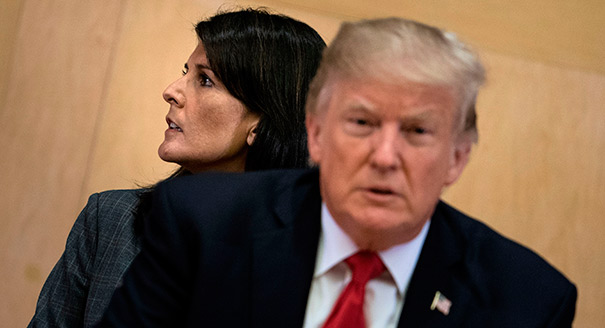
The smart way to get tough on Iran would be to commit to the nuclear deal, enforce it to the hilt, and work with global partners on a long-term strategy to deal with Iran’s challenge.
William J. Burns, Jake Sullivan
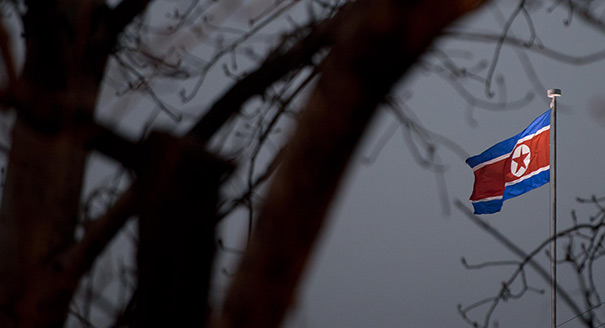
Increased tensions between the United States and Iran over the last couple days, along with U.S. President Donald Trump’s calls to end the Iran Nuclear Deal, could put Iran on the same path as North Korea as an imminent threat potentially needing military consideration.
Jake Sullivan