

Article
- +1
Toby Dalton, Mark Hibbs, Nicole Grajewski, …
{
  "authors": [
    "Mark Hibbs"
  ],
  "type": "legacyinthemedia",
  "centerAffiliationAll": "dc",
  "centers": [
    "Carnegie Endowment for International Peace"
  ],
  "collections": [],
  "englishNewsletterAll": "",
  "nonEnglishNewsletterAll": "",
  "primaryCenter": "Carnegie Endowment for International Peace",
  "programAffiliation": "NPP",
  "programs": [
    "Nuclear Policy"
  ],
  "projects": [],
  "regions": [
    "Middle East",
    "Iran"
  ],
  "topics": [
    "Nuclear Policy"
  ]
}
Source: Getty
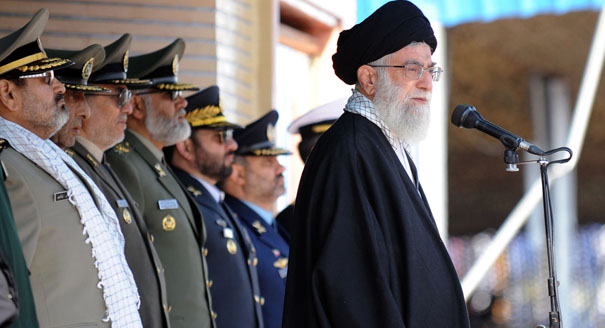
Although Iran has been making enriched uranium fuel, it is less clear if it is able to actually take nuclear material and make it into an explosive device.
Source: Sun News

"All these things are not trivial," Hibbs said, but "we know that Iran has been making the enriched uranium fuel, and they continue to do this." A report that came out this week speculates about how much of the needed fissile material Iran has, could make, and how it wants to use the material.
Hibbs pointed out, however, that it remains to be seen how much of the explosive work Iran can do or carry out to actually take nuclear material and make it into an explosive device. "It is a highly contentious issue," Hibbs said, adding "some evidence in the hands of the International Atomic Energy Agency explores this issue."
The concern for many people, Hibbs concluded, is the possibility that Iran still has undeclared, clandestine activities which no one knows about. "We don't really know much about what activities Iran has carried out outside of the declared activities."
Nonresident Senior Fellow, Nuclear Policy Program
Hibbs is a Germany-based nonresident senior fellow in Carnegie’s Nuclear Policy Program. His areas of expertise are nuclear verification and safeguards, multilateral nuclear trade policy, international nuclear cooperation, and nonproliferation arrangements.
Recent Work

Toby Dalton, Mark Hibbs, Nicole Grajewski, …
Mark Hibbs
Carnegie does not take institutional positions on public policy issues; the views represented herein are those of the author(s) and do not necessarily reflect the views of Carnegie, its staff, or its trustees.
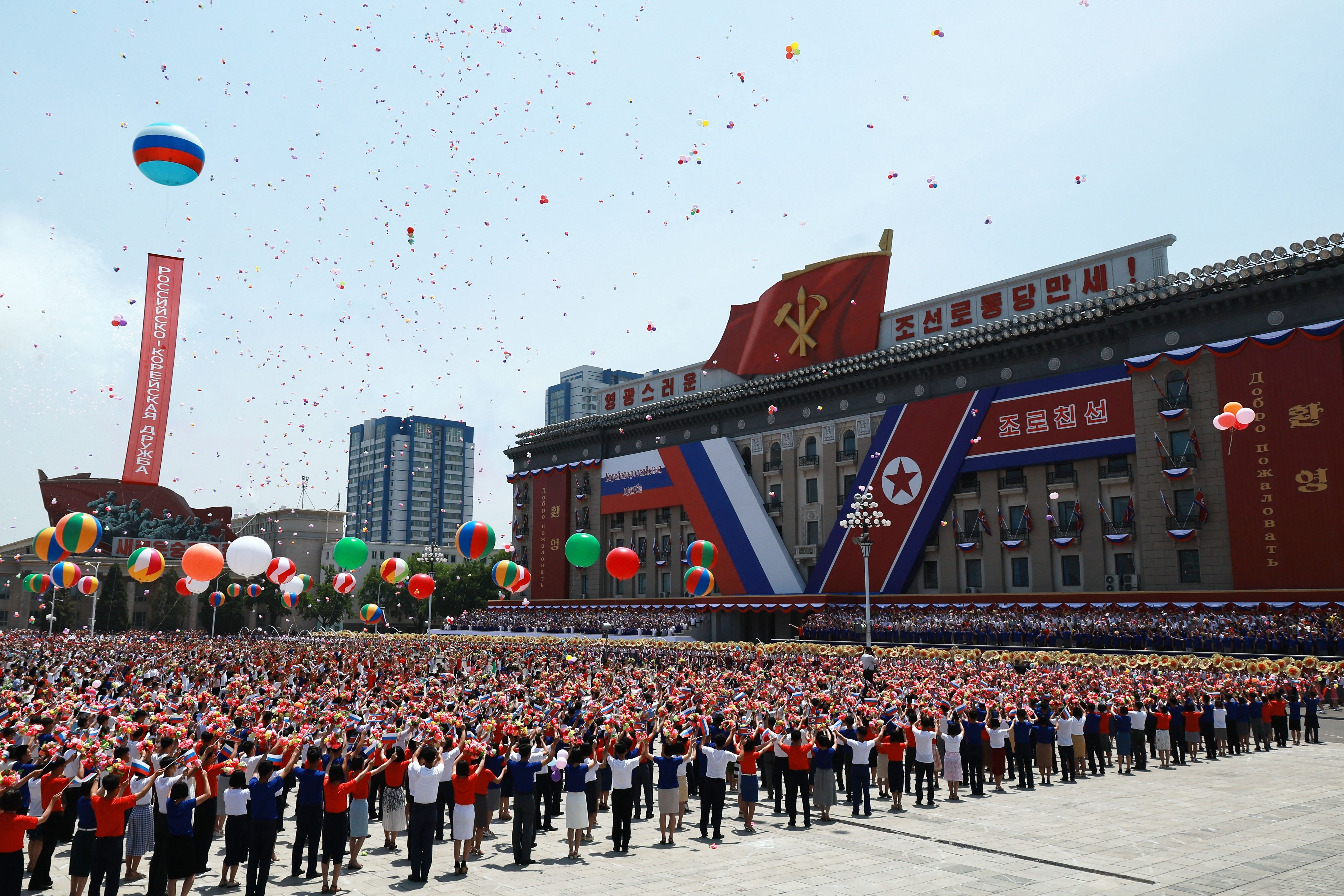
Faced with an increase in strategic maneuvering by Moscow and Pyongyang, Beijing will not sit idly by and allow Putin and Kim to shape the security environment on its behalf.

Tong Zhao
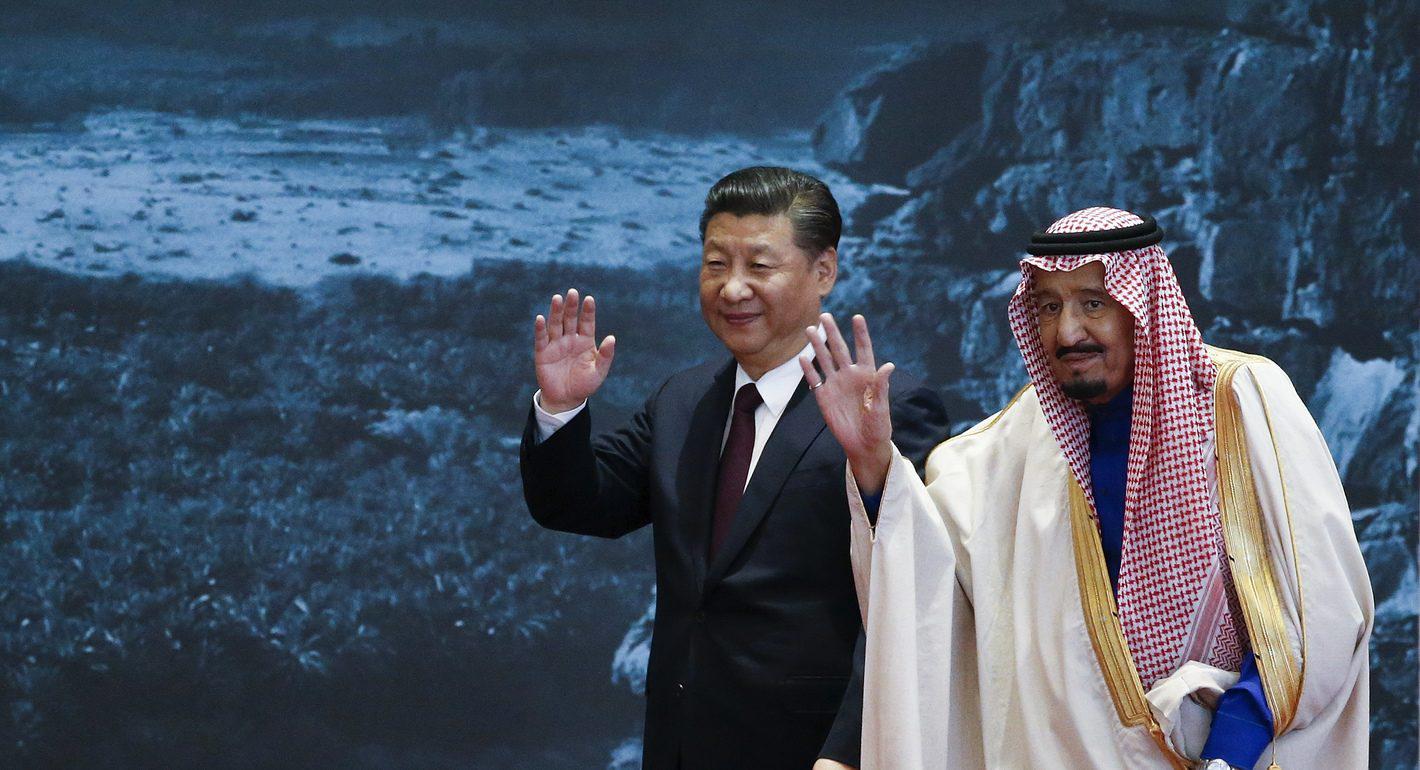
The advantage that China has over other global powers, especially America, is that its foreign policy is closely aligned with those of many of the Middle Eastern countries.


Jin Liangxiang, Maha Yahya, Hesham Alghannam

China views U.S. missile defense as posing a greater potential threat to China’s nuclear deterrent than other U.S. military capabilities.
Tong Zhao, Dmitry Stefanovich
“It’s not so clear how we’re going to get out of this.”

Paul Haenle, Philippe Le Corre

It’s about managing oil prices, bread prices, and strategic partnerships.



Amr Hamzawy, Karim Sadjadpour, Aaron David Miller, …