Nathalie Tocci, Jan Techau
{
"authors": [
"Jan Techau"
],
"type": "other",
"centerAffiliationAll": "",
"centers": [
"Carnegie Endowment for International Peace",
"Carnegie Europe"
],
"collections": [],
"englishNewsletterAll": "",
"nonEnglishNewsletterAll": "",
"primaryCenter": "Carnegie Europe",
"programAffiliation": "",
"programs": [],
"projects": [],
"regions": [
"Europe"
],
"topics": [
"Foreign Policy"
]
}Source: Getty
Remembrance Day Lecture
Peace is achieved through a permanent balancing of diverging interests and an understanding that work toward peace will never end; it must be achieved again and again.
Source: Flemish Parliament
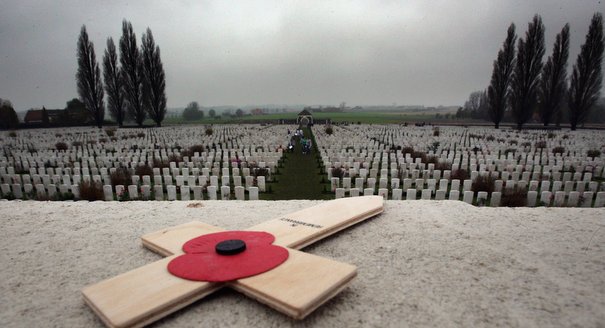
Each year, the Flemish Peace Institute, the Peace Fund of the City of Ypres, and the In Flanders Fields Museum commemorate the end of the First World War with a Remembrance Day Lecture. This year, Carnegie’s Jan Techau was invited to discuss his thoughts on war and peace on the eve of Armistice Day. Techau took this opportunity to discuss the process of peace in Europe and beyond.
Highlights
- Peace: Techau argued that peace, like health, is not an end state, but a continuous process. It is achieved through a permanent balancing of diverging interests and an understanding that work toward peace will never end; it must be achieved again and again.
- Europe and the Process of Peace: The EU is an ideal example of “peace as a process” rather than a “peace process,” Techau said. The EU created a mechanism to address and resolve past problems by applying commonly accepted rules that remove causes of conflict and in turn produce peace. This contrasts with the currently failing Middle East peace process which lacks machinery and commonly accepted rules, and therefore is unable to solve problems, he added. He argued that Europe has not lost its intrinsic instabilities and is still capable of war, genocide, jealousy, inflated nationalism, disregard for minorities, territorial disputes, racism, a lack of compassion, and other negative qualities, but it has the mechanisms to fight these negative trends.
- Europe and the World: Techau explained that over the last 60 years, Europe has focused on internal peace. It has shown little concern for its external role, as it outsourced its global strategic engagements to the United States in order to focus on pacifying itself. However, as U.S. defense priorities shift and EU integration with the world is becoming more profound, Europe is no longer able to continue to carry on this way, Techau contended. He stressed that Europe’s peace, wealth, freedom, and stability are no longer upheld internally, and Europe must look externally if it wants to maintain internal peace. He argued that Europe must become a more unified, stronger, and more self-confident global player, with a foreign policy and strategy, the means to implement them, and a willingness to tackle the tricky issues. Techau added that in order to maintain peace in a world that is increasingly interconnected, it is imperative that Europe go global with its peace mechanism.
- An Ambitious Europe: The problem, according to Techau, is less a lack of money and attention span than a lack of ambition. He defined this ambition as the will to survive, the aspiration to look at facts and developments in the world, and to do something about the issues coming Europe’s way. Lack of ambition results in a lack of solidarity, Techau said. Europe needs an ambitious foreign policy, not to dominate, but to survive. Techau concluded that Europe needs to be a force for good in the world, because few others want to be that, and few others can.
About the Author
Director, Europe Team, Eurasia Group
Techau is director with Eurasia Group's Europe team, covering Germany and European security from Berlin. Previously, he was director of Carnegie Europe.
- Can Europe Trust the United States Again?Commentary
- Pre-Reformation Europe and the Coming SchismCommentary
Jan Techau
Recent Work
Carnegie does not take institutional positions on public policy issues; the views represented herein are those of the author(s) and do not necessarily reflect the views of Carnegie, its staff, or its trustees.

More Work from Carnegie China
- Malaysia’s Year as ASEAN Chair: Managing DisorderCommentary
Malaysia’s chairmanship sought to fend off short-term challenges while laying the groundwork for minimizing ASEAN’s longer-term exposure to external stresses.

Elina Noor

- When It Comes to Superpower Geopolitics, Malaysia Is Staunchly NonpartisanCommentary
For Malaysia, the conjunction that works is “and” not “or” when it comes to the United States and China.
Elina Noor
- Neither Comrade nor Ally: Decoding Vietnam’s First Army Drill with ChinaCommentary
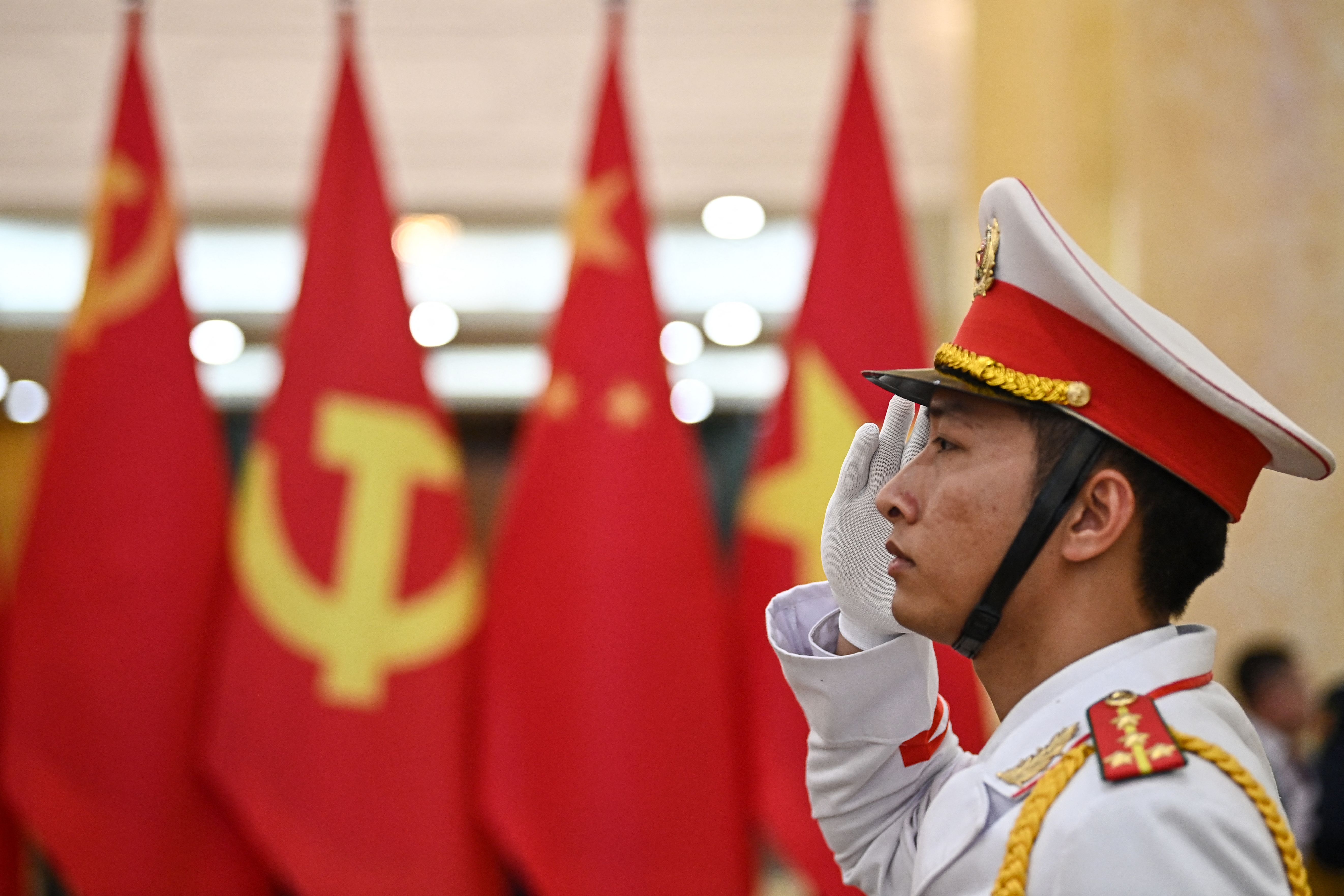
In July 2025, Vietnam and China held their first joint army drill, a modest but symbolic move reflecting Hanoi’s strategic hedging amid U.S.–China rivalry.

Nguyễn Khắc Giang
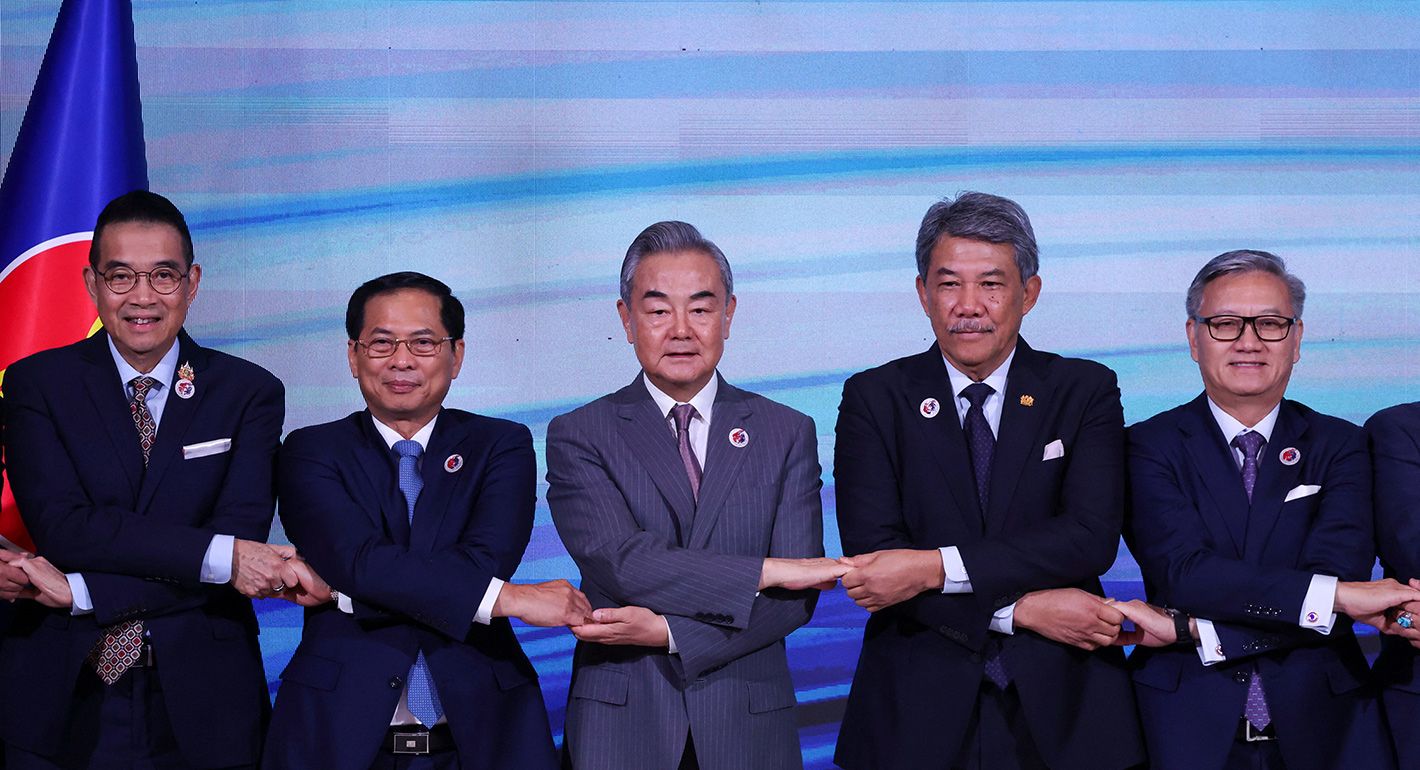
- China’s Mediation Offer in the Thailand-Cambodia Border Dispute Sheds Light on Beijing’s Security Role in Southeast AsiaCommentary
The Thai-Cambodian conflict highlights the limits to China's peacemaker ambition and the significance of this role on Southeast Asia’s balance of power.

Pongphisoot (Paul) Busbarat
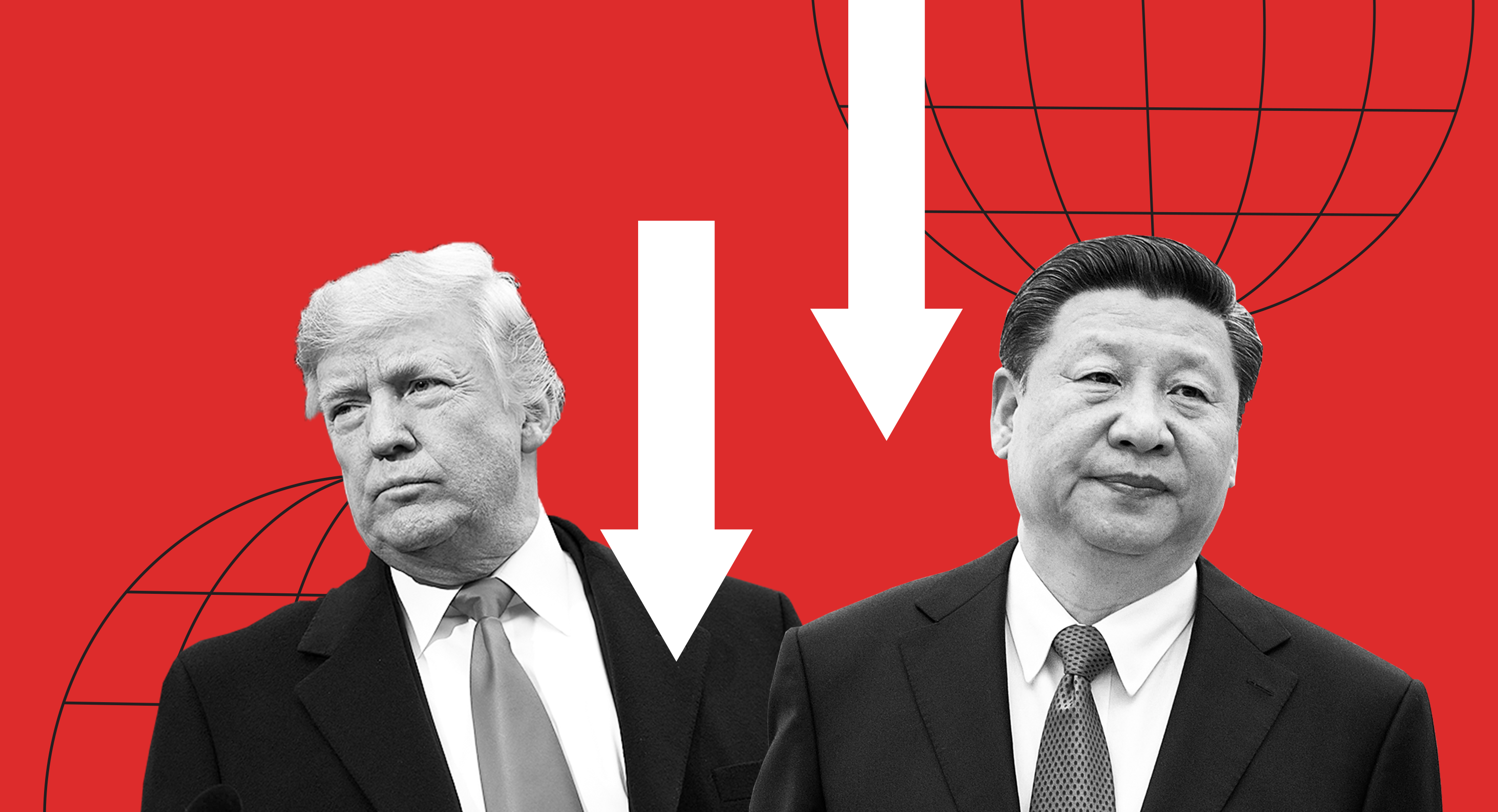
- China Is Determined to Hold Firm Against Trump’s PressureCommentary
Beijing believes that Washington is overestimating its own leverage and its ability to handle the trade war’s impacts.
Rick Waters, Sheena Chestnut Greitens