

Commentary
Marc Pierini
{
  "authors": [
    "Marc Pierini"
  ],
  "type": "legacyinthemedia",
  "centerAffiliationAll": "",
  "centers": [
    "Carnegie Endowment for International Peace",
    "Carnegie Europe",
    "Malcolm H. Kerr Carnegie Middle East Center"
  ],
  "collections": [
    "Europe’s Southern Neighborhood"
  ],
  "englishNewsletterAll": "",
  "nonEnglishNewsletterAll": "",
  "primaryCenter": "Carnegie Europe",
  "programAffiliation": "",
  "programs": [],
  "projects": [],
  "regions": [
    "Middle East",
    "Russia",
    "Syria"
  ],
  "topics": [
    "Political Reform"
  ]
}
Source: Getty
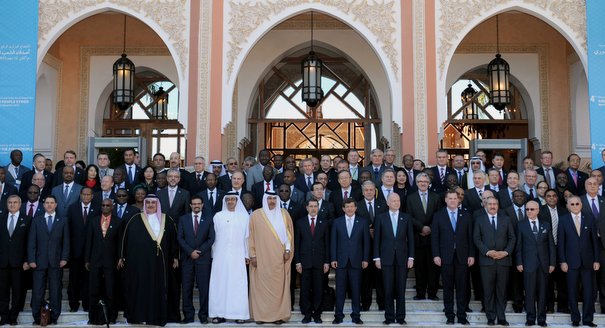
While the recent Friends of the Syrian Revolution and Opposition Forces meeting in Marrakesh was a diplomatic success for the National Coalition, many questions remain unanswered.
Source: Hürriyet Daily News

Although most press reports focused on discussions of weapons delivery to the rebellion, the Al-Nusra Front and the possible use of chemical weapons, other important themes were discussed.
In a forward-looking perspective, the Marrakesh Conclusions constitute the first real blueprint of the political and operational framework of a future Free Syrian government.Remarkably, this 43-article text provides the basic ingredients of a future Syrian democracy: national unity and territorial integrity of the State, Syrian-led political solutions to the conflict, inclusion of all components of Syrian society in the democratic process, a commitment to respecting human rights and recognition of the National Coalition’s legitimacy.
The text sketches out the operational guidelines for transitional justice, the handling of humanitarian assistance to local communities without discrimination and the reconstruction effort (Trust Fund), all to be led by the future transitional authority.
It remains to be seen how much acceptance the National Coalition’s leadership will garner – from all its components and from the Supreme Military Council of the rebel forces – for this broad framework. This is a crucial test.
Equally remarkable is what happened outside the Marrakesh meeting, especially the evolving Russian position. Without being overly optimistic, it now appears that the Western powers and Russia agree on at least three elements of the conflict: there is no room for a military solution; the political solution should be Syrian-led; and the use of chemical weapons by the Assad regime would be totally unacceptable. Both sides said it very clearly during the past few days. And NATO’s Supreme Allied Commander for Europe, Admiral Stavridis, the ultimate decision-maker for the use of Patriot missiles, was equally clear in his blog post dated Dec. 14.
Meanwhile, Russian support for Bashar al-Assad is fading away. Although it was later denied in part, it is remarkable that Deputy Foreign Minister Bogdanov was reported saying Dec. 13 that “an opposition victory cannot be ruled out,” while NATO’s Secretary General was making a similar statement. It is also notable that the Russian channel RT published on Dec. 11 an otherwise-unnoticed interview with the Ecuadorian president by a Brazilian newspaper where he offered asylum to Assad, if requested.
What remains an obstacle is Moscow’s insistence that negotiations with the regime should take place without asking for Assad’s departure. The question here is a simple one: what is there to negotiate with a leader whose forces randomly bomb civilians queuing up for bread, use ballistic missiles against ground fighters, torture children and shoot entire families in their houses? No rebellion leader will ever accept negotiating with Assad, as Moaz al-Khateeb said very clearly in Marrakesh. Let’s remember that if members of old regimes participated in transition processes in Tunisia and Egypt, it was only after the former leaders departed from power. Replicating such a process in Syria would imply identifying old regime figures with no blood on their hands and no prior involvement in military decisions.
Finally, the asymmetrical behavior between Russia and Western powers should be underlined: the latter has not accepted delivering weapons to rebels, while the former still resupplies the Assad regime on a daily basis. The sooner the realization is made in Moscow that the Assad regime is going nowhere else than the International Criminal Court, the better. What is at stake for Moscow is not only its standing in Syria, but also its image in Arab countries and in the world at large.
This article was originally published, in a slightly different form, by Hurriyet Daily News.

Senior Fellow, Carnegie Europe
Marc Pierini is a senior fellow at Carnegie Europe, where his research focuses on developments in the Middle East and Turkey from a European perspective.
Recent Work
Marc Pierini
Marc Pierini
Carnegie does not take institutional positions on public policy issues; the views represented herein are those of the author(s) and do not necessarily reflect the views of Carnegie, its staff, or its trustees.
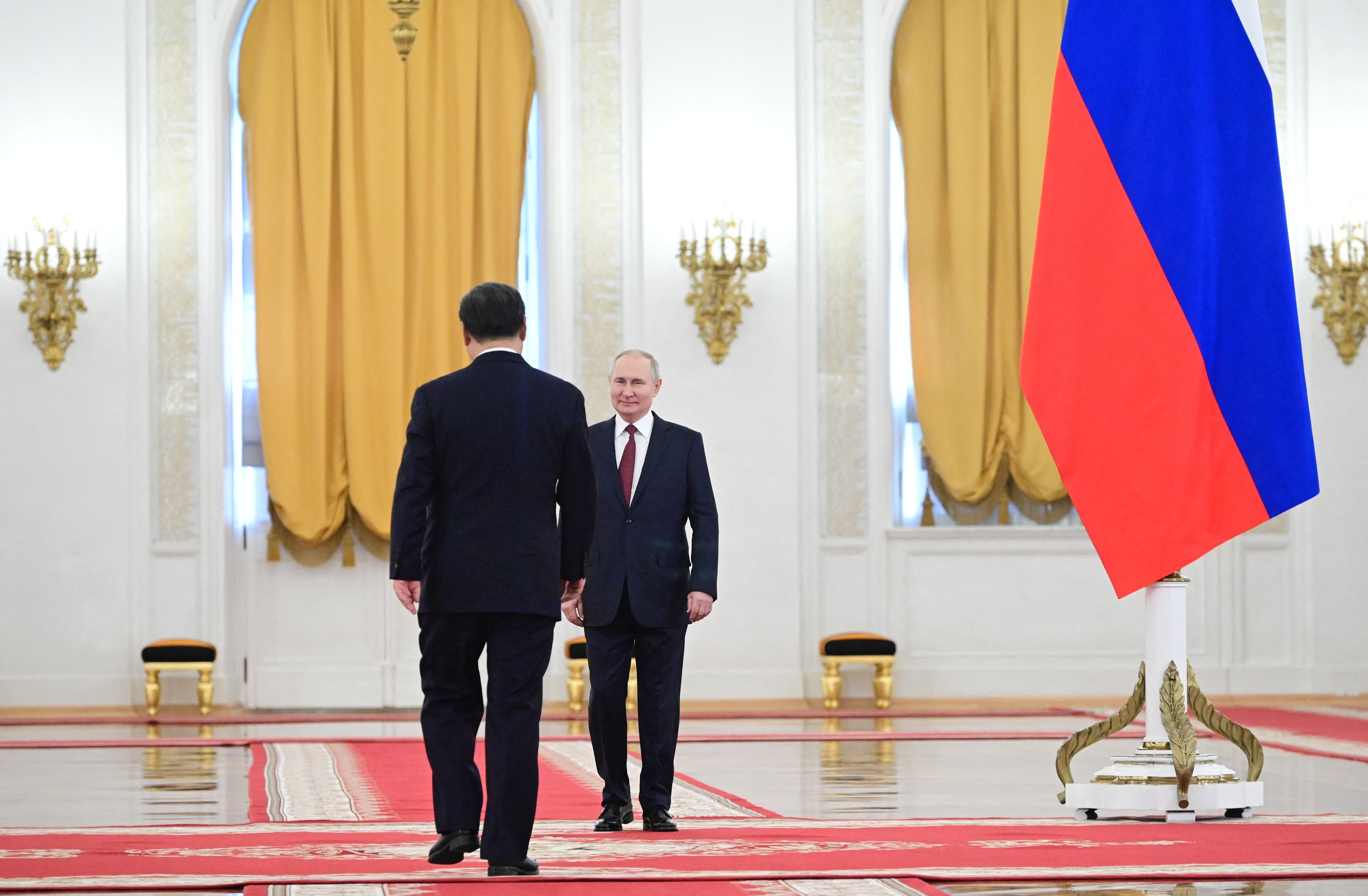
Beijing is trying to navigate the overall situation regarding Ukraine, especially the substance of interactions between Washington and Moscow.
Ellen Nakashima, Zhao Long, Pavlo Klimkin, …
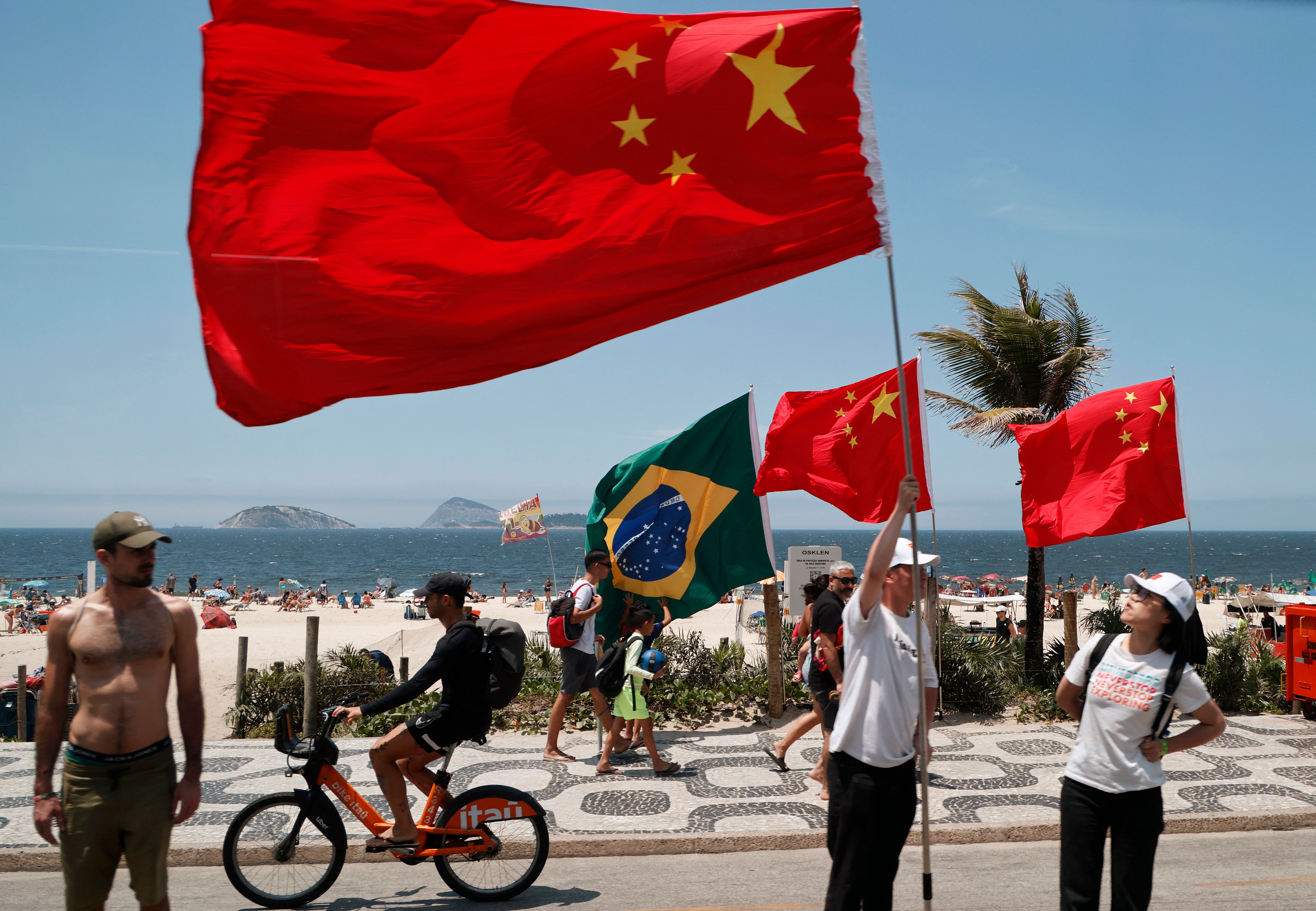
While China will remain a significant political and economic force in the Global South, its ambition to leverage the Global South as a counterbalance to the United States and the Global North is far from assured.

Xue Gong
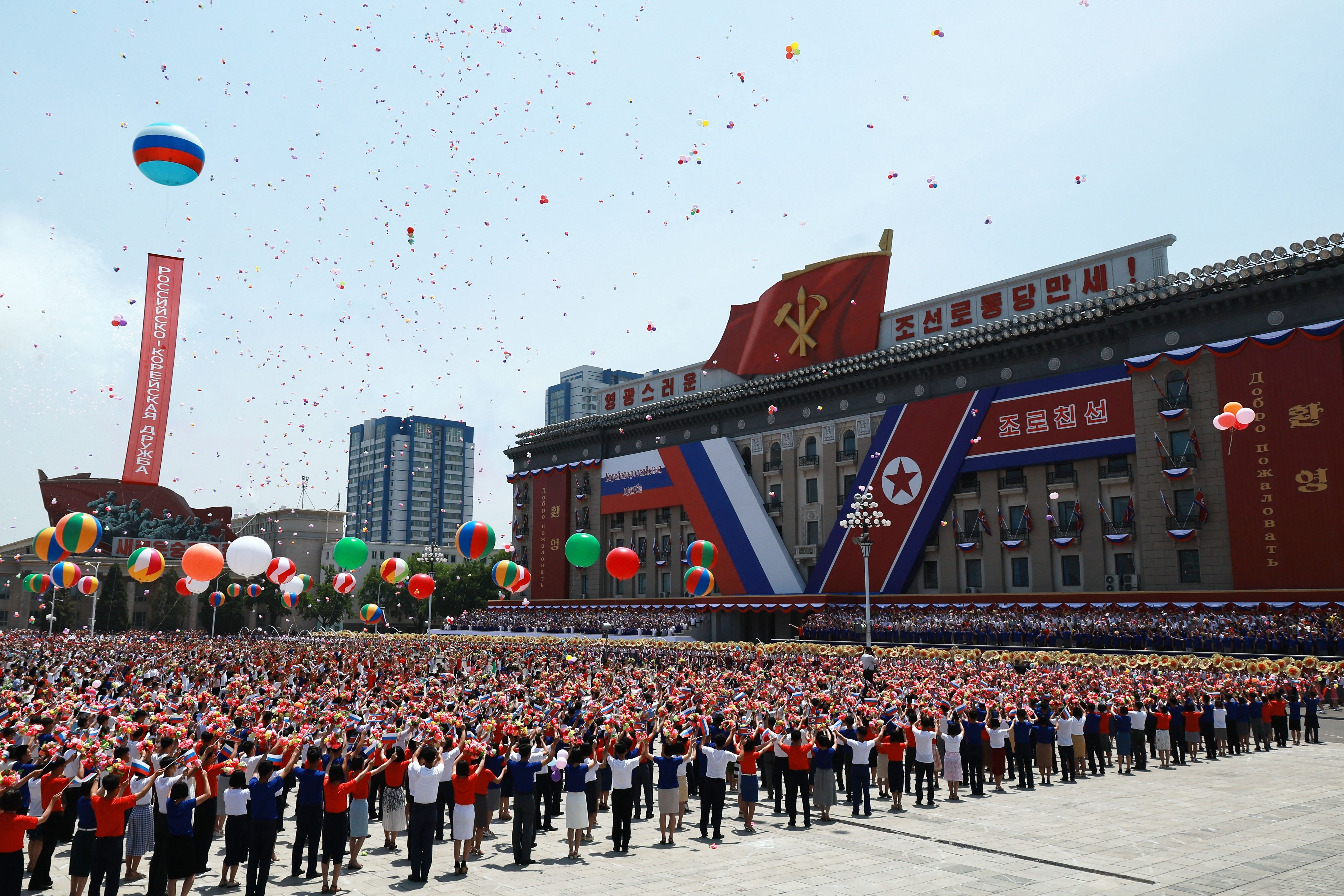
Faced with an increase in strategic maneuvering by Moscow and Pyongyang, Beijing will not sit idly by and allow Putin and Kim to shape the security environment on its behalf.

Tong Zhao
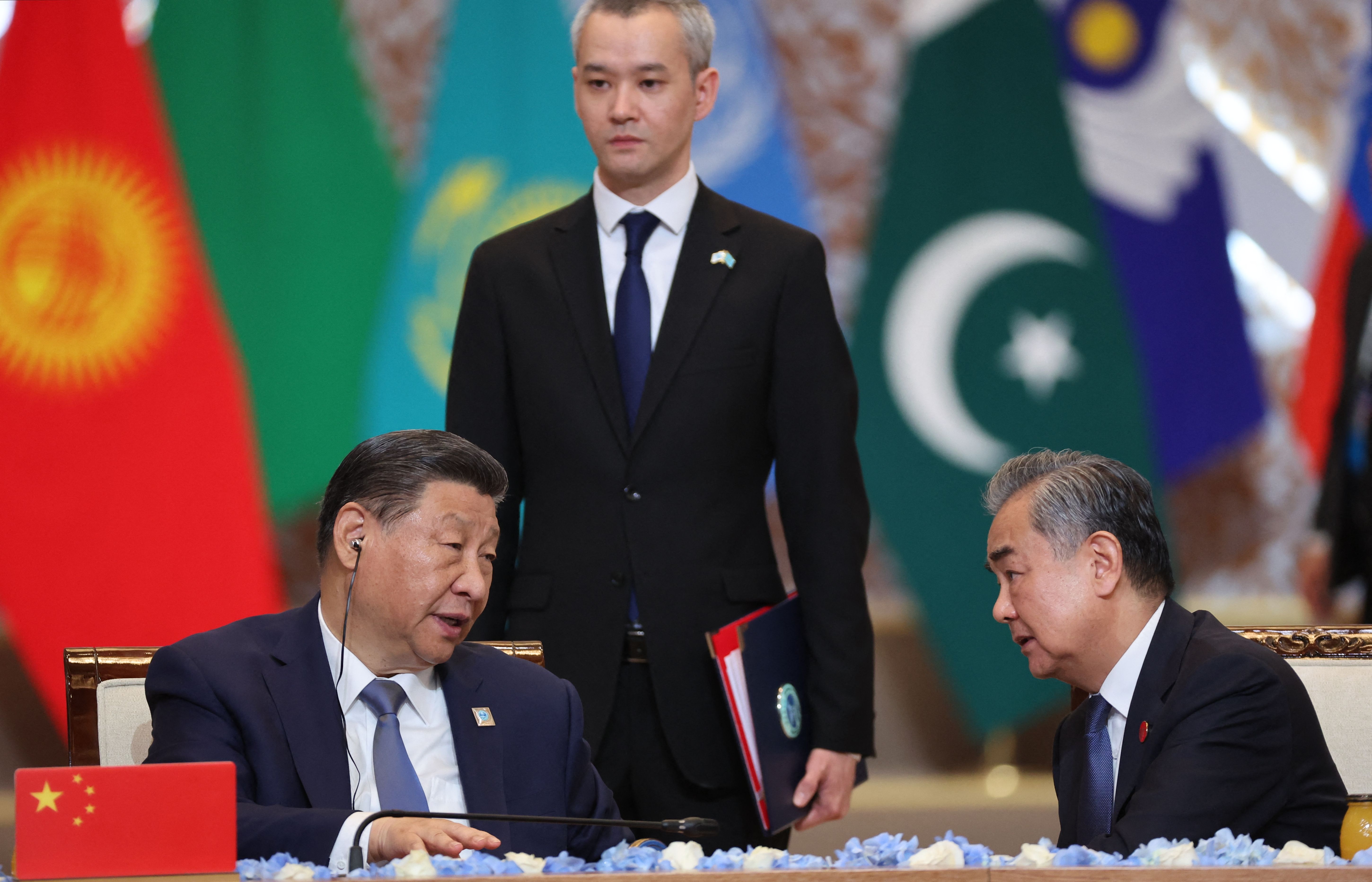
China’s growing attention to Central Asia is perceived as a harbinger of tectonic shifts in regional geopolitics.

Temur Umarov
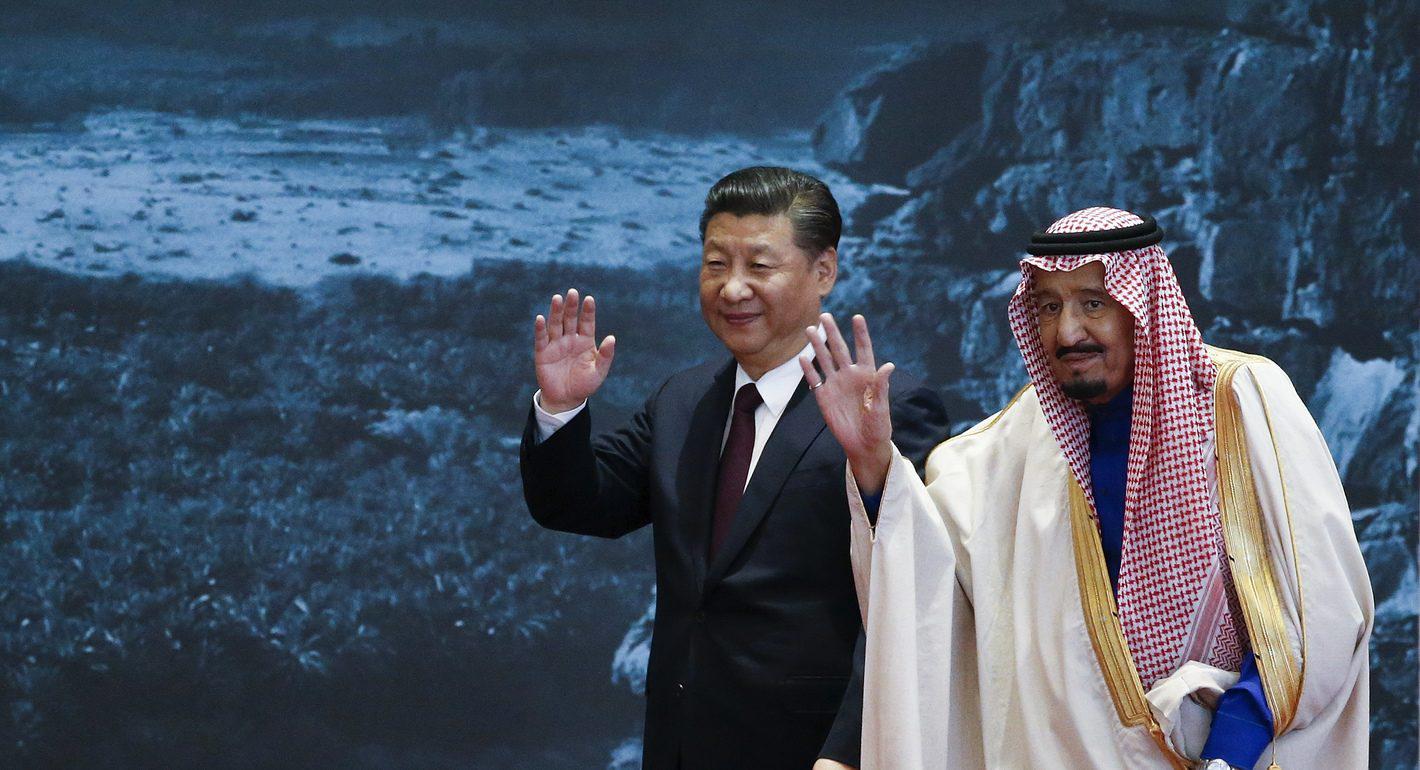
The advantage that China has over other global powers, especially America, is that its foreign policy is closely aligned with those of many of the Middle Eastern countries.


Jin Liangxiang, Maha Yahya, Hesham Alghannam