

Q&A
Raluca Csernatoni, Sinan Ülgen
{
  "authors": [
    "Sinan Ülgen"
  ],
  "type": "legacyinthemedia",
  "centerAffiliationAll": "",
  "centers": [
    "Carnegie Endowment for International Peace",
    "Carnegie Europe",
    "Malcolm H. Kerr Carnegie Middle East Center"
  ],
  "collections": [
    "Turkey’s Transformation",
    "Transatlantic Cooperation"
  ],
  "englishNewsletterAll": "",
  "nonEnglishNewsletterAll": "",
  "primaryCenter": "Carnegie Europe",
  "programAffiliation": "",
  "programs": [],
  "projects": [],
  "regions": [
    "Middle East",
    "Europe",
    "Türkiye",
    "Levant"
  ],
  "topics": [
    "Security",
    "Political Reform",
    "Economy"
  ]
}
Source: Getty
Over the course of a decade, Turkey has transformed itself from a status quo-oriented, peripheral member of NATO to an emerging power with an ambition to shape regional power dynamics.
Source: SAIS Review

Over the course of a decade, Turkey has transformed itself from a status quo-oriented, peripheral member of the North Atlantic Treaty Organization (NATO) to an emerging power with an ambition to shape regional power dynamics. This transformation was accomplished in two phases. In the first phase, backed by its impressive economic performance, Turkey emerged as an influential regional actor, prioritizing its soft power. The second, ongoing phase was prompted by the Arab Spring and Turkey’s need to respond to these changes. This paper examines the drivers of both transformation phases and evaluates the consequences for Turkey’s relations with its neighbors.
This article was originally published in SAIS Review, Vol. 32, No. 2, Summer-Fall 2012.

Senior Fellow, Carnegie Europe
Sinan Ülgen is a senior fellow at Carnegie Europe in Brussels, where his research focuses on Turkish foreign policy, transatlantic relations, international trade, economic security, and digital policy.
Recent Work

Raluca Csernatoni, Sinan Ülgen

Catherine Hoeffler, Sinan Ülgen
Carnegie does not take institutional positions on public policy issues; the views represented herein are those of the author(s) and do not necessarily reflect the views of Carnegie, its staff, or its trustees.

In the latest Five-Year Plan, the Chinese president cements the shift to an innovation-driven economy over a consumption-driven one.

Damien Ma

Rather than climate ambitions, compatibility with investment and exports is why China supports both green and high-emission technologies.

Mathias Larsen
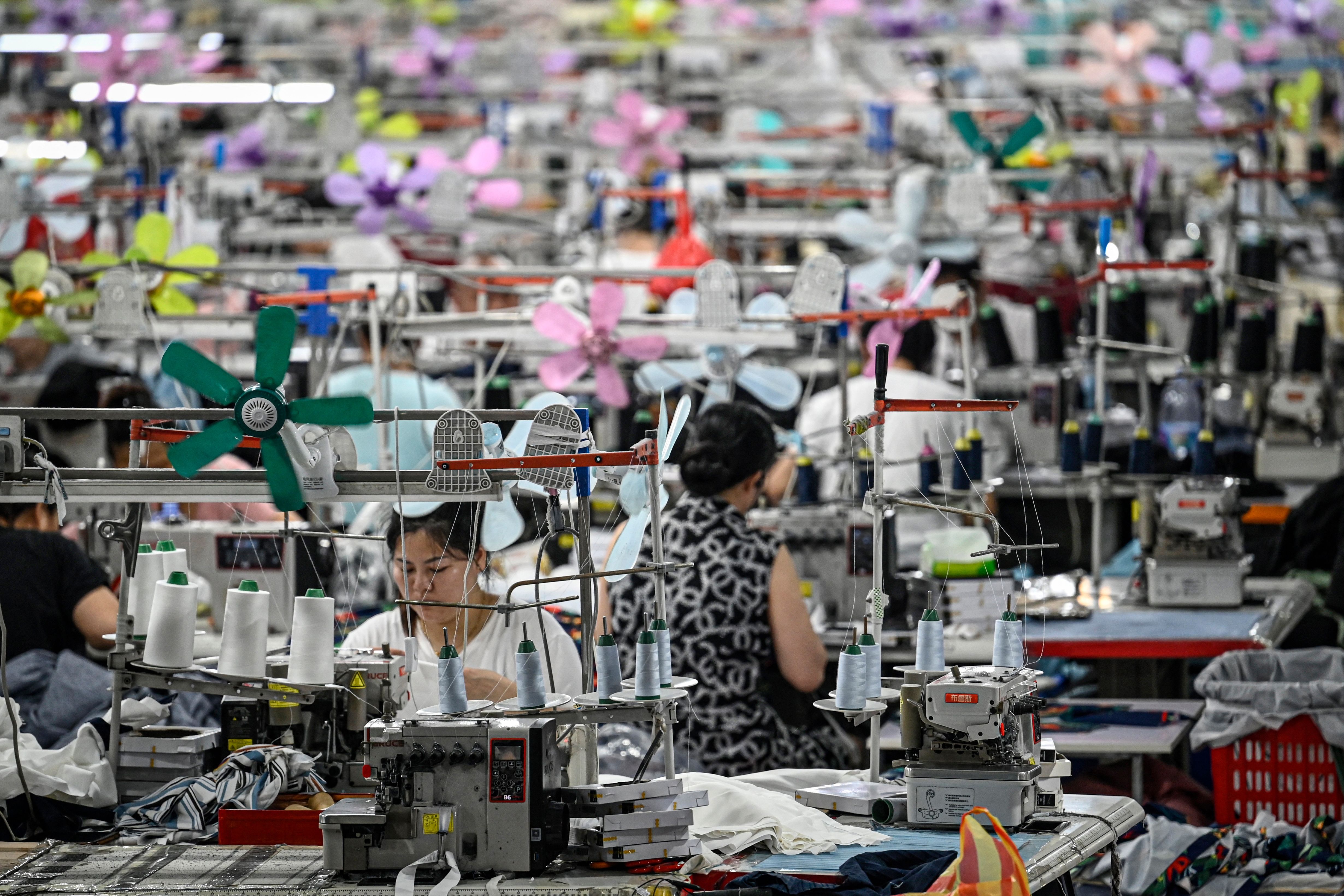
“Involution” is a new word for an old problem, and without a very different set of policies to rein it in, it is a problem that is likely to persist.

Michael Pettis

While China's investment story seems contradictory from the outside, the real answers to Beijing's high-quality growth ambitions are hiding in plain sight across the nation's cities.
Yuhan Zhang

The Thai-Cambodian conflict highlights the limits to China's peacemaker ambition and the significance of this role on Southeast Asia’s balance of power.

Pongphisoot (Paul) Busbarat