

Paper
Matthew Rojansky
{
  "authors": [
    "Matthew Rojansky"
  ],
  "type": "other",
  "centerAffiliationAll": "dc",
  "centers": [
    "Carnegie Endowment for International Peace",
    "Carnegie Russia Eurasia Center"
  ],
  "collections": [],
  "englishNewsletterAll": "ctw",
  "nonEnglishNewsletterAll": "",
  "primaryCenter": "Carnegie Endowment for International Peace",
  "programAffiliation": "russia",
  "programs": [
    "Russia and Eurasia"
  ],
  "projects": [],
  "regions": [
    "North America",
    "United States",
    "Russia"
  ],
  "topics": [
    "Foreign Policy"
  ]
}
Source: Getty
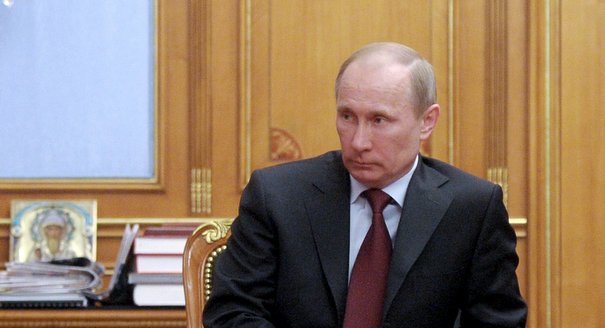
Russia's perceptions of itself have a very real affect on its bilateral relations with the United States.
Source: U.S. Naval War College
Speaking at the U.S. Naval War College, Carnegie's Matthew Rojansky examined how Russia's perceptions of itself can affect U.S.-Russian relations. He explained that Russia's leaders are cautious, since President Putin's team was shaped by the experience of the demise of the Soviet superpower. They see the world as unpredictable and are unlikely to espouse any sense of central guidance or historical finality. While they see Russia as one of the clearer voices in a multipolar world and are not immune to the attraction of turning to Western powers, relations are strained by a recurring sense of exclusion by what Russians perceive as double standards.In reality, despite ill-adapted attempts to re-launch its business climate, Russia's situation remains stable and the country does still occupy, by default, the position of most vocal nation outside the Western bloc, Rojansky explained. However, it falls short of being a trusted intermediary for conflict resolution. The United States could try to improve relations by developing a proper framework for U.S.-Russia relations and by giving the existent bilateral presidential commission the power to invest in long-term projects.

Former Deputy Director, Russia and Eurasia Program
Rojansky, formerly executive director of the Partnership for a Secure America, is an expert on U.S. and Russian national security and nuclear-weapon policies.
Recent Work
Matthew Rojansky
Matthew Rojansky
Carnegie does not take institutional positions on public policy issues; the views represented herein are those of the author(s) and do not necessarily reflect the views of Carnegie, its staff, or its trustees.

Malaysia’s chairmanship sought to fend off short-term challenges while laying the groundwork for minimizing ASEAN’s longer-term exposure to external stresses.

Elina Noor

For Malaysia, the conjunction that works is “and” not “or” when it comes to the United States and China.
Elina Noor
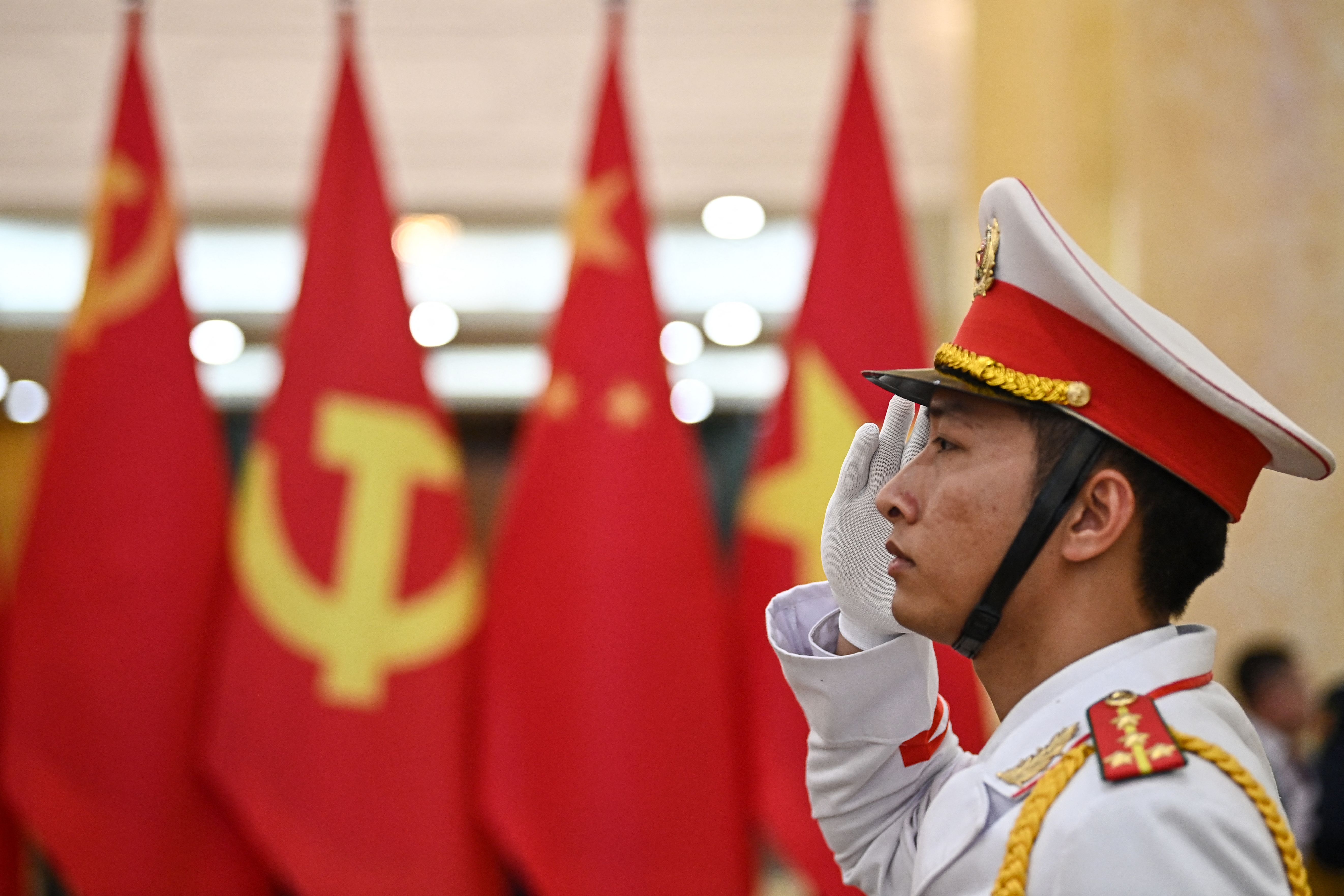
In July 2025, Vietnam and China held their first joint army drill, a modest but symbolic move reflecting Hanoi’s strategic hedging amid U.S.–China rivalry.

Nguyễn Khắc Giang

Regulation, not embargo, allows Beijing to shape how other countries and firms adapt to its terms.
Alvin Camba
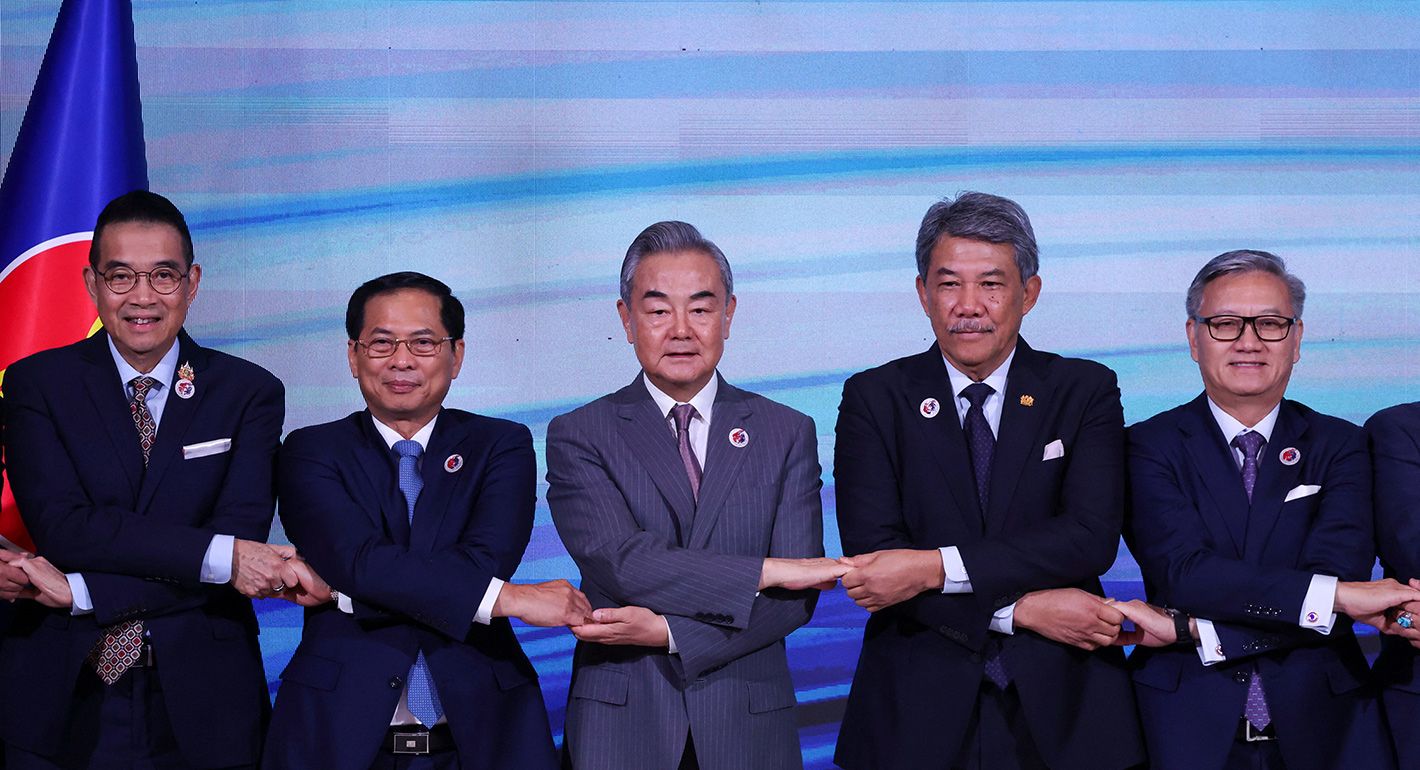
The Thai-Cambodian conflict highlights the limits to China's peacemaker ambition and the significance of this role on Southeast Asia’s balance of power.

Pongphisoot (Paul) Busbarat