

Commentary
Uri Dadush
{
  "authors": [
    "Uri Dadush"
  ],
  "type": "legacyinthemedia",
  "centerAffiliationAll": "",
  "centers": [
    "Carnegie Endowment for International Peace",
    "Carnegie Europe"
  ],
  "collections": [],
  "englishNewsletterAll": "",
  "nonEnglishNewsletterAll": "",
  "primaryCenter": "Carnegie Endowment for International Peace",
  "programAffiliation": "",
  "programs": [],
  "projects": [],
  "regions": [
    "Western Europe",
    "North America"
  ],
  "topics": [
    "Economy",
    "Trade",
    "EU"
  ]
}
Source: Getty
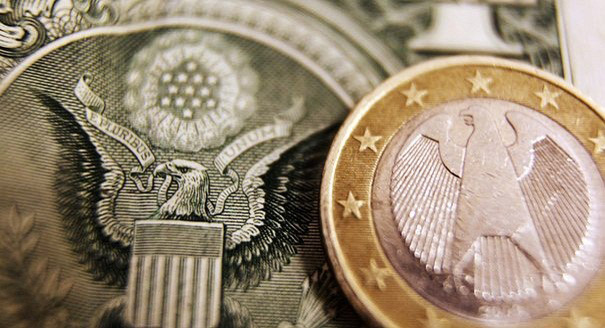
The Cypriot banking crisis reveals the danger of the euro crisis incapacitating Europe and the global economy more broadly.
Source: NPR To The Point
Speaking on NPR's To the Point, Carnegie's Uri Dadush discussed the state of the banking crisis engulfing Cyprus and its implications on the euro zone. After Cypriot politicians ruled out an ECB levy on bank deposits, which are seven times larger than Cyprus' GDP, banks continued closure for yet another week. Dadush asserted that the ECB's decision to pursue the tax on deposits was "legally dubious, morally unjustified, managerially inept, and economically stupid." Setting a very dangerous precedent and potentially unleashing a panic and bank run, the pressure on countries in Europe continues to grow. Dadush suggested other channels through which the adequate funding would reach Cyprus, including the restructuring of government debt or perhaps borrowing against the collateral of its expected gas bonanza.

Former Senior Associate, International Economics Program
Dadush was a senior associate at the Carnegie Endowment for International Peace. He focuses on trends in the global economy and is currently tracking developments in the eurozone crisis.
Recent Work
Uri Dadush
Uri Dadush
Carnegie does not take institutional positions on public policy issues; the views represented herein are those of the author(s) and do not necessarily reflect the views of Carnegie, its staff, or its trustees.

In the latest Five-Year Plan, the Chinese president cements the shift to an innovation-driven economy over a consumption-driven one.

Damien Ma

Regulation, not embargo, allows Beijing to shape how other countries and firms adapt to its terms.

Alvin Camba

Rather than climate ambitions, compatibility with investment and exports is why China supports both green and high-emission technologies.

Mathias Larsen
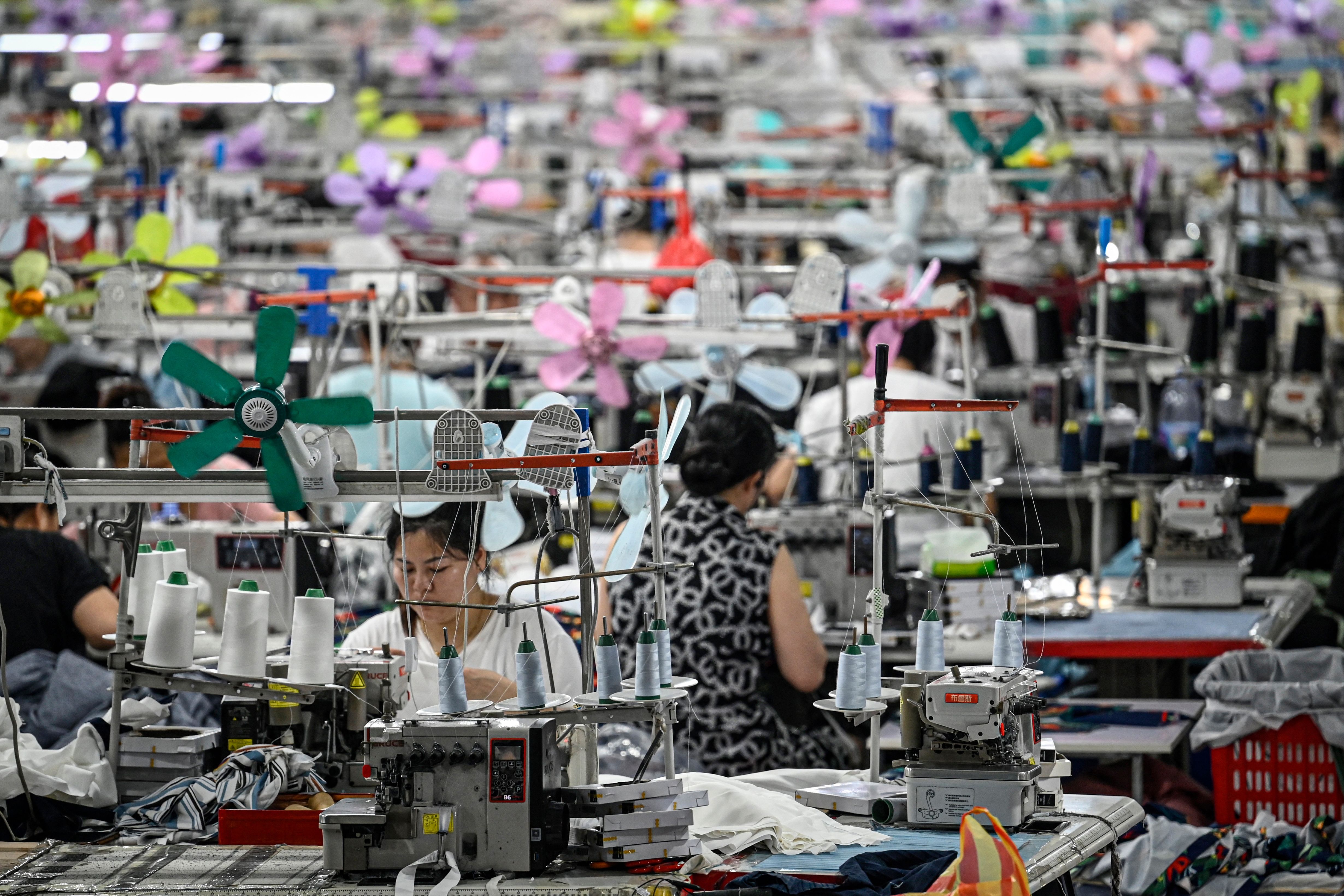
“Involution” is a new word for an old problem, and without a very different set of policies to rein it in, it is a problem that is likely to persist.

Michael Pettis

While China's investment story seems contradictory from the outside, the real answers to Beijing's high-quality growth ambitions are hiding in plain sight across the nation's cities.

Yuhan Zhang