

In The Media
Lilia Shevtsova
{
  "authors": [
    "Lilia Shevtsova"
  ],
  "type": "legacyinthemedia",
  "centerAffiliationAll": "",
  "centers": [
    "Carnegie Endowment for International Peace",
    "Carnegie Russia Eurasia Center"
  ],
  "collections": [],
  "englishNewsletterAll": "",
  "nonEnglishNewsletterAll": "",
  "primaryCenter": "Carnegie Russia Eurasia Center",
  "programAffiliation": "",
  "programs": [],
  "projects": [
    "Eurasia in Transition"
  ],
  "regions": [
    "Middle East",
    "Türkiye",
    "Russia"
  ],
  "topics": [
    "Political Reform",
    "Democracy"
  ]
}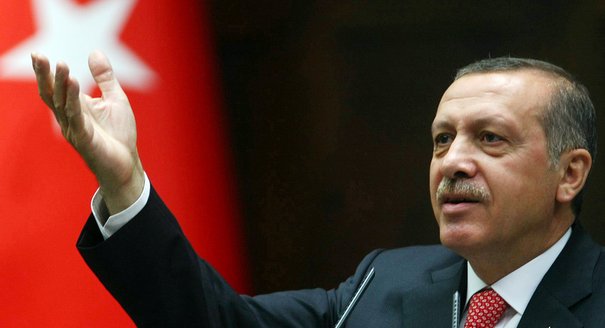
Source: Getty
The causes and nature of the Russian and Turkish protests, as well as the respective regimes’ reactions to them, are strikingly similar.
Source: The Moscow Times
There is no doubt that today's world is confronted with a new challenge. It stems from authoritarian or semi-authoritarian societies. But liberal democracies bear at least indirect responsibility for the challenge and are bound to face its consequences. In its recent report "Freedom in the World 2013: Democratic Breakthroughs in the Balance," Freedom House notes a paradoxical situation in which democracy across the globe is retreating, facing an active and aggressive response from authoritarian regimes while people's drive for freedom and dignity is gaining strength throughout the world.
The Russian awakening, which started last December, and the current Turkish protests help shed light on the nature of this strange paradox. We are witnessing not only the rise of the new authoritarianism that is exploiting the crisis of the current liberal democracy model, but also the rising wave of moral and ethical discontent. Yet this discontent has not been translated into a particular ideology or structured by political opposition. Instead, it has remained amorphous and vague and thus has given supporters of democracy little to be optimistic about.The causes and nature of the Russian and Turkish protests, as well as the respective regimes' reactions to them, are strikingly similar. The street protests in both cases are a direct result of the fact that authorities ignored civil rights and freedoms in their countries. Social and political groups of very different political and ideological stripes took to the streets united by the protest against infringement on their civic dignity. Nevertheless, despite the criticism leveled at President Vladimir Putin and Turkish Prime Minister Recep Tayyip Erdogan — "Putin, Step Down!" and "Tayyip, Resign!" — the protests in both countries are not threatening the principles that support the system and state.
The fact that the discontent spilled over onto the streets points not only to the regimes' inability to answer the grievances of significant parts of the population, but also to the lack of independent political channels for expressing them — that is, the absence of viable opposition and independent media.
Both Putin's and Erdogan's reactions to the protests were identical: They both blamed "the extremist elements" for the unrest and tried to quell it by resorting to force. Both leaders could do little more than turn to traditional values, including religion, to legitimate their policies.
Putin's slide toward open repression can no longer be reversed. Today, the Kremlin can't survive without subjugating society. As for Turkey, it is still unclear if Erdogan will continue with the chosen tactic or find strength to refrain from further abuse of power and using coercion to survive.
Both Putin and Erdogan have tried to extend their power indefinitely, and their repressive and intransigent policies have provoked a strong public outcry. While both regimes are rejected by very different segments of the population on moral grounds, the democratic alternative to these regimes in Russia and Turkey is weak, discredited or has not emerged yet.
As the Russian experience illustrates, a moral and ethical awakening creates a contradictory situation. The absence of influential democratic opposition and even a conscious effort to avoid politicization on the part of certain angry groups of society broadens the political field involving diverse and even competing political forces. At the same time, however, this wide spectrum of forces erodes the protest movement and brings forth the groups that represent a narrow range of interests, or it produces forces that try to exploit the protests for their own political gains. Thus, only politicization — albeit on the basis of rule of law and democratic principles that articulate protest demands and the necessary political instruments to implement them — can make the protests constructive. Otherwise, they will just serve as a cover for behind-the-scenes political infighting or an excuse the regime uses to intensify repression. This is precisely what is happening today in Russia.
Liberal democracies in the U.S., Europe and elsewhere should take a closer look at the Russian and Turkish paradox — a social awakening in the absence of viable political opposition that can create an alternative to personalized power. They also have to think about what global turmoil will result when this widespread, popular awakening runs up against strong, repressive resistance from authoritarian regimes. It will unlikely result in a new, fourth wave of global democratization.
Former Senior Associate, Russian Domestic Politics and Political Institutions Program, Moscow Center
Shevtsova chaired the Russian Domestic Politics and Political Institutions Program at the Carnegie Moscow Center, dividing her time between Carnegie’s offices in Washington, DC, and Moscow. She had been with Carnegie since 1995.
Recent Work
Lilia Shevtsova
Lilia Shevtsova
Carnegie does not take institutional positions on public policy issues; the views represented herein are those of the author(s) and do not necessarily reflect the views of Carnegie, its staff, or its trustees.
Beijing is trying to navigate the overall situation regarding Ukraine, especially the substance of interactions between Washington and Moscow.
Ellen Nakashima, Zhao Long, Pavlo Klimkin, …
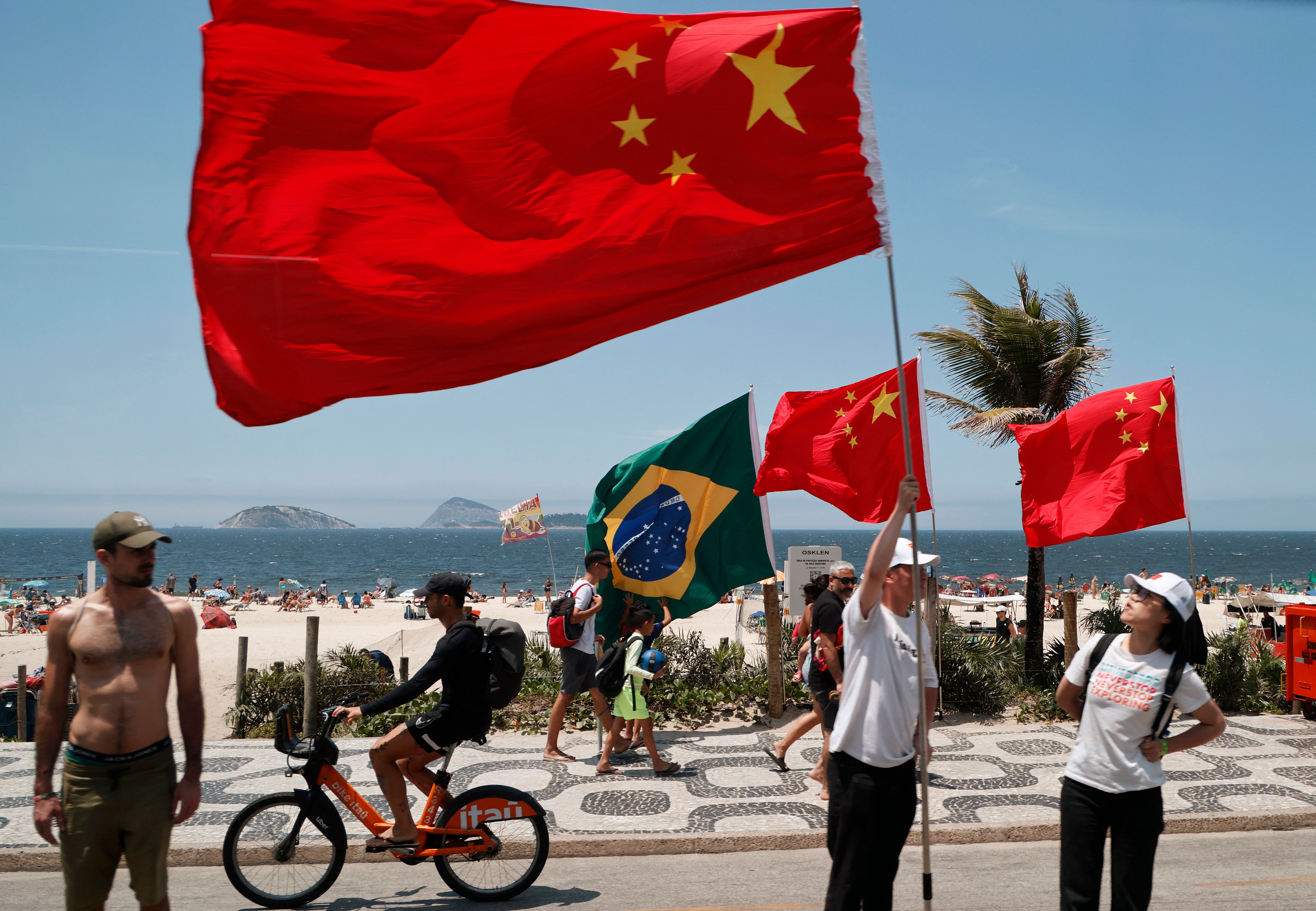
While China will remain a significant political and economic force in the Global South, its ambition to leverage the Global South as a counterbalance to the United States and the Global North is far from assured.

Xue Gong
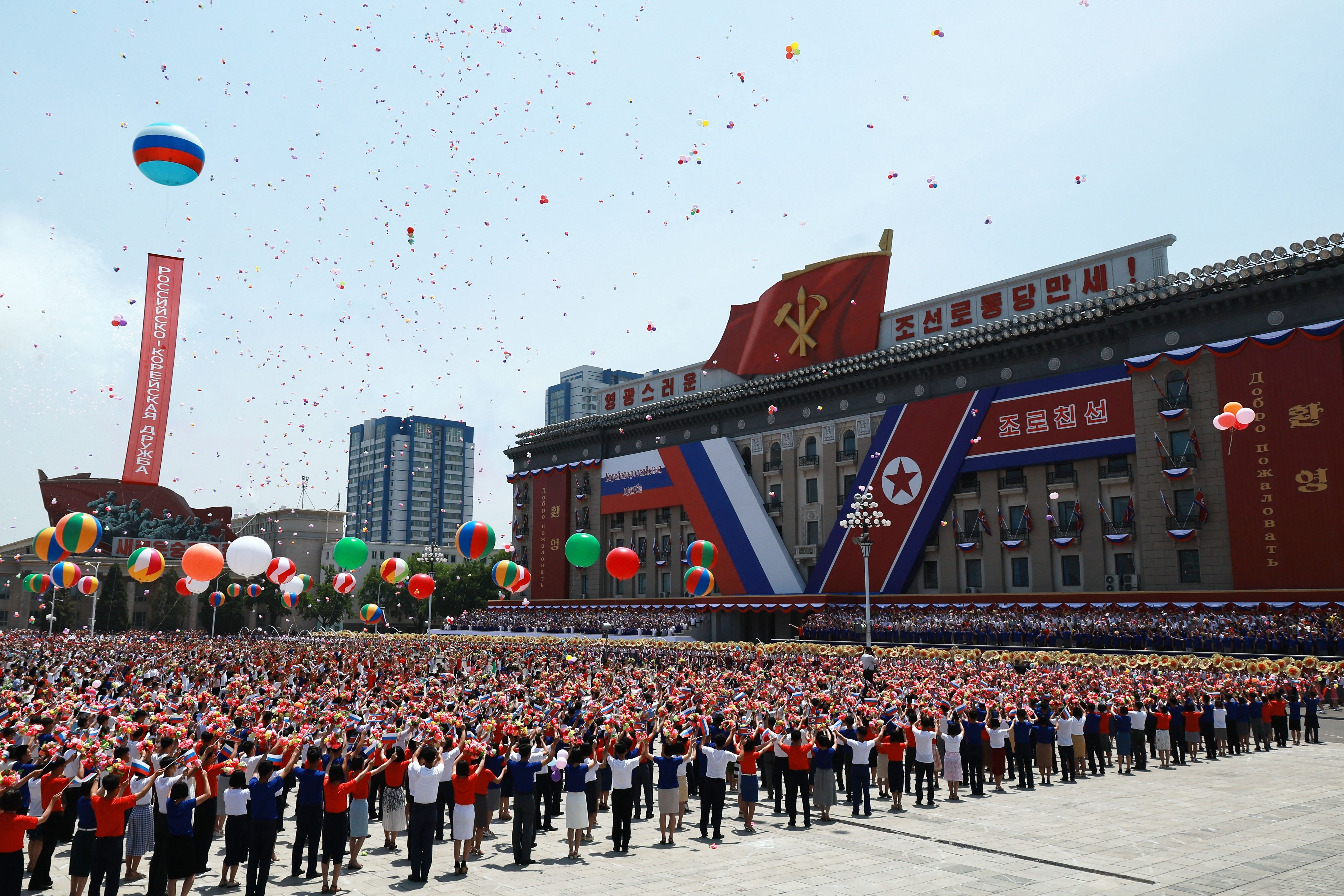
Faced with an increase in strategic maneuvering by Moscow and Pyongyang, Beijing will not sit idly by and allow Putin and Kim to shape the security environment on its behalf.

Tong Zhao
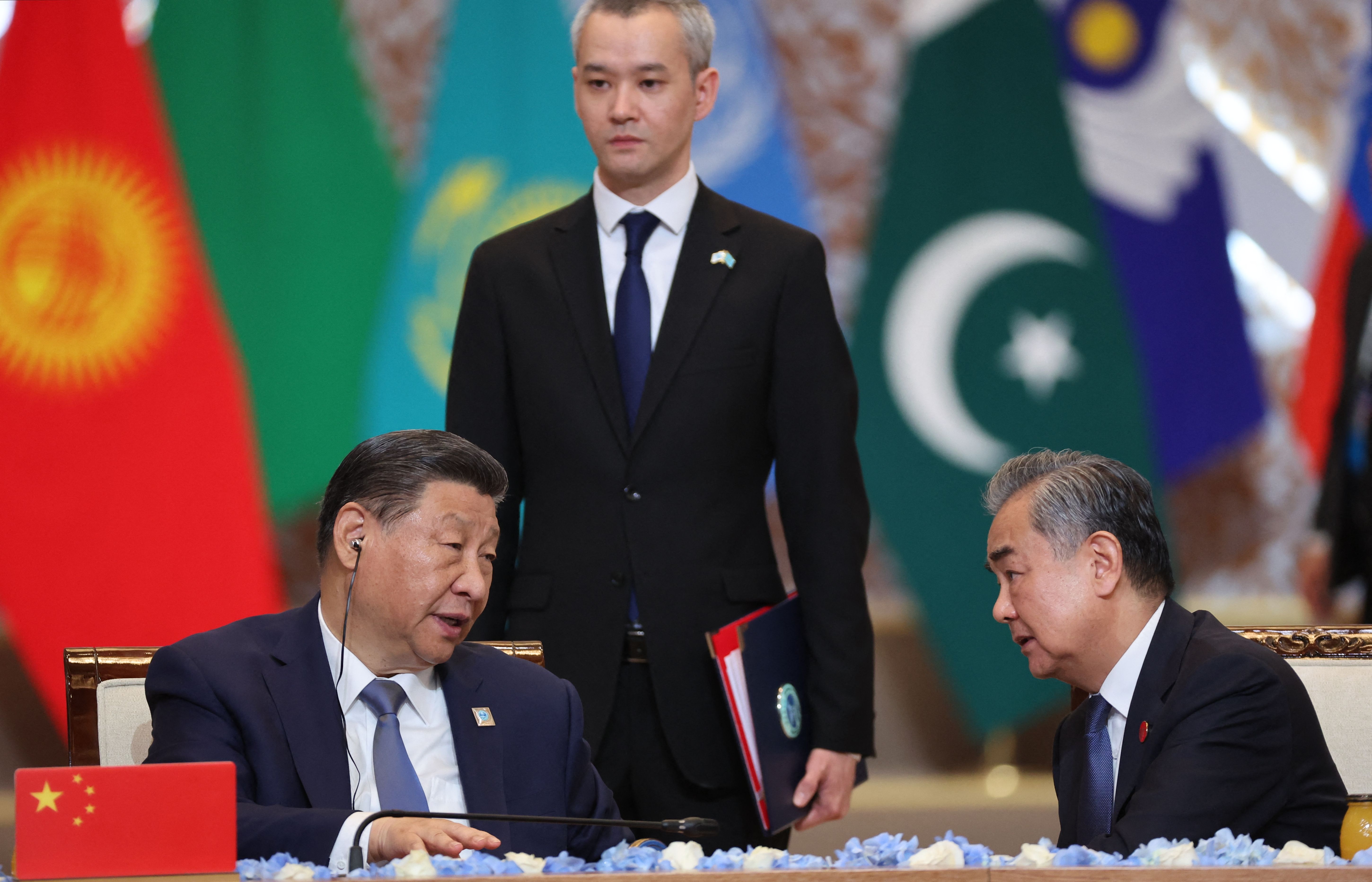
China’s growing attention to Central Asia is perceived as a harbinger of tectonic shifts in regional geopolitics.

Temur Umarov
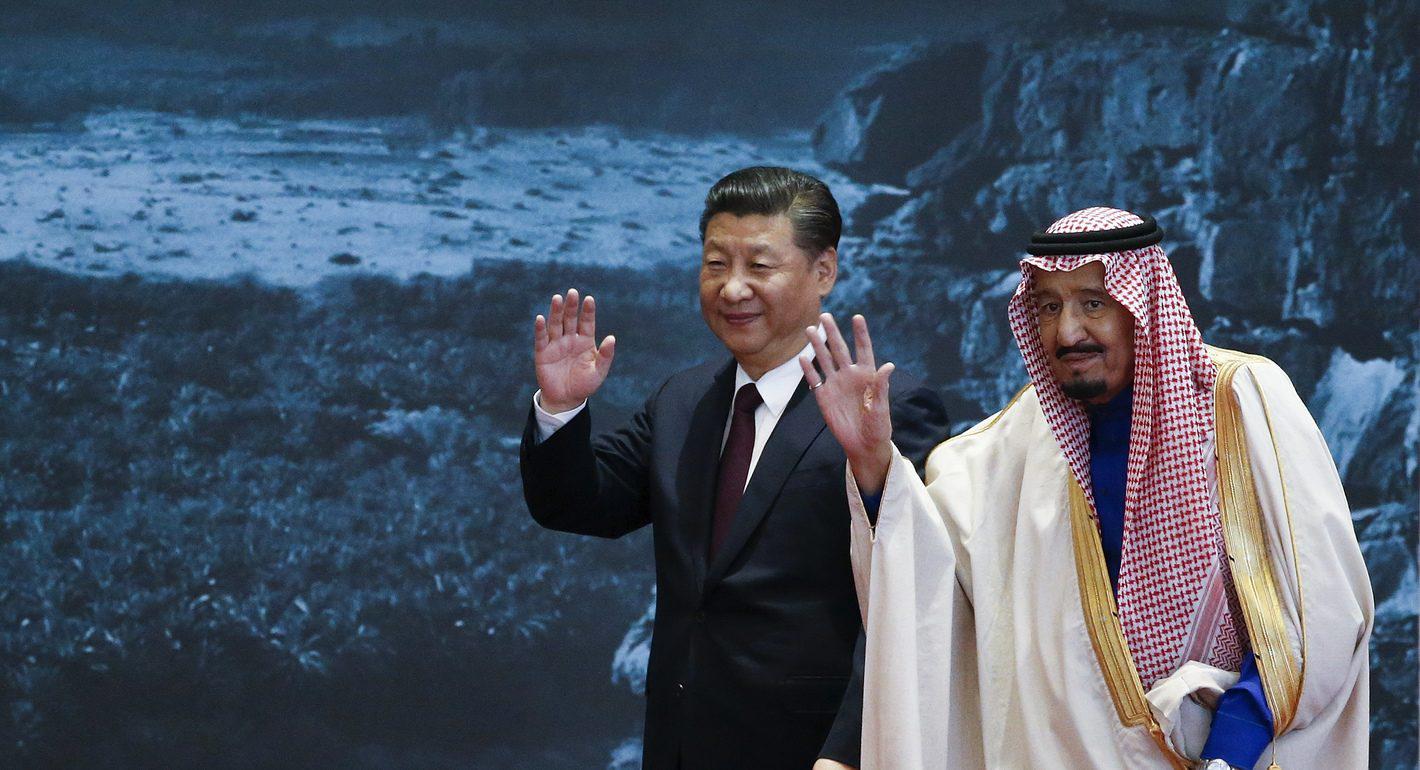
The advantage that China has over other global powers, especially America, is that its foreign policy is closely aligned with those of many of the Middle Eastern countries.

Jin Liangxiang, Maha Yahya, Hesham Alghannam