

In The Media
John Judis
{
  "authors": [
    "John Judis"
  ],
  "type": "legacyinthemedia",
  "centerAffiliationAll": "",
  "centers": [
    "Carnegie Endowment for International Peace",
    "Malcolm H. Kerr Carnegie Middle East Center"
  ],
  "collections": [],
  "englishNewsletterAll": "",
  "nonEnglishNewsletterAll": "",
  "primaryCenter": "Carnegie Endowment for International Peace",
  "programAffiliation": "",
  "programs": [],
  "projects": [],
  "regions": [
    "Middle East",
    "Israel",
    "Palestine",
    "Levant"
  ],
  "topics": [
    "Security"
  ]
}
Source: Getty
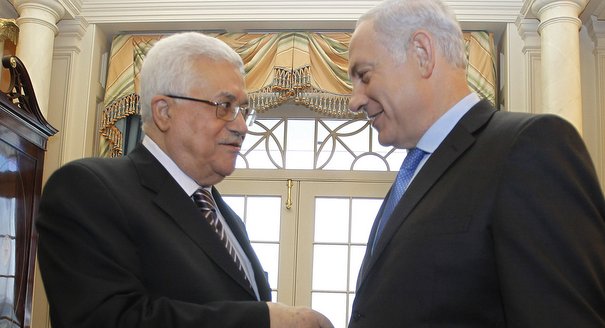
Members of Benjamin Netanyahu’s cabinet and party are now openly declaring the two-state solution dead.
Source: New Republic
No one except, perhaps, Secretary of State John Kerry, thinks that the current Israeli government is willing to negotiate in good faith a two-state solution. As Mairav Zonszein writes on the website, +972, members of Binyamin Netanyahu’s cabinet and party are now openly declaring the two-state solution dead.Prior to joining the government Economy Minister Naftali Bennett, the head of the Jewish Home party, had expressed opposition to a Palestinian state, but Bennett made sure yesterday that no one was under the illusion that he had changed his mind:
Bennett stated that "the idea of forming a Palestinian state in Israel has reached a dead end,” speaking at a settler council meeting Monday morning, comparing the “Palestinian problem” to a “piece of shrapnel” lodged in someone’s rear end; that one needs to learn to live with a pain in the ass rather than surgically remove it and risk becoming disabled.
Israeli cabinet officials often disagree with each other and with the Prime Minister, but if Netanyahu had been genuinely committed to the peace process, this kind of statement would have at least caused a tremor.

Former Visiting Scholar
As a visiting scholar at Carnegie, Judis wrote The Folly of Empire: What George W. Bush Could Learn from Theodore Roosevelt and Woodrow Wilson.
Recent Work
John Judis
John Judis
Carnegie does not take institutional positions on public policy issues; the views represented herein are those of the author(s) and do not necessarily reflect the views of Carnegie, its staff, or its trustees.

The Thai-Cambodian conflict highlights the limits to China's peacemaker ambition and the significance of this role on Southeast Asia’s balance of power.

Pongphisoot (Paul) Busbarat

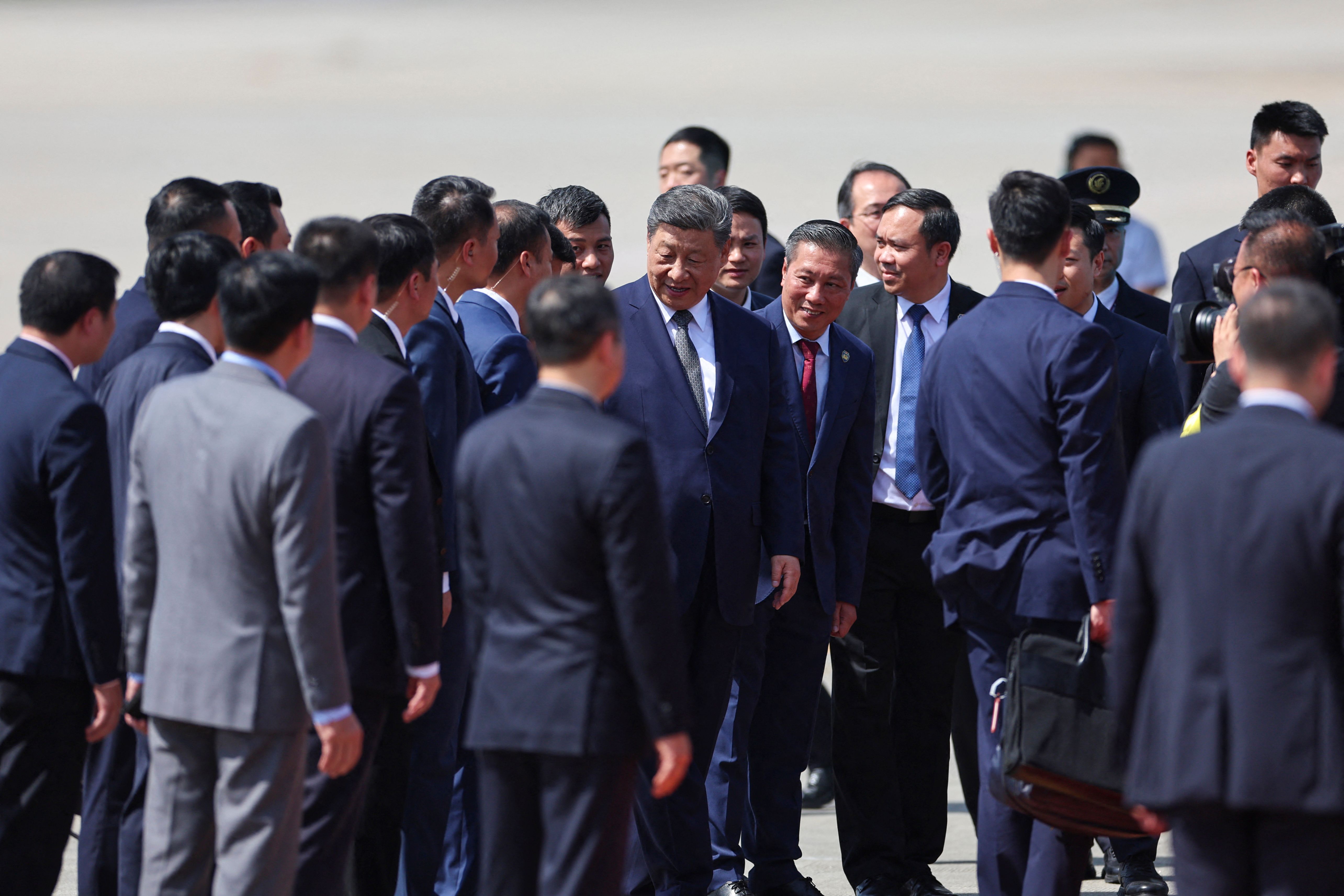
Beijing believes that Washington is overestimating its own leverage and its ability to handle the trade war’s impacts.


Rick Waters, Sheena Chestnut Greitens
Tapping our network of China experts in the region, Carnegie China offers this latest “China Through a Southeast Asian Lens” report to offer preliminary assessments of whether the U.S. effort to reshape the global trading order will lead countries in the region to tilt toward Beijing.


Selina Ho, Khin Khin Kyaw Kyee, Joseph Ching Velasco, …
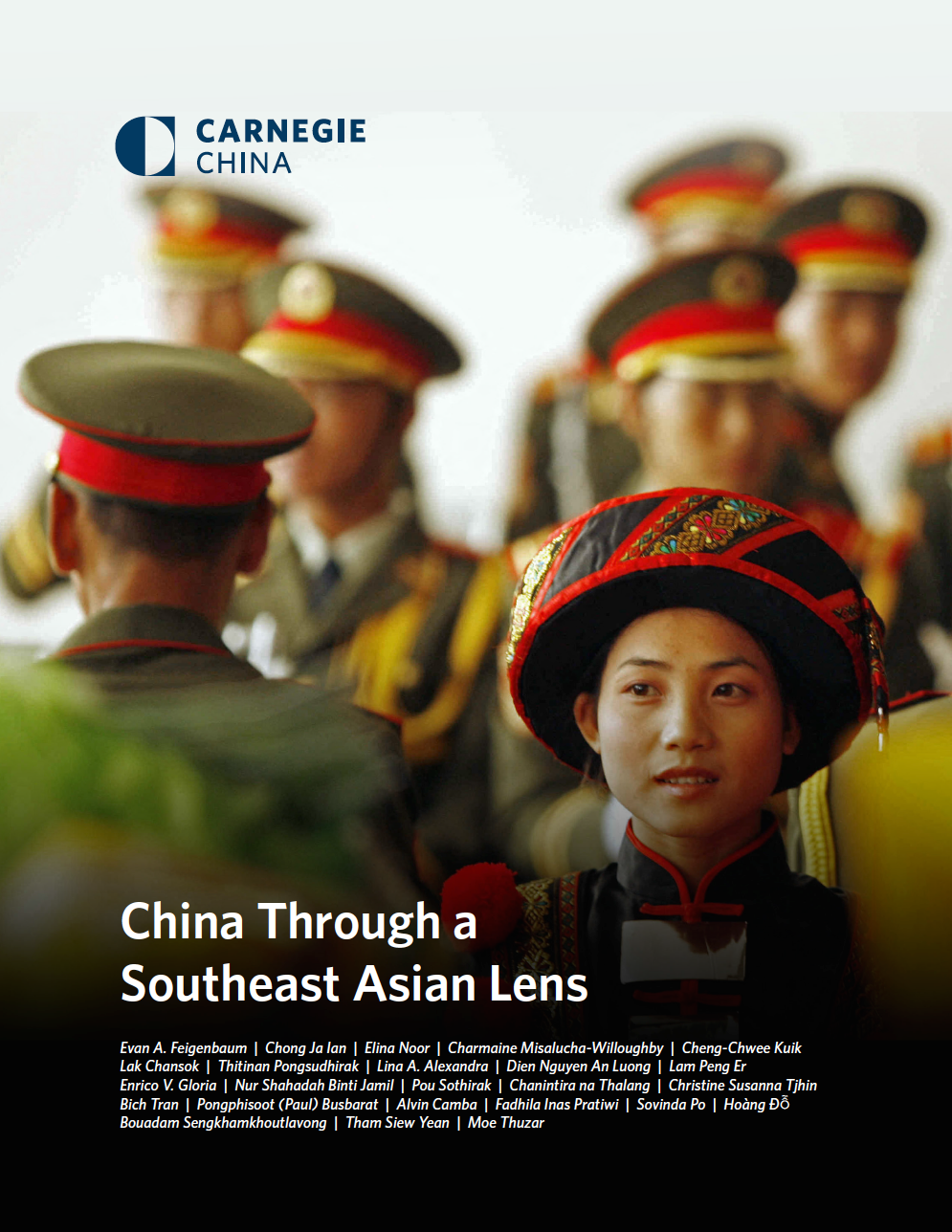
Because strategic, economic, and ideological perceptions of China contain multiple, sometimes contradictory facets in Southeast Asia, receptions of and responses to Beijing diverge across and within state lines.



Evan A. Feigenbaum, Chong Ja Ian, Elina Noor

Most Southeast Asian states behave as if the actions of their Northeast Asian neighbors and the Philippines will be sufficient to maintain a regional status quo from which they can benefit.
Chong Ja Ian