

In The Media
Lilia Shevtsova
{
  "authors": [
    "Lilia Shevtsova"
  ],
  "type": "commentary",
  "centerAffiliationAll": "",
  "centers": [
    "Carnegie Endowment for International Peace",
    "Carnegie Russia Eurasia Center"
  ],
  "collections": [],
  "englishNewsletterAll": "",
  "nonEnglishNewsletterAll": "",
  "primaryCenter": "Carnegie Russia Eurasia Center",
  "programAffiliation": "",
  "programs": [],
  "projects": [],
  "regions": [],
  "topics": []
}
Source: Getty
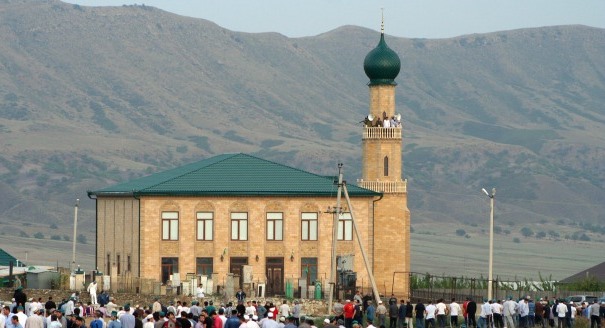
The Kremlin pays the price to pacify and accommodate the North Caucasus which is evidence of the Russian state’s fragility.
Imagine an Algeria that is part of France, totally subsidized by the French budget, and at the same time, ruled by a local sultan whose praetorians are hostile to the French troops. Absurdity! Yet, this situation exists in Russia. I am talking about the North Caucasus; a region that hosts a number of sultanistic regimes that are openly defiant toward Moscow.
The existence of the North Caucasus “sultanates” exemplifies the difficulties of modern Russia. The country is a half-frozen, half-disintegrated empire which includes vastly different civilizational segments. One of the areas that is growing increasingly alien to Russia is the North Caucasus.
Russia is desperately racking its brains as to how to continue to survive. The logic says: Russia has to move toward the nation state model. That, however, would necessitate further disintegration and territorial contractions which Russians are not ready to think about. While the shrinking of an empire may be painful to contemplate, one may question whether this half-frozen state is durable.
And here we are: the Kremlin pays the price to pacify and accommodate the North Caucasus which is evidence of the Russian state’s fragility. The Kremlin’s willingness to let local sultans establish their despotic rules is a sign that the process of the state atrophy is underway. Kadyrov’s ruthless rule in Chechnya is an invitation for other republics to follow suit. The Chechen rule, in fact, amounts to a form of Kremlin-sanctioned anti-constitutional coup. It is hard to believe that the Russian Federation, with such anti-constitutional implants, can survive for long. Its disintegration is inevitable.
But before its starts in earnest, we may see dramatic developments, the nature of which one would not even like to think about now. Kadyrov’s praetorians taking part in the struggle for power in Moscow… Or the North Caucasus fighters spreading jihad elsewhere… and not only to Syria…
Yes, you are right. The North Caucasus is becoming not only a Russian problem.
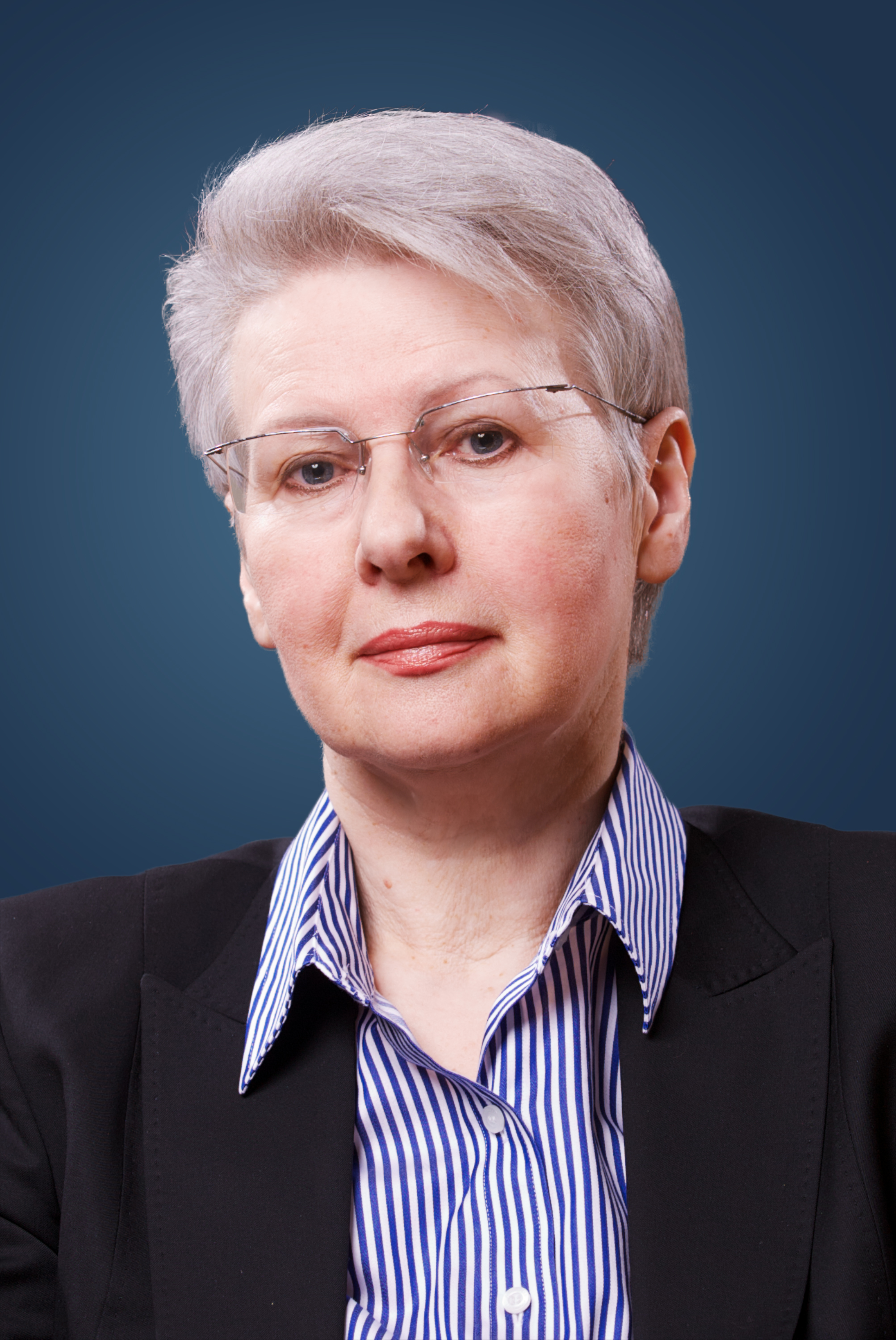
Former Senior Associate, Russian Domestic Politics and Political Institutions Program, Moscow Center
Shevtsova chaired the Russian Domestic Politics and Political Institutions Program at the Carnegie Moscow Center, dividing her time between Carnegie’s offices in Washington, DC, and Moscow. She had been with Carnegie since 1995.
Recent Work
Lilia Shevtsova
Lilia Shevtsova
Carnegie does not take institutional positions on public policy issues; the views represented herein are those of the author(s) and do not necessarily reflect the views of Carnegie, its staff, or its trustees.