

Research
- +5
Alper Coşkun, Fatih Ceylan, Tacan İldem, …
{
  "authors": [
    "Sinan Ülgen"
  ],
  "type": "legacyinthemedia",
  "centerAffiliationAll": "",
  "centers": [
    "Carnegie Endowment for International Peace",
    "Carnegie Europe",
    "Malcolm H. Kerr Carnegie Middle East Center"
  ],
  "collections": [
    "Turkey’s Transformation",
    "Europe’s Southern Neighborhood",
    "Arab Awakening"
  ],
  "englishNewsletterAll": "",
  "nonEnglishNewsletterAll": "",
  "primaryCenter": "Carnegie Europe",
  "programAffiliation": "",
  "programs": [],
  "projects": [],
  "regions": [
    "Middle East",
    "Europe",
    "Türkiye",
    "Egypt",
    "Gulf",
    "Levant",
    "Maghreb",
    "North Africa"
  ],
  "topics": [
    "Political Reform",
    "Democracy"
  ]
}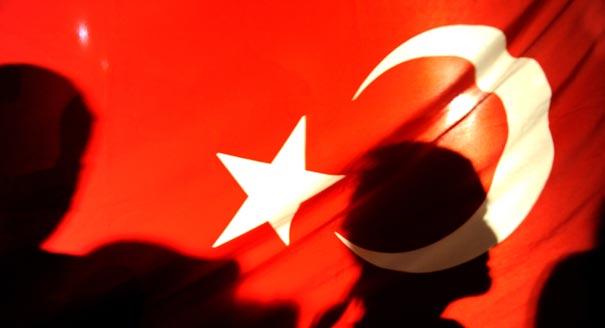
Source: Getty
Egypt’s morass, together with the unrest in Turkey, has plunged political Islam into a crisis of democratic confidence.
Source: Project Syndicate
Popular protests in Turkey last May, together with the recent ouster of Egyptian President Mohamed Morsi, have reinvigorated debate about political Islam’s compatibility with democracy. But the question is not whether an Islamist-dominated democracy is viable; recent history has demonstrated that it is. Instead, we should be asking whether political Islam can coexist with a particular type of democracy – one that is inclusive, tolerant, and compassionate.
In both Turkey and Egypt, Islamist parties – the Justice and Development Party (AKP) and the Muslim Brotherhood, respectively – rose to power through free and fair elections. (In fact, the AKP has been able to remain in power through two subsequent elections.) But both soon began to steer their respective political systems toward raw majoritarian rule. In Turkey, growing frustration with this non-inclusive style of governance erupted in June, when the proposed development plan for Istanbul’s Taksim Gezi Park triggered non-violent anti-government protests, which quickly spread across the country.
Protests in Egypt went further, culminating in a military coup that deposed Morsi, who had been popularly elected only a year earlier, while restoring, at least for now, the army’s dominance of Egyptian politics – an outcome that reflects the extent of Egyptians’ dissatisfaction with the Brotherhood’s leadership. Beyond adopting an increasingly divisive governance style, the Brothers failed to implement effective policies to repair Egypt’s shattered economy and improve living standards.Do these developments reveal an inherent tendency in political Islam toward majoritarianism? Revisiting the challenges that the AKP and the Muslim Brotherhood faced in becoming two of the world’s most influential Islamist parties can provide valuable insight into this fundamental question.
For decades, both parties struggled against incumbent regimes that sought to undermine their rise. In Egypt, this took the form of government crackdowns against the Islamist movement and outright suppression of the Brotherhood. In Turkey, the Constitutional Court banned numerous Islamist parties and, in 1997, a “soft” coup toppled the Islamist-led government.
This legacy of victimization has shaped the political consciousness of today’s Islamist leaders, instilling in them a wariness of liberal democracy. The winner-take-all inclinations of Morsi and Turkish Prime Minister Recep Tayyip Erdoğan – the first generation of Islamist leaders to take control of their countries with full executive authority – reflect a deep-seated fear that unobstructed political competition could overturn their hard-won achievements at any moment.
As a result, Islamist leaders have felt compelled to secure their dominance over the political system and state institutions. But their efforts to protect their bases of power and establish a more Islam-friendly polity have served only to harden existing social divisions and sow the seeds of future conflict. In other words, the Islamists’ gains are threatened, above all, by the manner in which their leaders secure them.
But Egypt’s Islamists are likely to draw the opposite conclusion: Morsi’s ouster will reinforce their fear that their accomplishments can never be fully secure, and that they must carefully manage dissent. That rules out democratic freedoms, which can be exploited to generate instability – and even topple elected governments.
Western leaders must help to prevent such an outcome by issuing a clear and principled response to developments in Egypt, one that urges a rapid transition to democratic rule with full political rights for the Brotherhood. By encouraging the Brothers to reject the fear that drives their majoritarian tendencies and participate actively in an inclusive democratic system, such a response would help to safeguard Egypt’s democratic prospects.
Egypt’s morass, together with the unrest in Turkey, has plunged political Islam into a crisis of democratic confidence. Given this, a period of trust-building may be needed for Islamist parties to embrace the ideal of a more inclusive, more tolerant, and, ultimately, more effective political order. Such an outcome would bolster faith in democracy throughout the Arab world.

Senior Fellow, Carnegie Europe
Sinan Ülgen is a senior fellow at Carnegie Europe in Brussels, where his research focuses on Turkish foreign policy, transatlantic relations, international trade, economic security, and digital policy.
Recent Work

Alper Coşkun, Fatih Ceylan, Tacan İldem, …
Carnegie does not take institutional positions on public policy issues; the views represented herein are those of the author(s) and do not necessarily reflect the views of Carnegie, its staff, or its trustees.
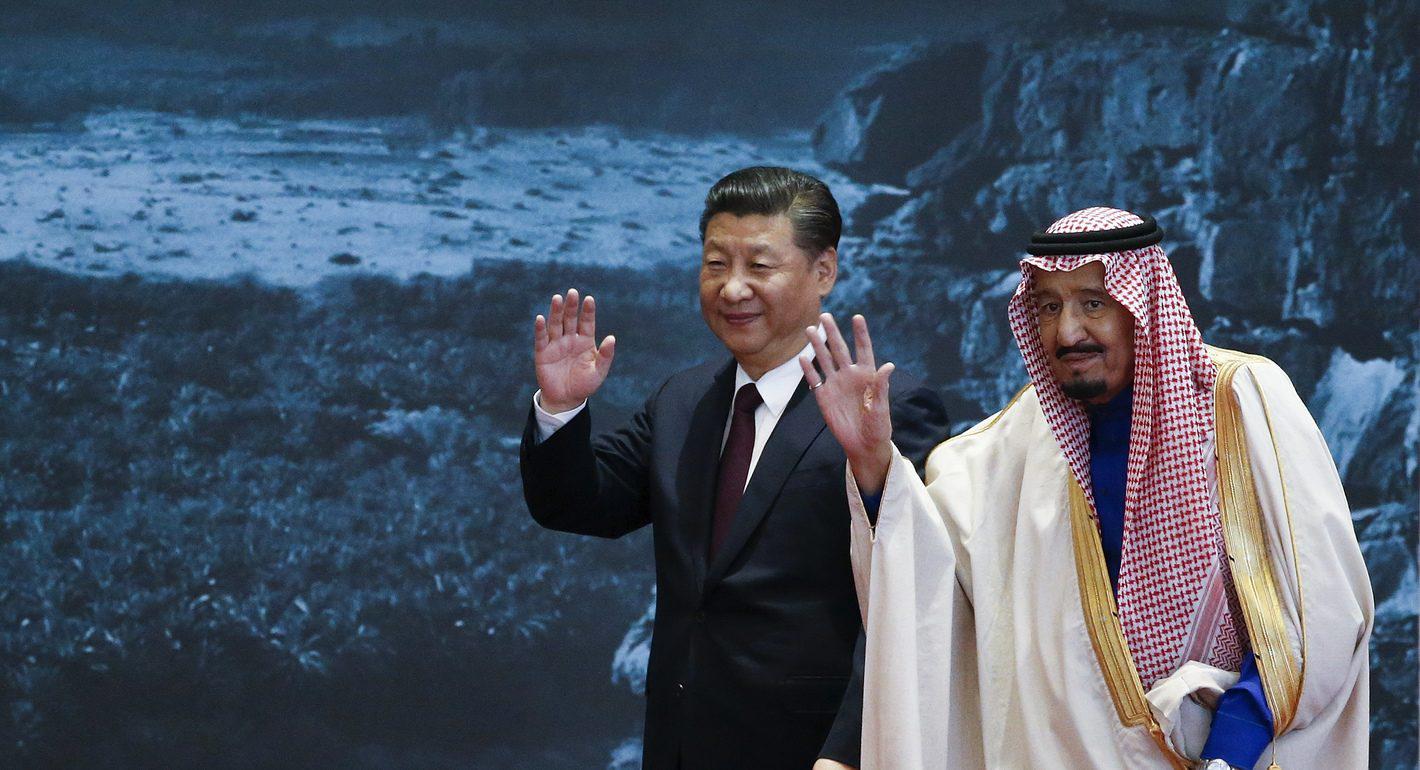
The advantage that China has over other global powers, especially America, is that its foreign policy is closely aligned with those of many of the Middle Eastern countries.


Jin Liangxiang, Maha Yahya, Hesham Alghannam

Transactional relationships are stable but can be shallow.


Paul Haenle, Maha Yahya, Benjamin Ho, …
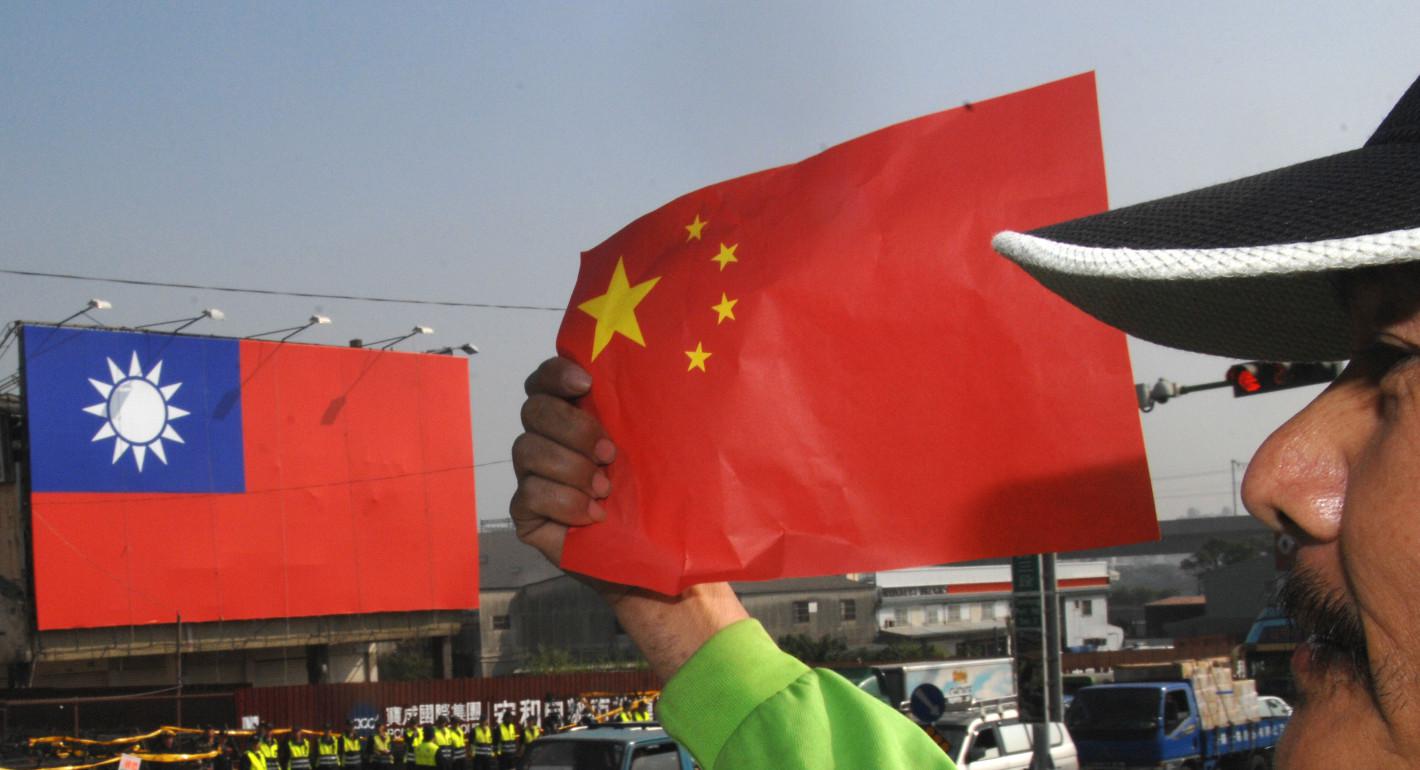
Beijing says that over 180 countries accept its “one China principle” regarding Taiwan, but the reality is more complicated.

Chong Ja Ian
Beijing must choose between preserving its pandemic narrative or facing more unrest.
Paul Haenle

It’s about managing oil prices, bread prices, and strategic partnerships.



Amr Hamzawy, Karim Sadjadpour, Aaron David Miller, …