

Article
- +1
Toby Dalton, Mark Hibbs, Nicole Grajewski, …
{
  "authors": [
    "Mark Hibbs"
  ],
  "type": "legacyinthemedia",
  "centerAffiliationAll": "dc",
  "centers": [
    "Carnegie Endowment for International Peace"
  ],
  "collections": [
    "Japan's Nuclear Crisis"
  ],
  "englishNewsletterAll": "ctw",
  "nonEnglishNewsletterAll": "",
  "primaryCenter": "Carnegie Endowment for International Peace",
  "programAffiliation": "NPP",
  "programs": [
    "Nuclear Policy"
  ],
  "projects": [],
  "regions": [
    "East Asia",
    "Japan"
  ],
  "topics": [
    "Nuclear Policy"
  ]
}
Source: Getty
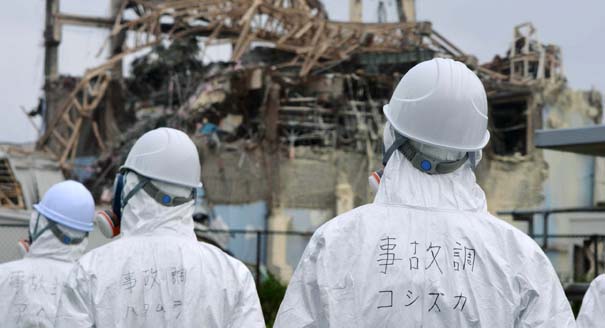
Japan’s Fukushima nuclear plant is back in the headlines as the country’s government reveals plans to deal with the latest leaks of contaminated water at the crippled nuclear facility.
Source: BBC World News
Carnegie’s Mark Hibbs discussed the radiation levels at Japan’s Fukushima nuclear plant with BBC World News. Japan’s Fukushima nuclear plant is back in the headlines as the country’s government reveals plans to deal with the latest leaks of contaminated water at the crippled nuclear facility.
Hibbs told BBC World News the Japanese govenment has two separate water management problems. The first is the water that is moving from the mountains from the central part of the island to the seacoast at a rate of 1,000 tons per day. Hibbs explained that the Fukushima nuclear plant is in between, “so they have to make sure that they can limit to the greatest extent possible the contamination of that water before it gets to the ocean.”
The second problem they have, Hibbs pointed out, is a problem of about 1,000 tanks of water which are leaking at a rate of about 300 tons per day. That water, added Hibbs, is heavily contaminated with cesium, strontium, and other things that were in the core of the reactor when they were pumping that water into the core to cool it during the accident.
Nonresident Senior Fellow, Nuclear Policy Program
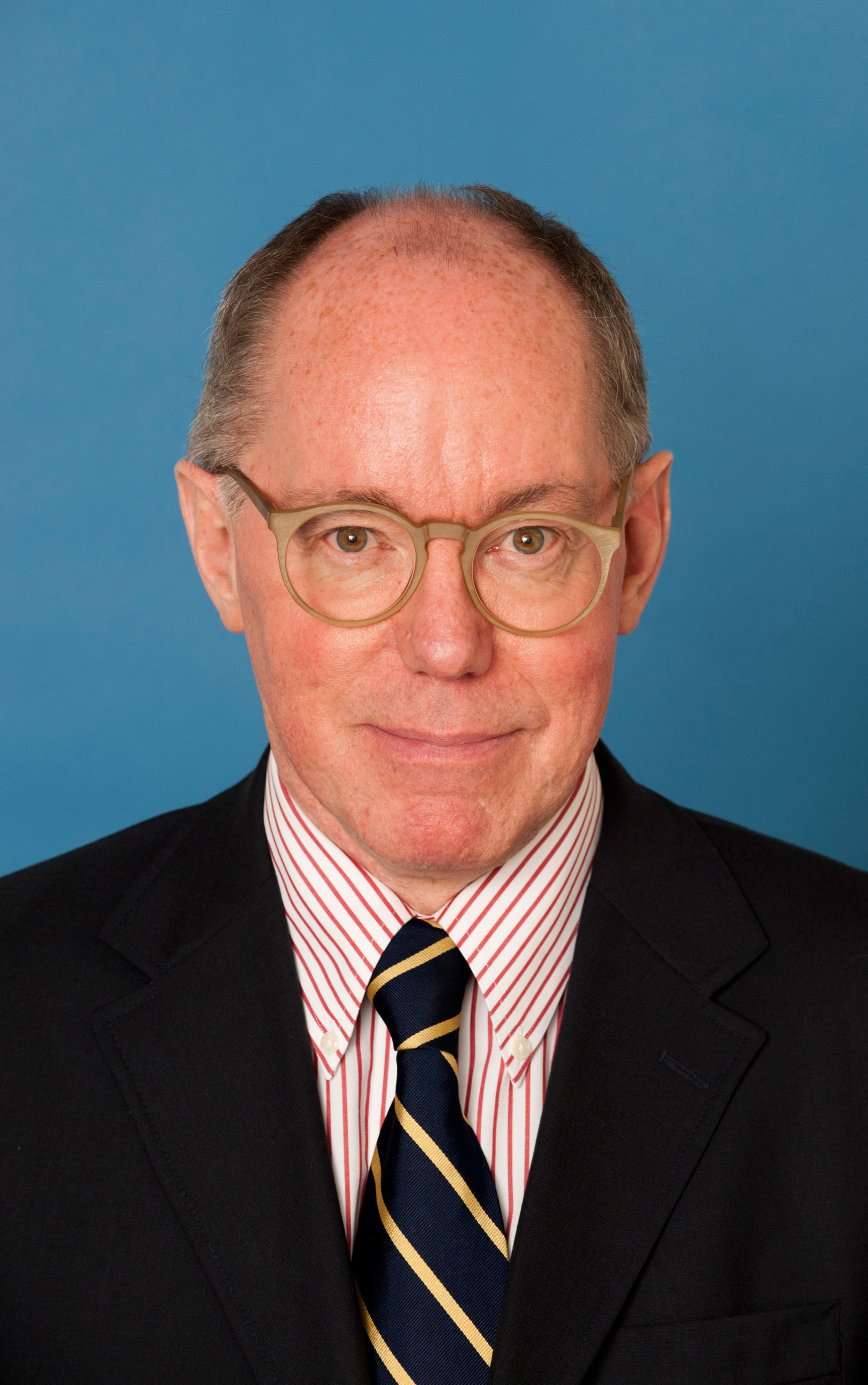
Hibbs is a Germany-based nonresident senior fellow in Carnegie’s Nuclear Policy Program. His areas of expertise are nuclear verification and safeguards, multilateral nuclear trade policy, international nuclear cooperation, and nonproliferation arrangements.
Recent Work


Toby Dalton, Mark Hibbs, Nicole Grajewski, …
Mark Hibbs
Carnegie does not take institutional positions on public policy issues; the views represented herein are those of the author(s) and do not necessarily reflect the views of Carnegie, its staff, or its trustees.

Across Asia, China is better positioned to withstand energy shocks from the fallout of the Iran war. Its abundant coal capacity can ensure stability in the near term. Yet at the same time, the country’s energy transition away from coal will make it even less vulnerable during the next shock.

Damien Ma

GDP growth means something fundamentally different in China than in most countries.

Michael Pettis
The Trump administration’s effort to reshape the global trading system and reset overseas security commitments is creating an historic inflection point. Less clear is how far China will be able to capitalize on these dynamics.
Li Mingjiang, Le Hong Hiep, Ngeow Chow Bing, …
Most Southeast Asian states behave as if the actions of their Northeast Asian neighbors and the Philippines will be sufficient to maintain a regional status quo from which they can benefit.

Chong Ja Ian
Patriotic and nationalist sentiments have been co-opted by self-media and social media platforms to generate profit. This has given rise to a traffic-driven business of cyber nationalism that relies on extreme xenophobic rhetoric.

Wang Qiyue, Li Mingjiang