

Commentary
It’s about managing oil prices, bread prices, and strategic partnerships.
- +8
Amr Hamzawy, Karim Sadjadpour, Aaron David Miller, …
{
  "authors": [],
  "type": "other",
  "centerAffiliationAll": "",
  "centers": [
    "Carnegie Endowment for International Peace"
  ],
  "collections": [],
  "englishNewsletterAll": "",
  "nonEnglishNewsletterAll": "",
  "primaryCenter": "Carnegie Endowment for International Peace",
  "programAffiliation": "",
  "programs": [],
  "projects": [],
  "regions": [
    "North Africa",
    "Egypt"
  ],
  "topics": []
}
Source: Getty
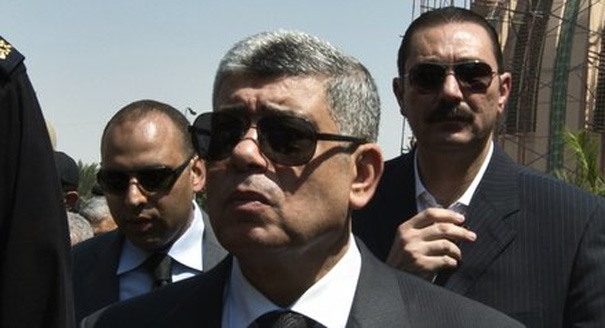
A brief profile of Mohamed Ibrahim.
This resource was published on 09/10/2013 and is not updated to reflect changing circumstances.
Mohamed Ibrahim was appointed Egypt’s interior minister in January 2013 by then prime minister Hisham Qandil. He replaced Ahmed Gamal El Din. During the administration of former president Mohamed Morsi, Ibrahim was criticized by the opposition for violently oppressing protesters demonstrating against Morsi and the ruling Muslim Brotherhood.
However, prior to protests against Morsi scheduled for June 30 by the opposition Rebel Movement (Tamarrud), Ibrahim implicitly endorsed the demonstrations by announcing that the Interior Ministry would not harass protesters. He retained his position after Morsi was removed from power by the military on July 3.
Ibrahim graduated from the Egyptian Police Academy in 1976. He has served in a number of senior positions in the Interior Ministry. Prior to becoming minister of the interior, he was deputy minister and head of Egypt’s prison authority.
Since July, Ibrahim has reportedly been an advocate within the government for a harsh crackdown against the Brotherhood, including the dispersal of pro-Morsi protesters on August 14 that resulted in hundreds of deaths. On September 5, Ibrahim survived an assassination attempt when a bomb exploded near his convoy in Cairo, killing at least one police officer and wounding dozens.
Carnegie does not take institutional positions on public policy issues; the views represented herein are those of the author(s) and do not necessarily reflect the views of Carnegie, its staff, or its trustees.

It’s about managing oil prices, bread prices, and strategic partnerships.



Amr Hamzawy, Karim Sadjadpour, Aaron David Miller, …
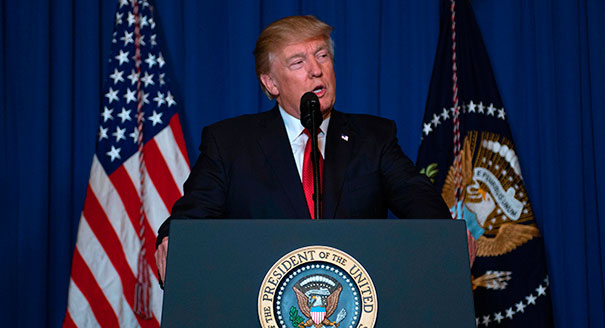
It remains to be seen whether recent foreign policy pivots by the Trump administration amount to a departure from its earlier views about America’s role in the world.

William J. Burns
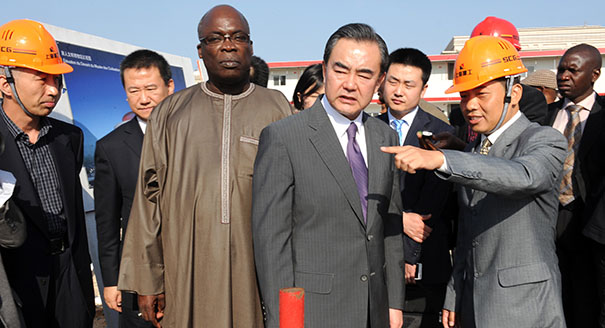
China’s relationship with Africa is becoming increasingly more complex as the country continues to invest and send workers across 54 countries on the continent.

Matt Ferchen
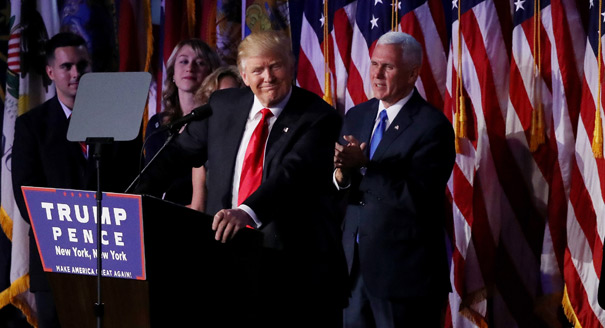
The world reacts to the election of Donald Trump and its potential implications.

Thomas Carothers, Lizza Bomassi, Amr Hamzawy, …
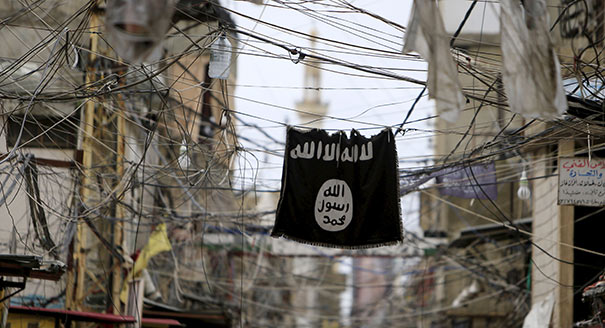
The Islamic State’s ideology is multifaceted and cannot be traced to one individual, movement, or period. Understanding it is crucial to defeating the group.
Hassan Hassan