

Commentary
It’s about managing oil prices, bread prices, and strategic partnerships.
- +8
Amr Hamzawy, Karim Sadjadpour, Aaron David Miller, …
{
  "authors": [],
  "type": "other",
  "centerAffiliationAll": "",
  "centers": [
    "Carnegie Endowment for International Peace"
  ],
  "collections": [],
  "englishNewsletterAll": "",
  "nonEnglishNewsletterAll": "",
  "primaryCenter": "Carnegie Endowment for International Peace",
  "programAffiliation": "",
  "programs": [],
  "projects": [],
  "regions": [
    "North Africa",
    "Egypt"
  ],
  "topics": []
}
Source: Getty
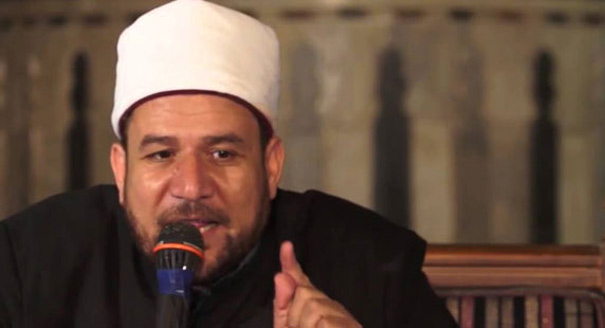
A brief profile of Mohamed Mokhtar Gomaa.
This resource was published on 09/20/2013 and is not updated to reflect changing circumstances.
Mohamed Mokhtar Gomaa was sworn in as Egypt’s minister of religious endowments on July 16, 2013, nearly two weeks after the ouster of former Egyptian president Mohamed Morsi at the hands of the military. The author of several books on Arabic literature and poetry, Gomaa was the dean of the Faculty of Islamic and Arabic Studies at al-Azhar University, the country’s premier religious institution. He was also a member of the senior clerical establishment at al-Azhar, head of al-Azhar’s religious media, and a forty-year member of the Egyptian Journalists’ Syndicate.
Since assuming office, Gomaa has taken a series of controversial steps to reassert state control over Egypt’s sprawling network of mosques and to limit the influence of the Muslim Brotherhood and other Islamist organizations.
Between July and September 2013, Gomaa has undertaken a number of measures, including:
Gomaa has long been a proponent of the religious moderation favored by al-Azhar. Since becoming minister, he has frequently warned preachers to avoid political messages in their sermons.
Carnegie does not take institutional positions on public policy issues; the views represented herein are those of the author(s) and do not necessarily reflect the views of Carnegie, its staff, or its trustees.
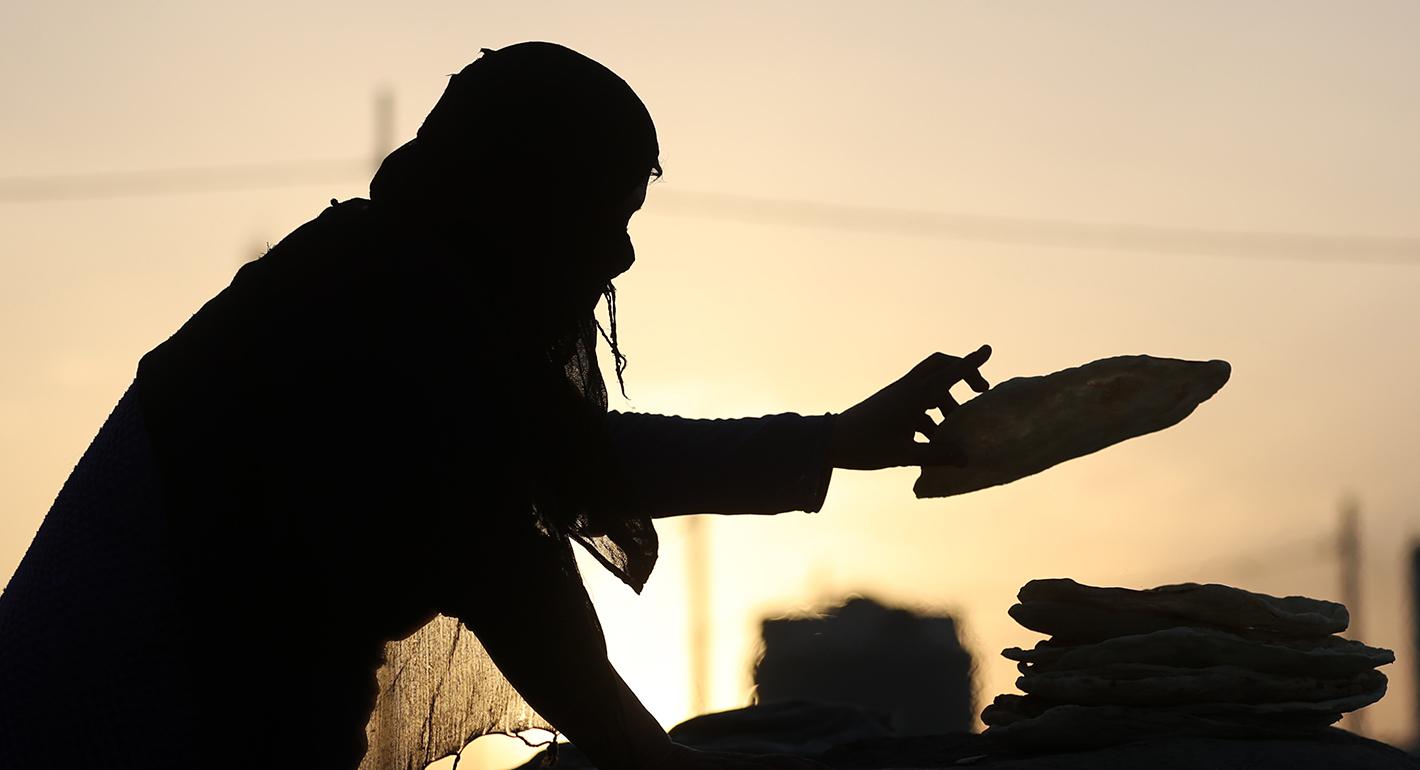
It’s about managing oil prices, bread prices, and strategic partnerships.



Amr Hamzawy, Karim Sadjadpour, Aaron David Miller, …
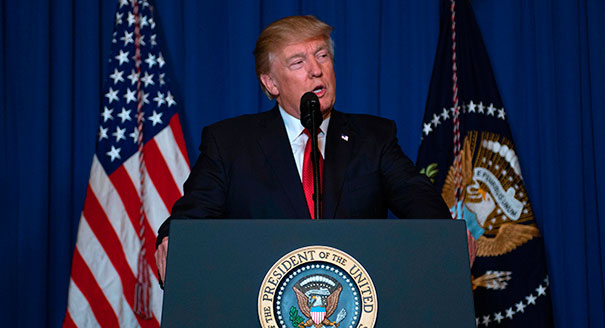
It remains to be seen whether recent foreign policy pivots by the Trump administration amount to a departure from its earlier views about America’s role in the world.
William J. Burns
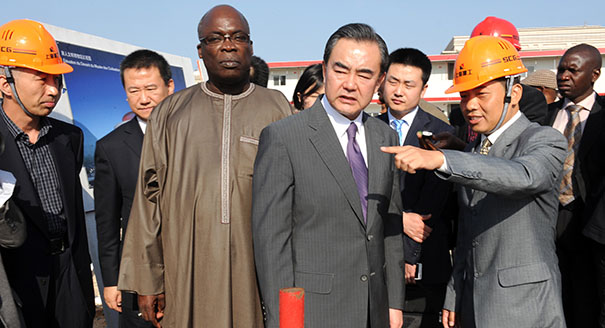
China’s relationship with Africa is becoming increasingly more complex as the country continues to invest and send workers across 54 countries on the continent.

Matt Ferchen
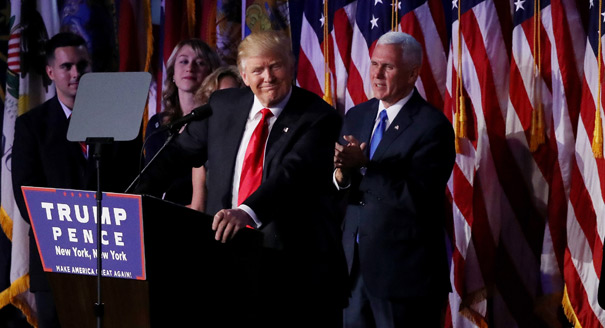
The world reacts to the election of Donald Trump and its potential implications.

Thomas Carothers, Lizza Bomassi, Amr Hamzawy, …
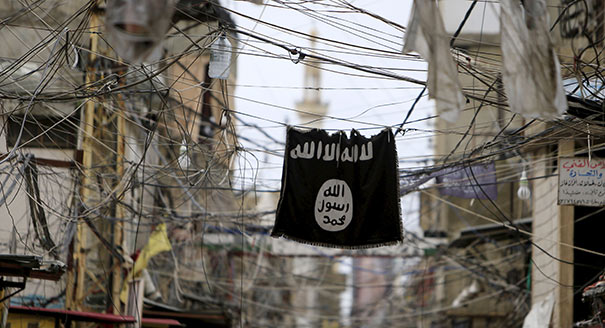
The Islamic State’s ideology is multifaceted and cannot be traced to one individual, movement, or period. Understanding it is crucial to defeating the group.
Hassan Hassan