

Article
Frederic Wehrey, Charles H. Johnson
{
  "authors": [
    "Frederic Wehrey"
  ],
  "type": "legacyinthemedia",
  "centerAffiliationAll": "dc",
  "centers": [
    "Carnegie Endowment for International Peace",
    "Malcolm H. Kerr Carnegie Middle East Center"
  ],
  "collections": [],
  "englishNewsletterAll": "menaTransitions",
  "nonEnglishNewsletterAll": "",
  "primaryCenter": "Carnegie Endowment for International Peace",
  "programAffiliation": "MEP",
  "programs": [
    "Middle East"
  ],
  "projects": [],
  "regions": [
    "North Africa",
    "Libya",
    "Maghreb"
  ],
  "topics": [
    "Political Reform",
    "Security",
    "Military"
  ]
}
Source: Getty
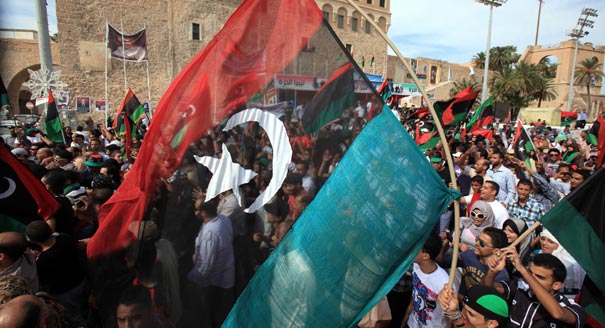
Grievances against Libya’s Zeidan government by the militias are not ideological but rather reflect the government’s inability to deliver services, its lack of transparency, and the way Zeidan governs.
Source: BBC World News America
Speaking on BBC World News America, Carnegie’s Frederic Wehrey discussed recent developments in Libya, including the abduction of the Prime Minister Ali Zeidan and the U.S. raid to capture senior al-Qaeda suspect Anas al-Liby. While there has been a real deterioration in security over the past nine months, Wehrey noted, the situation hasn’t turned into an all-out civil war. After the revolution, the army and police collapsed, allowing militias to have free reign since there was no institutional basis for force in the country. But even so, Wehrey said, “I think there is a sense of unity among Libyans that often gets overlooked and that’s why we haven’t seen the place collapse into something like Somalia or Bosnia yet.”
Although many of the Islamist groups in eastern Libya perhaps share the same world view with al-Qaeda, they are not organizationally linked, Wehrey argued, contending that Libya’s situation should not be read as part of a broader al-Qaeda expansion in North Africa. These Islamist groups in the east have their own local motives that are separate from al-Qaeda’s vision, Wehrey explained. Turning to the abduction of the Prime Minister, Wehrey noted that while the American raid may have been the catalyst, many of the militias are not Islamists and their grievances against the Zeidan government are not ideological but about reflect the inability of the government to deliver services, its lack of transparency, and the way Zeidan governs.
This interview was originally aired on BBC World News America.

Senior Fellow, Middle East Program
Frederic Wehrey is a senior fellow in the Middle East Program at the Carnegie Endowment for International Peace, where his research focuses on governance, conflict, and security in Libya, North Africa, and the Persian Gulf.
Recent Work
Frederic Wehrey, Charles H. Johnson
Frederic Wehrey, Charles H. Johnson
Carnegie does not take institutional positions on public policy issues; the views represented herein are those of the author(s) and do not necessarily reflect the views of Carnegie, its staff, or its trustees.
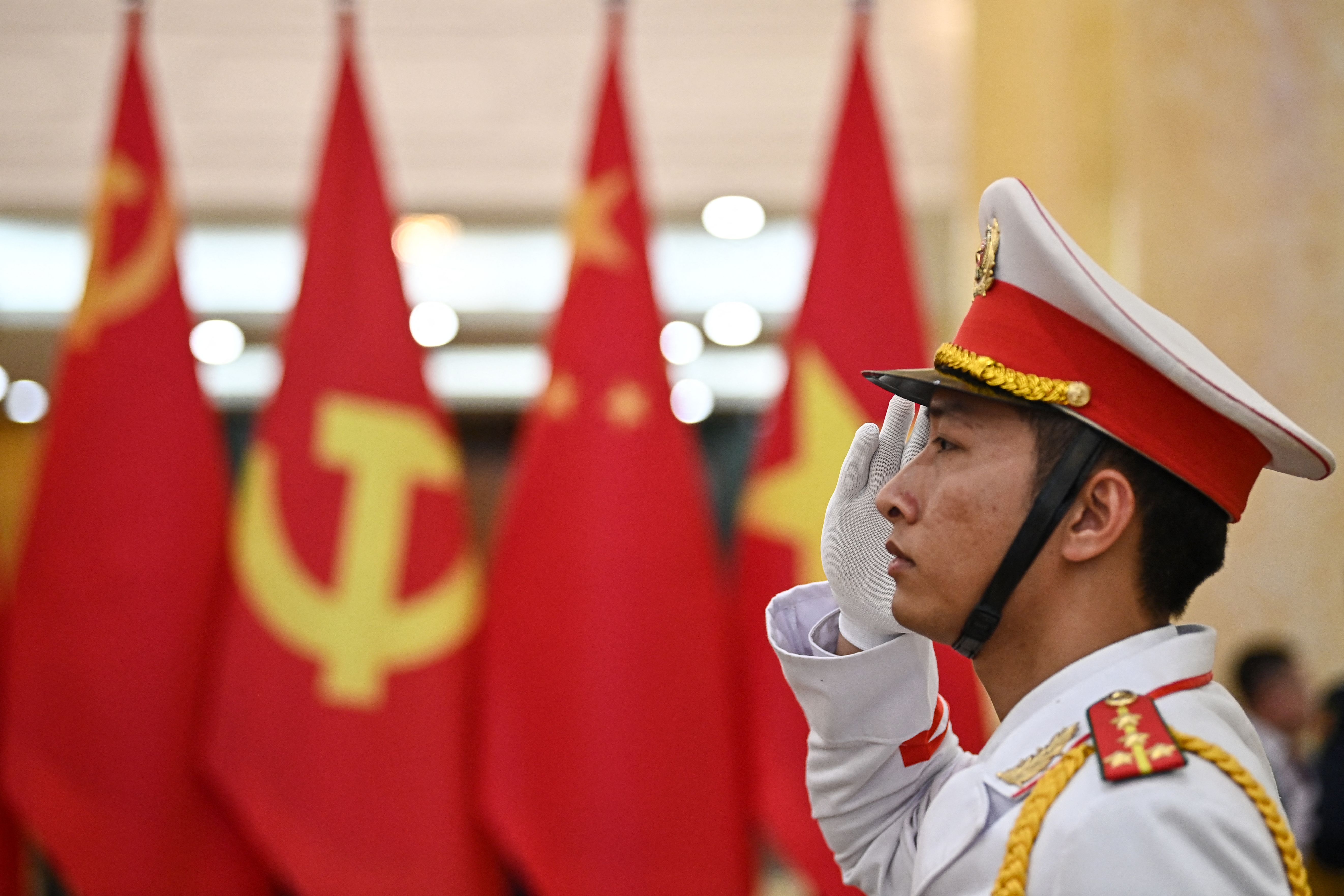
In July 2025, Vietnam and China held their first joint army drill, a modest but symbolic move reflecting Hanoi’s strategic hedging amid U.S.–China rivalry.

Nguyễn Khắc Giang
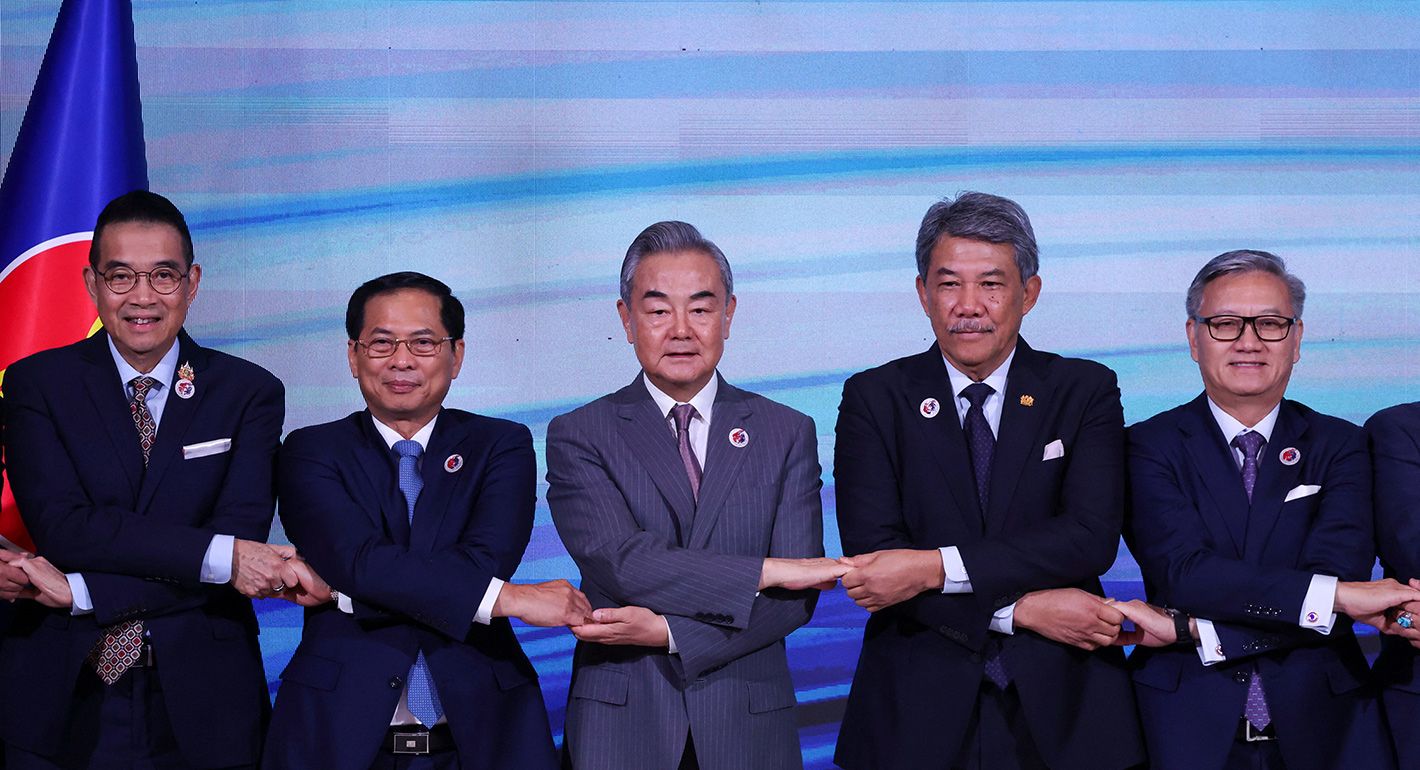
The Thai-Cambodian conflict highlights the limits to China's peacemaker ambition and the significance of this role on Southeast Asia’s balance of power.

Pongphisoot (Paul) Busbarat
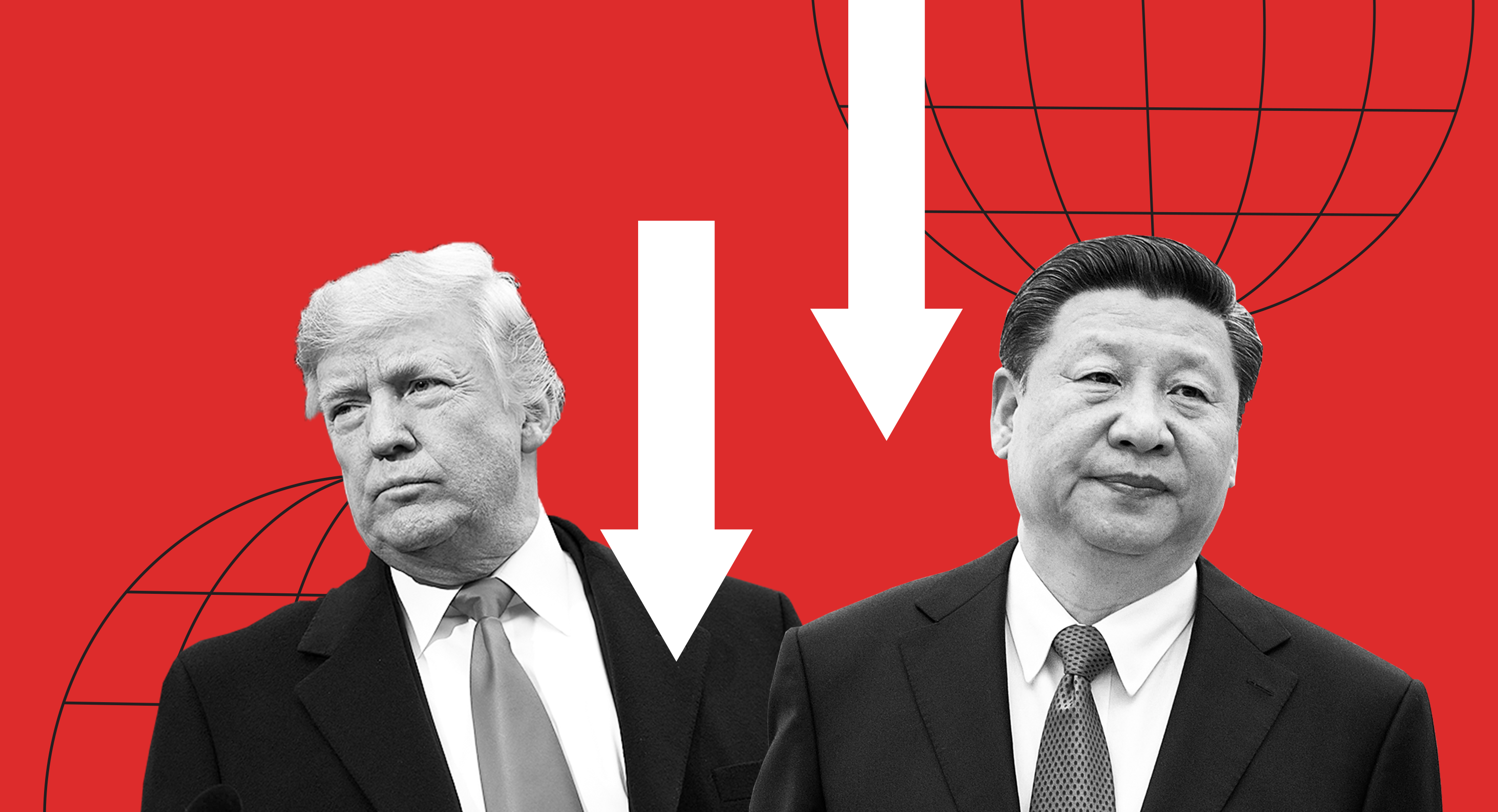
Beijing believes that Washington is overestimating its own leverage and its ability to handle the trade war’s impacts.


Rick Waters, Sheena Chestnut Greitens
Tapping our network of China experts in the region, Carnegie China offers this latest “China Through a Southeast Asian Lens” report to offer preliminary assessments of whether the U.S. effort to reshape the global trading order will lead countries in the region to tilt toward Beijing.


Selina Ho, Khin Khin Kyaw Kyee, Joseph Ching Velasco, …
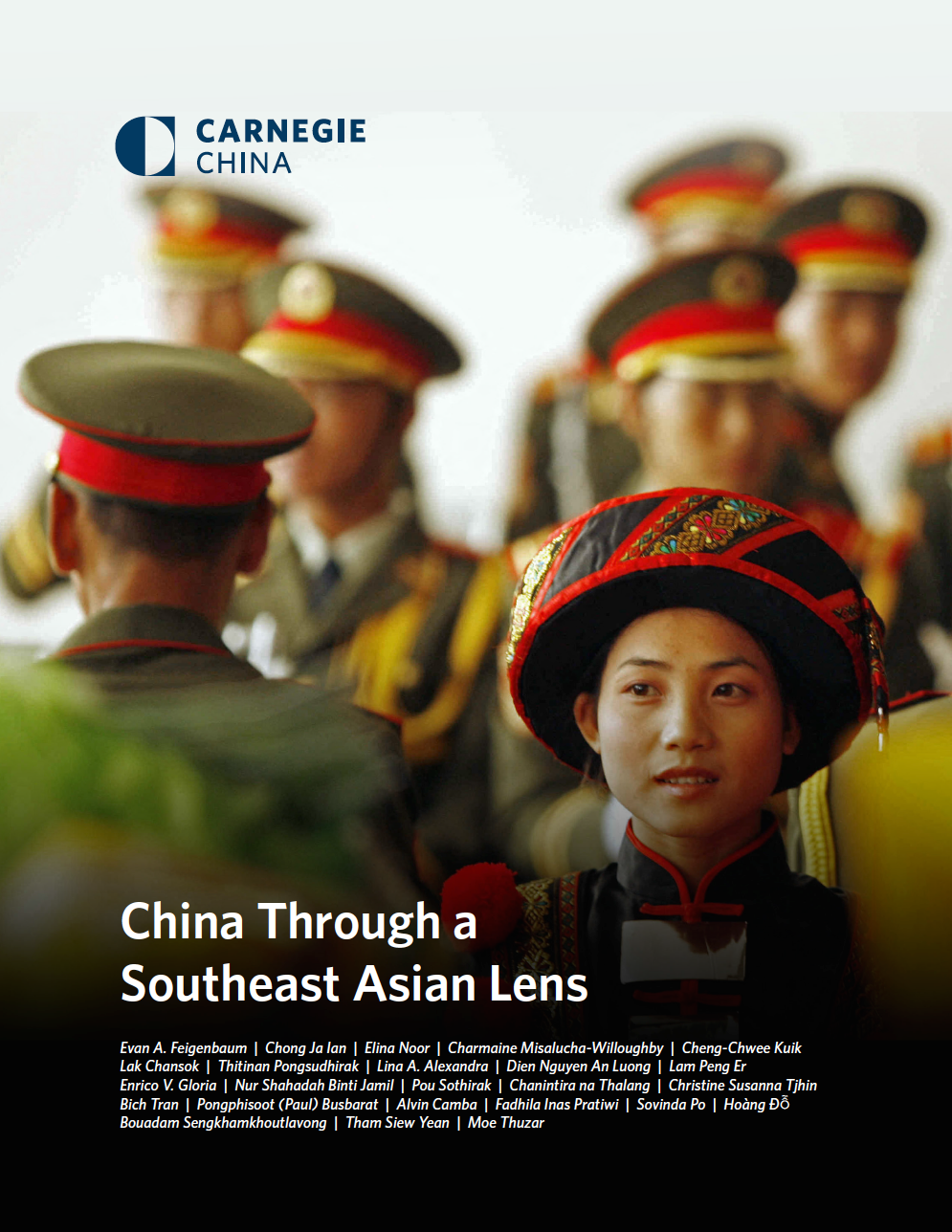
Because strategic, economic, and ideological perceptions of China contain multiple, sometimes contradictory facets in Southeast Asia, receptions of and responses to Beijing diverge across and within state lines.



Evan A. Feigenbaum, Chong Ja Ian, Elina Noor