

Article
- +1
Toby Dalton, Mark Hibbs, Nicole Grajewski, …
{
  "authors": [
    "Mark Hibbs"
  ],
  "type": "legacyinthemedia",
  "centerAffiliationAll": "dc",
  "centers": [
    "Carnegie Endowment for International Peace",
    "Malcolm H. Kerr Carnegie Middle East Center"
  ],
  "collections": [
    "Iranian Proliferation"
  ],
  "englishNewsletterAll": "ctw",
  "nonEnglishNewsletterAll": "",
  "primaryCenter": "Carnegie Endowment for International Peace",
  "programAffiliation": "NPP",
  "programs": [
    "Nuclear Policy"
  ],
  "projects": [],
  "regions": [
    "Middle East",
    "Iran"
  ],
  "topics": [
    "Nuclear Policy"
  ]
}
Source: Getty
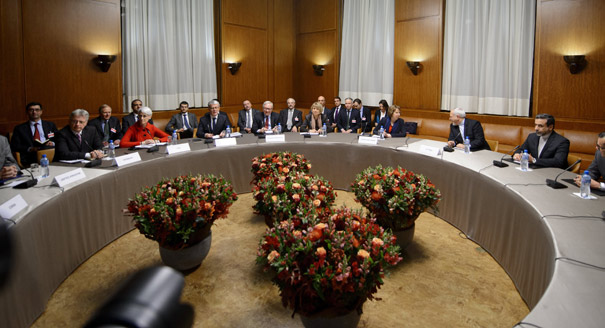
The international community must be aware of the risks and opportunities inherent in a final deal over Iran’s nuclear program.
Source: Bulletin of the Atomic Scientists
The agreement reached in Geneva has been widely received with approval and some relief, including by myself, for very good reasons. The deal gives us a baseline for building confidence toward the longer-term goal of reducing the threat that Iran will become a nuclear-armed state. Without such an initial understanding with Iran on how to proceed in this direction, the ultimate logic of Iran’s uninterrupted nuclear development is that the United States and Israel will edge toward a war with Iran.
The agreement made in Geneva, however, stands between aspirations and hard realities. The aspirations are for an Iran that negotiates with the P5+1 powers a comprehensive and permanent solution to the crisis. The endgame would be an Iran that is in the NPT, in full compliance with its obligations, and that enjoys a “broader conclusion” from the IAEA that its nuclear program is fully understood and exclusively dedicated to peaceful use, and without a virtual nuclear weapon capability. In return, Iran would no longer be under sanctions, and, to the extent possible, it would have a cooperative relationship with the United States and other Western powers.The hard realities include the possibility that, on the basis of its previous behavior, Iran may see the initial agreement as yet another opportunity to buy time, to continue developing and adding to its sensitive nuclear capabilities, and to leverage these assets in interminable negotiations with the powers that do not result in a final long-term accord commiting Iran to limits on the scope and extent of its sensitive nuclear activities.
If Iran sees the value of fully complying with the terms of the initial agreement, and the US administration is permitted by the US Congress to respond by negotiating, concluding, and bringing into force with Iran a long-term agreement, we may turn the corner on the Iran nuclear crisis. If instead Iran sees the initial agreement as a tactical opportunity to keep on a trajectory of accumulating more sensitive nuclear assets, the crisis will continue, and Iran’s leverage may increase.
This article was originally published in Bulletin of the Atomic Scientists.

Nonresident Senior Fellow, Nuclear Policy Program
Hibbs is a Germany-based nonresident senior fellow in Carnegie’s Nuclear Policy Program. His areas of expertise are nuclear verification and safeguards, multilateral nuclear trade policy, international nuclear cooperation, and nonproliferation arrangements.
Recent Work

Toby Dalton, Mark Hibbs, Nicole Grajewski, …
Mark Hibbs
Carnegie does not take institutional positions on public policy issues; the views represented herein are those of the author(s) and do not necessarily reflect the views of Carnegie, its staff, or its trustees.
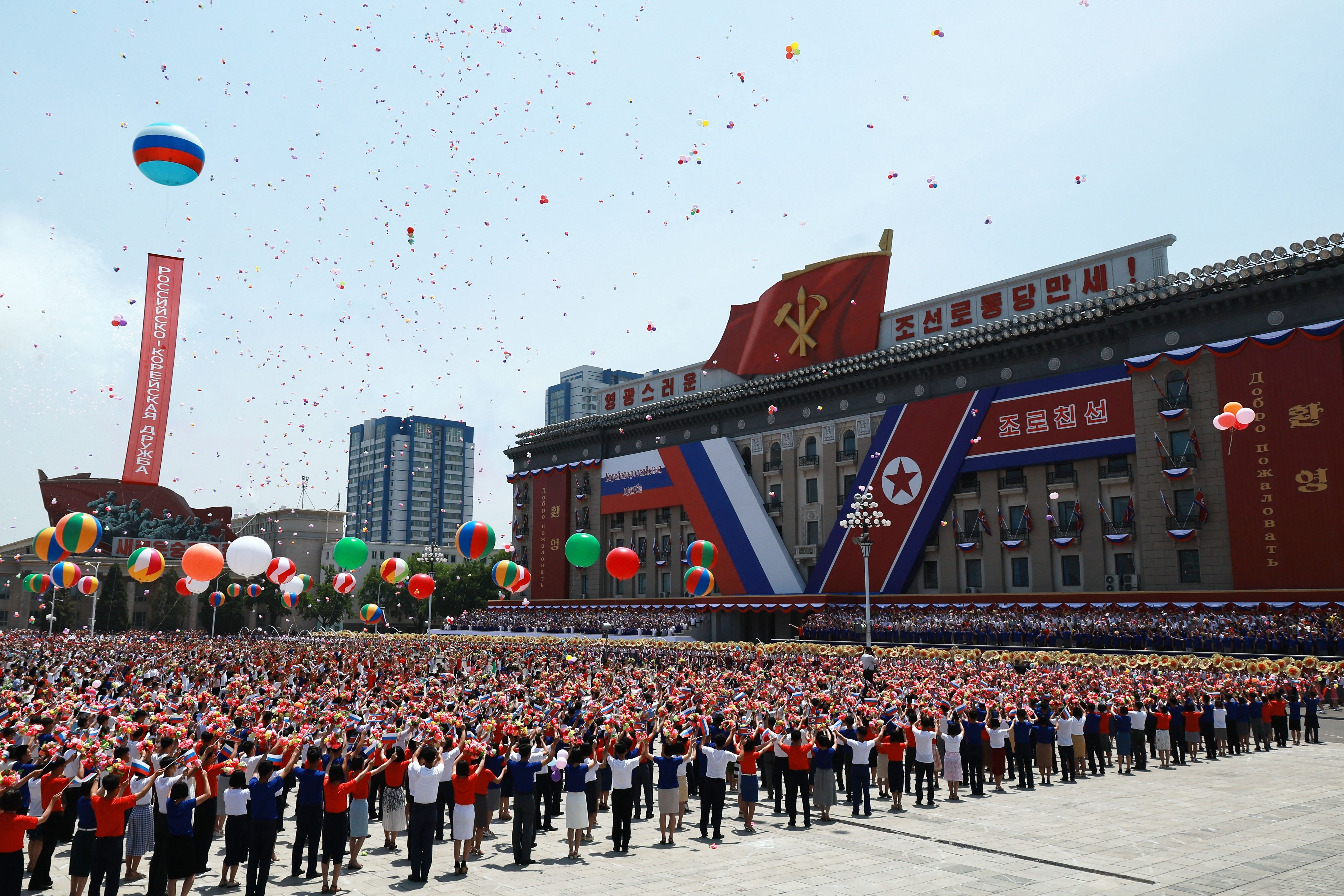
Faced with an increase in strategic maneuvering by Moscow and Pyongyang, Beijing will not sit idly by and allow Putin and Kim to shape the security environment on its behalf.

Tong Zhao
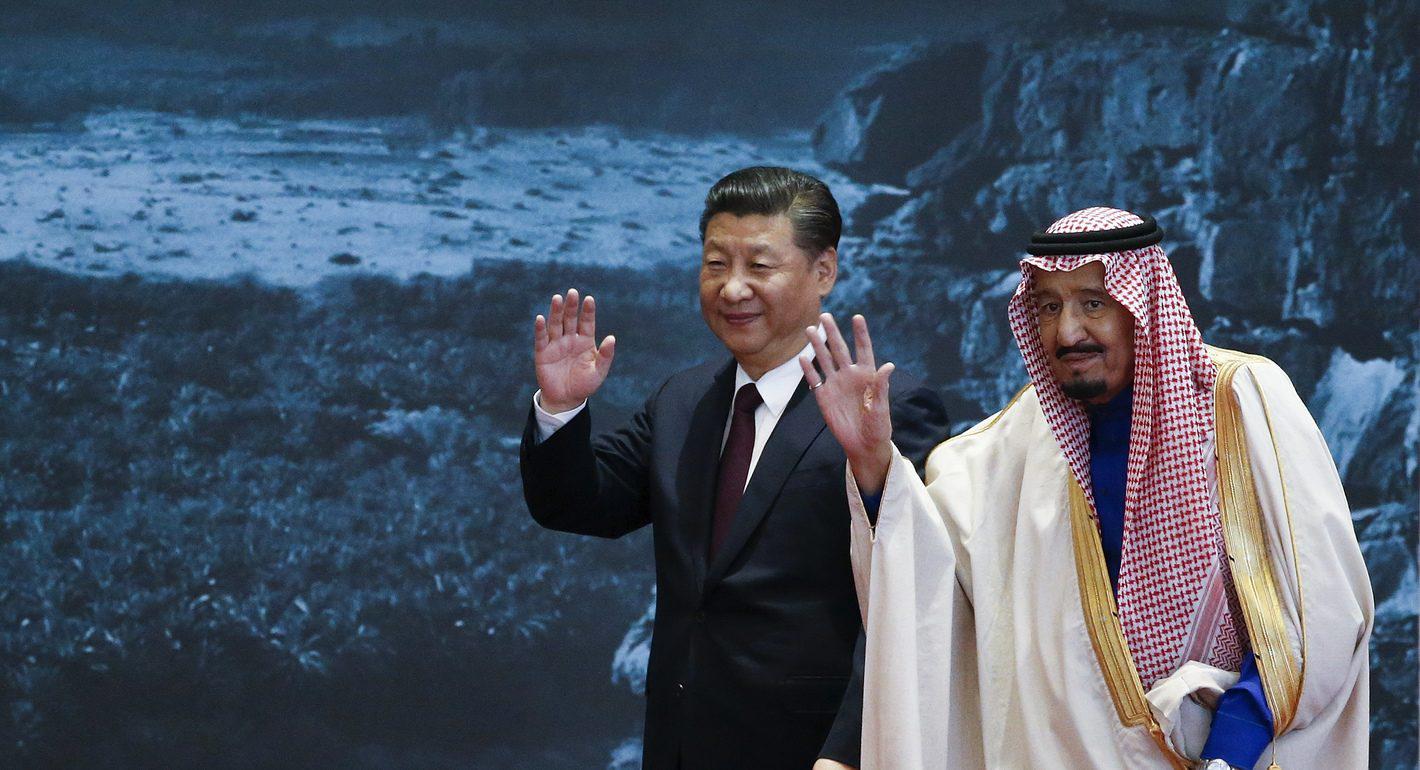
The advantage that China has over other global powers, especially America, is that its foreign policy is closely aligned with those of many of the Middle Eastern countries.


Jin Liangxiang, Maha Yahya, Hesham Alghannam

China views U.S. missile defense as posing a greater potential threat to China’s nuclear deterrent than other U.S. military capabilities.
Tong Zhao, Dmitry Stefanovich
“It’s not so clear how we’re going to get out of this.”

Paul Haenle, Philippe Le Corre

It’s about managing oil prices, bread prices, and strategic partnerships.



Amr Hamzawy, Karim Sadjadpour, Aaron David Miller, …