

Commentary
Michael Pettis
{
  "authors": [
    "Michael Pettis"
  ],
  "type": "legacyinthemedia",
  "centerAffiliationAll": "dc",
  "centers": [
    "Carnegie Endowment for International Peace"
  ],
  "collections": [],
  "englishNewsletterAll": "asia",
  "nonEnglishNewsletterAll": "",
  "primaryCenter": "Carnegie Endowment for International Peace",
  "programAffiliation": "AP",
  "programs": [
    "Asia"
  ],
  "projects": [],
  "regions": [
    "East Asia",
    "China"
  ],
  "topics": [
    "Economy"
  ]
}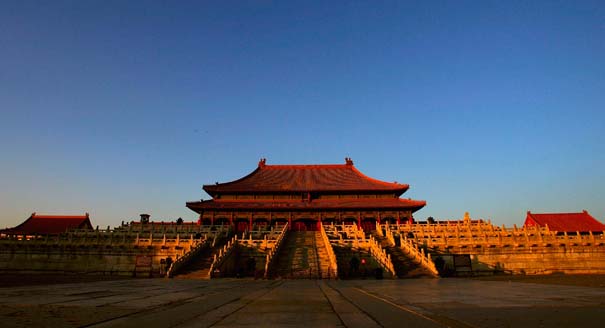
Source: Getty
The reforms necessary to rebalance China’s economy require the political resolve to reallocate resources and benefits from state elites to households.
Source: CNBC
Carnegie’s Michael Pettis spoke on CNBC about what to expect from the Third Plenum of the 18th Chinese Communist Party Congress. Pettis explained that China has historically grown by pouring investment into manufacturing and construction, and that these investments have disproportionately benefited the elite. Going forward, China must reallocate resources away from the government elite and toward small- and medium-size private enterprises and Chinese households, he said.
Although most economists agree that this is the path that China must take with its economic reforms, this is really a political issue about the distribution of the benefits of growth, which Pettis said makes him pessimistic about how much progress can be made. When asked about the prospects for political reform, Pettis explained that historically only competitive democracies and centralized authoritarian regimes have successfully undertaken such sweeping structural reforms. As such, he argued that, since a rapid transition to democracy is not feasible, “a stable and orderly adjustment may require increasing concentration of power” in the hands of President Xi Jinping and his allies.

Nonresident Senior Fellow, Carnegie China
Michael Pettis is a nonresident senior fellow at the Carnegie Endowment for International Peace. An expert on China’s economy, Pettis is professor of finance at Peking University’s Guanghua School of Management, where he specializes in Chinese financial markets.
Recent Work
Michael Pettis
Michael Pettis

China’s political future will be shaped between now and next October. As the Communist Party enters its intense “campaign season” to prepare for a major political transition in 2027, reading Beijing's actions and responses may become more difficult as domestic politics weigh on its behavior more than usual.

Damien Ma
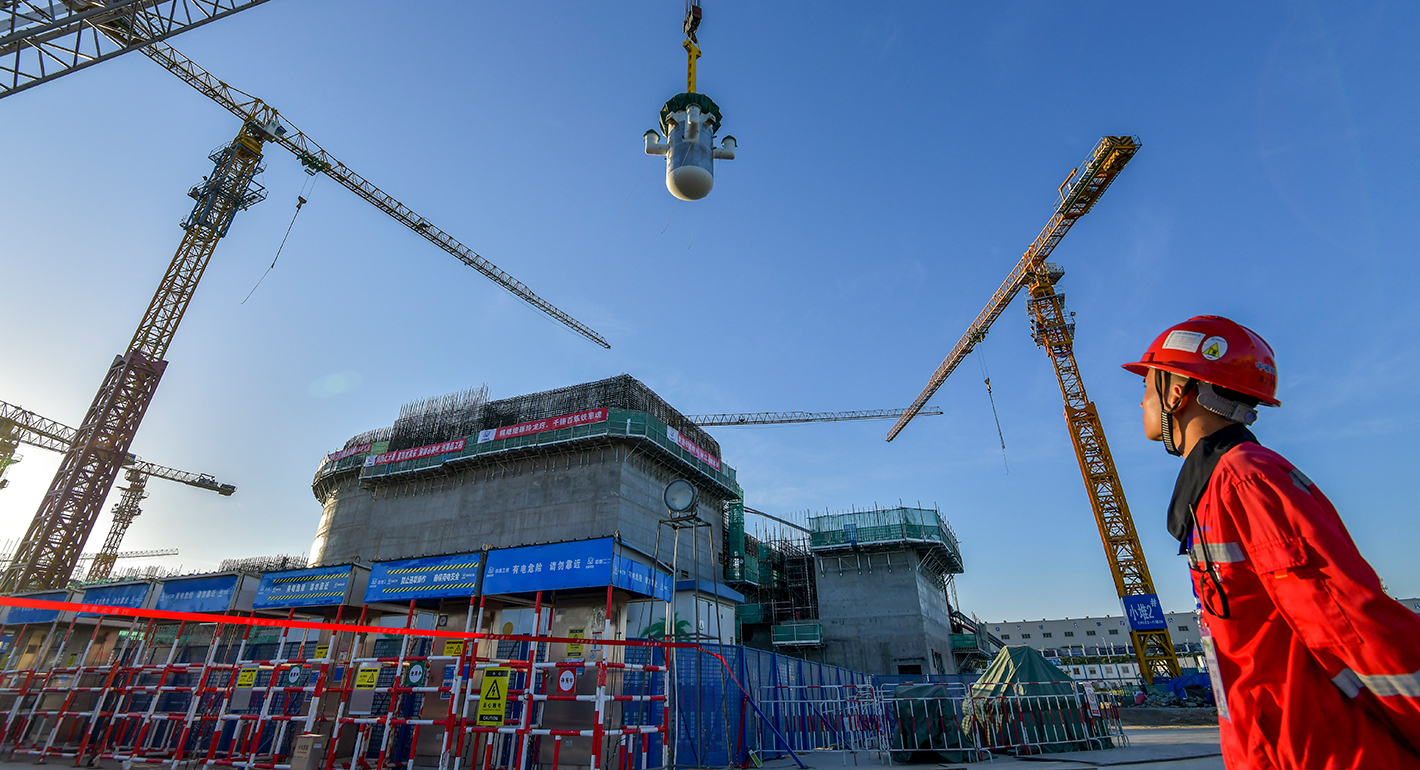
China has showcased its engineering prowess with small modular reactor demonstration projects. But turning these technological achievements into commercial success will be a greater challenge.

Tong Zhao

The Plaza Accord was not an externally imposed punishment of Japan but part of a broader restructuring that Japanese economists and policymakers themselves recognized was necessary. Its effects were undermined, however, when Tokyo responded to the resulting slowdown with policies that exacerbated investment, credit expansion, and the very imbalances the adjustment was intended to resolve.
Michael Pettis
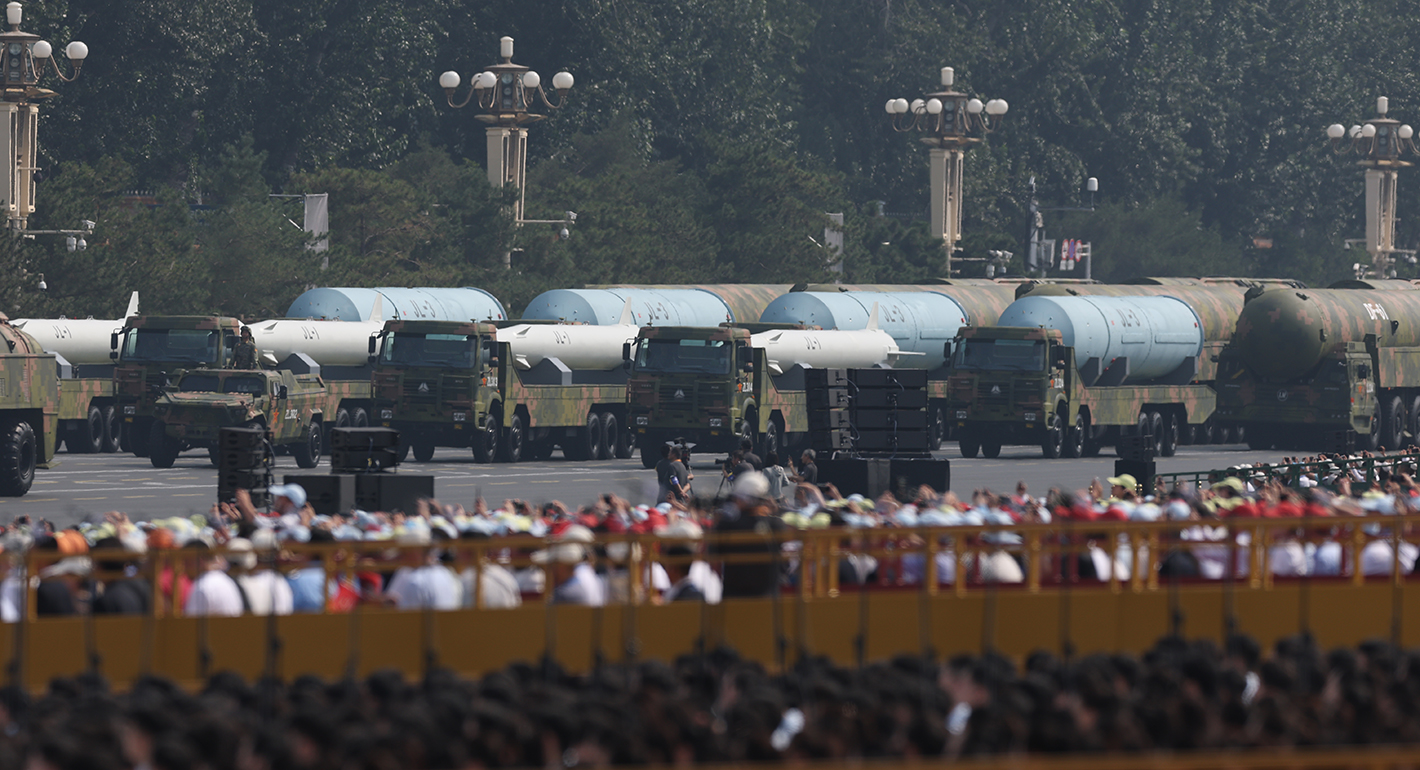
The nuclear relationship between China and the United States is increasingly shaped by widening perception gaps rather than deliberate strategic design.
Tong Zhao
China’s banking crisis in the 2000s was resolved by transferring the costs to households through financial repression—a decision that recapitalized the banks while exacerbating the structural imbalances that continue to shape the Chinese economy today.
Michael Pettis