

Commentary
Transactional relationships are stable but can be shallow.
- +1
Paul Haenle, Maha Yahya, Benjamin Ho, …
{
  "authors": [],
  "type": "other",
  "centerAffiliationAll": "dc",
  "centers": [
    "Carnegie Endowment for International Peace"
  ],
  "collections": [
    "Arab Awakening"
  ],
  "englishNewsletterAll": "menaTransitions",
  "nonEnglishNewsletterAll": "",
  "primaryCenter": "Carnegie Endowment for International Peace",
  "programAffiliation": "MEP",
  "programs": [
    "Middle East"
  ],
  "projects": [],
  "regions": [
    "North Africa",
    "Egypt"
  ],
  "topics": [
    "Political Reform",
    "Democracy",
    "Civil Society",
    "Religion"
  ]
}
Source: Getty
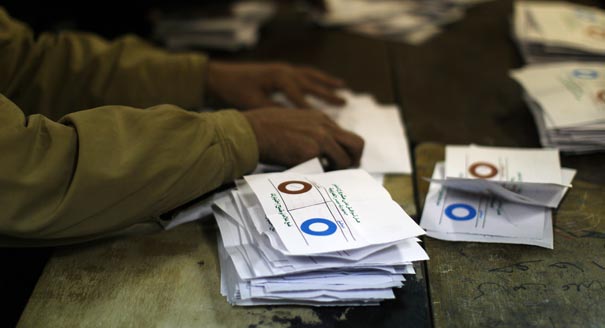
This page offers a selection of important laws and constitutional developments in Egypt following the January 25 Revolution.
Anti-Terrorism Law | English | Arabic
Parliamentary Elections Law | Arabic
Terrorist Entities Law | English | Arabic
Parliament Redistricting Law | Arabic
Presidential decree to deport foreign detainees | English | Arabic
Statement by Egyptian rights groups on proposed NGO law | English | Arabic
Parliamentary Elections Law | English | Arabic
Political Rights Law | Arabic
Articles on amendments to terrorism-related laws | English | Arabic
2014 Presidential Election Law | English | Arabic
2014 Constitution, January 2014, passed by popular referendum | English | Arabic
Comparing Egypt’s Constitutions | English
2013 Protest Law | English | Arabic
Constitutional Declaration, July 2013, issued by Interim President Adly Mansour | English | Arabic
Transitional Road Map, July 2013, issued by Supreme Council of the Armed Forces | English
Constitutional Declaration, December 2012, issued by President Mohamed Morsi | English | Arabic
Controversial Articles in the 2012 Egyptian Constitution | English
2012 Constitution, December 2012, passed by popular referendum | English | Arabic
Constitutional Declaration, November 2012, issued by President Mohamed Morsi | English | Arabic
Constitutional Declaration, August 2012, issued by President Mohamed Morsi | English | Arabic
Constitutional Declaration, June 2012, issued by the Supreme Council of the Armed Forces | English | Arabic
Constitutional Amendments, March 2011, passed by popular referendum | English | Arabic
Constitutional and Legal Framework Prior to the January 25 Revolution | English
Carnegie does not take institutional positions on public policy issues; the views represented herein are those of the author(s) and do not necessarily reflect the views of Carnegie, its staff, or its trustees.
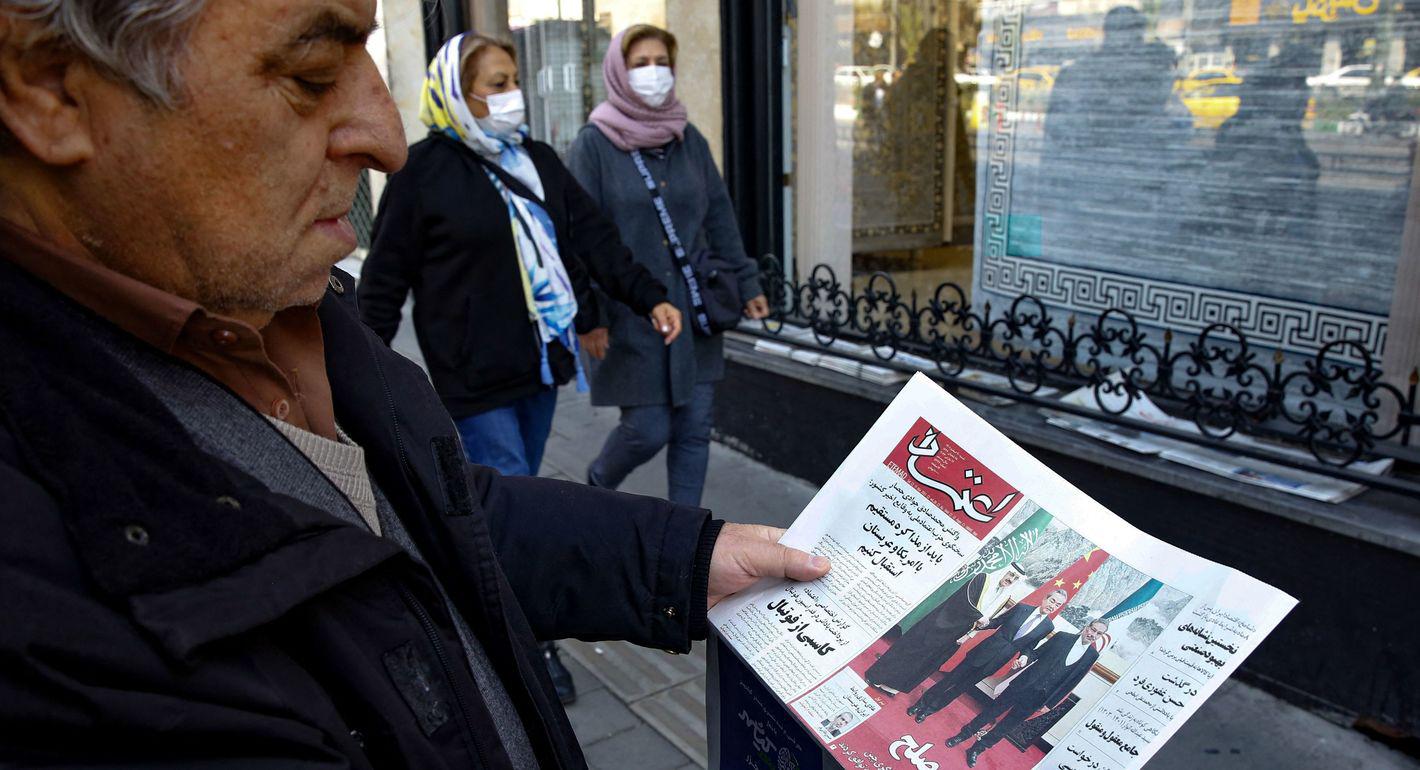
Transactional relationships are stable but can be shallow.



Paul Haenle, Maha Yahya, Benjamin Ho, …
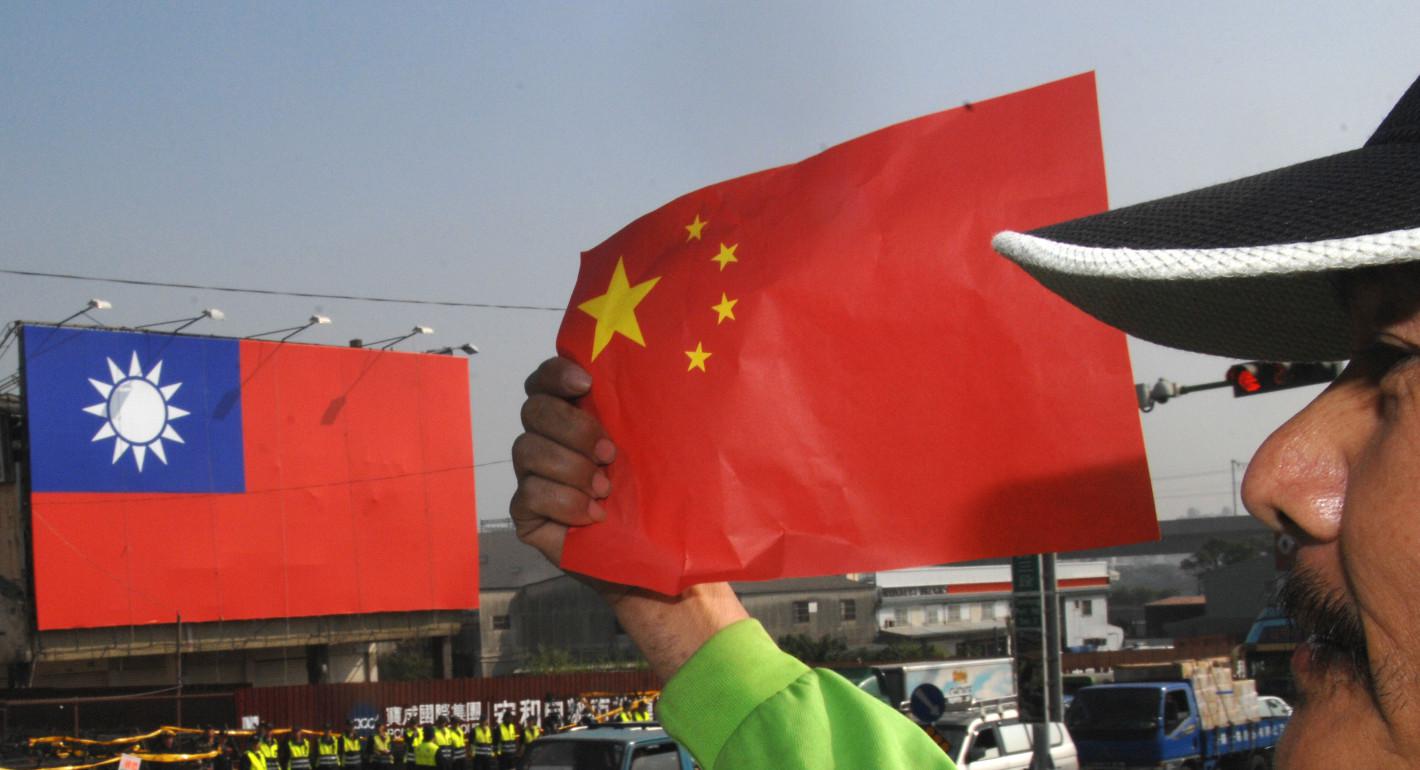
Beijing says that over 180 countries accept its “one China principle” regarding Taiwan, but the reality is more complicated.

Chong Ja Ian

Beijing must choose between preserving its pandemic narrative or facing more unrest.
Paul Haenle

It’s about managing oil prices, bread prices, and strategic partnerships.



Amr Hamzawy, Karim Sadjadpour, Aaron David Miller, …
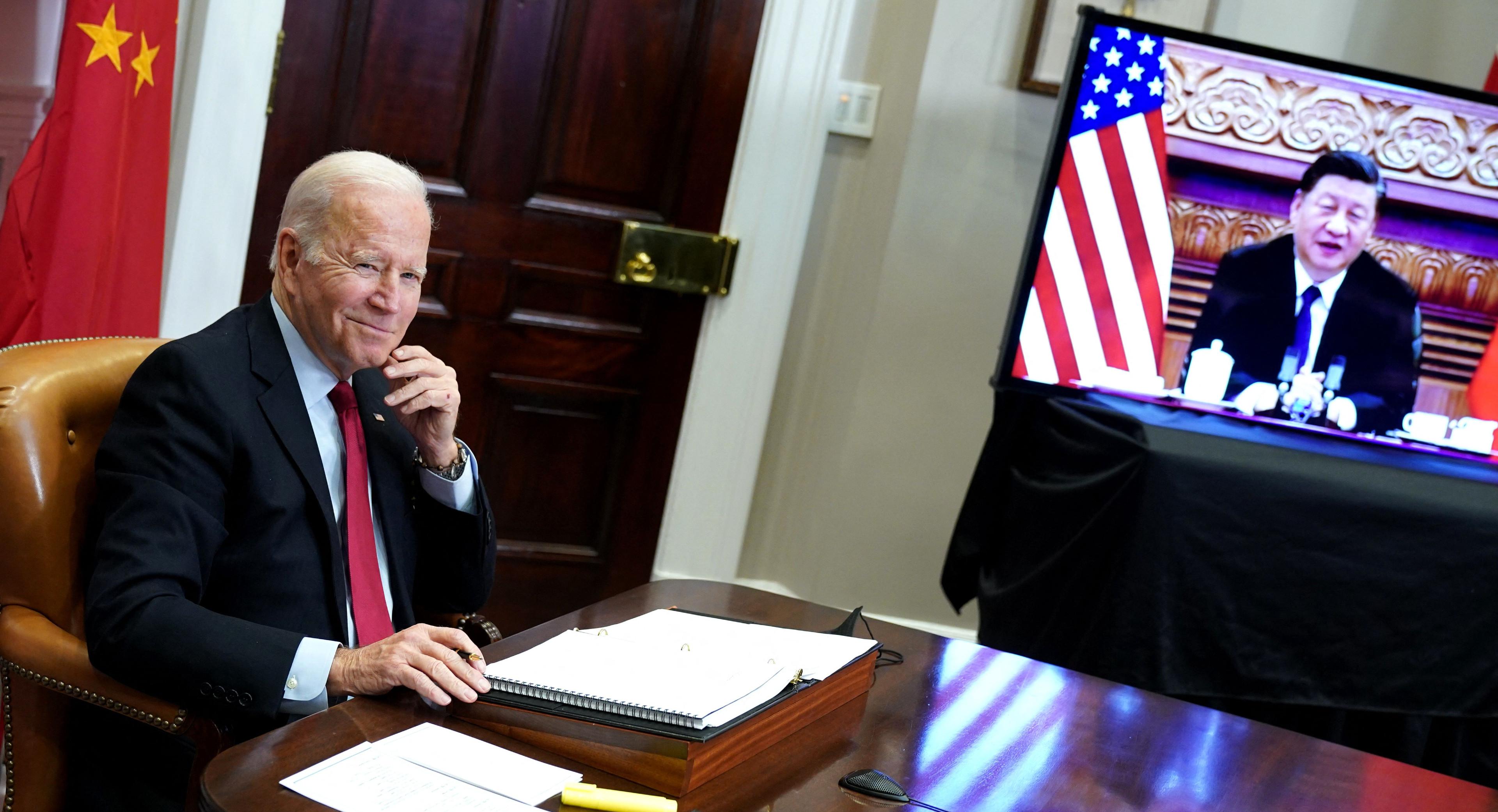
Three months after the Biden-Xi summit, the two sides’ divergent framings of the bilateral relationship are hindering progress.
Paul Haenle, Sam Bresnick