

Article
Carole Nakhle
{
  "authors": [
    "Carole Nakhle"
  ],
  "type": "legacyinthemedia",
  "centerAffiliationAll": "dc",
  "centers": [
    "Carnegie Endowment for International Peace",
    "Malcolm H. Kerr Carnegie Middle East Center"
  ],
  "collections": [],
  "englishNewsletterAll": "menaTransitions",
  "nonEnglishNewsletterAll": "",
  "primaryCenter": "Malcolm H. Kerr Carnegie Middle East Center",
  "programAffiliation": "MEP",
  "programs": [
    "Middle East"
  ],
  "projects": [],
  "regions": [
    "Gulf",
    "Middle East"
  ],
  "topics": [
    "Economy"
  ]
}
Source: Getty
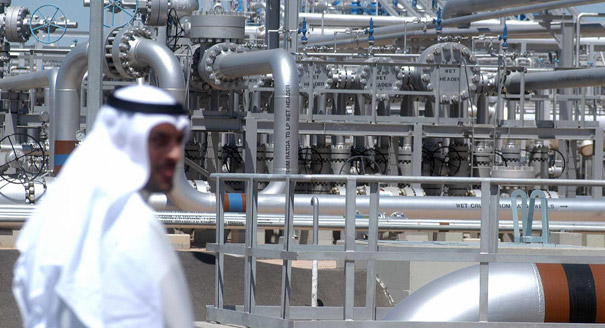
Kuwait is one of the richest countries in the world, but due to its lack of economic diversification, any potential decline in the oil price could cause serious problems to its economy.
Source: VoiceAmerica
Even though Kuwait is producing an average of 2.8 to three million barrels a day, Nakhle said that the situation is also worrisome: “You have eighty percent of government revenue coming from the oil sector. So, there are no other sectors in the economy to compensate for any potential decline in oil price. That would be a key concern for the sustainability of the Kuwaiti economy.”
Discussing foreign investment, Nakhle said that Project Kuwait, a project put in place in the mid-1990s that required oil companies to be involved in the upstream sector without really owning the production had been “nearly forgotten,” because the Kuwaitis “didn’t want the foreign investors—not even to have control over operational management.”
Nakhle added that if there is a potential deal in Iran, it would be interesting to find out “what kind of agreements or contracts Iran would offer to investors and whether Kuwait would learn from what its neighbor will be doing.”
This interview was broadcasted on VoiceAmerica’s “Emerging and Frontier Markets Investing.”
Former Nonresident Scholar, Middle East Center
Nakhle was a nonresident scholar at Carnegie Middle East Center, specializing in international petroleum contracts and fiscal regimes for the oil and gas industry, world oil and gas market developments, energy policy, and oil and gas revenue management.
Recent Work
Carole Nakhle
Carole Nakhle
Carnegie does not take institutional positions on public policy issues; the views represented herein are those of the author(s) and do not necessarily reflect the views of Carnegie, its staff, or its trustees.

China’s banking crisis in the 2000s was resolved by transferring the costs to households through financial repression—a decision that recapitalized the banks while exacerbating the structural imbalances that continue to shape the Chinese economy today.

Michael Pettis

In the latest Five-Year Plan, the Chinese president cements the shift to an innovation-driven economy over a consumption-driven one.

Damien Ma
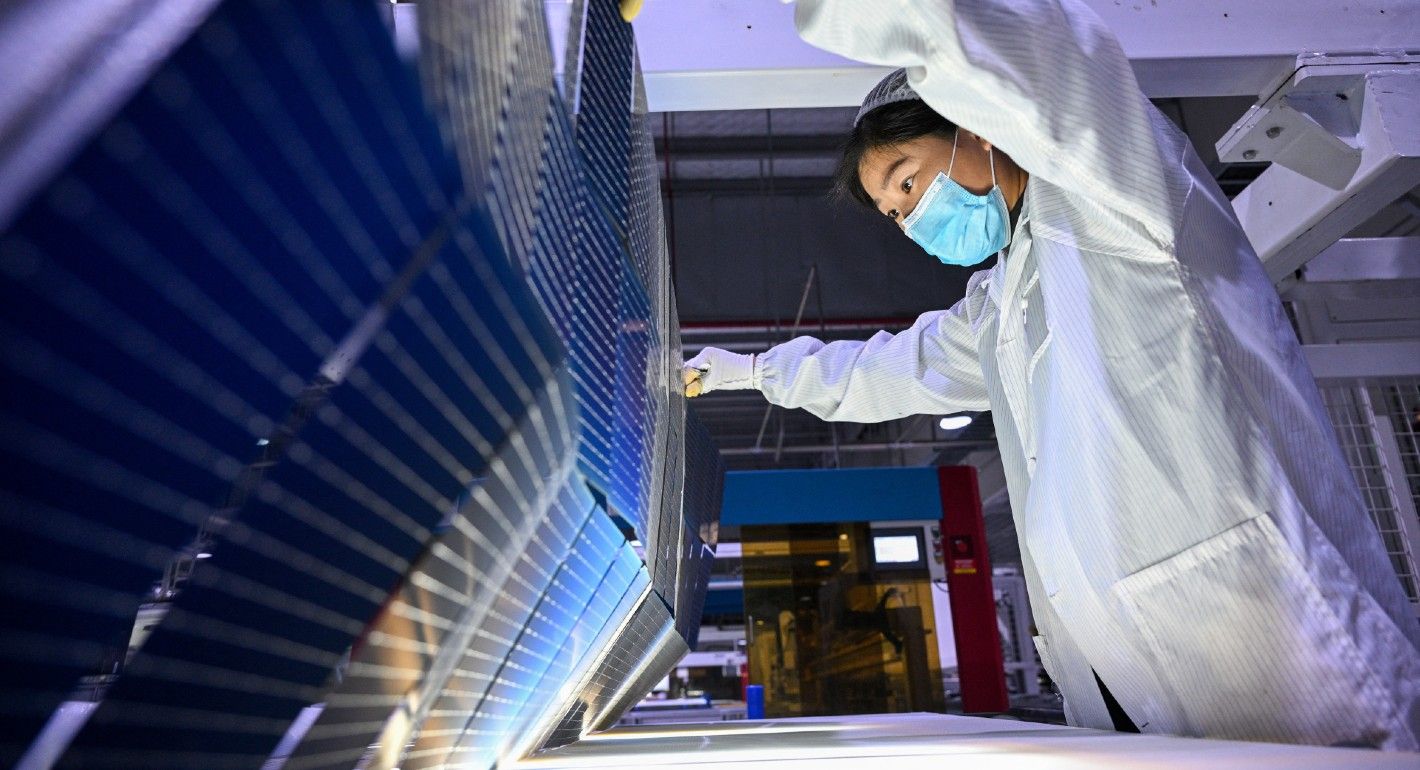
Rather than climate ambitions, compatibility with investment and exports is why China supports both green and high-emission technologies.

Mathias Larsen
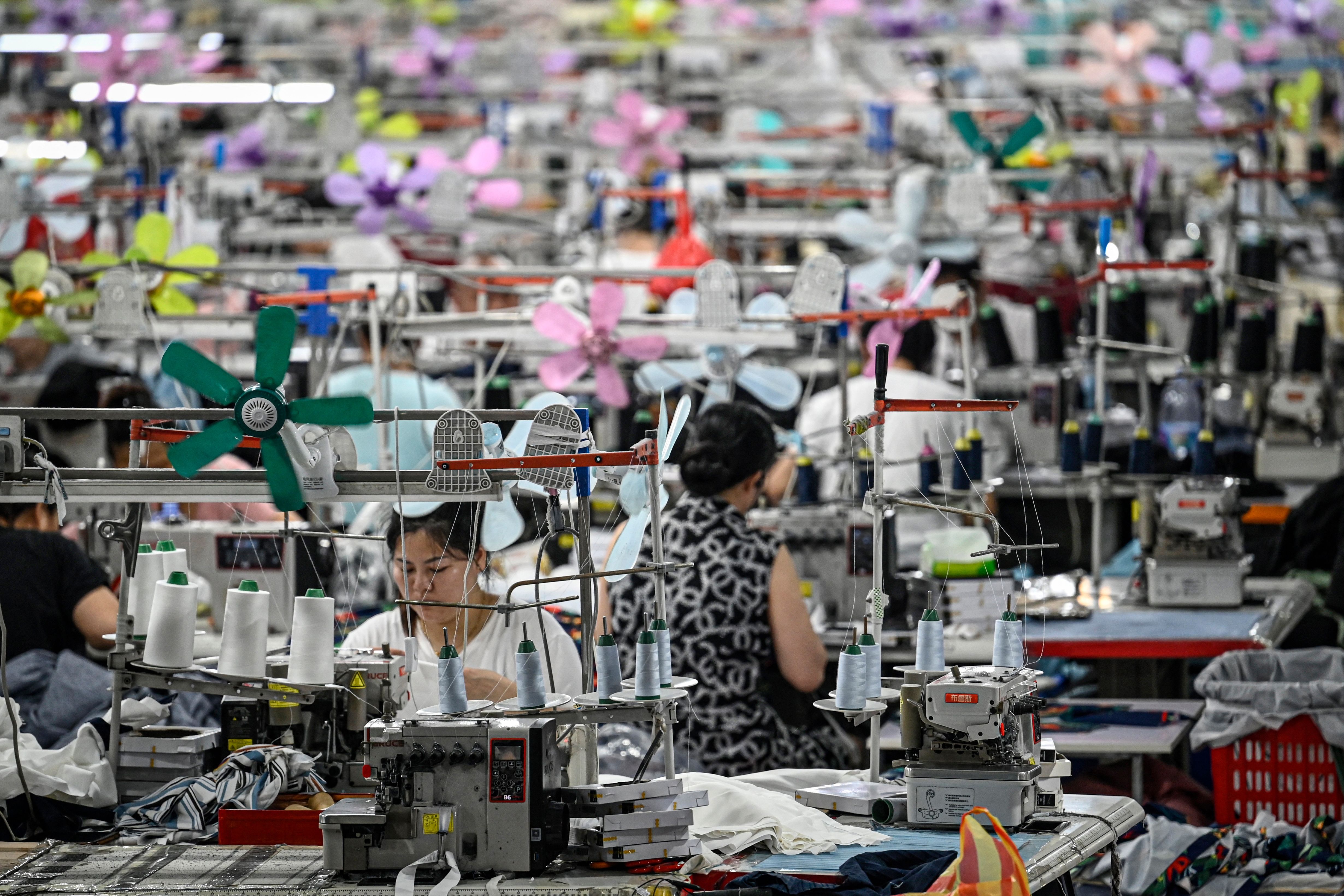
“Involution” is a new word for an old problem, and without a very different set of policies to rein it in, it is a problem that is likely to persist.
Michael Pettis

While China's investment story seems contradictory from the outside, the real answers to Beijing's high-quality growth ambitions are hiding in plain sight across the nation's cities.
Yuhan Zhang