

Commentary
Togzhan Kassenova
{
  "authors": [
    "Togzhan Kassenova"
  ],
  "type": "other",
  "centerAffiliationAll": "dc",
  "centers": [
    "Carnegie Endowment for International Peace"
  ],
  "collections": [],
  "englishNewsletterAll": "ctw",
  "nonEnglishNewsletterAll": "",
  "primaryCenter": "Carnegie Endowment for International Peace",
  "programAffiliation": "NPP",
  "programs": [
    "Nuclear Policy"
  ],
  "projects": [],
  "regions": [
    "Central Asia",
    "Kazakhstan"
  ],
  "topics": [
    "Nuclear Policy"
  ]
}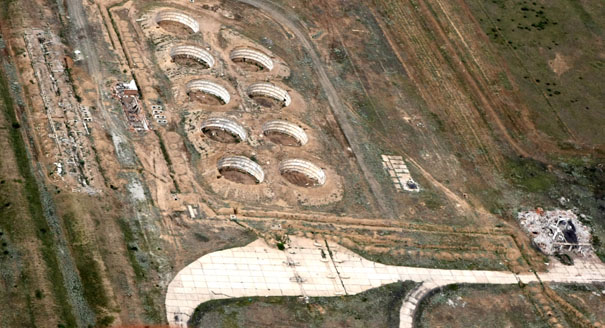
Source: Getty
Kazakhstan’s advanced nuclear industry and active foreign nuclear policy make it a significant player on the global nuclear scene.
Source: Central Asian Affairs
Kazakhstan’s role in the global nuclear order is far from minor. Blessed with abundant uranium resources, it is the world’s largest uranium producer. Kazakhstan’s nuclear sector made a major comeback after facing collapse in the early 1990s when the Soviet Union disintegrated. The state-owned company Kazatomprom has been gradually pursuing an advanced nuclear fuel cycle, including the capacity to produce nuclear fuel. Further, Kazakhstan is the only country in Central Asia that has made a firm commitment to developing nuclear energy.On the international scene, Kazakhstan’s nuclear diplomacy is rather ambitious as well. The country hosted Iranian nuclear talks in 2013 and will host the international nuclear fuel bank expected to be launched in 2015. These are just a couple of recent examples that confirm that Kazakhstan is seeking a greater role for itself in global nuclear politics....

Former Nonresident Fellow, Nuclear Policy Program
Kassenova was a nonresident fellow in the Nuclear Policy Program at the Carnegie Endowment.
Recent Work
Togzhan Kassenova

Toby Dalton, Togzhan Kassenova, Lauryn Williams
Carnegie does not take institutional positions on public policy issues; the views represented herein are those of the author(s) and do not necessarily reflect the views of Carnegie, its staff, or its trustees.

The nuclear relationship between China and the United States is increasingly shaped by widening perception gaps rather than deliberate strategic design.

Tong Zhao
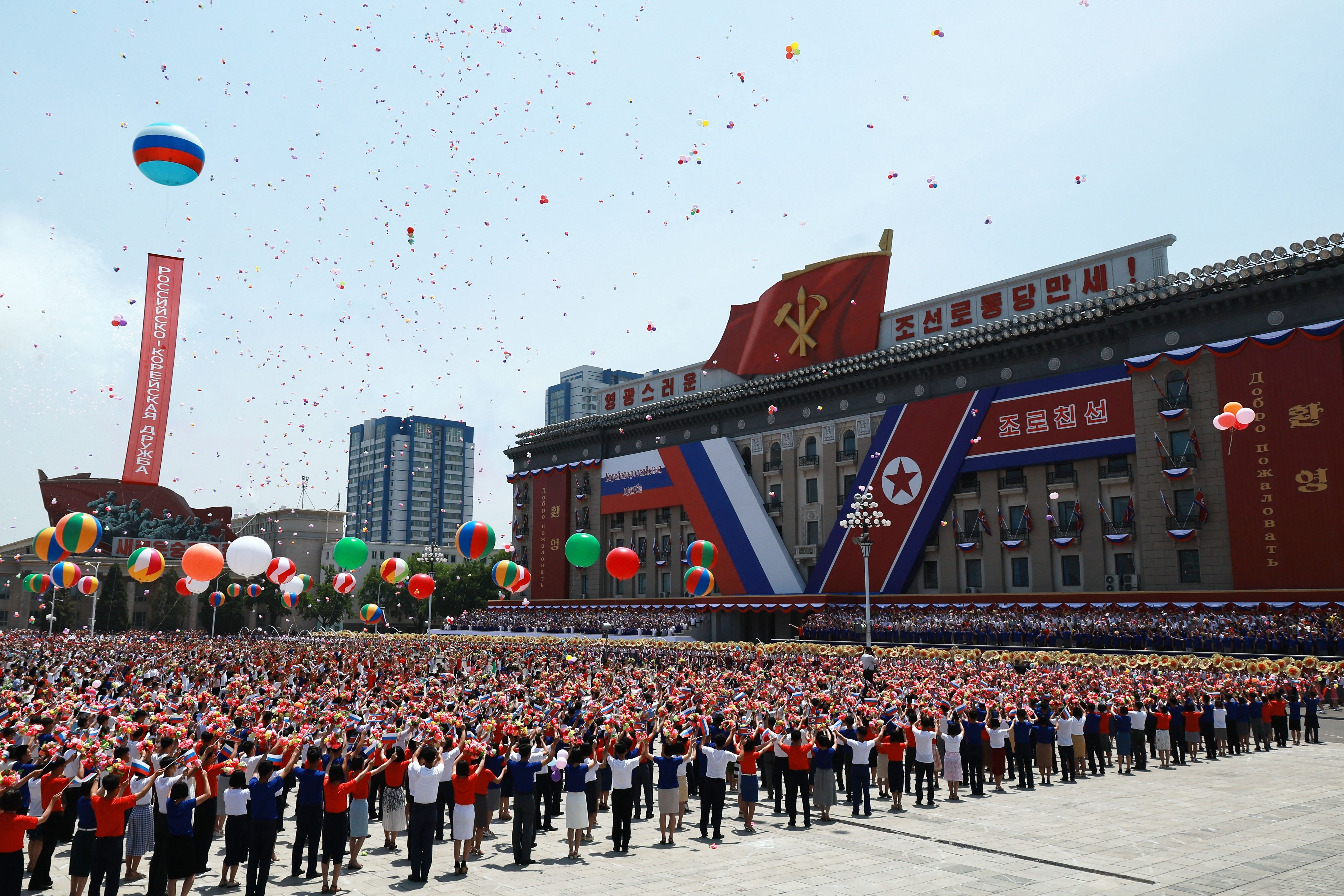
Faced with an increase in strategic maneuvering by Moscow and Pyongyang, Beijing will not sit idly by and allow Putin and Kim to shape the security environment on its behalf.
Tong Zhao
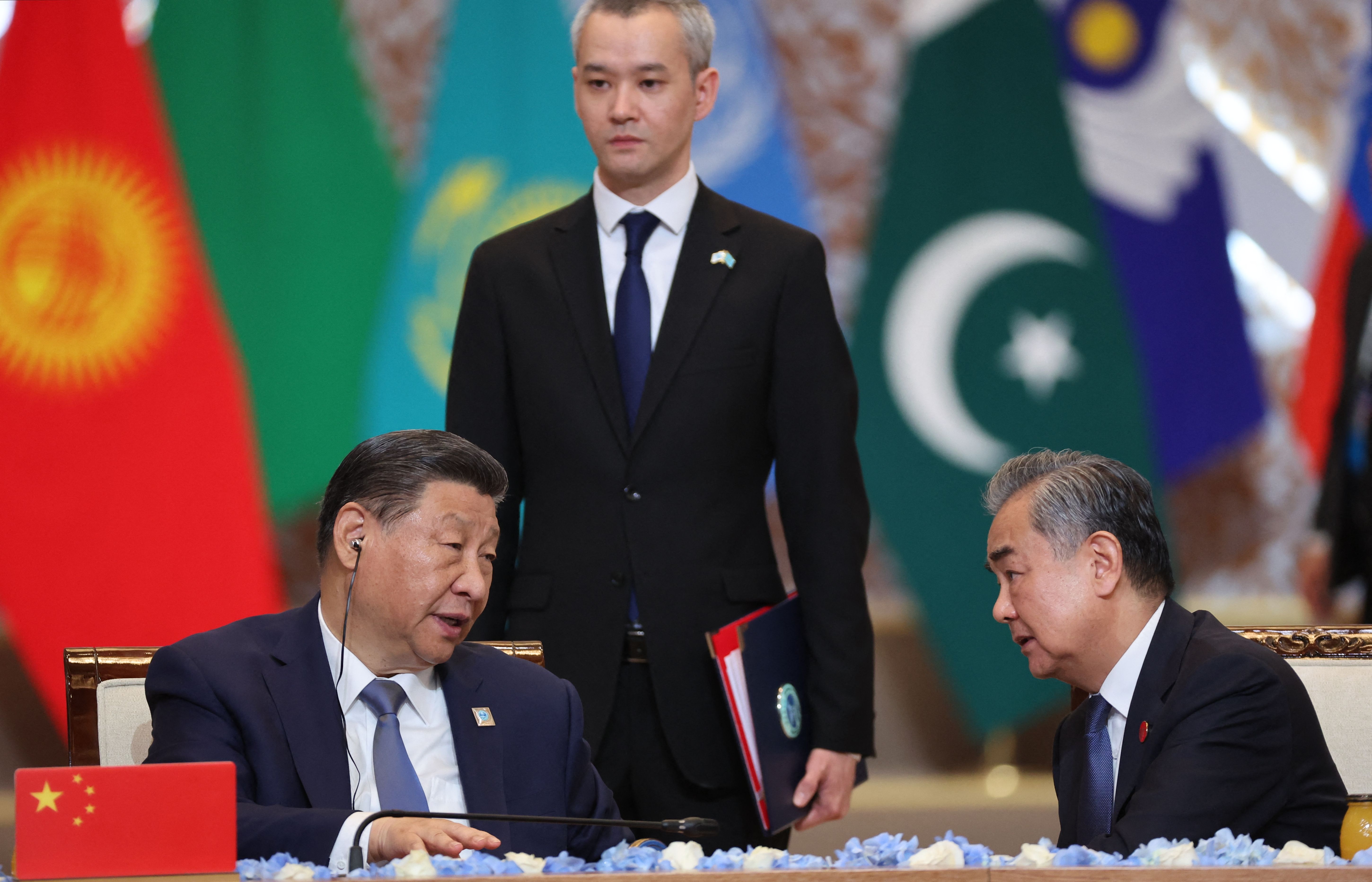
China’s growing attention to Central Asia is perceived as a harbinger of tectonic shifts in regional geopolitics.

Temur Umarov
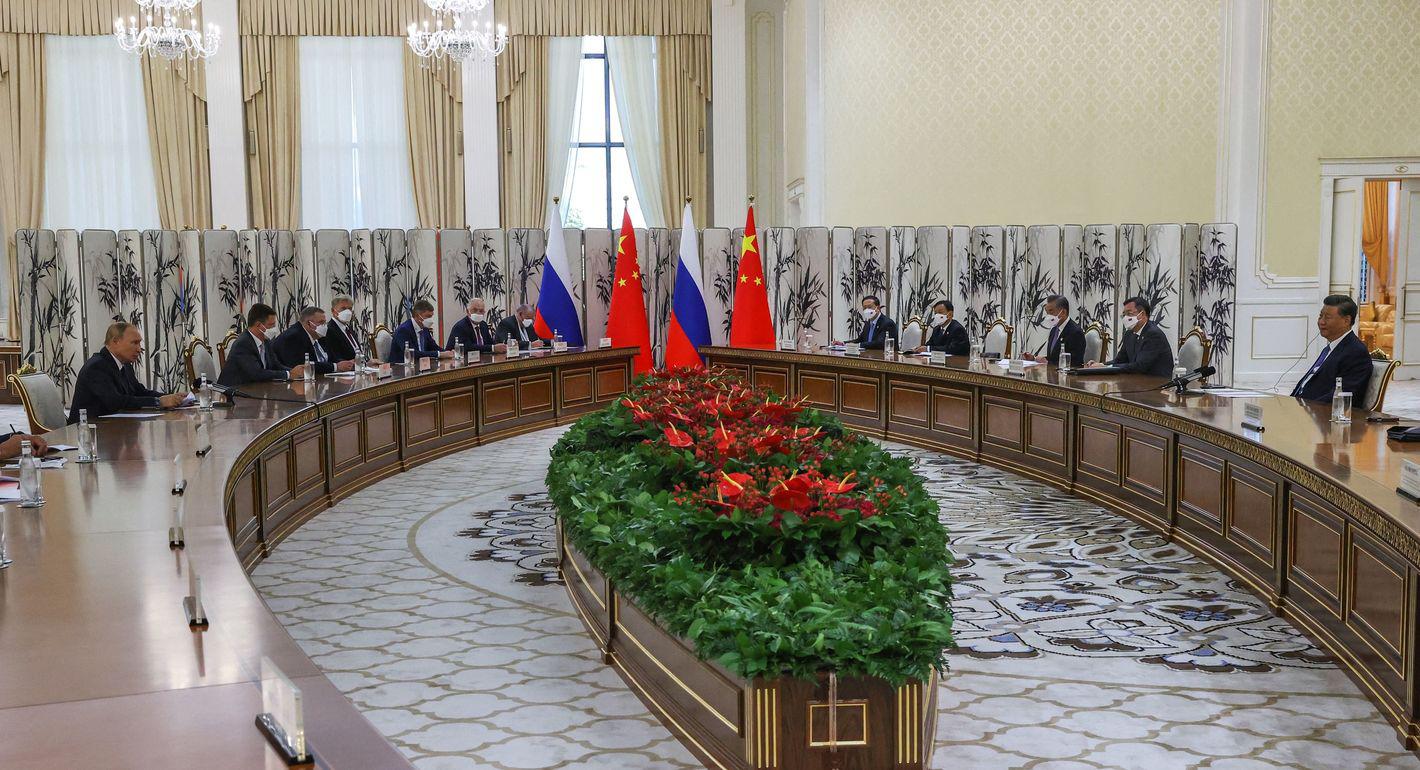
Russia has its Eurasian Economic Union, and China has its Belt and Road Initiative. For both projects, Central Asia is important.

Temur Umarov, Nargis Kassenova

China views U.S. missile defense as posing a greater potential threat to China’s nuclear deterrent than other U.S. military capabilities.
Tong Zhao, Dmitry Stefanovich