

In The Media
Lina Khatib
{
  "authors": [
    "Lina Khatib"
  ],
  "type": "other",
  "centerAffiliationAll": "",
  "centers": [
    "Carnegie Endowment for International Peace",
    "Malcolm H. Kerr Carnegie Middle East Center"
  ],
  "collections": [],
  "englishNewsletterAll": "",
  "nonEnglishNewsletterAll": "",
  "primaryCenter": "Malcolm H. Kerr Carnegie Middle East Center",
  "programAffiliation": "",
  "programs": [],
  "projects": [],
  "regions": [
    "Gulf",
    "Levant"
  ],
  "topics": [
    "Political Reform"
  ]
}
Source: Getty
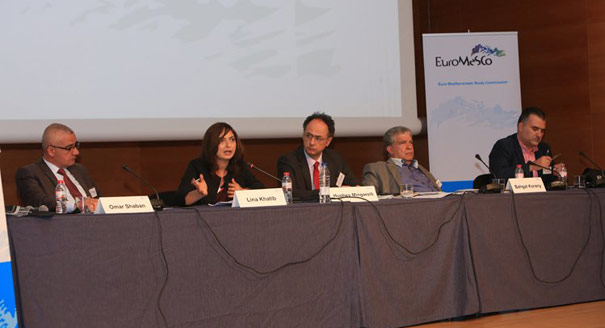
National conflicts are no longer purely national. As in Iraq and Syria, each country’s conflicts are linked to dynamics that go beyond the domestic context.
Source: IEMed Barcelona
Tarragona, October 2, 2014—The director of the Carnegie Middle East Center explained the role of the West and the European Union in the region in the session “The Ever More Complex Mediterranean: National Conflicts and Democratic Transitions” that opened the EuroMeSCo Annual Conference 2014.
The conference, held in Tarragona on October 2-3 2014, analyzed the increasing diversity and complexity of the region from different angles: the national conflicts and rivalries, the geopolitical transformations and the role of external actors, the scenarios for democratic consolidation, and the patterns of political continuity. It also focused on the challenges posed by regional fragmentation to Euro-Mediterranean politics.
This event was originally recorded and published by IEMed Barcelona. The entire program schedule may be found here.
Former Director, Middle East Center
Khatib was director of the Carnegie Middle East Center in Beirut. Previously, she was the co-founding head of the Program on Arab Reform and Democracy at Stanford University’s Center on Democracy, Development, and the Rule of Law.
Recent Work
Lina Khatib
Lina Khatib
Carnegie does not take institutional positions on public policy issues; the views represented herein are those of the author(s) and do not necessarily reflect the views of Carnegie, its staff, or its trustees.
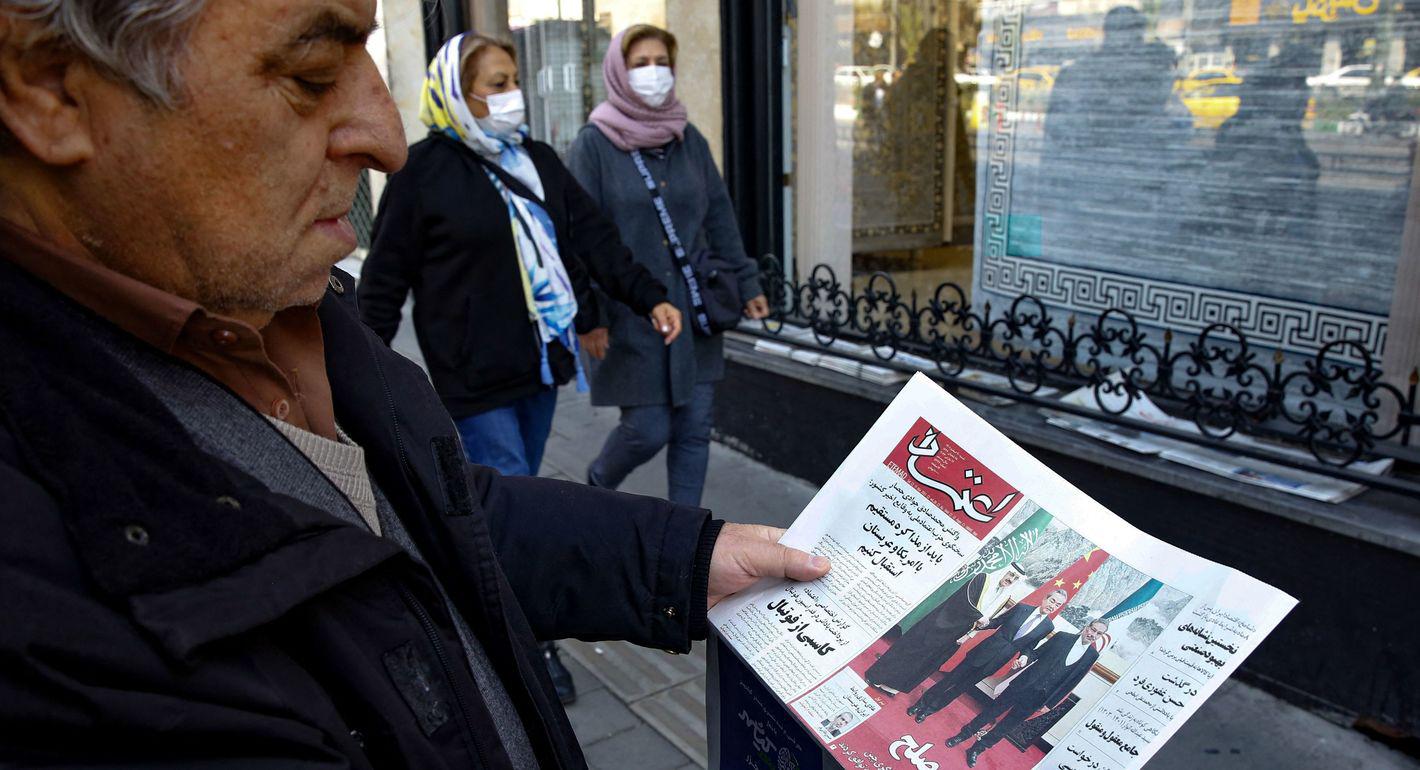
Transactional relationships are stable but can be shallow.


Paul Haenle, Maha Yahya, Benjamin Ho, …
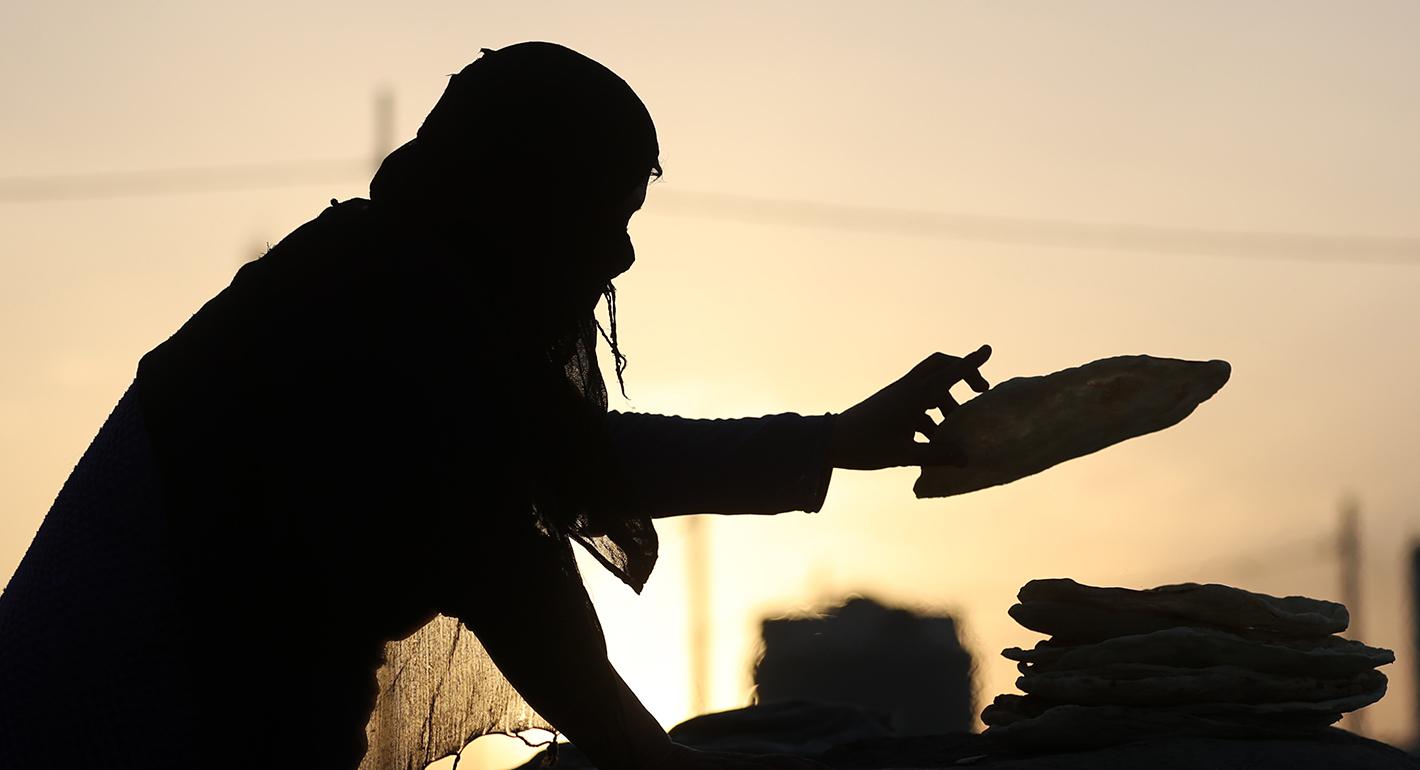
It’s about managing oil prices, bread prices, and strategic partnerships.



Amr Hamzawy, Karim Sadjadpour, Aaron David Miller, …
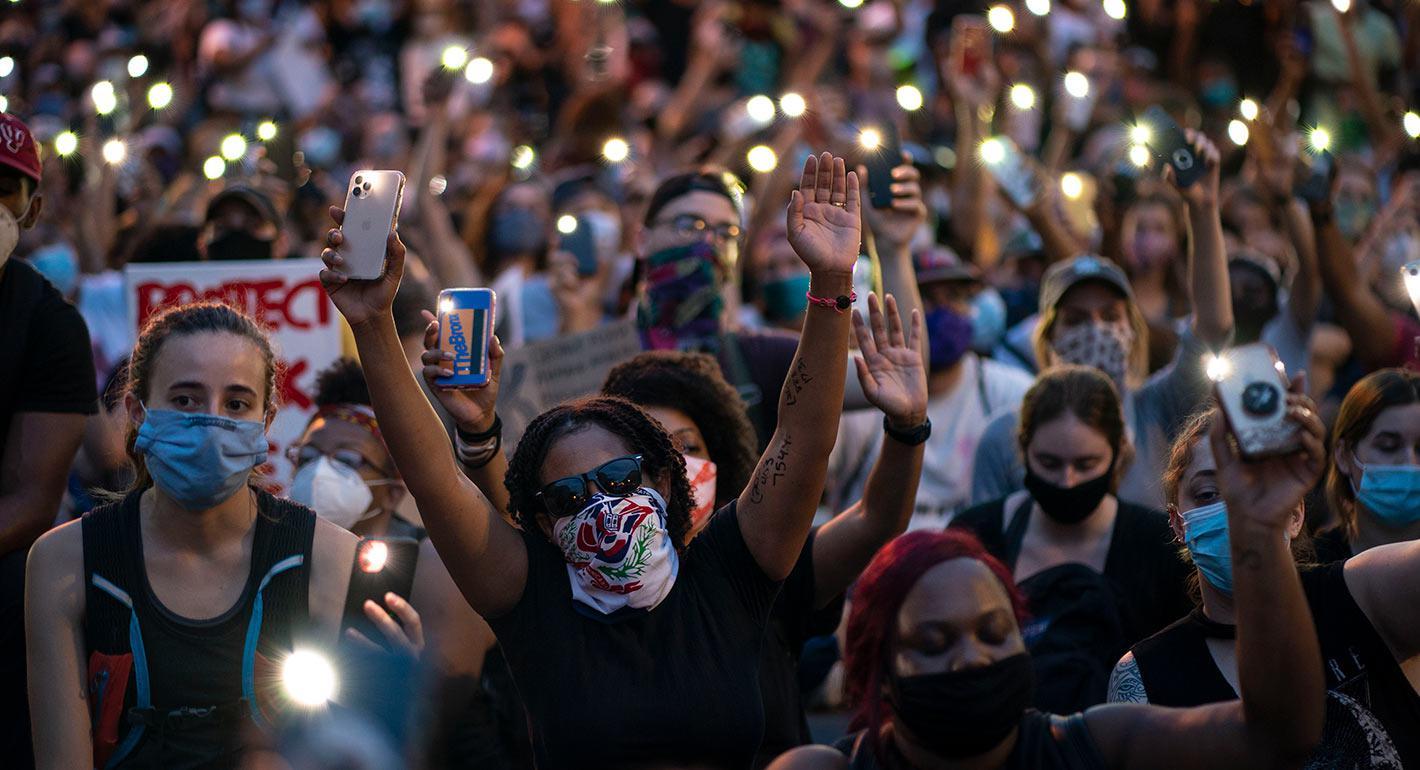
The murder of George Floyd has underscored the deep inequities that have long plagued American society. In a note to the Carnegie community, Bill Burns reflects on Carnegie’s commitment to build a more just future here at home and around the world, without which peace will remain beyond our grasp.
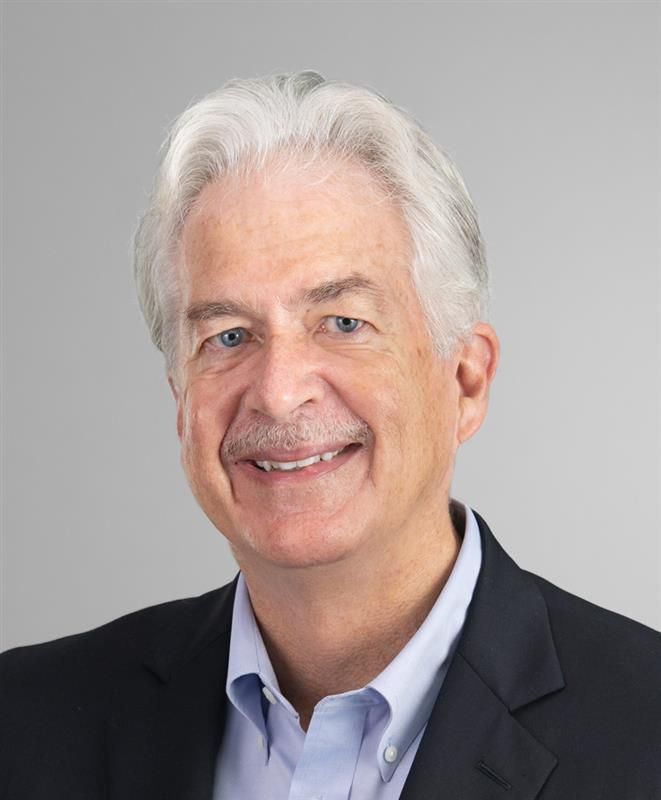
William J. Burns
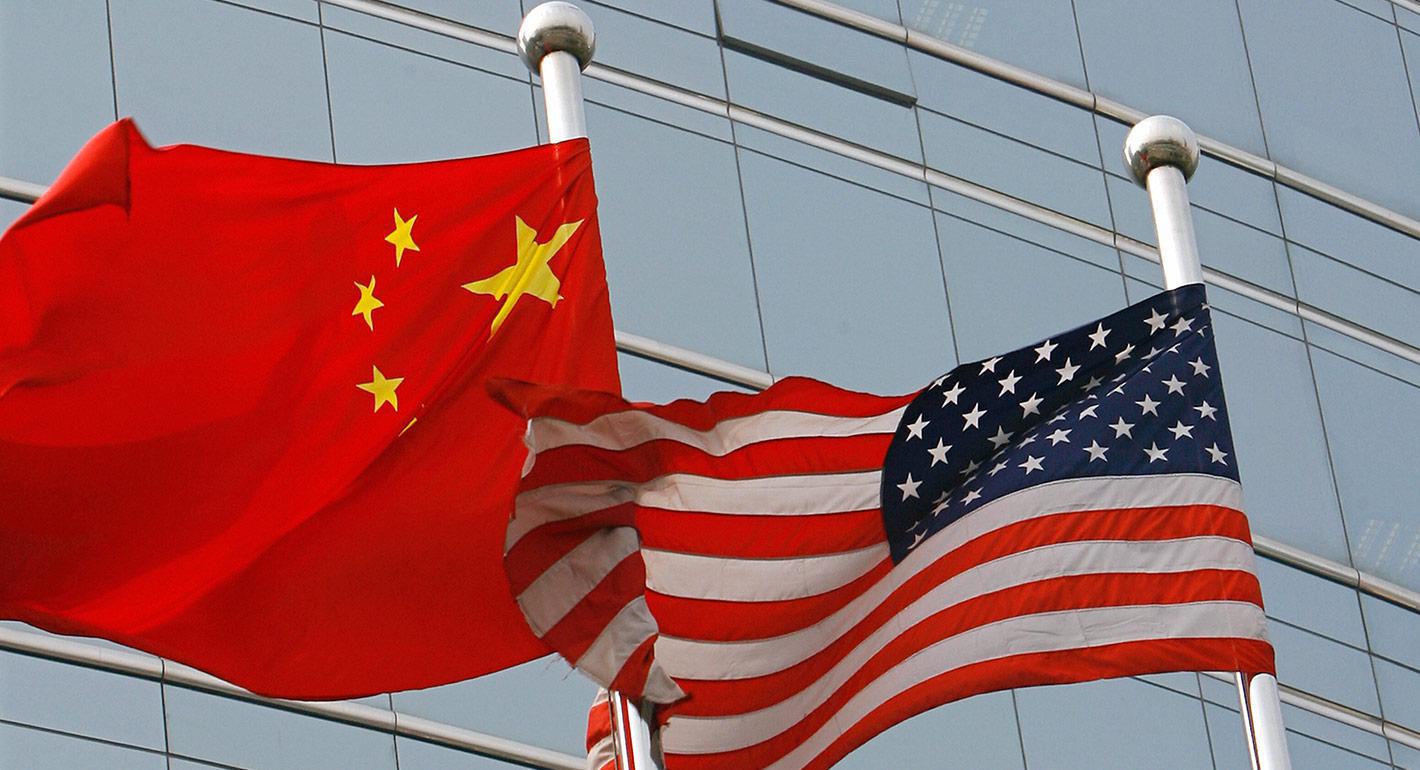
While the world hoped this pandemic might lead to more cooperation between these two great powers, American and Chinese leaders instead fell into a blame game and allowed their increasing suspicions to guide their decision-making.
Lyu Jinghua
Biological viruses and computer malware differ in important respects. They have considerable potential to spread widely, invading, disrupting and destroying their targets.

Ariel (Eli) Levite, Lyu Jinghua