


Commentary
The Thai-Cambodian conflict highlights the limits to China's peacemaker ambition and the significance of this role on Southeast Asia’s balance of power.
Pongphisoot (Paul) Busbarat
{
  "authors": [
    "Balázs Jarábik",
    "Andras Racz"
  ],
  "type": "commentary",
  "centerAffiliationAll": "",
  "centers": [
    "Carnegie Endowment for International Peace",
    "Carnegie Russia Eurasia Center"
  ],
  "collections": [],
  "englishNewsletterAll": "",
  "nonEnglishNewsletterAll": "",
  "primaryCenter": "Carnegie Endowment for International Peace",
  "programAffiliation": "",
  "programs": [],
  "projects": [],
  "regions": [
    "Russia",
    "Eastern Europe",
    "Ukraine"
  ],
  "topics": [
    "Security"
  ]
}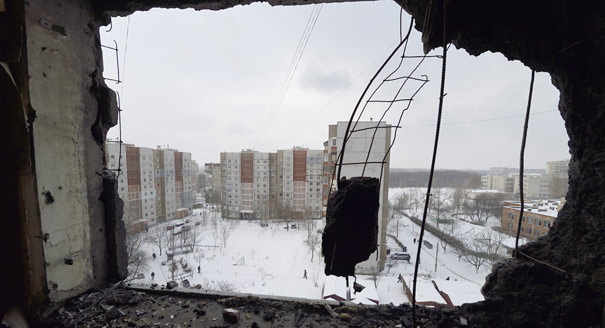
Source: Getty
After the weekend shelling of Mariupol and the loss of so many lives, the Ukrainian president may have no political choice but to mount a serious military response.
Rebel offensives are spreading in eastern Ukraine: since January 11, the rebels have launched four successful offensives against Ukrainian government forces. Their attacks have targeted the Donetsk airport, Debaltsevo, a key transportation hub connecting Donetsk and Luhansk and the last remaining Ukrainian-controlled “pocket” inside rebel-held territory, and have pushed south toward Mariupol, a port city of strategic importance, as well as northwest to Severodonetsk and Lysychansk. Donetsk People’s Republic leader Aleksandr Zakharchenko has declared that their objective is to recapture all territories lost to government forces last year. These advances were to be expected: the Minsk agreements call for a 30-kilometer demilitarized zone and the offensives seem aimed to create a buffer around the rebel-held territories and protect Donetsk and Luhansk.
The rebels seem willing to win by any means necessary. According to the OSCE Special Monitoring Mission to Ukraine, 80 Ukrainian soldiers defending the airport in the final battle suffered from a variety of unusual symptoms, including uncontrollable muscle spasms, difficulty breathing, and vomiting, which may indicate that the attackers used some kind of poison gas. Nine days after the deadly shelling of a civilian bus in Volnovakha, an artillery shell exploded near a bus stop in Donetsk killing eight. The recent rebel offensives would not have been successful without significant outside military support, almost certainly from Russia: Ukrainian and Western governments have already noted that major reinforcements were recently provided to the separatists but Western governments have stopped short of corroborating claims by Poroshenko and others about a large Russian troop presence inside Ukraine. On January 15, Russian state-controlled TV channel Rossiya 1 showed, for the first time, Russian naval infantry with clearly recognizable insignia storming the Donetsk airport. In a further sign of direct Russian involvement, the four rebel offensives supposedly were better coordinated and more professionally conducted.
The newly-leaked letter of Russian President Putin to Poroshenko from early January, whose authenticity is yet to be confirmed, suggests that the line of separation between the two sides should shift to the de facto front-line and that the Russian-Ukrainian border should be placed under joint Russian and OSCE control, rather than Ukrainian control. If accepted, that would be a major concession on the part of Poroshenko. If the latest Minsk protocols documents are authentic, it will be hard for Poroshenko to justify expending considerable resources to hold on to the completely destroyed airport that was to be turned over to the rebels in any event. Has Poroshenko been talking to Putin about even more concessions? If so, the new revelations could set the stage for more domestic turbulence.
It appears the latest fighting is intended to force Kyiv’s hand into accepting Russian demands at the negotiating table. The rebels’ target seems to be Debaltsevo rather than Mariupol. They probably could take and hold Mariupol, but only with more Russian support and heavy casualties. By seizing Debaltsevo, the rebels would inflict heavy losses on the encircled Ukrainian troops (similar to their devastating defeat at Ilovaisk) and possibly force Kyiv to return to Minsk. However, after the weekend shelling of Mariupol and the loss of so many lives, the Ukrainian president may have no political choice but to mount a serious military response.
Andras Racz is a senior research fellow at the Finnish Institute of International Affairs.

Political analyst, former Slovak diplomat, and consultant specializing in Eastern Europe
Andras Racz
Carnegie does not take institutional positions on public policy issues; the views represented herein are those of the author(s) and do not necessarily reflect the views of Carnegie, its staff, or its trustees.

The Thai-Cambodian conflict highlights the limits to China's peacemaker ambition and the significance of this role on Southeast Asia’s balance of power.

Pongphisoot (Paul) Busbarat
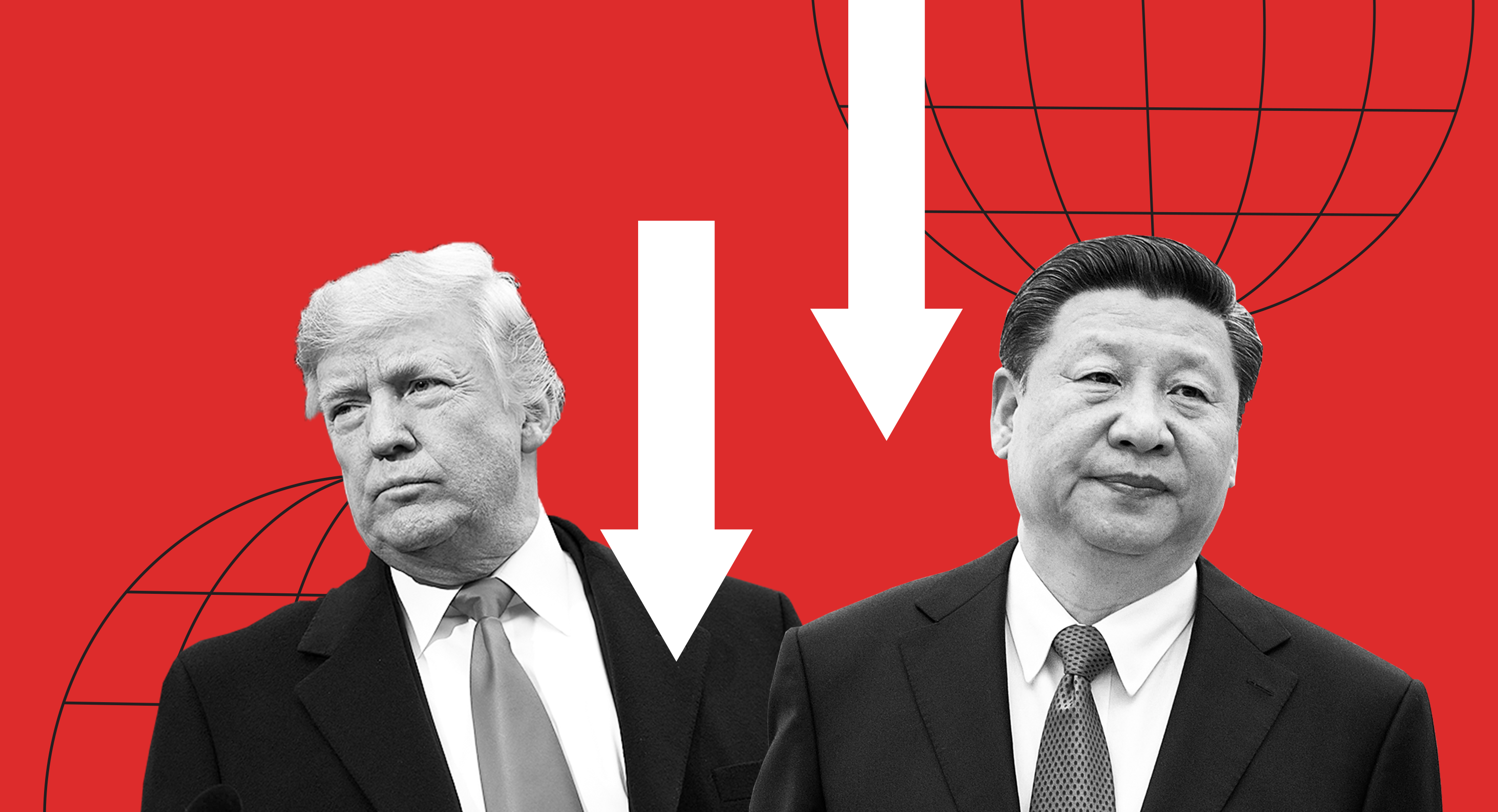
Beijing believes that Washington is overestimating its own leverage and its ability to handle the trade war’s impacts.


Rick Waters, Sheena Chestnut Greitens
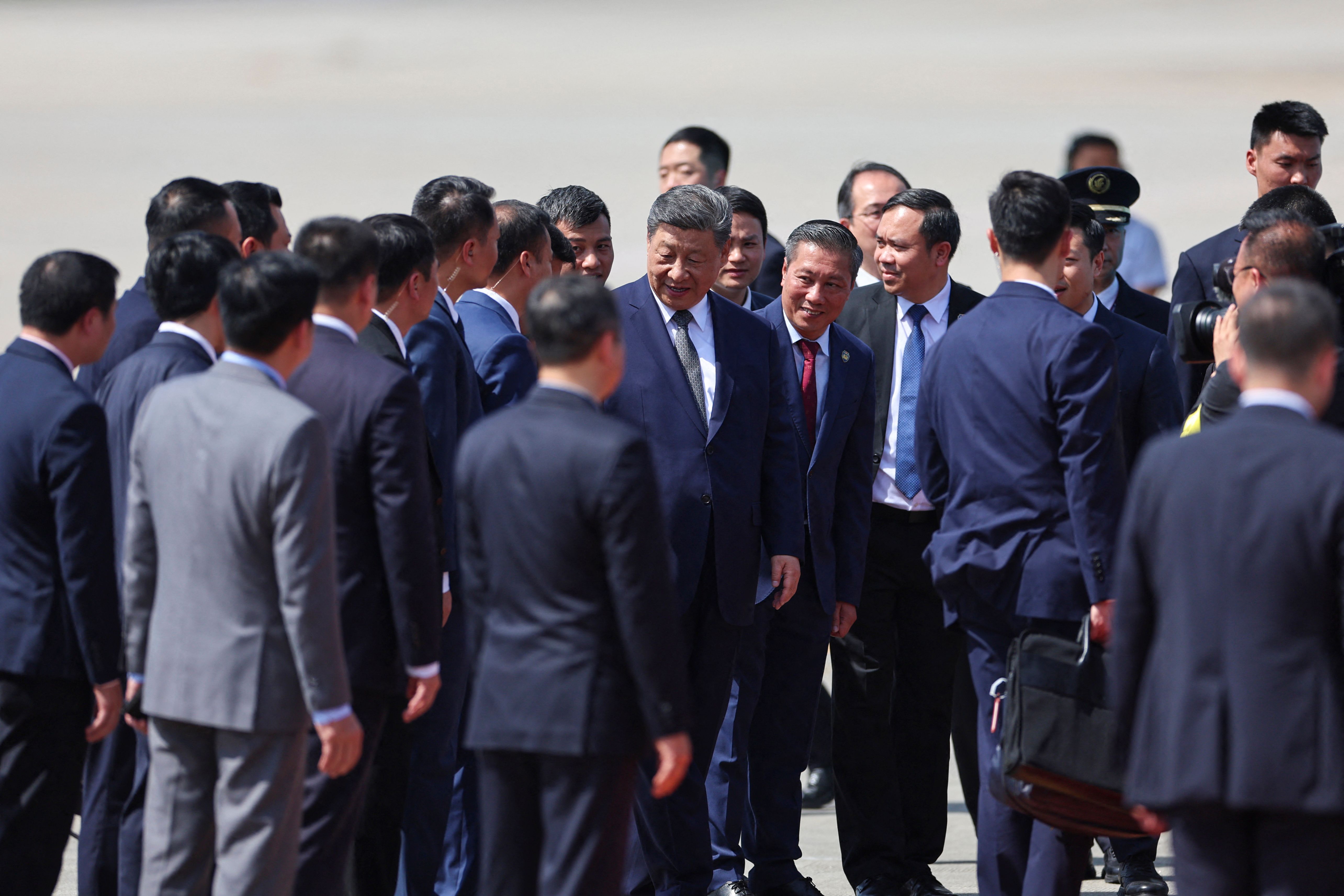
Tapping our network of China experts in the region, Carnegie China offers this latest “China Through a Southeast Asian Lens” report to offer preliminary assessments of whether the U.S. effort to reshape the global trading order will lead countries in the region to tilt toward Beijing.



Selina Ho, Khin Khin Kyaw Kyee, Joseph Ching Velasco, …
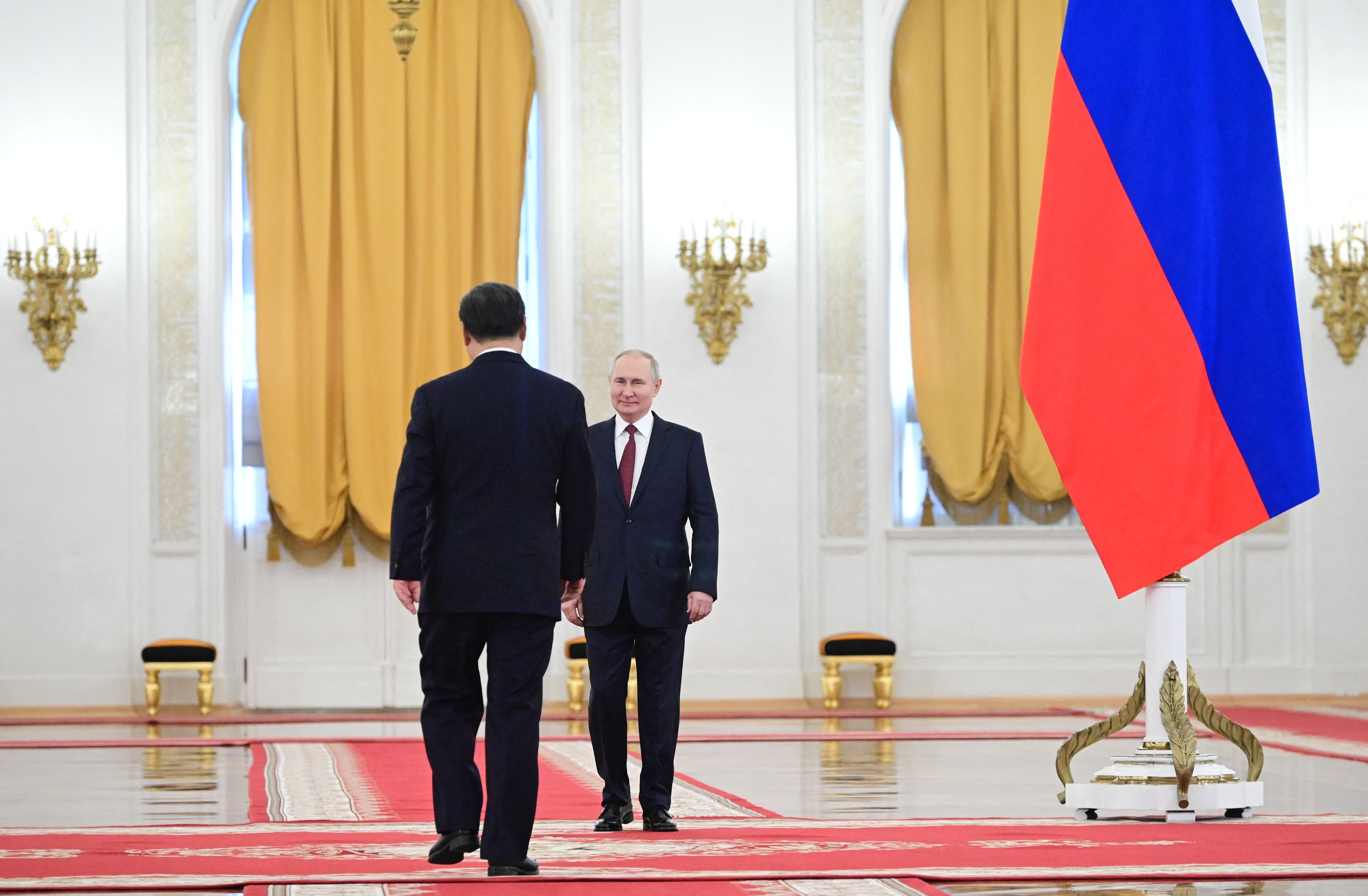
Beijing is trying to navigate the overall situation regarding Ukraine, especially the substance of interactions between Washington and Moscow.


Ellen Nakashima, Zhao Long, Pavlo Klimkin, …
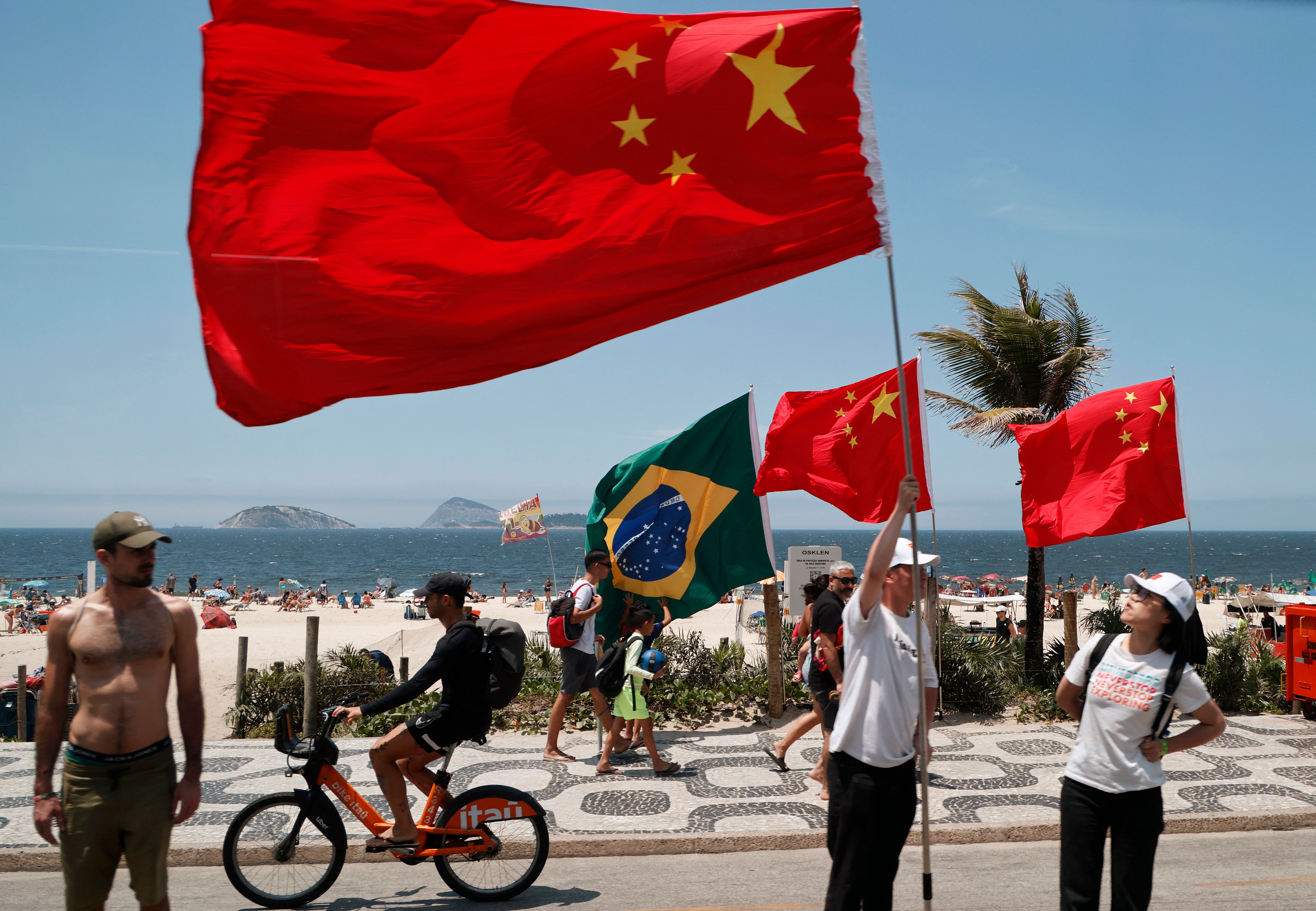
While China will remain a significant political and economic force in the Global South, its ambition to leverage the Global South as a counterbalance to the United States and the Global North is far from assured.

Xue Gong