

Research
- +11
Frances Z. Brown, Nate Reynolds, Priyal Singh, …
{
  "authors": [
    "Frederic Wehrey"
  ],
  "type": "legacyinthemedia",
  "centerAffiliationAll": "dc",
  "centers": [
    "Carnegie Endowment for International Peace",
    "Malcolm H. Kerr Carnegie Middle East Center"
  ],
  "collections": [],
  "englishNewsletterAll": "menaTransitions",
  "nonEnglishNewsletterAll": "",
  "primaryCenter": "Carnegie Endowment for International Peace",
  "programAffiliation": "MEP",
  "programs": [
    "Middle East"
  ],
  "projects": [],
  "regions": [
    "North Africa",
    "Libya",
    "Maghreb"
  ],
  "topics": [
    "Security",
    "Military"
  ]
}
Source: Getty
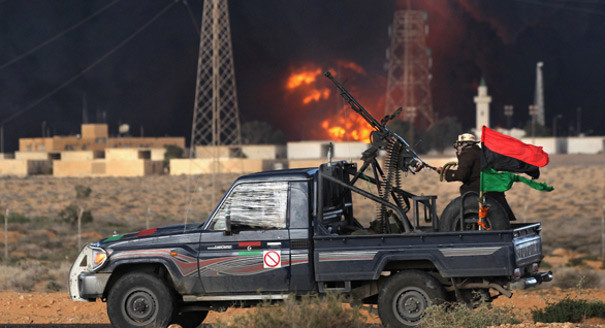
Frederic Wehrey discusses evidence of the use of cluster munitions as well as the ongoing civil war in Libya.
Source: RFI
During his recent trip to Libya, Frederic Wehrey saw evidence of cluster munitions used against a bank in Libya. The munitions were probably used by the aircraft of the Dignity camp, who obtained the munitions from the former Qaddafi regime in Libya. Preventing the use of the munitions in the future may not be easy as there is an ongoing civil war in Libya with “winner take all” mentality dominating the thinking of the fighting factions.
While both the Dawn and Dignity camps have access to heavy artillery, tanks, and grad rockets the real difference between the weapons of the two sides is that Dignity has more aircraft and has access to munitions for these aircraft from outside of Libya. While Dawn has repaired some aircraft, this side has been flying far less sorties.
But the aircraft on Dignity side, including the ones that have probably used cluster munitions, may not be all that effective. Those aircraft fly and bomb at high altitudes, making them very inaccurate. Also, historical evidence suggests that aircraft alone are not decisive in victory. As the “balance of weakness” continues in Libya, it will be hard to end the ongoing conflict in Libya. This has made the conflict particularly bloody.
Senior Fellow, Middle East Program
Frederic Wehrey is a senior fellow in the Middle East Program at the Carnegie Endowment for International Peace, where his research focuses on governance, conflict, and security in Libya, North Africa, and the Persian Gulf.
Recent Work

Frances Z. Brown, Nate Reynolds, Priyal Singh, …
Charles H. Johnson, Frederic Wehrey
Carnegie does not take institutional positions on public policy issues; the views represented herein are those of the author(s) and do not necessarily reflect the views of Carnegie, its staff, or its trustees.
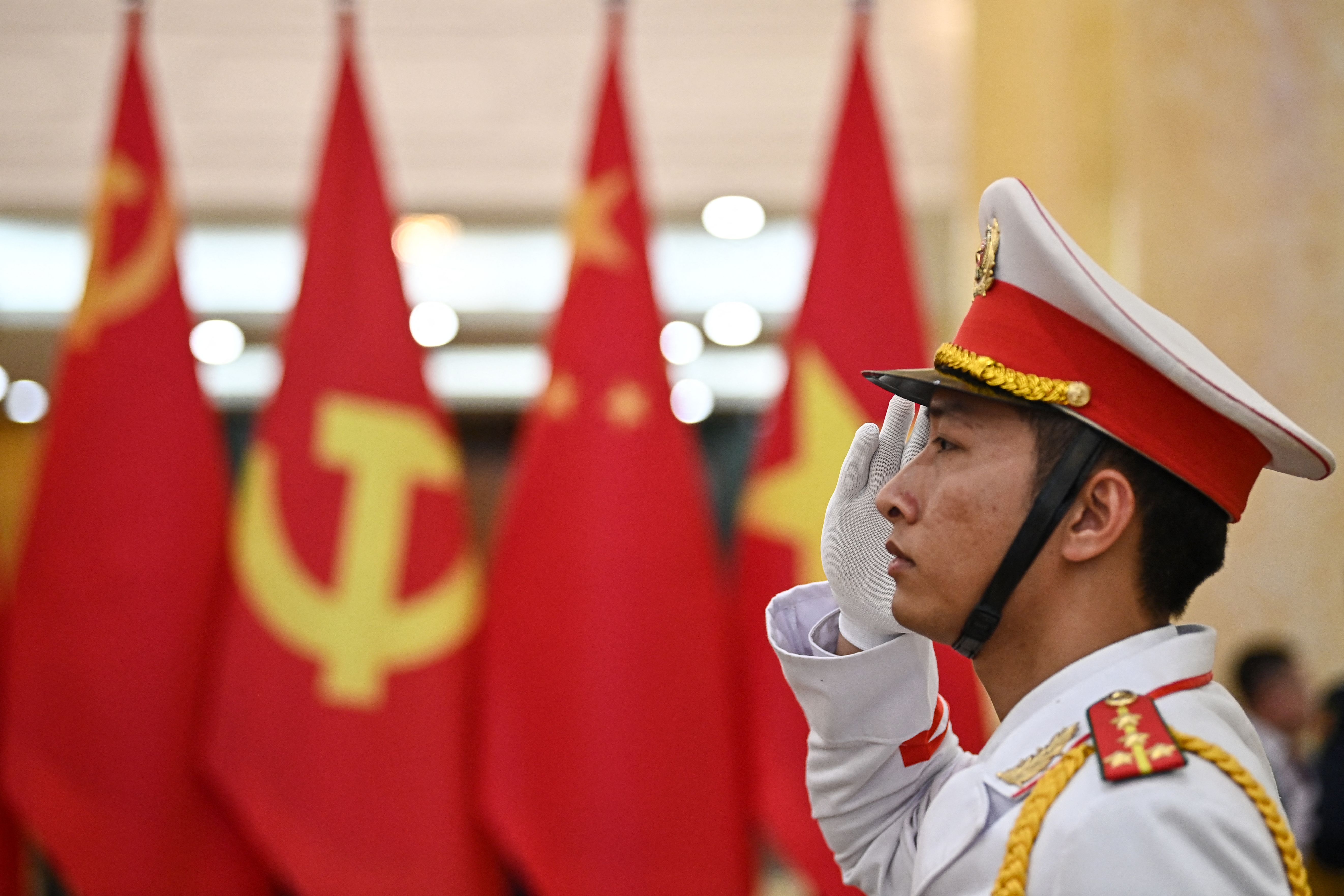
In July 2025, Vietnam and China held their first joint army drill, a modest but symbolic move reflecting Hanoi’s strategic hedging amid U.S.–China rivalry.

Nguyễn Khắc Giang
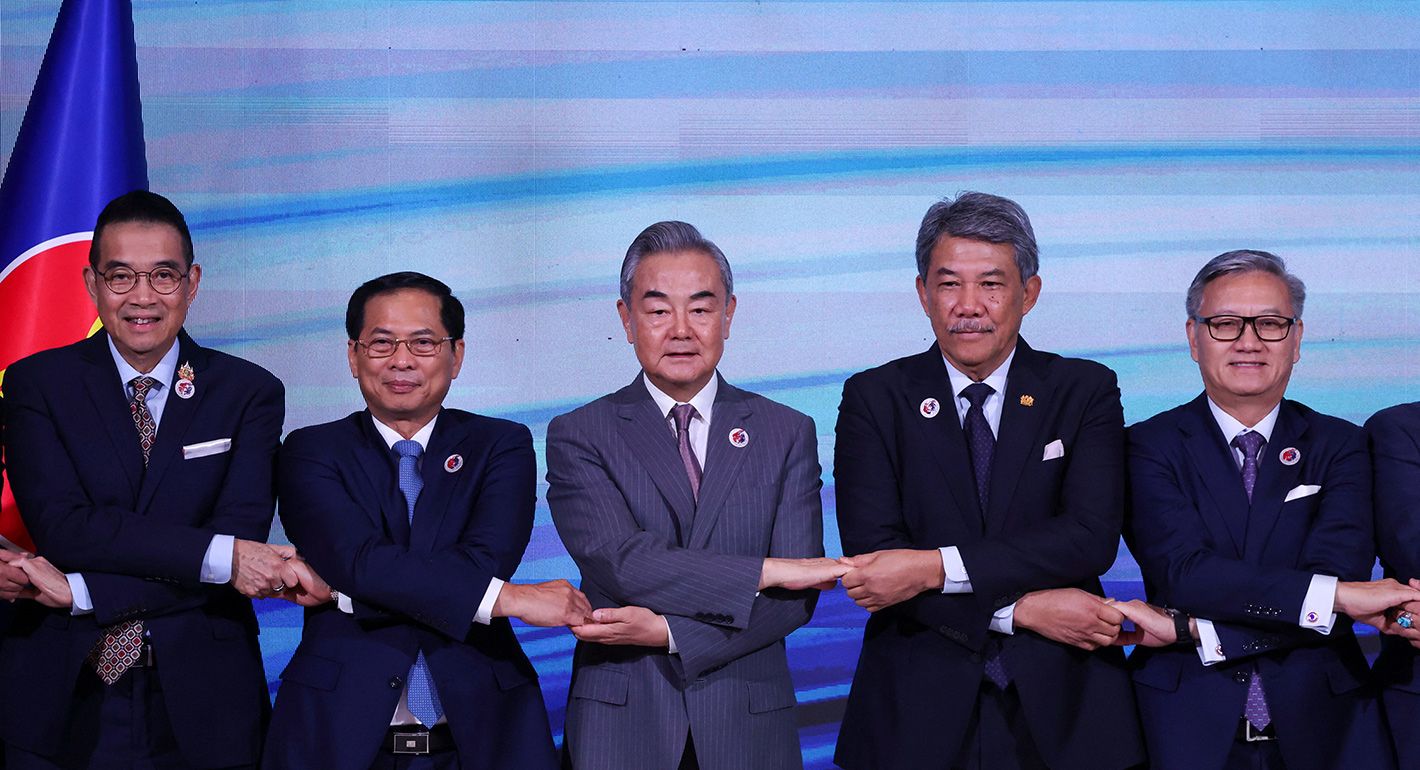
The Thai-Cambodian conflict highlights the limits to China's peacemaker ambition and the significance of this role on Southeast Asia’s balance of power.

Pongphisoot (Paul) Busbarat
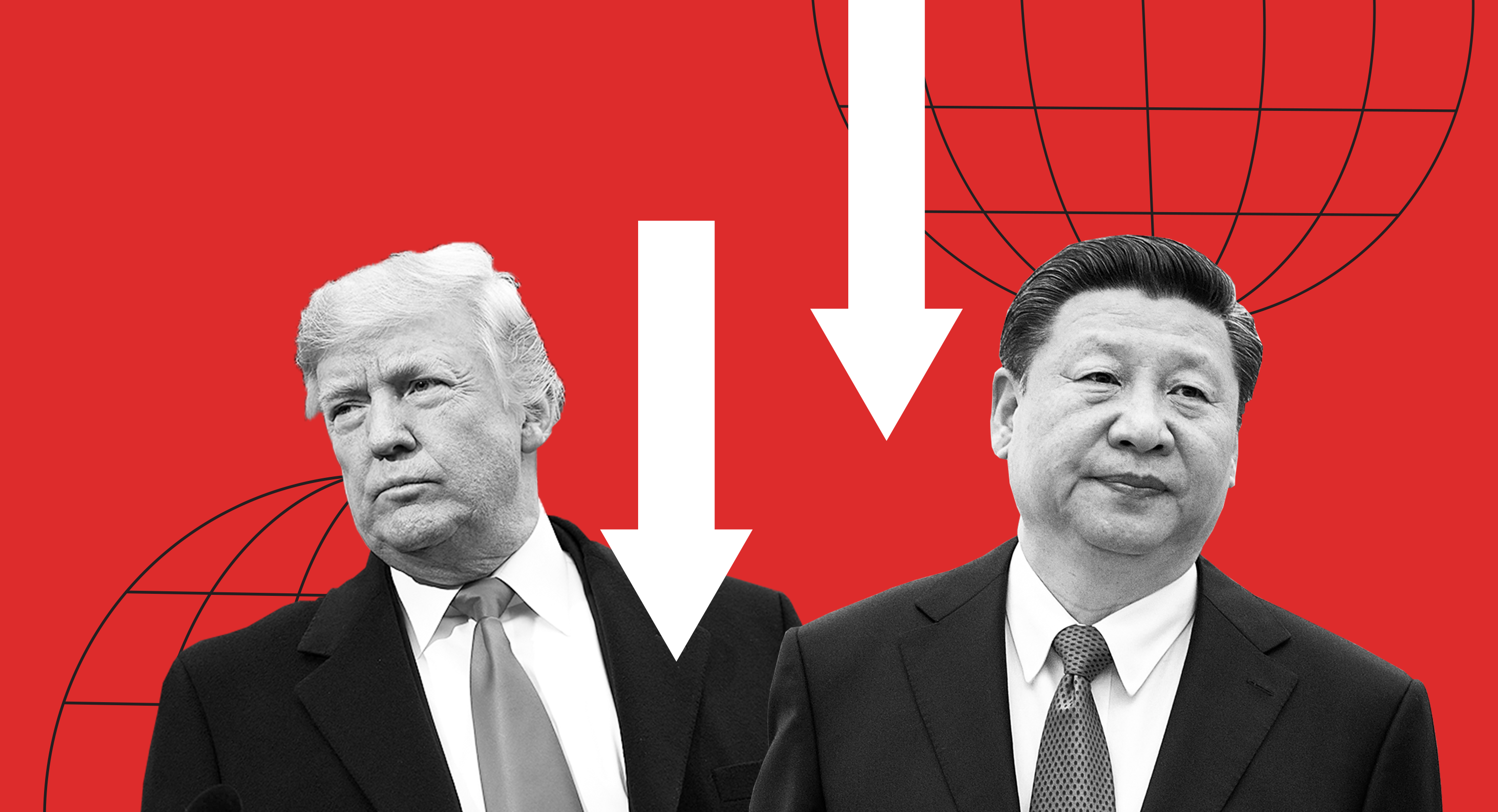
Beijing believes that Washington is overestimating its own leverage and its ability to handle the trade war’s impacts.


Rick Waters, Sheena Chestnut Greitens
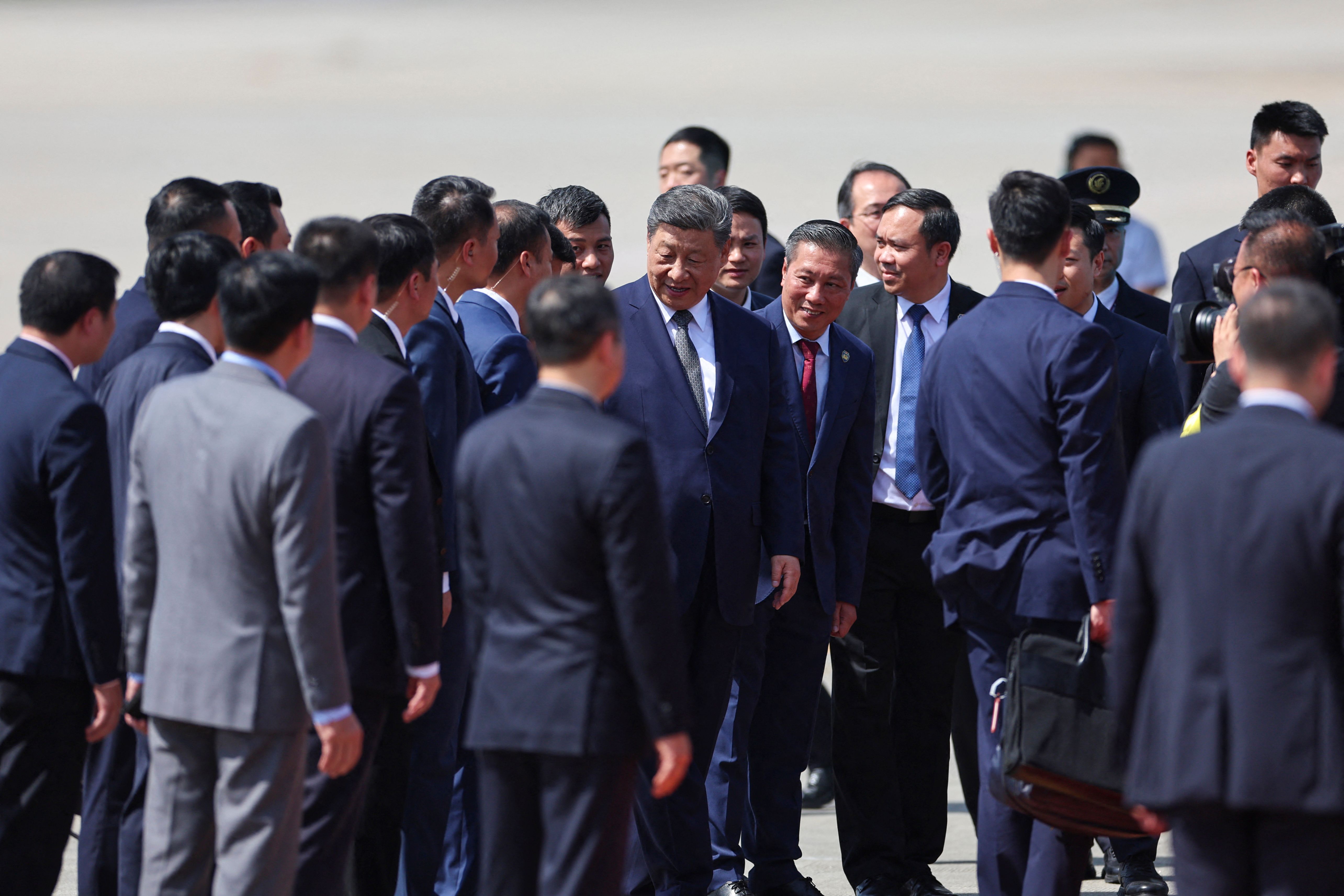
Tapping our network of China experts in the region, Carnegie China offers this latest “China Through a Southeast Asian Lens” report to offer preliminary assessments of whether the U.S. effort to reshape the global trading order will lead countries in the region to tilt toward Beijing.



Selina Ho, Khin Khin Kyaw Kyee, Joseph Ching Velasco, …
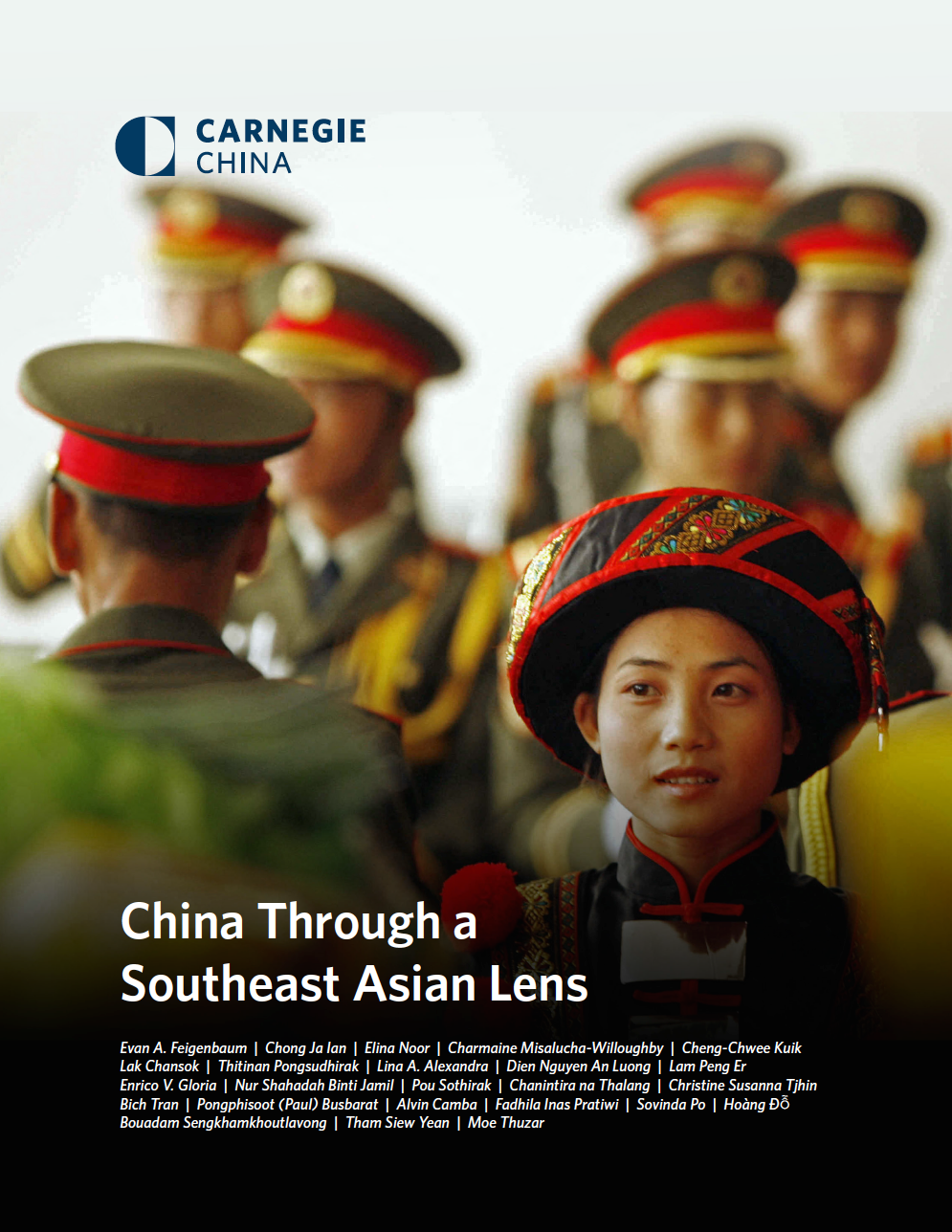
Because strategic, economic, and ideological perceptions of China contain multiple, sometimes contradictory facets in Southeast Asia, receptions of and responses to Beijing diverge across and within state lines.



Evan A. Feigenbaum, Chong Ja Ian, Elina Noor