

Paper
The nuclear relationship between China and the United States is increasingly shaped by widening perception gaps rather than deliberate strategic design.
Tong Zhao
{
  "authors": [
    "George Perkovich",
    "Toby Dalton"
  ],
  "type": "other",
  "centerAffiliationAll": "dc",
  "centers": [
    "Carnegie Endowment for International Peace"
  ],
  "collections": [],
  "englishNewsletterAll": "ctw",
  "nonEnglishNewsletterAll": "",
  "primaryCenter": "Carnegie Endowment for International Peace",
  "programAffiliation": "NPP",
  "programs": [
    "Nuclear Policy"
  ],
  "projects": [],
  "regions": [
    "South Asia",
    "India",
    "Pakistan"
  ],
  "topics": [
    "Security",
    "Nuclear Policy"
  ]
}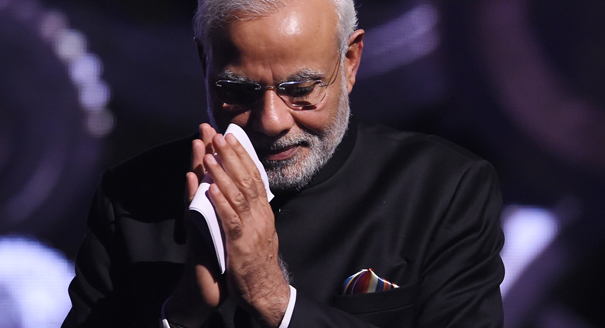
Source: Getty
There are many ways to make Pakistani military leaders conclude that the cohesion, security, and progress of their own country will be further jeopardized if they fail to act vigorously to prevent terrorism against India.
Source: Washington Quarterly
Indian decision makers face a strategic conundrum: how to deter and/or respond to future terrorism emanating from Pakistan. The dilemmas are manifold: punitive action may assuage the desire of an angry public for revenge; but too heavy a response may motivate actors in Pakistan to escalate attacks in India, while a weak riposte is unlikely to convince Pakistan’s civilian and military leaders to alter their long-standing embrace of conflict against India by proxy. Both the Atal Bihari Vajpayee and the Manmohan Singh governments faced this conundrum in January 2002 and November 2008, respectively, following the attacks by Pakistan-based militants in Delhi and Mumbai. Both chose to exercise restraint rather than strike back.
The groups that conducted the Delhi and Mumbai terror attacks in those years continue to operate in Pakistan. It is reasonable to assume that the Narendra Modi government, like its predecessors, will face a major attack on Indian soil attributed to such groups. Modi’s self-styled reputation as a tough man and strong leader—borne out by his decision to disproportionately retaliate to Pakistani shelling across the Line of Control in Kashmir in fall 2014—increases the perception that, this time, the Indian government will choose a military response....
An edited version of this article was originally published in the Washington Quarterly.

Japan Chair for a World Without Nuclear Weapons, Senior Fellow
George Perkovich is the Japan Chair for a World Without Nuclear Weapons and a senior fellow in the Carnegie Endowment for International Peace’s Nuclear Policy Program. He works primarily on nuclear deterrence, nonproliferation, and disarmament issues.

Senior Fellow and Co-director, Nuclear Policy Program
Toby Dalton is a senior fellow and co-director of the Nuclear Policy Program at the Carnegie Endowment. An expert on nonproliferation and nuclear energy, his work addresses regional security challenges and the evolution of the global nuclear order.
Carnegie does not take institutional positions on public policy issues; the views represented herein are those of the author(s) and do not necessarily reflect the views of Carnegie, its staff, or its trustees.

The nuclear relationship between China and the United States is increasingly shaped by widening perception gaps rather than deliberate strategic design.

Tong Zhao
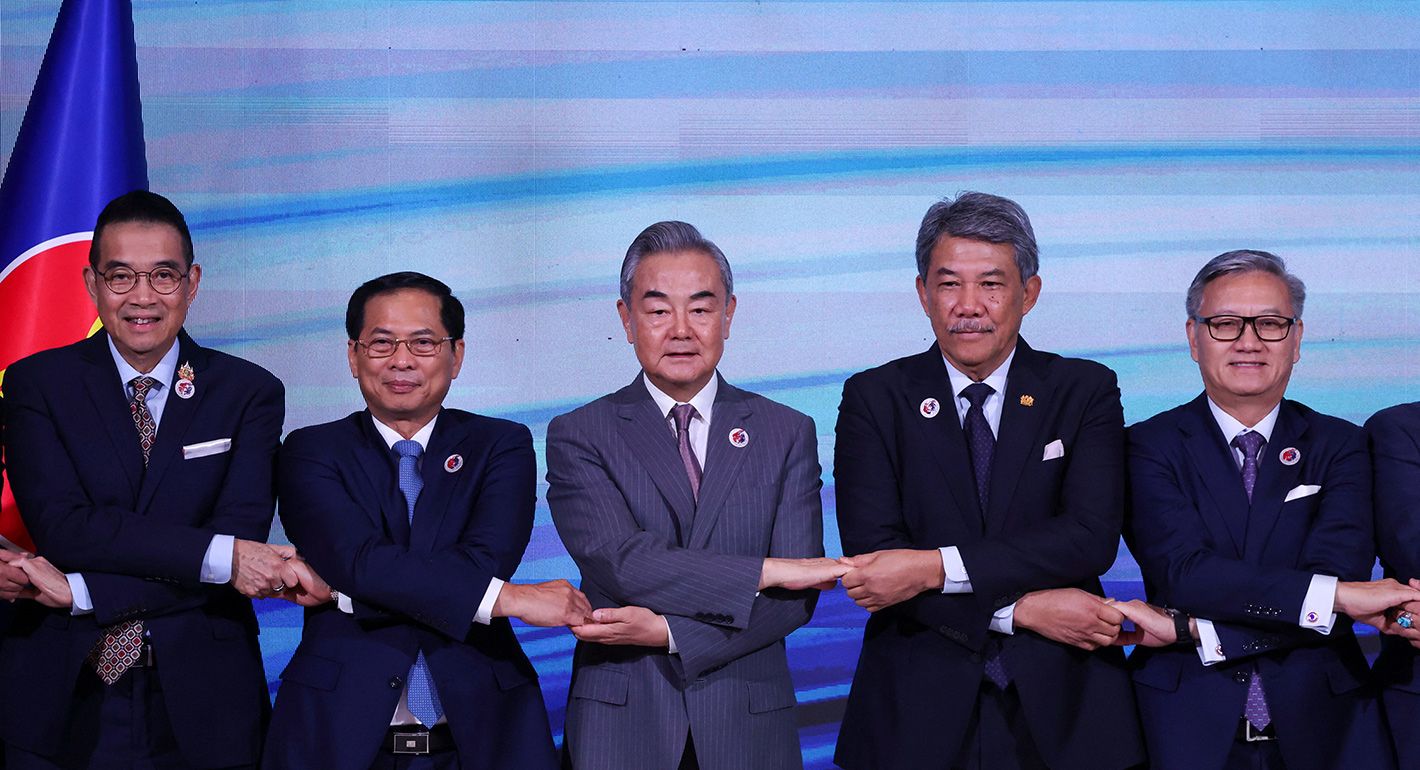
The Thai-Cambodian conflict highlights the limits to China's peacemaker ambition and the significance of this role on Southeast Asia’s balance of power.

Pongphisoot (Paul) Busbarat
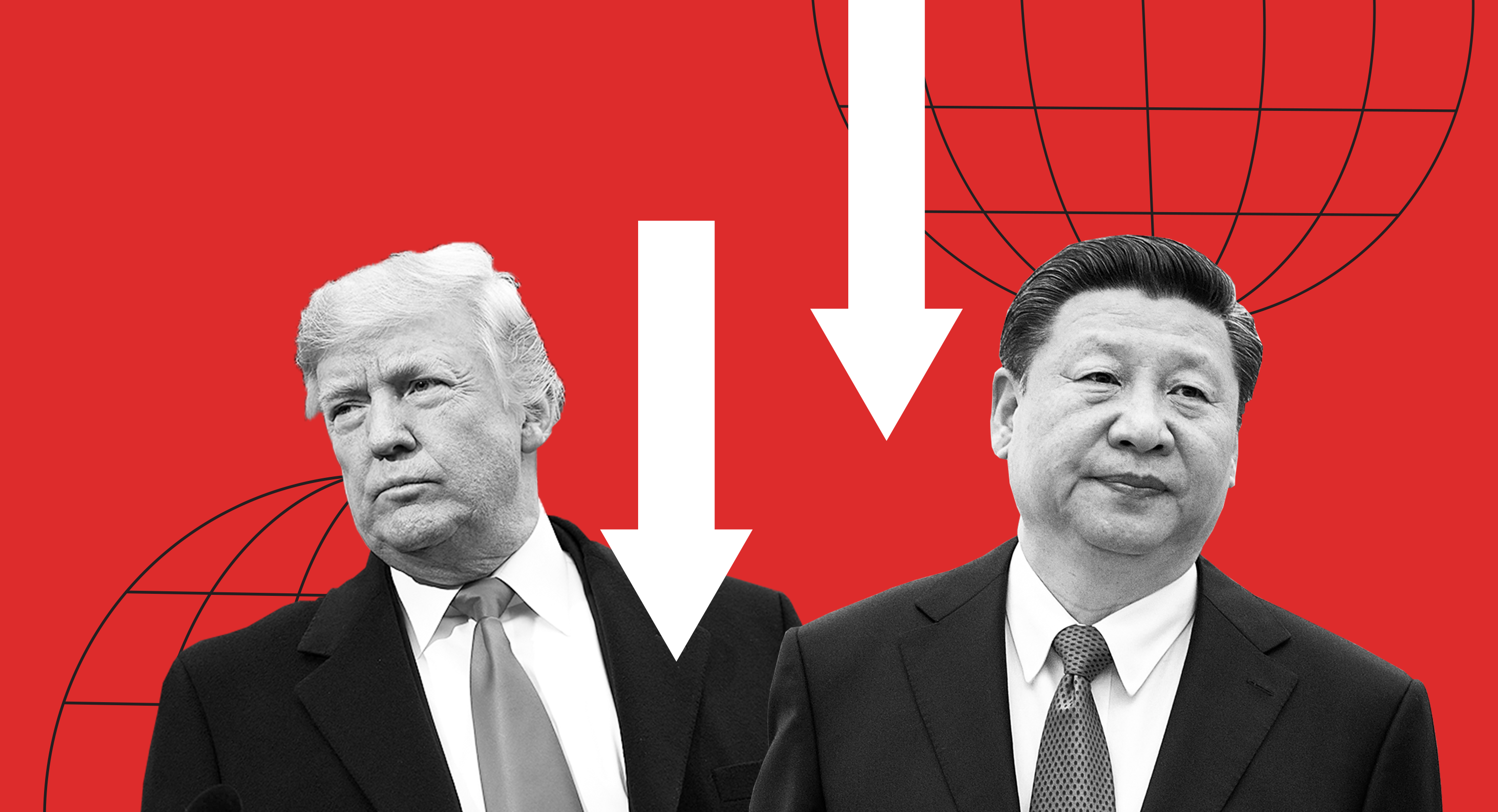
Beijing believes that Washington is overestimating its own leverage and its ability to handle the trade war’s impacts.


Rick Waters, Sheena Chestnut Greitens
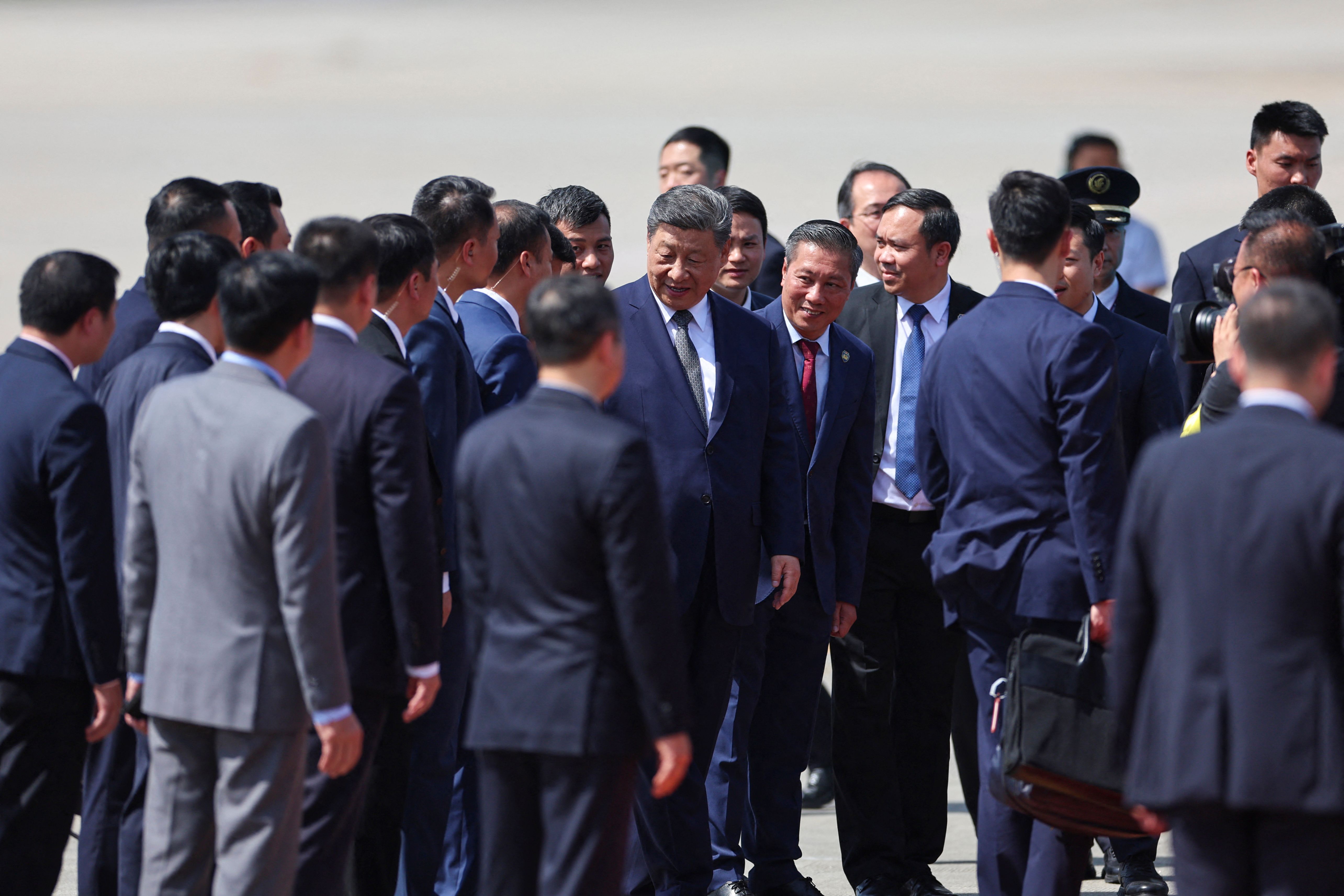
Tapping our network of China experts in the region, Carnegie China offers this latest “China Through a Southeast Asian Lens” report to offer preliminary assessments of whether the U.S. effort to reshape the global trading order will lead countries in the region to tilt toward Beijing.



Selina Ho, Khin Khin Kyaw Kyee, Joseph Ching Velasco, …
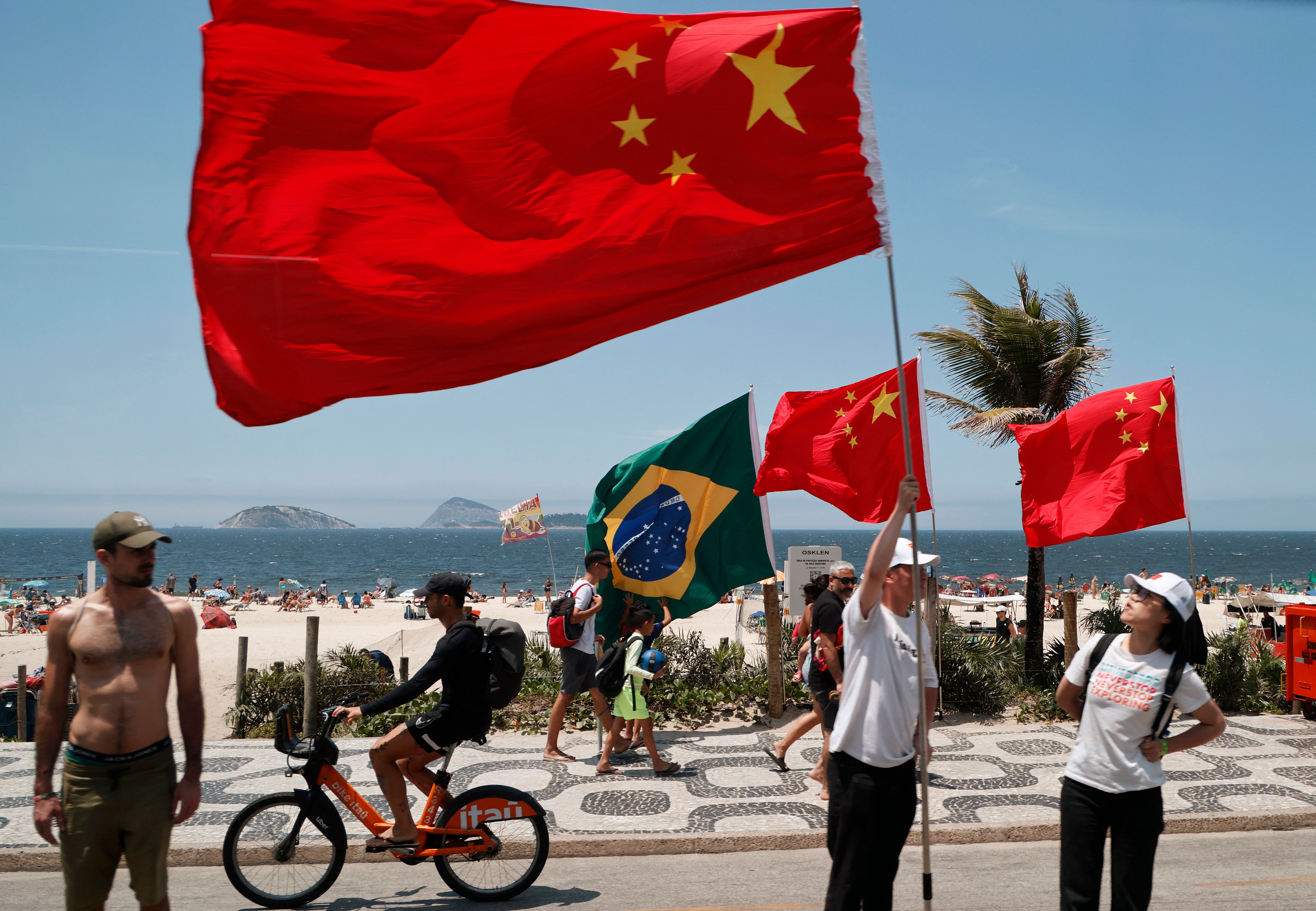
While China will remain a significant political and economic force in the Global South, its ambition to leverage the Global South as a counterbalance to the United States and the Global North is far from assured.

Xue Gong