

Research
- +4
Milan Vaishnav, Rahul Verma, Rukmini S., …
{
  "authors": [
    "Christophe Jaffrelot"
  ],
  "type": "legacyinthemedia",
  "centerAffiliationAll": "dc",
  "centers": [
    "Carnegie Endowment for International Peace"
  ],
  "collections": [],
  "englishNewsletterAll": "ctw",
  "nonEnglishNewsletterAll": "",
  "primaryCenter": "Carnegie Endowment for International Peace",
  "programAffiliation": "SAP",
  "programs": [
    "South Asia"
  ],
  "projects": [],
  "regions": [
    "South Asia",
    "India"
  ],
  "topics": [
    "Economy",
    "Trade"
  ]
}
Source: Getty
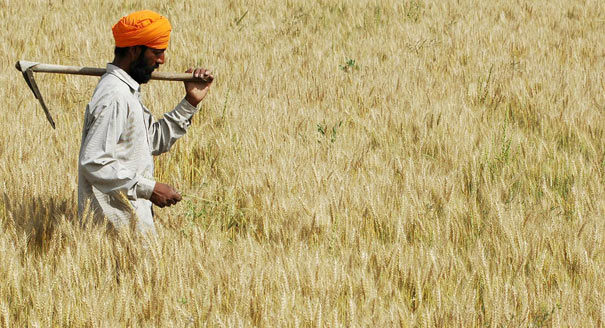
India needs to industrialize, but can it do so at the expense of its food security?
Source: Indian Express
The development agenda of the Narendra Modi government implies industrialisation. The BJP’s 2014 mandate was indeed for job creation. The “neo-middle class”, which Modi defined when he was CM of Gujarat as made up of aspiring city dwellers who have just emerged from poverty, supported him more widely than the poor. This was partly because of the “vikas purush” image he had acquired by presenting his home state as a model. He has to cater to the needs of this constituency, apart from tending to the BJP’s relationship with major corporate houses.
Several reforms have been decided already in order to foster private investment, including the reduction of the corporate tax rate from 30 to 25 per cent. But to “Make in India”, industrialists need factories. For that, they need land. That is one of the things they were looking for when they decided to “make in Gujarat” under Modi’s chief ministership. Not only was the decision-making quick, but the land was also cheap. For instance, once the Tata group decided to shift the Nano factory from West Bengal, where peasants had fought for their land, to Gujarat, the deal was wrapped up in no time. Much land was also allotted to SEZs. They cover about 27,000 hectares but companies have allegedly sold or leased part of this land for various purposes (including real estate-oriented ones) that had nothing to do with the initial industrialisation objective. CAG reports in the past have flagged various “irregularities” in SEZs.
The transfer of land to non-agriculturists was made easier in Gujarat by the reform of the Bombay Tenancy and Agricultural Land Rules, as Nikita Sud explains in Liberalisation, Hindu Nationalism and the State: A Biography of Gujarat. This piece of regulation prohibited the purchase of agricultural land by anybody not residing within eight kilometres of the plot. It meant that city dwellers could not easily buy land, which therefore remained in the hands of agriculturists. In 1988, the Congress state government amended this provision, restricting it to drought-affected areas. When the BJP took over in 1995, the party decided that no permission would be required from the revenue officials for the conversion of farmland up to 10 hectares to non-agricultural status in order to set up a bona fide industrial unit. In 1999, the BJP government also tried to make possible the sale of gauchar land (that is, village commons or pastoral land). Large-scale protests by the pastoral Maldhari community forced it to abandon this step, but the CM issued a government resolution sealing the fate of this kind of land, as well as all wasteland.In addition to the Maldharis, other peasants of Gujarat resisted some of these developments. In Mahua, when an SEZ of 268 hectares was granted to Nirma to set up a cement plant, in addition to a mining lease on more than 3,000 hectares along the coastline areas of Bhavnagar district, local BJP MLA Kanubhai Kalsaria objected that the water tank on which the villagers depended would be damaged. Sidelined, he resigned from the party to fight the government’s policy.
But the peasants of Gujarat mobilised more vigorously — behind the RSS-affiliated Bharatiya Kisan Sangh — when the government decided to significantly hike power tariffs than for the land issue. Why? Because Gujarat was one of the few states where the total surface of cultivable land had increased — by 37 lakh hectares in the last decade. Why? Because of the completion of the Narmada dam, which, after 2001 (the year Modi became CM), enabled Gujarat to irrigate new lands. The dam had been conceived to irrigate up to 1.8 million hectares in the state and by 2012, the Modi government considered “82.39 per cent of ultimate irrigation potential of surface water” to have been achieved.
The completion of the Narmada project was responsible for the remarkable growth of agriculture in Gujarat, which the Planning Commission estimated to be 8.46 per cent over 2005-06 to 2011-12, while the national average stood at only 3.82 per cent. Still, the primary sector declined from 19.5 per cent of the gross state domestic product in 2004-05 to only 14.6 per cent in 2010-11, whereas the share of services went up from 44 to 46 per cent and industry jumped from 36.5 to 39.4 per cent, a clear sign of Gujarat’s capacity to transition towards industrialisation.
This smooth transition in Gujarat — in addition to pressures from the corporate sector and expectations from the “neo-middle class” — could explain why Modi is so adamant about amending the land acquisition act. But Gujarat is not India. Almost everywhere else, the amount of agricultural land is shrinking. The fall, at the national level, has been of 2.76 million hectares between 1988-89 and 2008-09. An additional 4,06,000 hectares was lost between 2007-08 and 2010-11, mostly to urbanisation and industrialisation. Partly for this reason and because of population growth, the per capita availability of agricultural land has declined from 0.34 hectares in 1950-51 to 0.17 hectares in 1999-2000 and 0.12 hectares in 2010-11. On top of this, according to the Indian Council for Agricultural Research, 107 million hectares are “degraded land” (because of salinisation, water erosion etc). Certainly, India could expand the cultivable area by spreading irrigation — only 60 million of the 142 million hectares cultivated today are irrigated. But water tables are getting lower, especially in states like Punjab and Haryana.
This year, for the first time since 2010, India is importing 80,000 tonnes of wheat from Australia. Of course, this is because of the unexpected rains that damaged the crop in the north. But this kind of accident could become more frequent because of climate change. Certainly, India needs to industrialise, but can it do so at the expense of its food security?
This article was originally published in the Indian Express.

Former Nonresident Scholar, South Asia Program
Jaffrelot’s core research focuses on theories of nationalism and democracy, mobilization of the lower castes and Dalits (ex-untouchables) in India, the Hindu nationalist movement, and ethnic conflicts in Pakistan.
Recent Work


Milan Vaishnav, Rahul Verma, Rukmini S., …
Christophe Jaffrelot
Carnegie does not take institutional positions on public policy issues; the views represented herein are those of the author(s) and do not necessarily reflect the views of Carnegie, its staff, or its trustees.

China’s banking crisis in the 2000s was resolved by transferring the costs to households through financial repression—a decision that recapitalized the banks while exacerbating the structural imbalances that continue to shape the Chinese economy today.

Michael Pettis

In the latest Five-Year Plan, the Chinese president cements the shift to an innovation-driven economy over a consumption-driven one.

Damien Ma
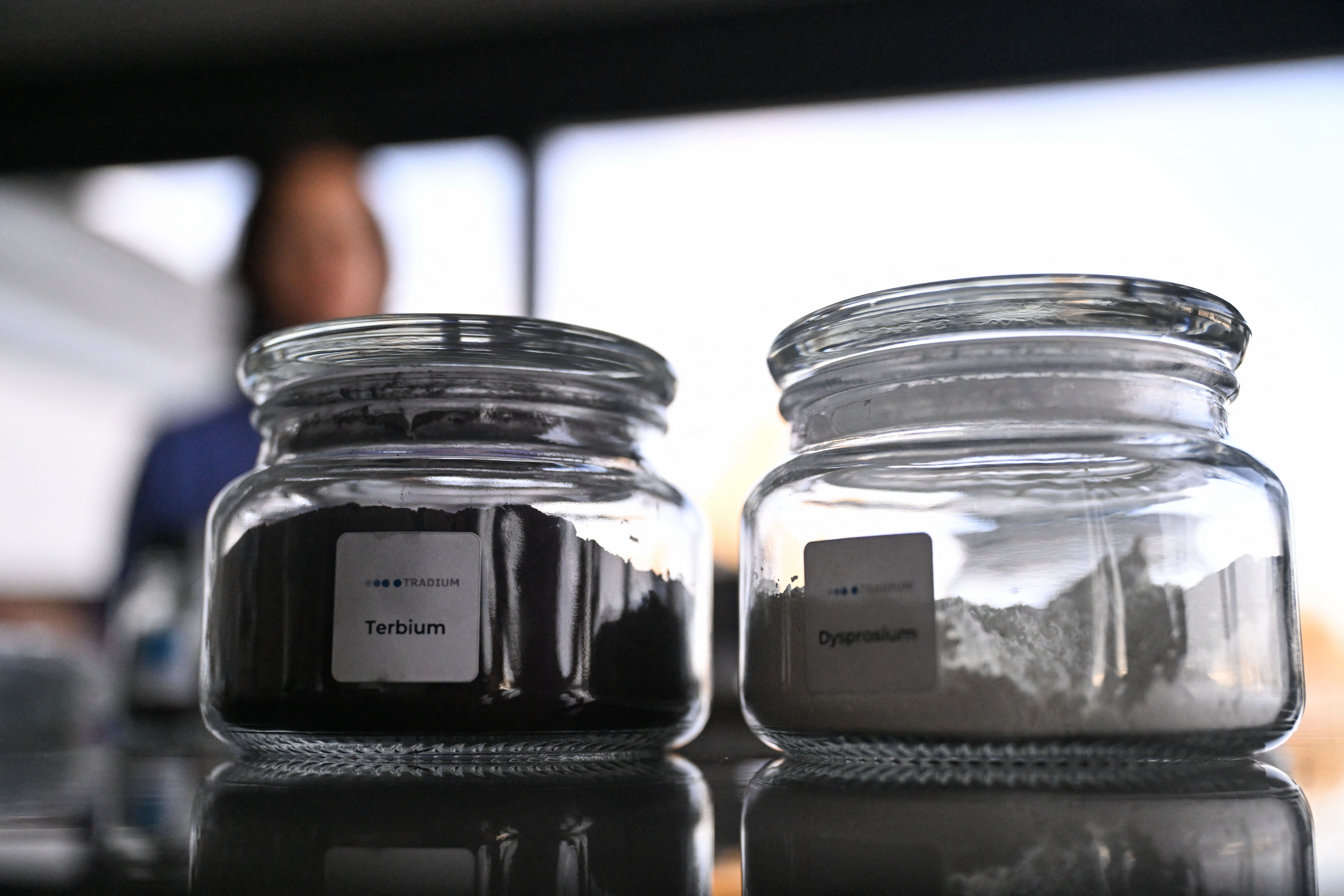
Regulation, not embargo, allows Beijing to shape how other countries and firms adapt to its terms.

Alvin Camba
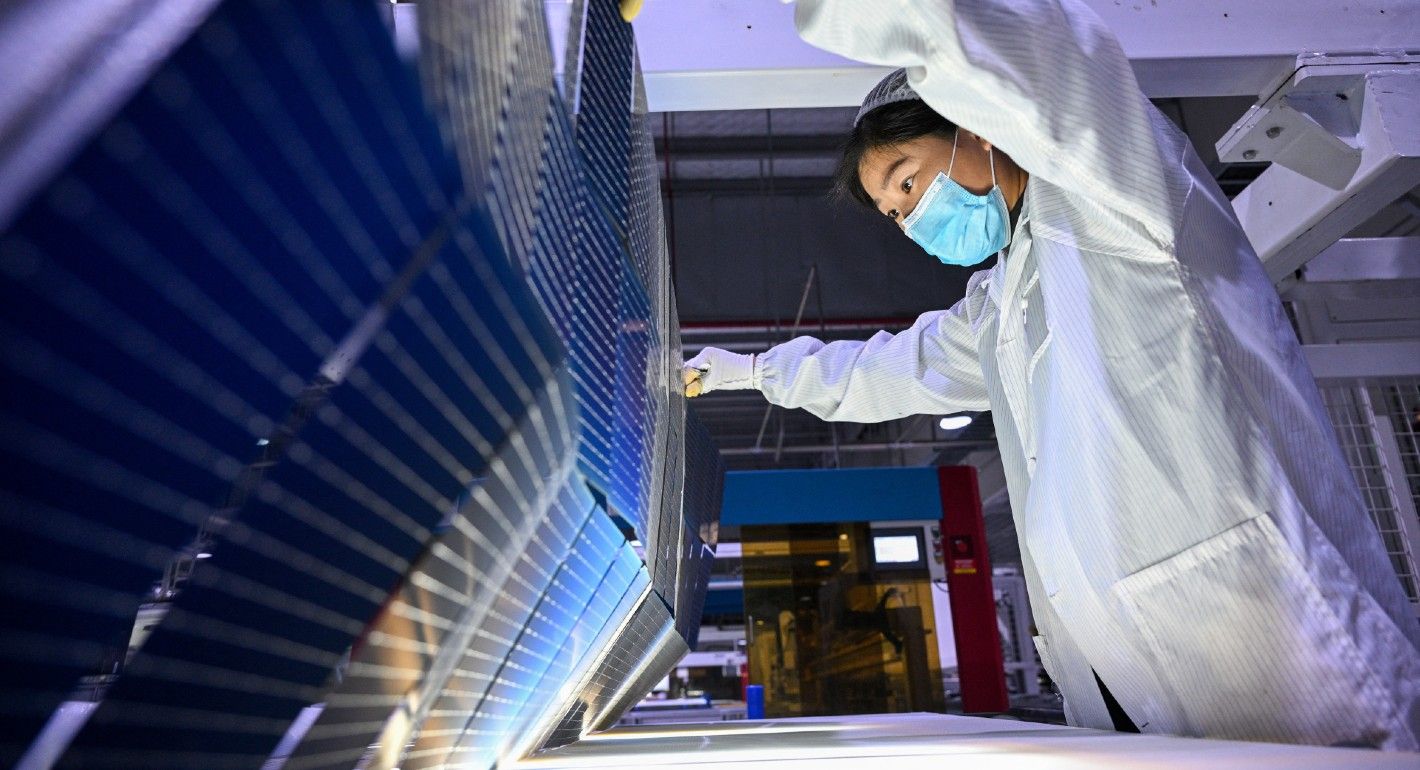
Rather than climate ambitions, compatibility with investment and exports is why China supports both green and high-emission technologies.

Mathias Larsen
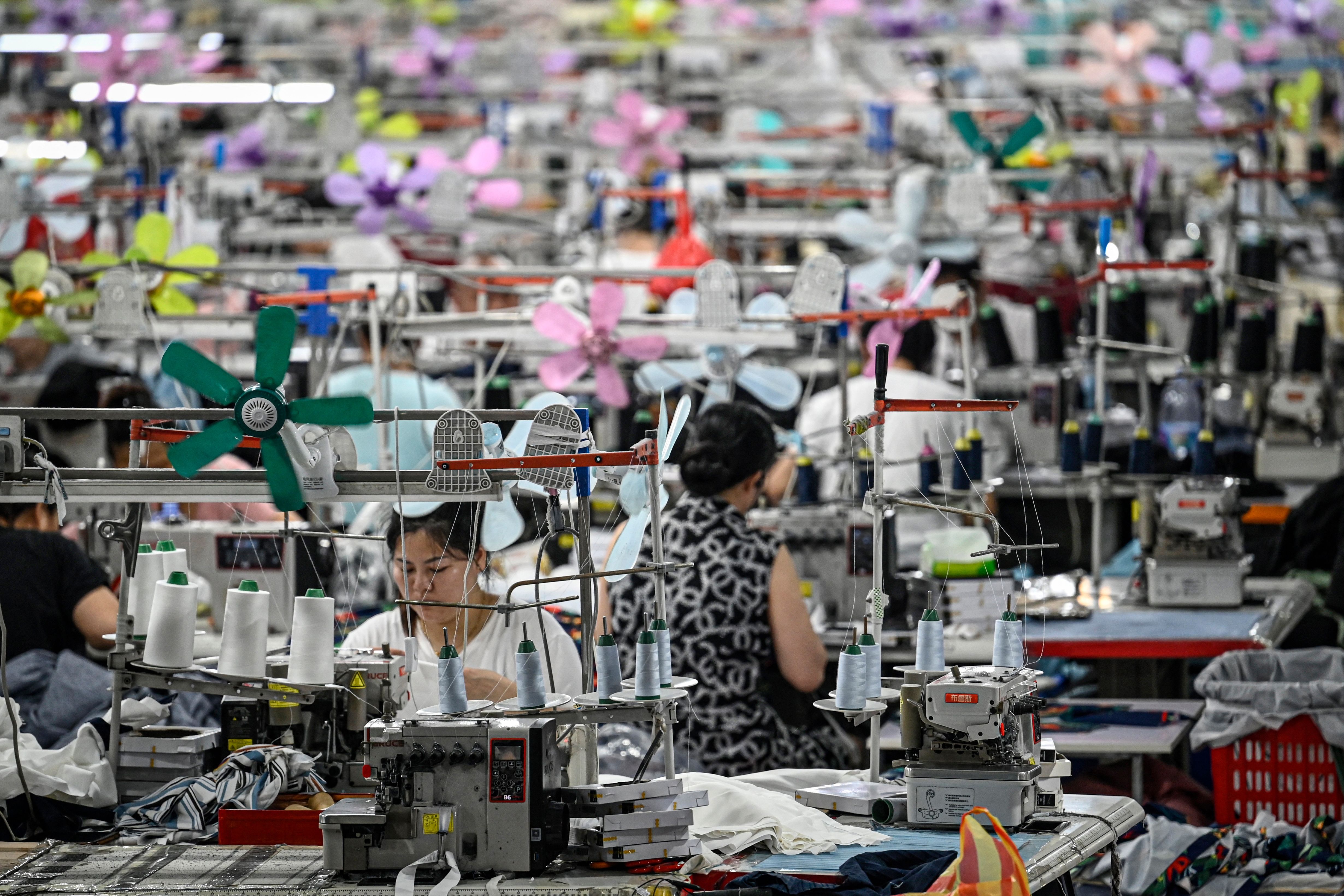
“Involution” is a new word for an old problem, and without a very different set of policies to rein it in, it is a problem that is likely to persist.
Michael Pettis