

Research
- +6
Yasmine Farouk, Nathan J. Brown, Maysaa Shuja Al-Deen, …
{
  "authors": [
    "Anouar Boukhars"
  ],
  "type": "other",
  "centerAffiliationAll": "dc",
  "centers": [
    "Carnegie Endowment for International Peace",
    "Malcolm H. Kerr Carnegie Middle East Center"
  ],
  "collections": [],
  "englishNewsletterAll": "menaTransitions",
  "nonEnglishNewsletterAll": "",
  "primaryCenter": "Carnegie Endowment for International Peace",
  "programAffiliation": "MEP",
  "programs": [
    "Middle East"
  ],
  "projects": [],
  "regions": [
    "North Africa",
    "Maghreb"
  ],
  "topics": [
    "Security"
  ]
}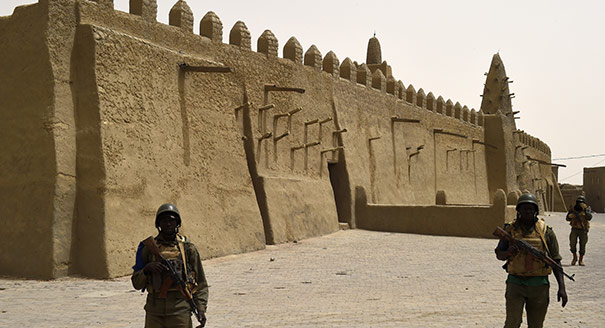
Source: Getty
The Sahel-Sahara region faces a multitude of security challenges, including structural factors that have contributed to radicalization and the successful exploitation of ethnicity and religion by violent extremist groups.
Source: FRIDE
The Sahel-Sahara faces a cluster of security challenges. The upsurge in ethnic radicalisation and its growing overlap with violent militancy are only the most visible signs of the troubles hanging over this vast region. This locus of insecurities mushrooms at the periphery of national boundaries where government writs rarely run. The permeability of borders, and proliferation of zones of political vacuums and economic marginalization in the hinterlands, fuel irredentism and enable the geographical expansion of violent extremists and their networking in excluded border communities. Violence spilling over from neighbouring conflicts often expedites the gradual transformation of such border communities into malignant epicentres of radicalized ethnic claims, cross-border militancy, and organized crime.
Understanding this deadly interplay of political grievances, social exclusion, and hinterland neglect is necessary for tackling the underlying causes of militancy in the Sahel/Saharan border regions. Mapping the dynamics that prompt radicalisation and drive individuals into the orbit of violent extremist networks also requires a keen understanding of the pull of social networks, ideology, and human agency. Conflicts in the Sahel Sahara show that while an abundance of structural factors such as weak governance, social exclusion and state repression creates enabling environments for radicalisation, they remain insufficient to pulling individuals into violent extremism in the absence of the pull exercised by extremist networks, inspirational ideologues, or political entrepreneurs. The spread of external fundamentalist ideas, the appeal of charismatic recruiters, and the material and emotional benefits generated from affiliation with radical social networks play a critical role in producing violent extremism....
Former Nonresident Fellow, Middle East Program
Boukhars was a nonresident fellow in Carnegie’s Middle East Program. He is a professor of countering violent extremism and counter-terrorism at the Africa Center for Strategic Studies, National Defense University.
Recent Work



Yasmine Farouk, Nathan J. Brown, Maysaa Shuja Al-Deen, …

Frederic Wehrey, Nathan J. Brown, Bader Al-Saif, …
Carnegie does not take institutional positions on public policy issues; the views represented herein are those of the author(s) and do not necessarily reflect the views of Carnegie, its staff, or its trustees.
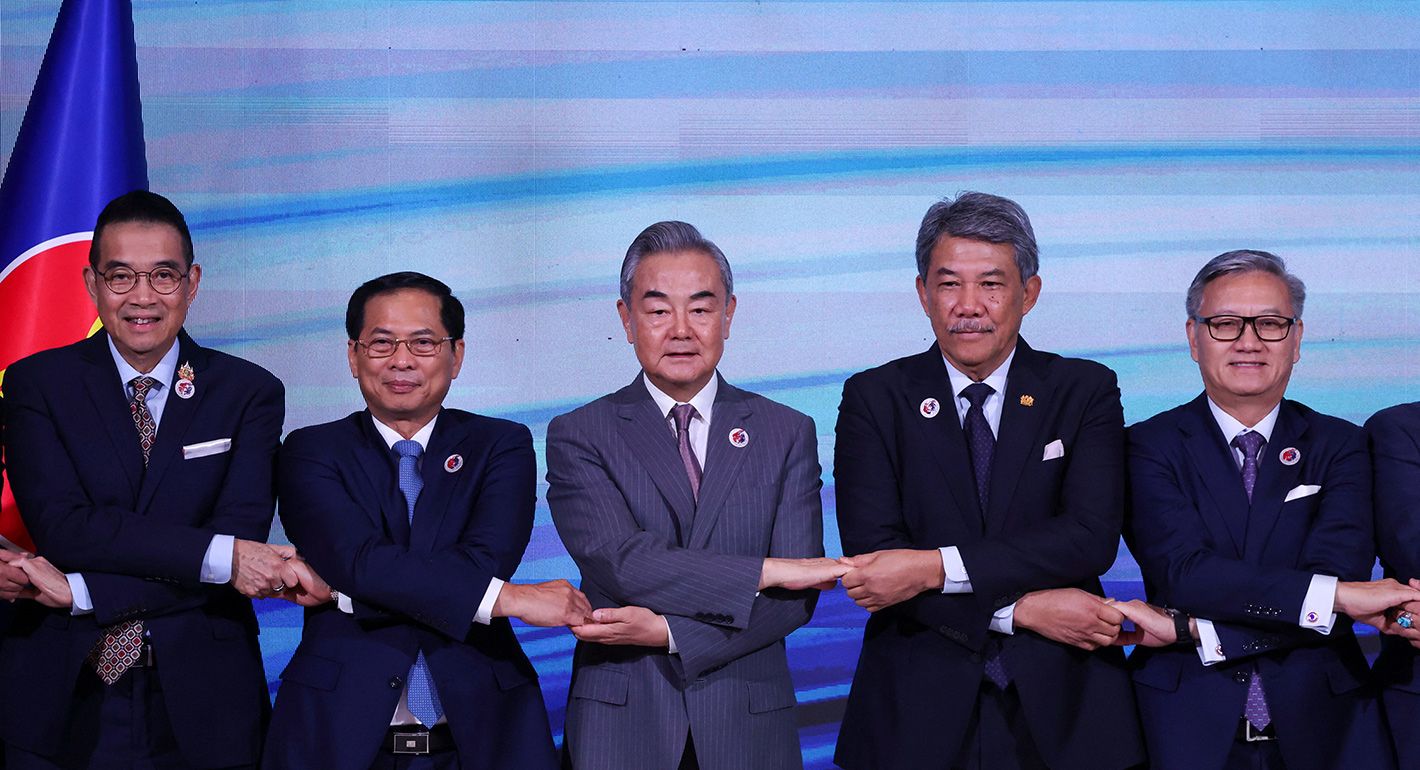
The Thai-Cambodian conflict highlights the limits to China's peacemaker ambition and the significance of this role on Southeast Asia’s balance of power.

Pongphisoot (Paul) Busbarat
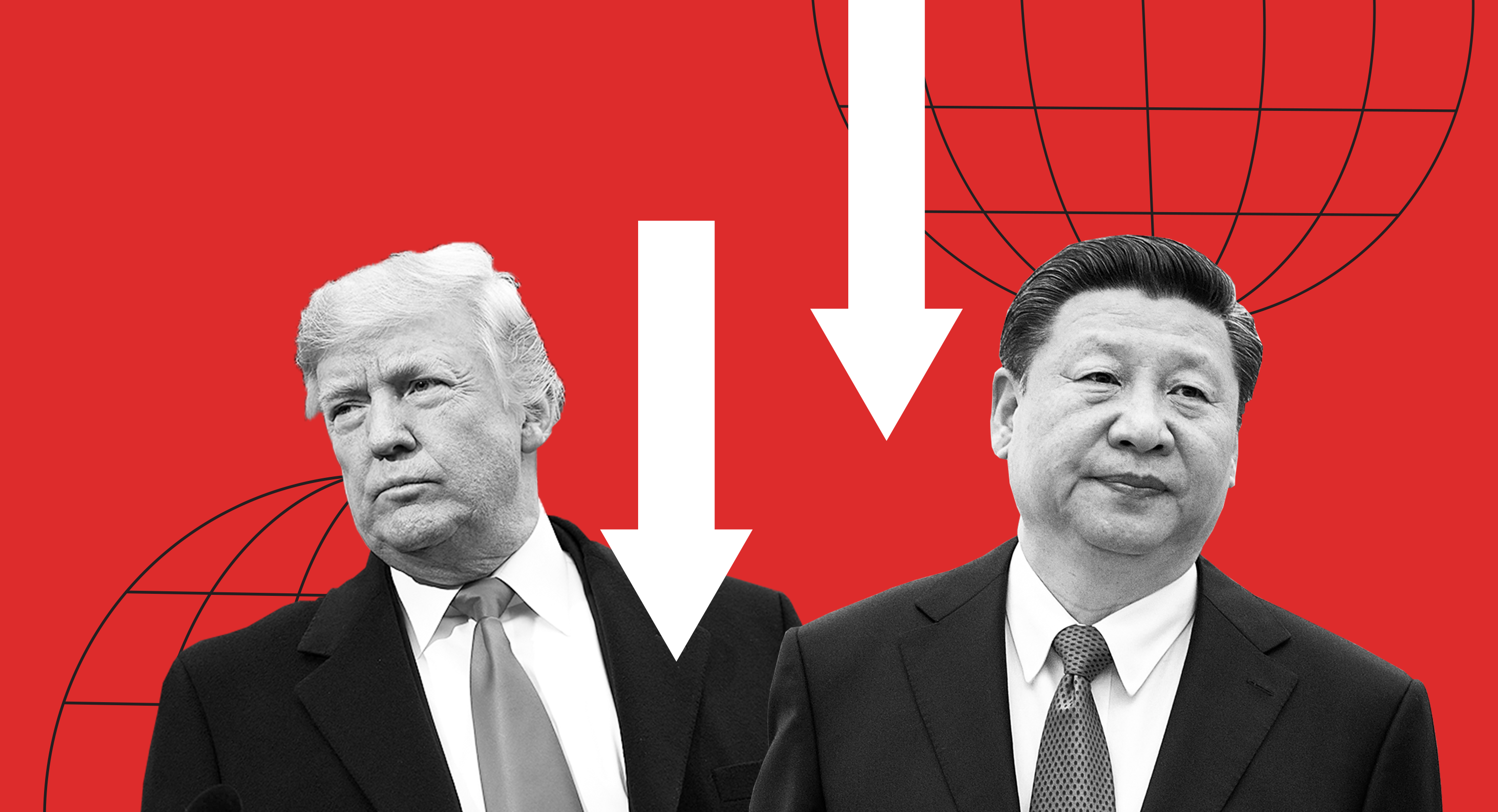
Beijing believes that Washington is overestimating its own leverage and its ability to handle the trade war’s impacts.


Rick Waters, Sheena Chestnut Greitens
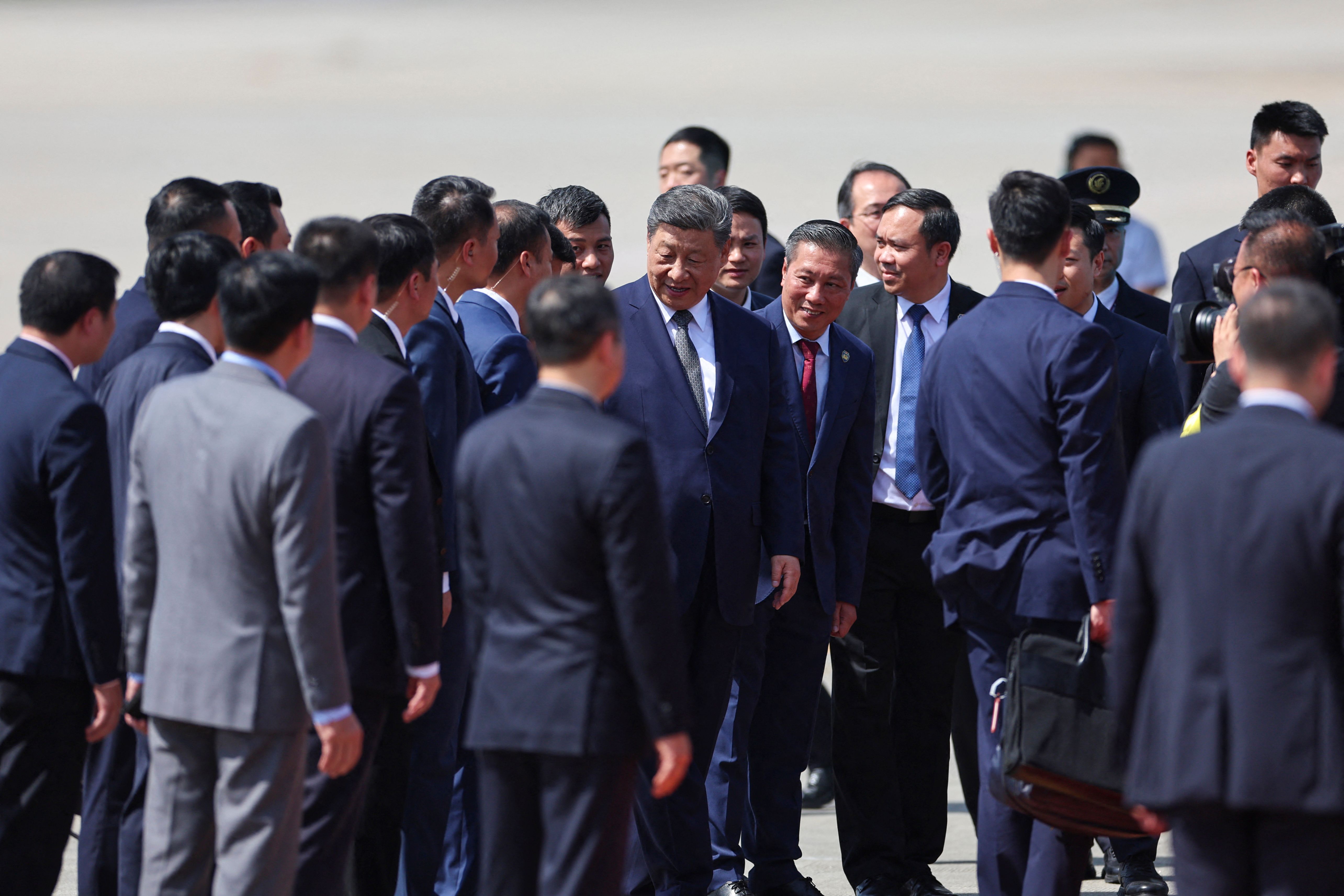
Tapping our network of China experts in the region, Carnegie China offers this latest “China Through a Southeast Asian Lens” report to offer preliminary assessments of whether the U.S. effort to reshape the global trading order will lead countries in the region to tilt toward Beijing.



Selina Ho, Khin Khin Kyaw Kyee, Joseph Ching Velasco, …
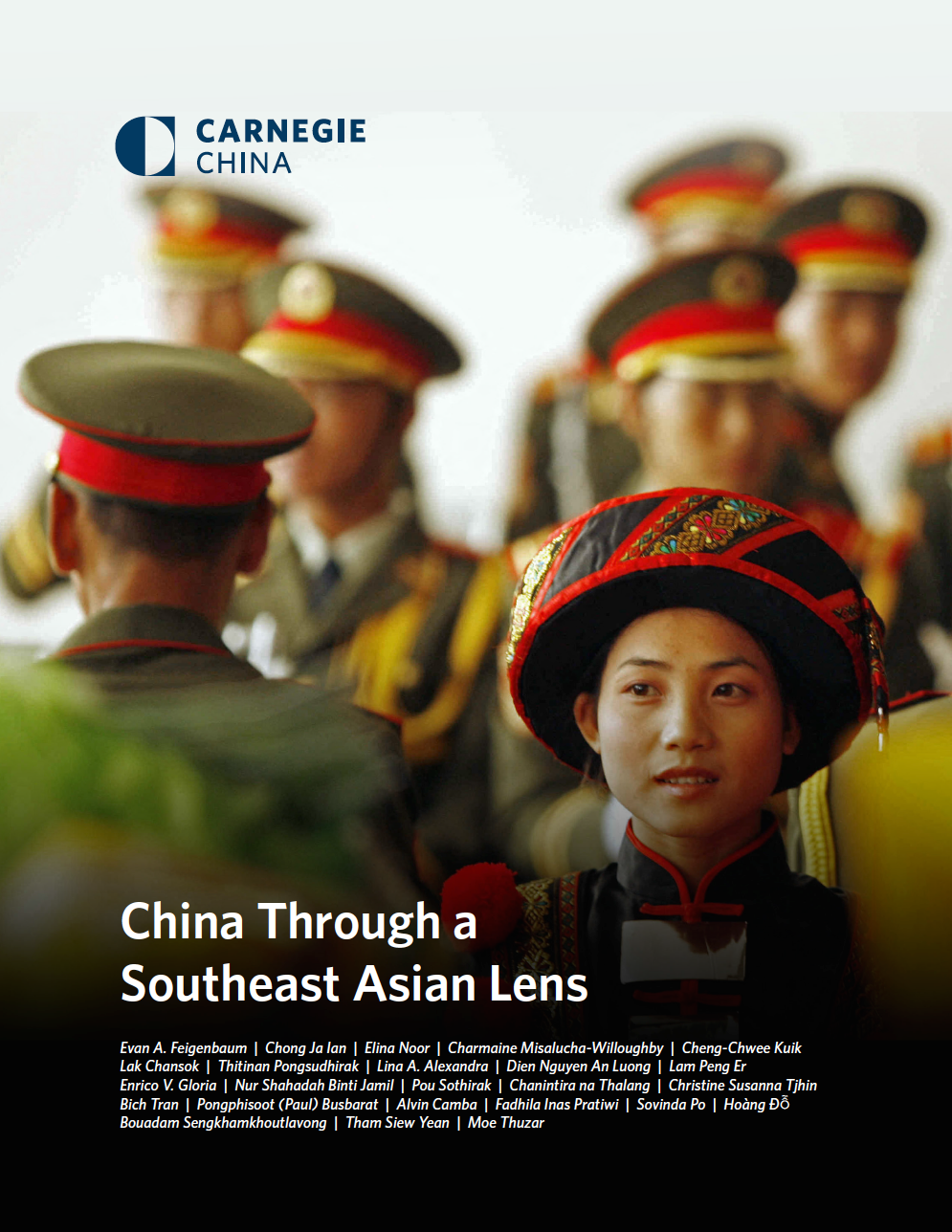
Because strategic, economic, and ideological perceptions of China contain multiple, sometimes contradictory facets in Southeast Asia, receptions of and responses to Beijing diverge across and within state lines.



Evan A. Feigenbaum, Chong Ja Ian, Elina Noor
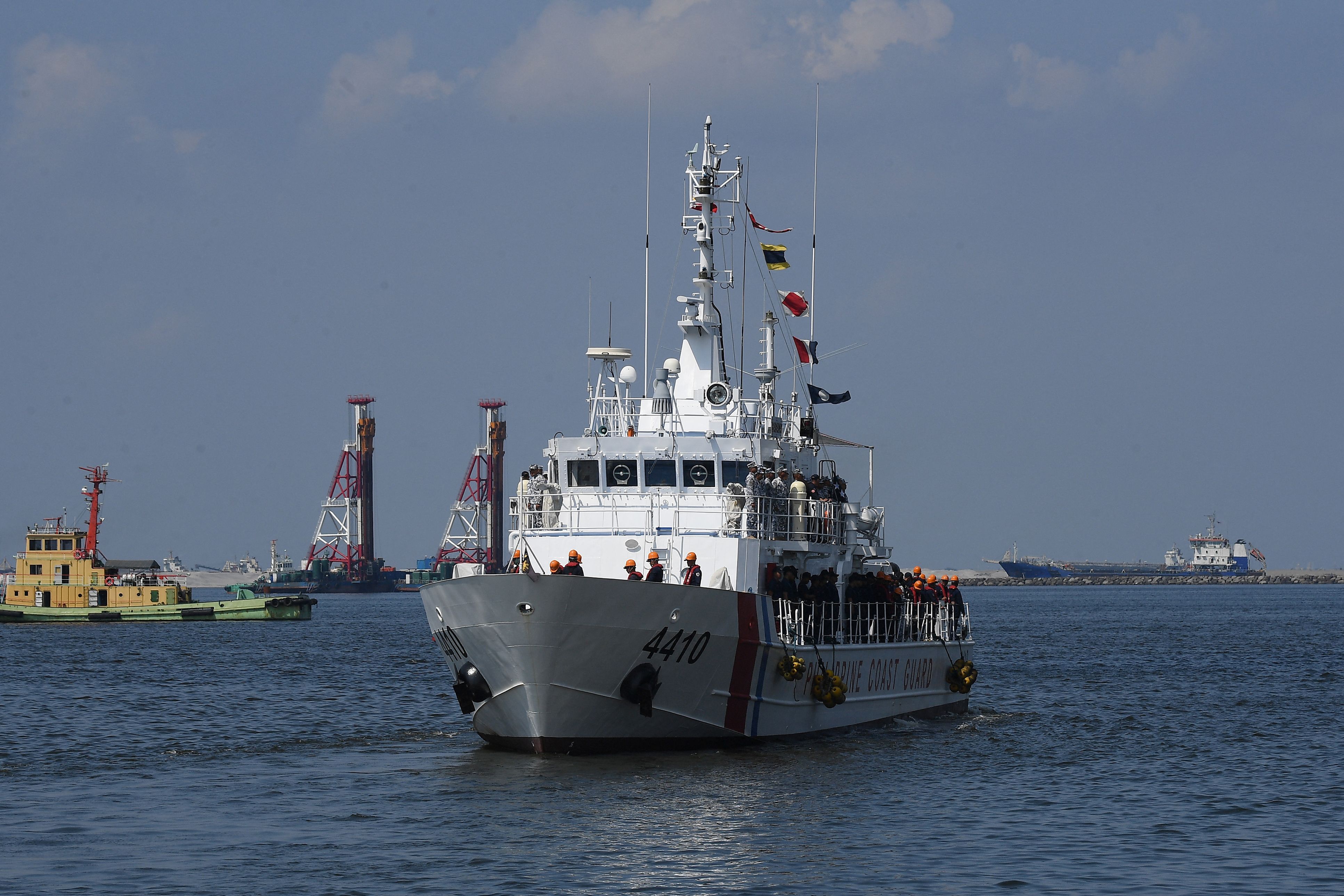
Most Southeast Asian states behave as if the actions of their Northeast Asian neighbors and the Philippines will be sufficient to maintain a regional status quo from which they can benefit.
Chong Ja Ian