

Commentary
The Thai-Cambodian conflict highlights the limits to China's peacemaker ambition and the significance of this role on Southeast Asia’s balance of power.
Pongphisoot (Paul) Busbarat
{
  "authors": [],
  "type": "pressRelease",
  "centerAffiliationAll": "",
  "centers": [
    "Carnegie Endowment for International Peace"
  ],
  "collections": [],
  "englishNewsletterAll": "",
  "nonEnglishNewsletterAll": "",
  "primaryCenter": "Carnegie Endowment for International Peace",
  "programAffiliation": "",
  "programs": [],
  "projects": [],
  "regions": [],
  "topics": [
    "Security"
  ]
}
REQUIRED IMAGE
WASHINGTON—The Carnegie Endowment for International Peace announced today the appointment of Tim Maurer as an associate. Maurer will help lead Carnegie’s new cyberpolicy project focusing on developing norms for offensive cyberoperations.
Maurer comes to Carnegie from New America, where he was director of the Global Cybersecurity Norms and Resilience Project and head of research for the organization’s Cybersecurity Initiative.
“I am delighted that Tim will be joining us,” Carnegie President William J. Burns said. “He is as thoughtful and strategic a thinker about emerging norms in cyberspace as I know. He will be an invaluable addition to our growing team of researchers across our global centers examining the intersection of science, technology, and international affairs.”
“I am honored and delighted to be joining Carnegie,” Maurer said. “I am looking forward to working with its team of renowned experts to address normative issues in cyberspace and in other emerging arenas of consequence for international politics.”
Maurer will work with Vice President for Studies George Perkovich and Nonresident Senior Associate Ariel Levite on the new initiative, as well as continue his book project on proxy actors and cybersecurity. He also serves as a member of the Research Advisory Network of the Global Commission on Internet Governance.
Maurer holds a master’s degree in public policy from Harvard University’s John F. Kennedy School of Government and a bachelor’s degree in political science from the Free University of Berlin. A co-chair of the Civil Society Advisory Board for the Global Conference on Cyberspace, he has written on cyberissues in Jane’s Intelligence Review, TIME, Foreign Policy, Slate, and other outlets.
Carnegie does not take institutional positions on public policy issues; the views represented herein are those of the author(s) and do not necessarily reflect the views of Carnegie, its staff, or its trustees.
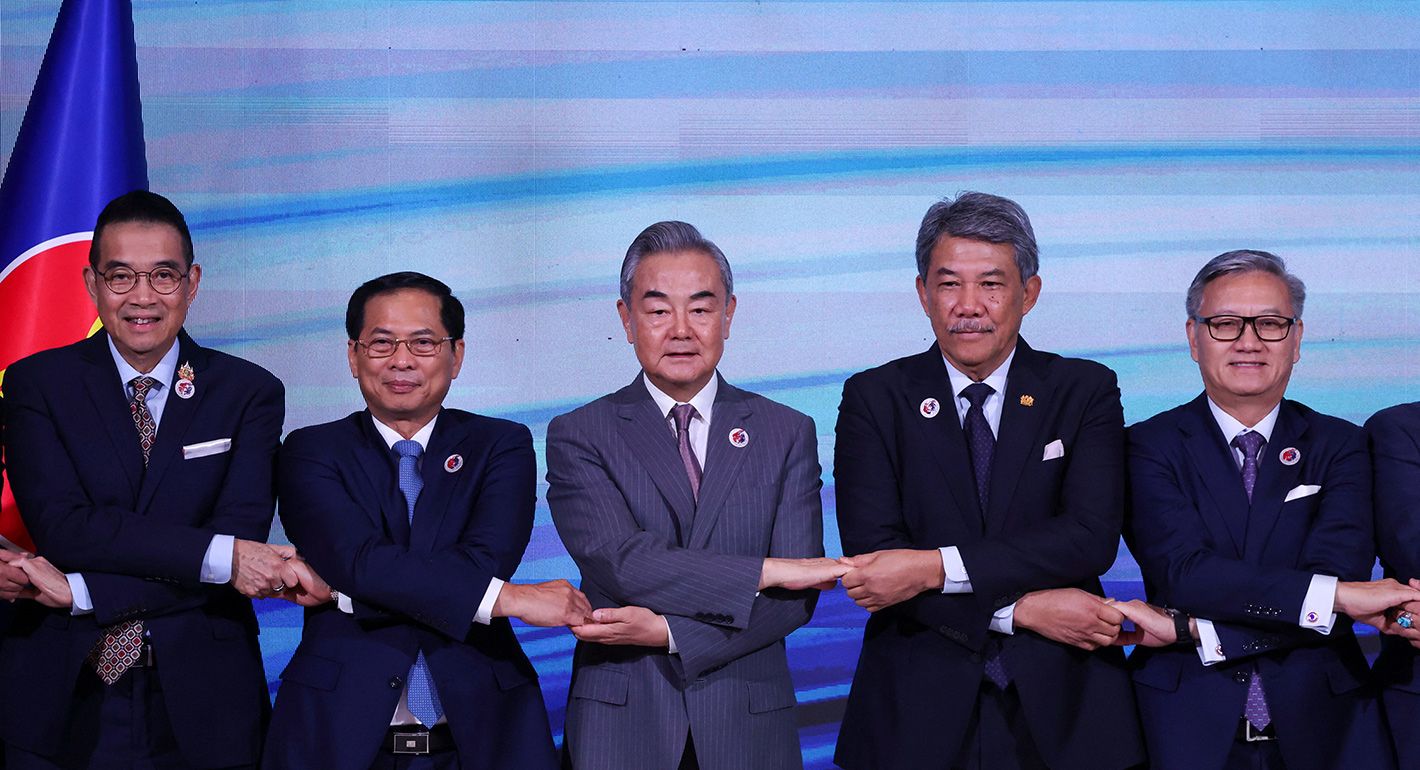
The Thai-Cambodian conflict highlights the limits to China's peacemaker ambition and the significance of this role on Southeast Asia’s balance of power.

Pongphisoot (Paul) Busbarat
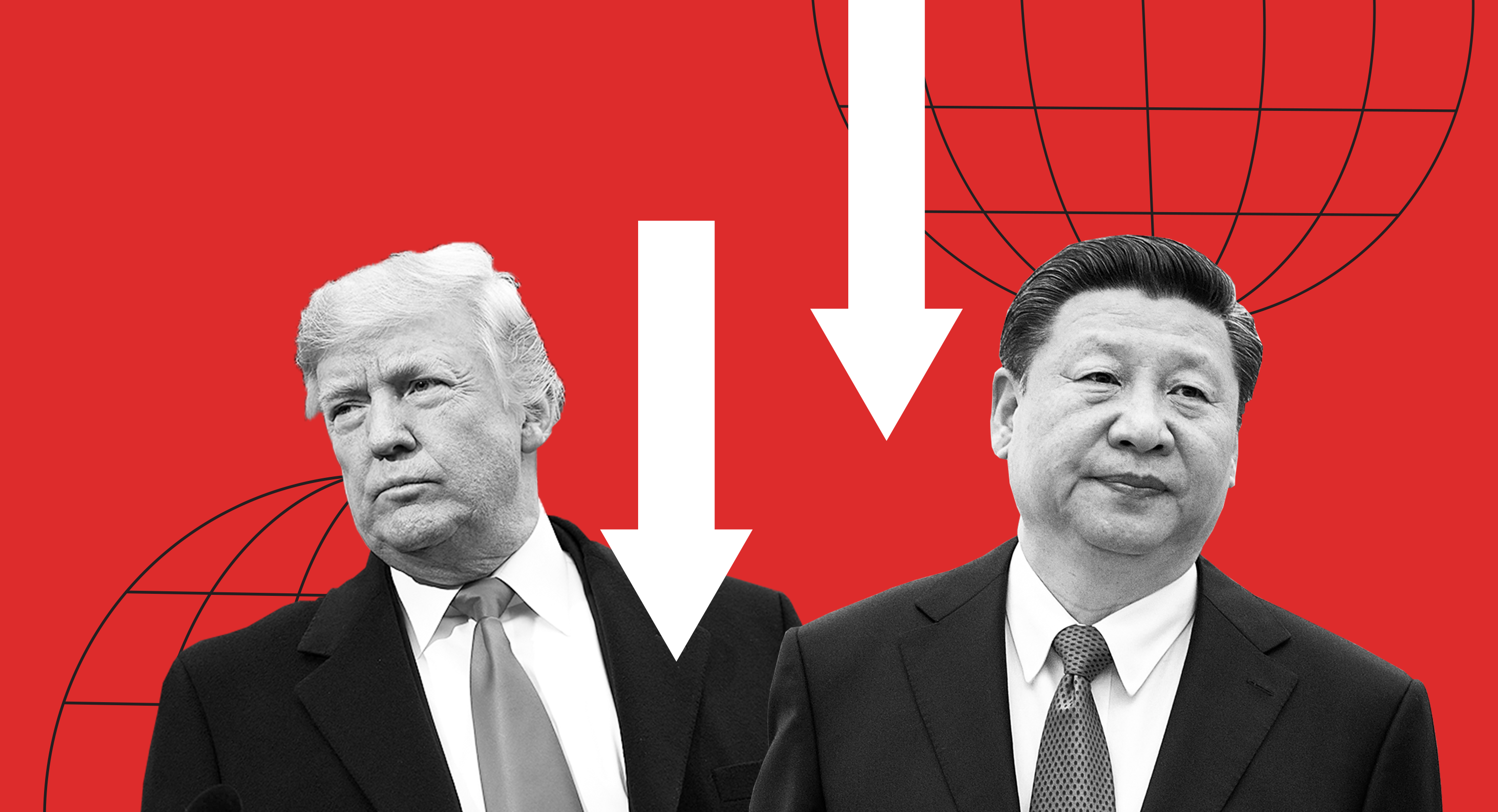
Beijing believes that Washington is overestimating its own leverage and its ability to handle the trade war’s impacts.


Rick Waters, Sheena Chestnut Greitens
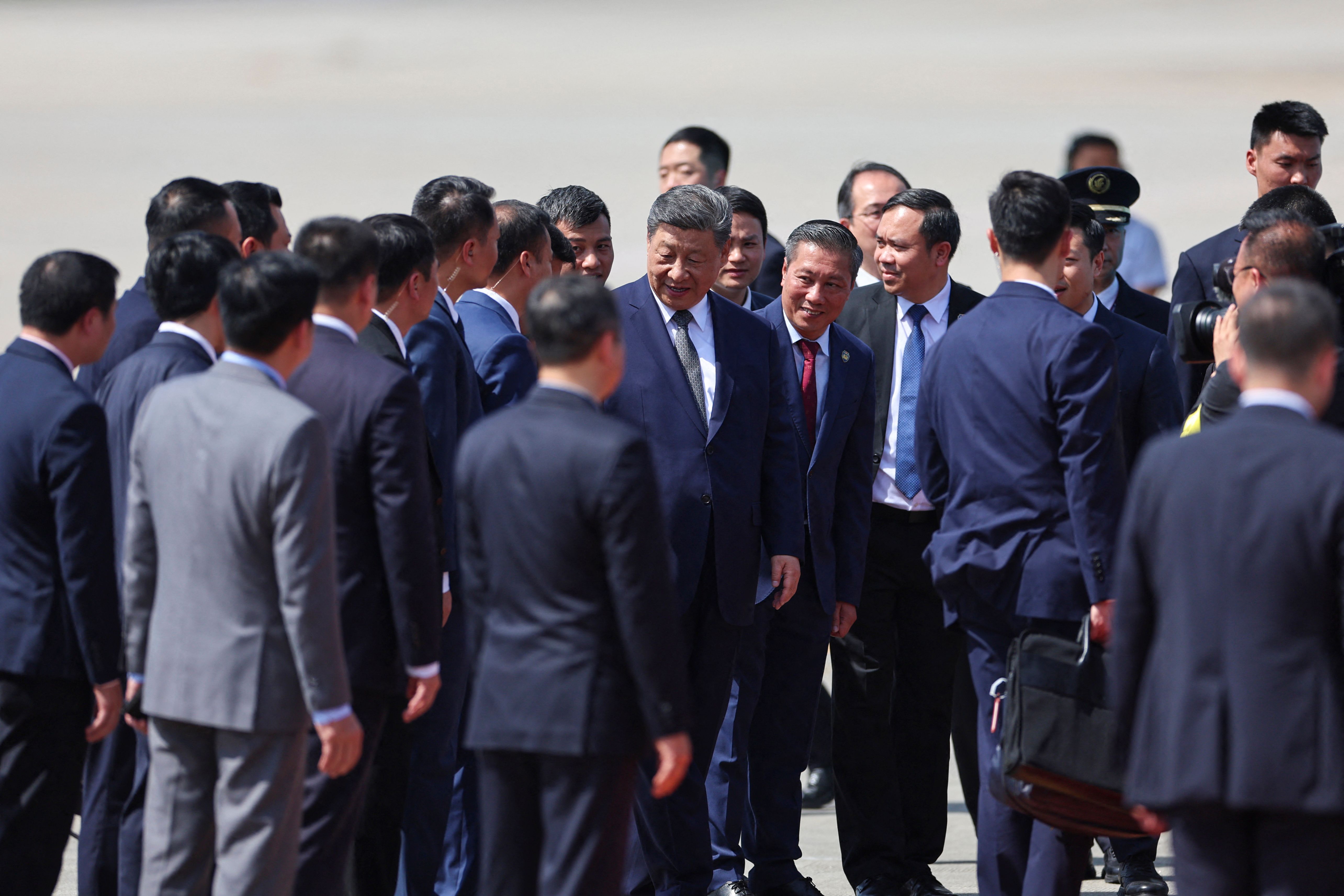
Tapping our network of China experts in the region, Carnegie China offers this latest “China Through a Southeast Asian Lens” report to offer preliminary assessments of whether the U.S. effort to reshape the global trading order will lead countries in the region to tilt toward Beijing.
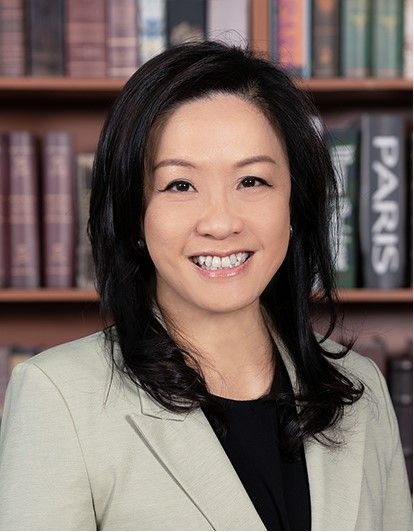


Selina Ho, Khin Khin Kyaw Kyee, Joseph Ching Velasco, …
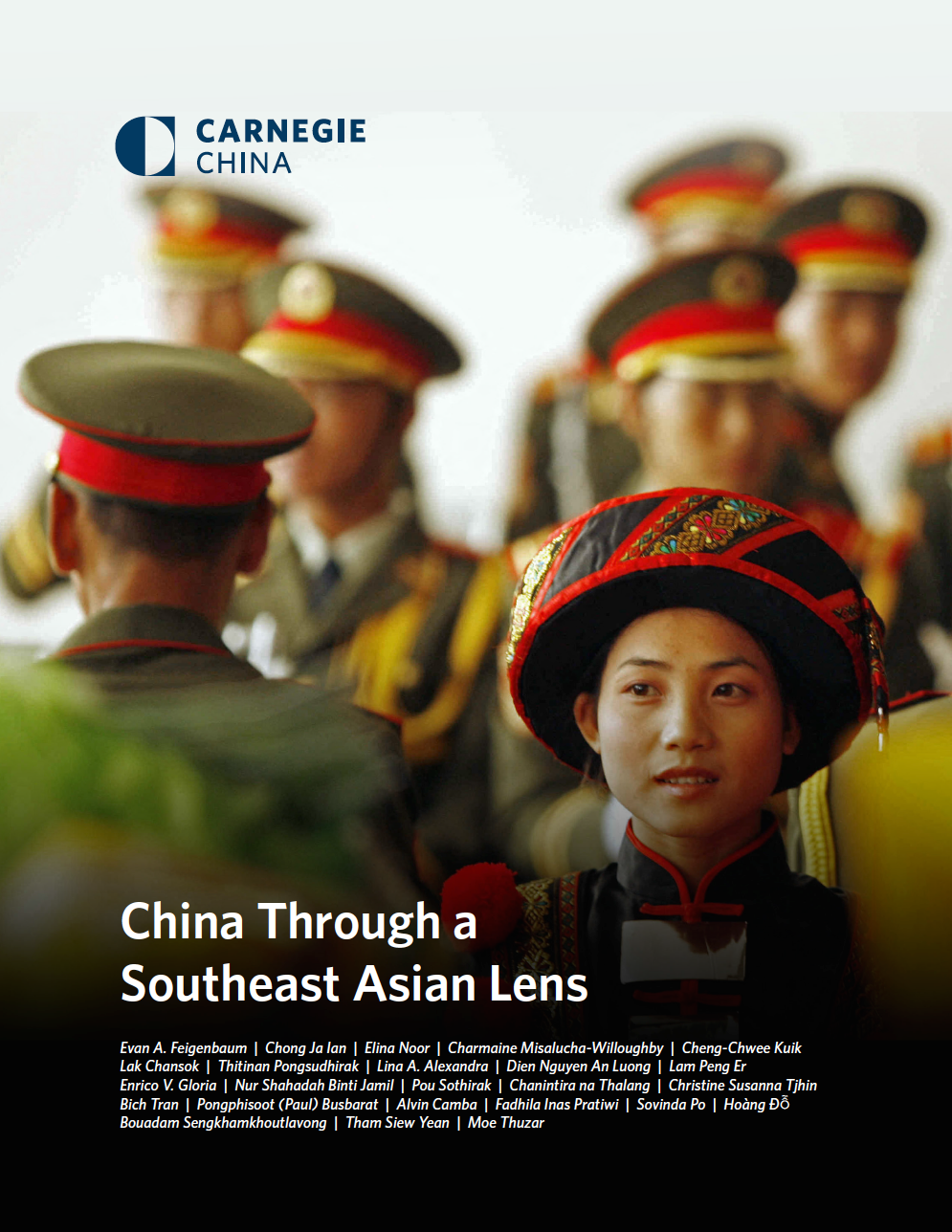
Because strategic, economic, and ideological perceptions of China contain multiple, sometimes contradictory facets in Southeast Asia, receptions of and responses to Beijing diverge across and within state lines.



Evan A. Feigenbaum, Chong Ja Ian, Elina Noor
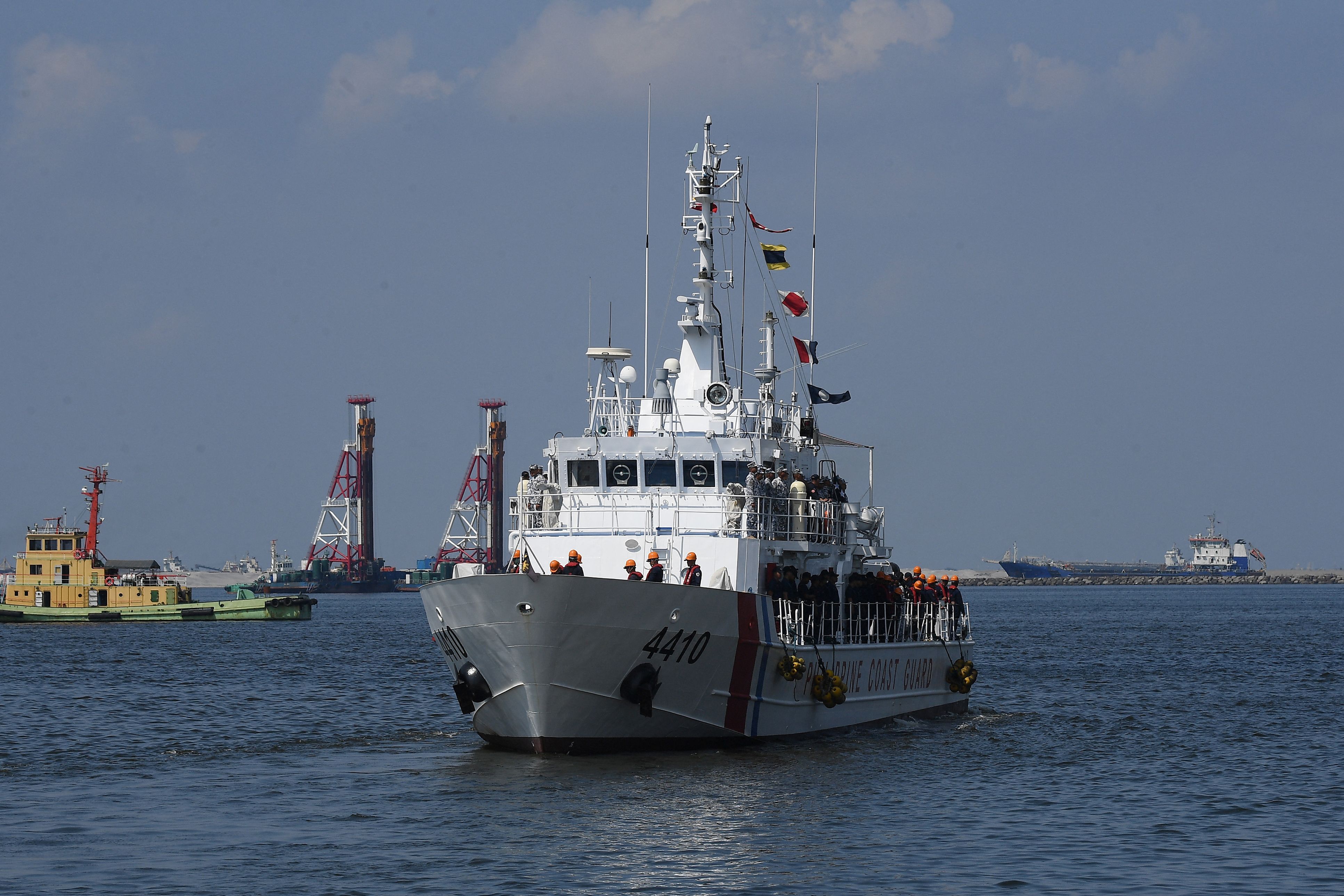
Most Southeast Asian states behave as if the actions of their Northeast Asian neighbors and the Philippines will be sufficient to maintain a regional status quo from which they can benefit.
Chong Ja Ian