

Paper
James M. Acton, Ankit Panda
{
  "authors": [
    "James M. Acton"
  ],
  "type": "other",
  "centerAffiliationAll": "dc",
  "centers": [
    "Carnegie Endowment for International Peace"
  ],
  "collections": [
    "Hypersonic Weapons"
  ],
  "englishNewsletterAll": "ctw",
  "nonEnglishNewsletterAll": "",
  "primaryCenter": "Carnegie Endowment for International Peace",
  "programAffiliation": "NPP",
  "programs": [
    "Nuclear Policy"
  ],
  "projects": [],
  "regions": [],
  "topics": [
    "Security",
    "Military",
    "Nuclear Policy"
  ]
}
Source: Getty
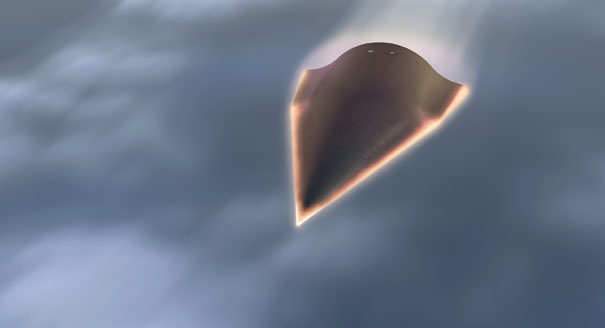
How do boost-glide weapons work? How effective will they be from a military standpoint?
Source: Science & Global Security
The United States, Russia and China are developing hypersonic boost-glide vehicles. A simple model of their trajectory is developed by assuming that the vehicle does not oscillate during the transition to equilibrium gliding. This model is used to analyze U.S. Department of Defense data on test flights for the Hypersonic Technology Vehicle-2. This glider's lift-to-drag ratio—a key performance parameter—is estimated to be 2.6. The model is also used to calculate the tactical warning time that a boost-glide attack would afford an adversary. Other aspects of boost-glide weapons’ military effectiveness are explored. Approximate calculations suggest that, compared to existing non-nuclear weapons, boost-glide weapons could penetrate more deeply but would be less effective at destroying silos. The distance at which a boost-glide weapon armed with a particle dispersion warhead could destroy a mobile missile is also calculated; it is expected to be significantly larger than for an explosive warhead....
This article was originally published in Science & Global Security. A supplement to the article can be found here.

Jessica T. Mathews Chair, Co-director, Nuclear Policy Program
Acton holds the Jessica T. Mathews Chair and is co-director of the Nuclear Policy Program at the Carnegie Endowment for International Peace.
Recent Work

James M. Acton, Ankit Panda
James M. Acton
Carnegie does not take institutional positions on public policy issues; the views represented herein are those of the author(s) and do not necessarily reflect the views of Carnegie, its staff, or its trustees.

The nuclear relationship between China and the United States is increasingly shaped by widening perception gaps rather than deliberate strategic design.

Tong Zhao
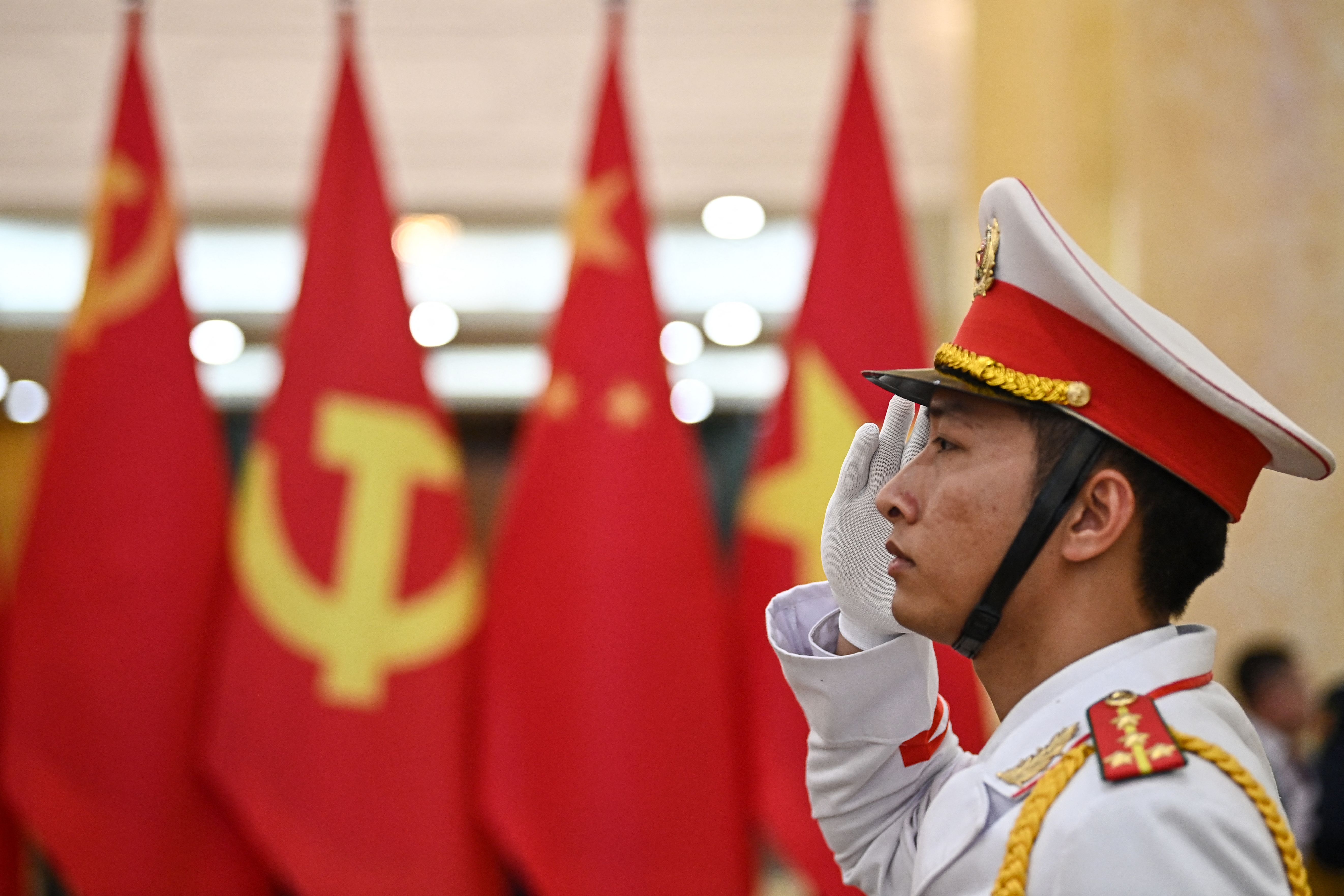
In July 2025, Vietnam and China held their first joint army drill, a modest but symbolic move reflecting Hanoi’s strategic hedging amid U.S.–China rivalry.

Nguyễn Khắc Giang
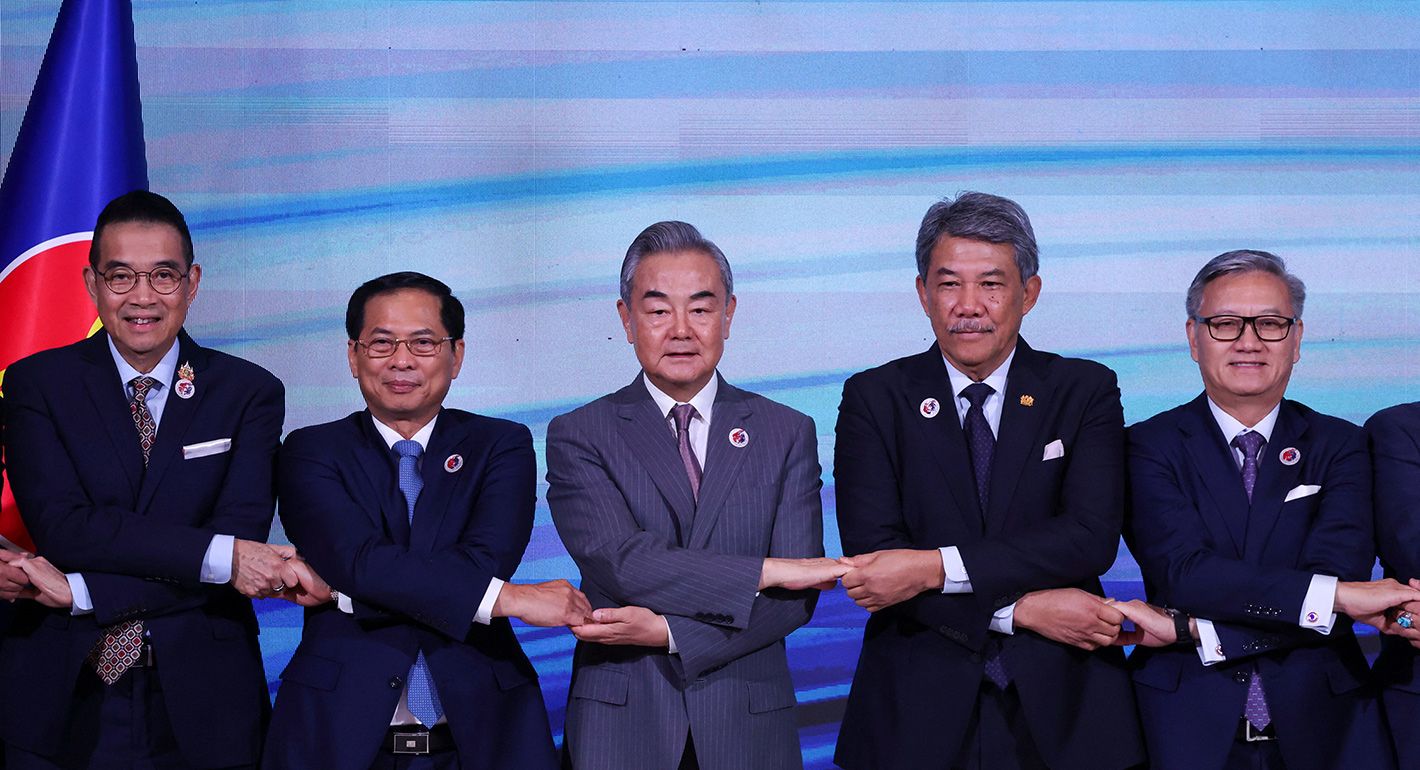
The Thai-Cambodian conflict highlights the limits to China's peacemaker ambition and the significance of this role on Southeast Asia’s balance of power.

Pongphisoot (Paul) Busbarat
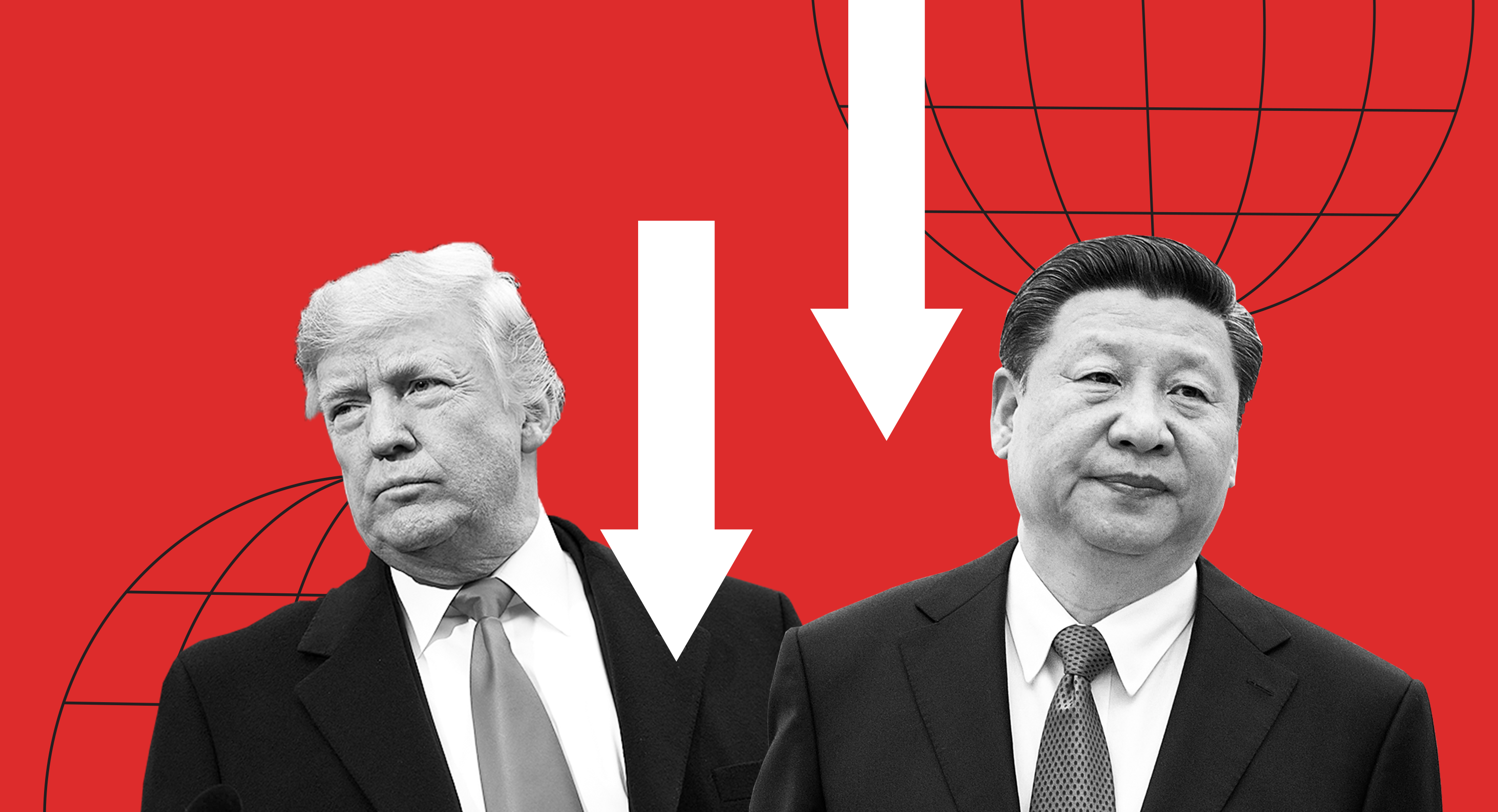
Beijing believes that Washington is overestimating its own leverage and its ability to handle the trade war’s impacts.


Rick Waters, Sheena Chestnut Greitens
Tapping our network of China experts in the region, Carnegie China offers this latest “China Through a Southeast Asian Lens” report to offer preliminary assessments of whether the U.S. effort to reshape the global trading order will lead countries in the region to tilt toward Beijing.



Selina Ho, Khin Khin Kyaw Kyee, Joseph Ching Velasco, …