

Paper
Richard Youngs, Thomas Carothers
{
  "authors": [
    "Thomas Carothers"
  ],
  "type": "other",
  "centerAffiliationAll": "dc",
  "centers": [
    "Carnegie Endowment for International Peace"
  ],
  "collections": [
    "Democracy and Governance",
    "Civic Activism"
  ],
  "englishNewsletterAll": "democracy",
  "nonEnglishNewsletterAll": "",
  "primaryCenter": "Carnegie Endowment for International Peace",
  "programAffiliation": "DCG",
  "programs": [
    "Democracy, Conflict, and Governance"
  ],
  "projects": [],
  "regions": [],
  "topics": [
    "Political Reform",
    "Democracy"
  ]
}
Source: Getty
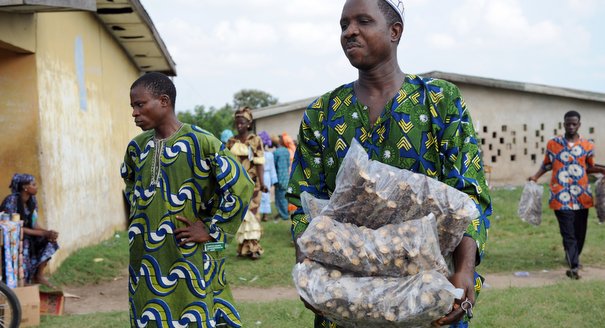
The development community faces a struggle between the push to make country ownership a fundamental tenet of foreign aid, and movement toward viewing societies as the true partners of such assistance.
Source: Organisation for Economic Co-operation and Development
The world of international development assistance is brimming with broad concepts that sound widely appealing and essentially uncontroversial. Some of these concepts pertain to specific areas of aid programming, such as civil society, the rule of law, governance and decentralisation. Others are operational principles as well as programmatic areas, such as the striking focus throughout the aid community in recent years on accountability, transparency, inclusion and participation. These operational principles not only constitute common ground among the many different organisations making up the aid world, but also appeal as bridges across the divide between providers and recipients. After decades of sharp Cold War divisions and ideological arguments, the aid world gravitated strongly in the 1990s toward a strong preference for consensus and shared principles, at least at the public level – a preference which has continued since.
Yet when one looks hard at the specific meaning of any of these concepts and principles, one quickly finds very different – and sometimes conflicting – ideas at work underneath the surface of apparent consensus. For some aid providers for example, rule of law means an emphasis on order and certain key legal institutions, like the courts and police. Others, however, see rule of law as rooted in the empowerment of individuals and binding constraints on institutions. Similarly wide differences animate work on accountability. For some, it is a fundamentally political concept attached to democratic processes – above all, elections. For others, it is a procedural endeavour regulating narrowly defined, apolitical governance functions, like budget management.Ownership is one more of these broad concepts that have become pervasive in the aid world during the past two decades – widely appealing, hard to disagree with, relevant to providers and recipients of aid alike, and constantly invoked. Yet, as with others in this category of broad concepts, the apparent consensus on ownership masks deep divisions. The debates in recent years at the Third and Fourth High-Level Forums on aid, at Accra and Busan, over whether ownership is best conceived of as “governmental ownership”, “country ownership” or “democratic ownership” are a manifestation of this fact. But the divisions go much deeper than such linguistic skirmishes might indicate. The concept of ownership is in fact at the heart of a deep-reaching struggle between two conflicting imperatives shaping the contemporary domain of international assistance: the push to make ownership the basic feature of international aid, and movement toward viewing developing country societies rather than just developing country governments as the true partners of international assistance....
Read the full chapter published by the Organisation for Economic Co-operation and Development.

Harvey V. Fineberg Chair for Democracy Studies; Director, Democracy, Conflict, and Governance Program
Thomas Carothers, director of the Carnegie Endowment for International Peace’s Democracy, Conflict, and Governance Program, is a leading expert on comparative democratization and international support for democracy.
Recent Work

Richard Youngs, Thomas Carothers

Thomas Carothers, McKenzie Carrier
Carnegie does not take institutional positions on public policy issues; the views represented herein are those of the author(s) and do not necessarily reflect the views of Carnegie, its staff, or its trustees.
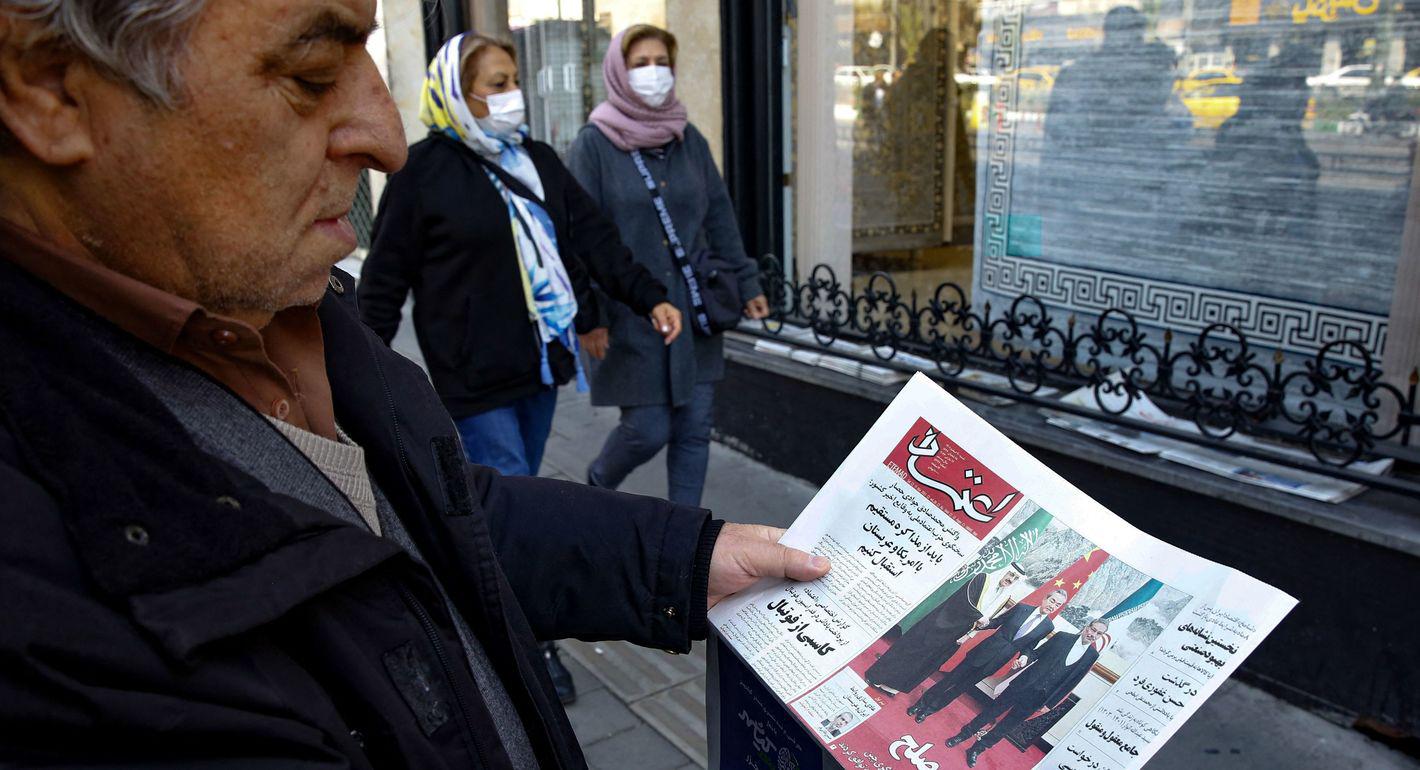
Transactional relationships are stable but can be shallow.



Paul Haenle, Maha Yahya, Benjamin Ho, …
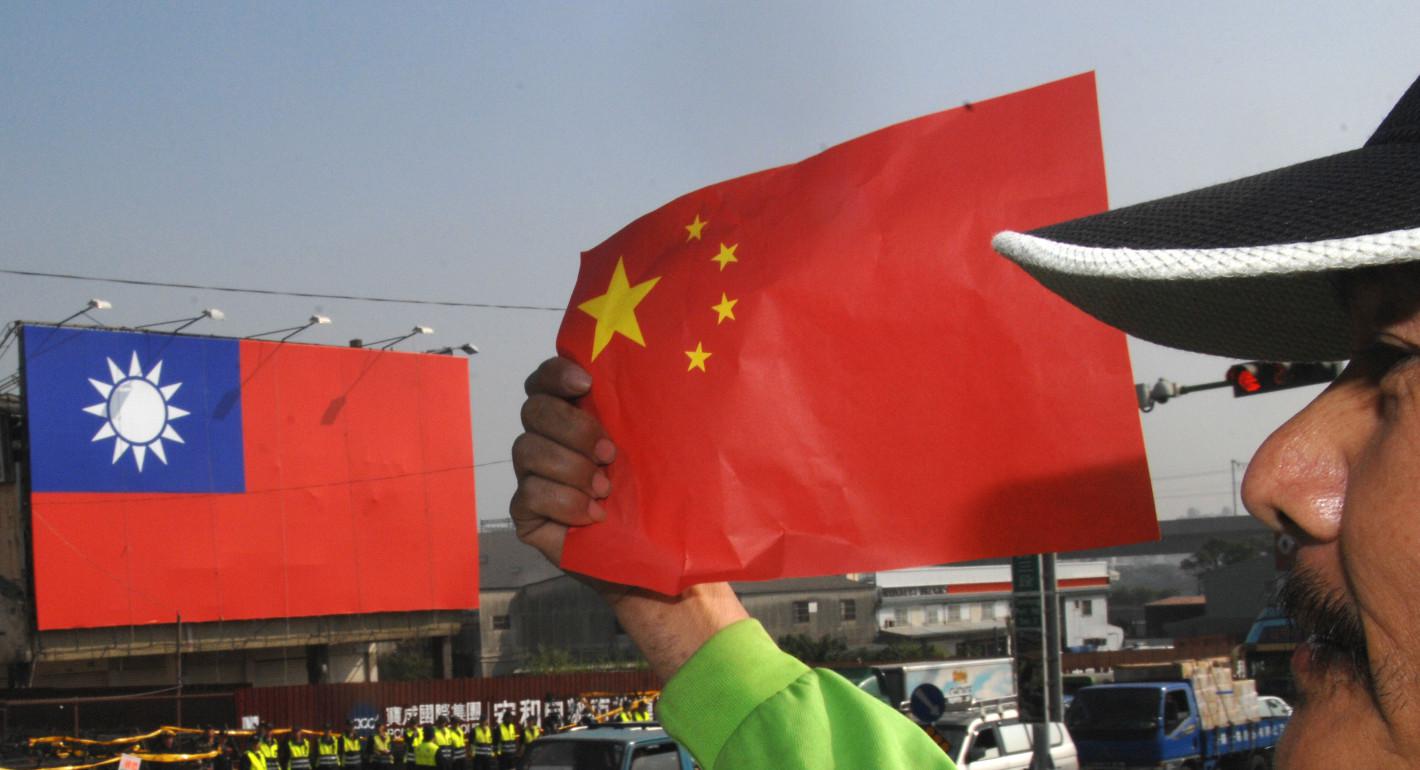
Beijing says that over 180 countries accept its “one China principle” regarding Taiwan, but the reality is more complicated.

Chong Ja Ian

Beijing must choose between preserving its pandemic narrative or facing more unrest.
Paul Haenle

It’s about managing oil prices, bread prices, and strategic partnerships.



Amr Hamzawy, Karim Sadjadpour, Aaron David Miller, …
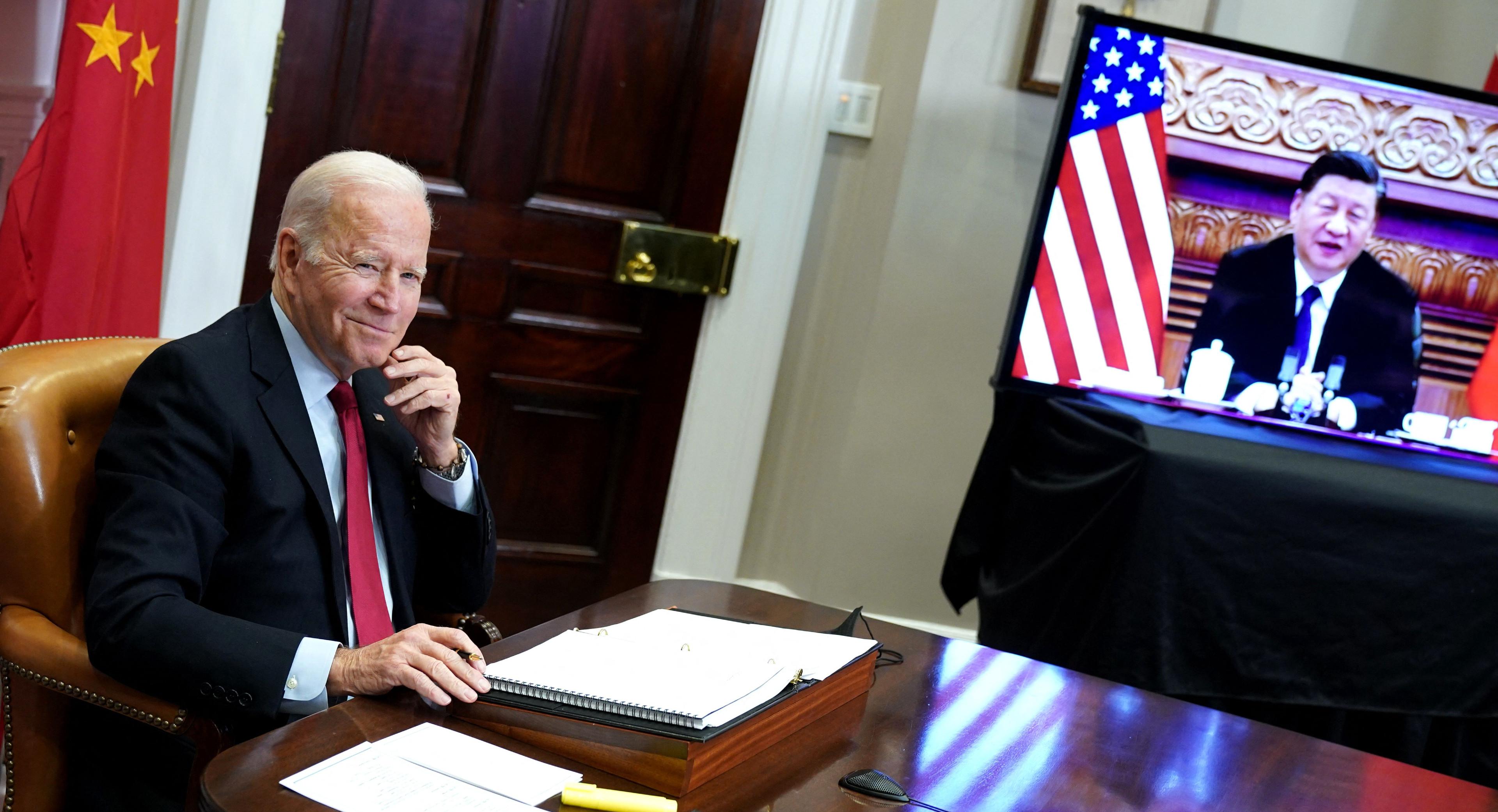
Three months after the Biden-Xi summit, the two sides’ divergent framings of the bilateral relationship are hindering progress.
Paul Haenle, Sam Bresnick