

Commentary
Beijing is trying to navigate the overall situation regarding Ukraine, especially the substance of interactions between Washington and Moscow.
- +1
Ellen Nakashima, Zhao Long, Pavlo Klimkin, …
{
  "authors": [],
  "type": "pressRelease",
  "centerAffiliationAll": "dc",
  "centers": [
    "Carnegie Endowment for International Peace"
  ],
  "collections": [],
  "englishNewsletterAll": "ctw",
  "nonEnglishNewsletterAll": "",
  "primaryCenter": "Carnegie Endowment for International Peace",
  "programAffiliation": "russia",
  "programs": [
    "Russia and Eurasia"
  ],
  "projects": [],
  "regions": [
    "Russia",
    "Eastern Europe",
    "Ukraine"
  ],
  "topics": []
}
REQUIRED IMAGE
Former Deputy Secretary of State and U.S. Senator to Co-Chair Bipartisan Effort
WASHINGTON—The Carnegie Endowment for International Peace and The Chicago Council on Global Affairs have launched a task force on U.S. policy toward Russia, Ukraine, and Eurasia co-chaired by former Deputy Secretary of State Richard Armitage and Senator Chris Murphy of Connecticut.
The task force aims to increase understanding of Russia’s foreign policy and its implications for regional order in Europe and Eurasia. It will produce a report recommending general principles for transatlantic policy toward the region.
“We can’t afford to neglect or underestimate the long-term challenge posed by Russia,” said Ambassador William J. Burns, president of Carnegie. “American interests demand a better understanding of the pressures facing the post-Cold War order in Europe and Eurasia and a more rigorous assessment of the policy options before us.”
Specifically, the task force will:
“What’s missing from the discussion about Russia, Ukraine, and the broader region today is analysis that looks beyond the frantic daily news cycle,” said Ambassador Ivo H. Daalder, president of the Council on Global Affairs. “It’s also clear that challenges facing Europe and Eurasia can only be confronted effectively through the combined efforts of multiple stakeholders, from governments around the globe to multinational businesses to experts in diplomacy and security. The task force reflects that dynamic.”
Task force members include:
Ambassador Richard Armitage, Task Force Co-chair; President, Armitage International; former Deputy Secretary of State
Senator Chris Murphy (D-CT), Task Force Co-chair
Ambassador William J. Burns, President, Carnegie Endowment for International Peace; former Deputy Secretary of State
Ambassador Ivo H. Daalder, President, The Chicago Council on Global Affairs; former U.S. Ambassador to NATO
Madeleine Albright, Chair, Albright Stonebridge Group; former Secretary of State
Gen. (Ret.) James Cartwright, Harold Brown Chair in Defense Policy Studies, Center for Strategic and International Studies; former Vice Chairman, Joint Chiefs of Staff
Derek Chollet, Counselor and Senior Advisor for Security and Defense Policy, German Marshall Fund; former Assistant Secretary of Defense for International Security Affairs
Senator Jeff Flake (R-AZ)
Michèle Flournoy, CEO, Center for a New American Security; former Under Secretary of Defense for Policy
Richard Fontaine, President, Center for a New American Security
Robert Kimmitt, Senior International Counsel, WilmerHale; former Deputy Secretary of the Treasury
Klaus Kleinfeld, Chairman and CEO, Alcoa; Chairman, U.S.-Russia Business Council
John McLaughlin, Distinguished Practitioner-in-Residence, Johns Hopkins School of Advanced International Studies; former Deputy Director and Acting Director of the CIA
Franklin C. Miller, Principal, Scowcroft Group; former Special Assistant to the President and Senior NSC Director for Defense Policy and Arms Control
Meghan O’Sullivan, Jeane Kirkpatrick Professor of the Practice of International Affairs, Harvard Kennedy School; former Deputy National Security Advisor for Iraq and Afghanistan
Senator Rob Portman (R-OH); former U.S. Trade Representative and Director of the Office of Management and Budget
Adm. (Ret.) James Stavridis, Dean, the Fletcher School, Tufts University; former Supreme Allied Commander Europe
The task force is supported, in part, by the Carnegie Corporation of New York.
Carnegie does not take institutional positions on public policy issues; the views represented herein are those of the author(s) and do not necessarily reflect the views of Carnegie, its staff, or its trustees.
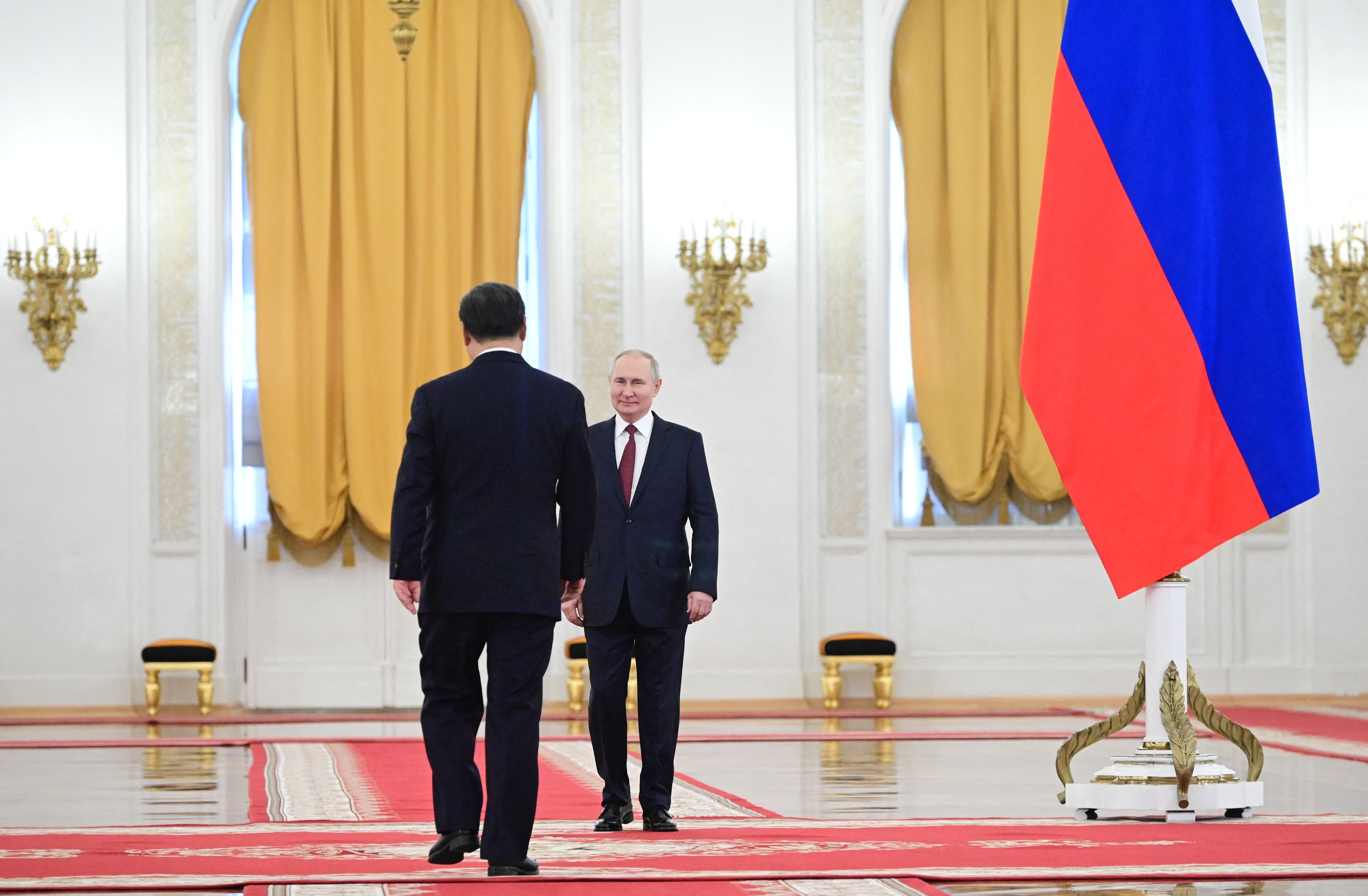
Beijing is trying to navigate the overall situation regarding Ukraine, especially the substance of interactions between Washington and Moscow.
Ellen Nakashima, Zhao Long, Pavlo Klimkin, …
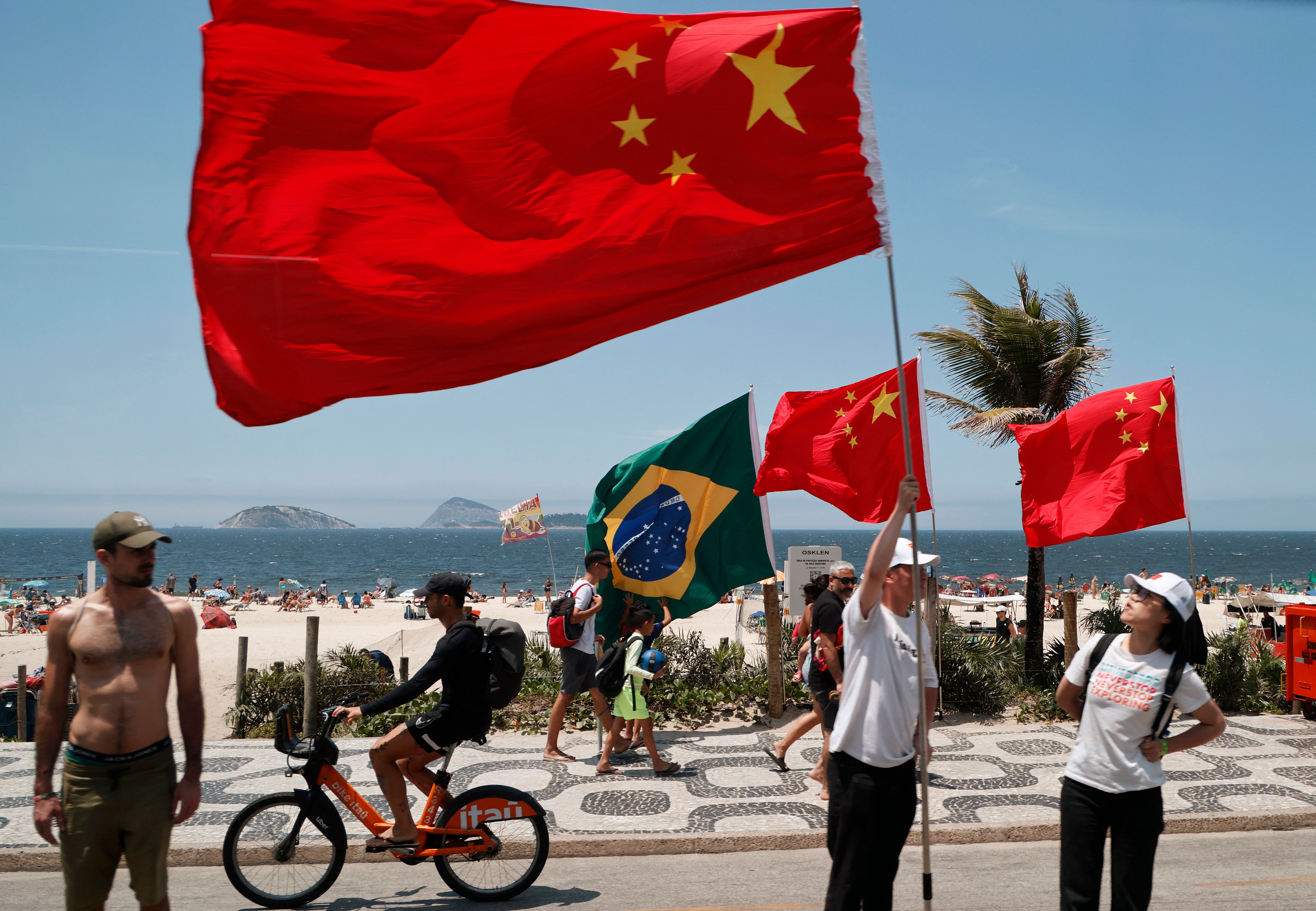
While China will remain a significant political and economic force in the Global South, its ambition to leverage the Global South as a counterbalance to the United States and the Global North is far from assured.

Xue Gong
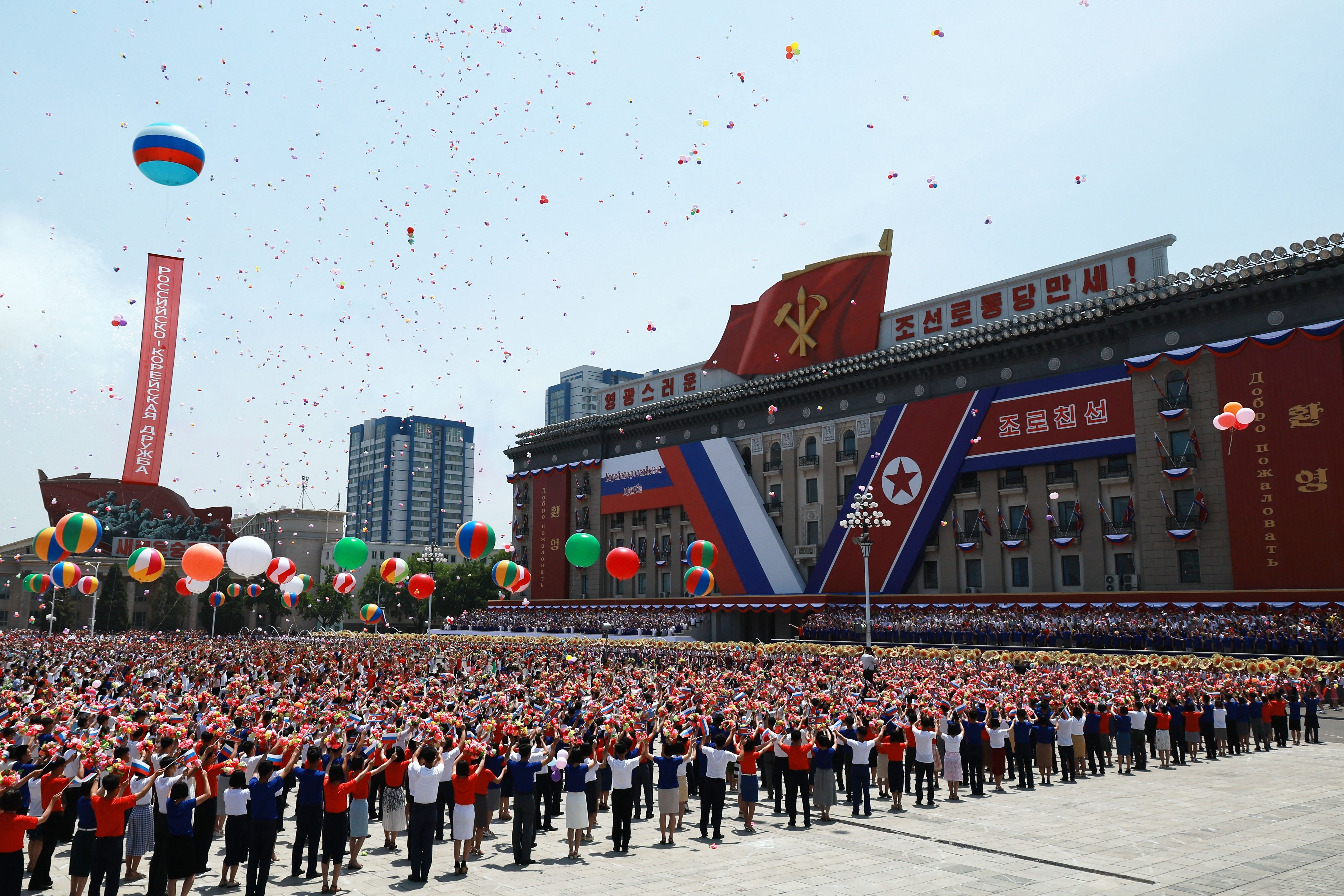
Faced with an increase in strategic maneuvering by Moscow and Pyongyang, Beijing will not sit idly by and allow Putin and Kim to shape the security environment on its behalf.

Tong Zhao
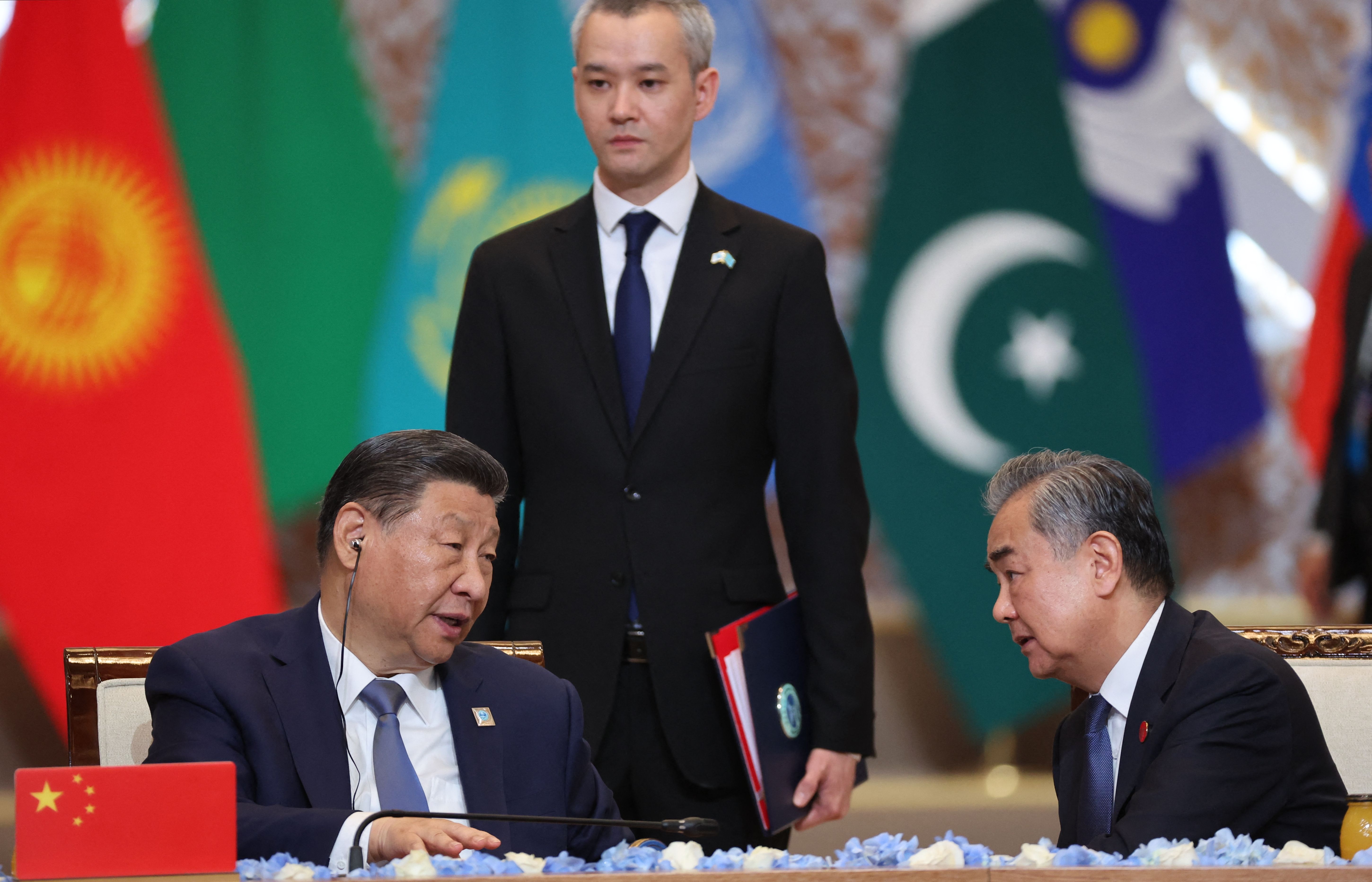
China’s growing attention to Central Asia is perceived as a harbinger of tectonic shifts in regional geopolitics.

Temur Umarov
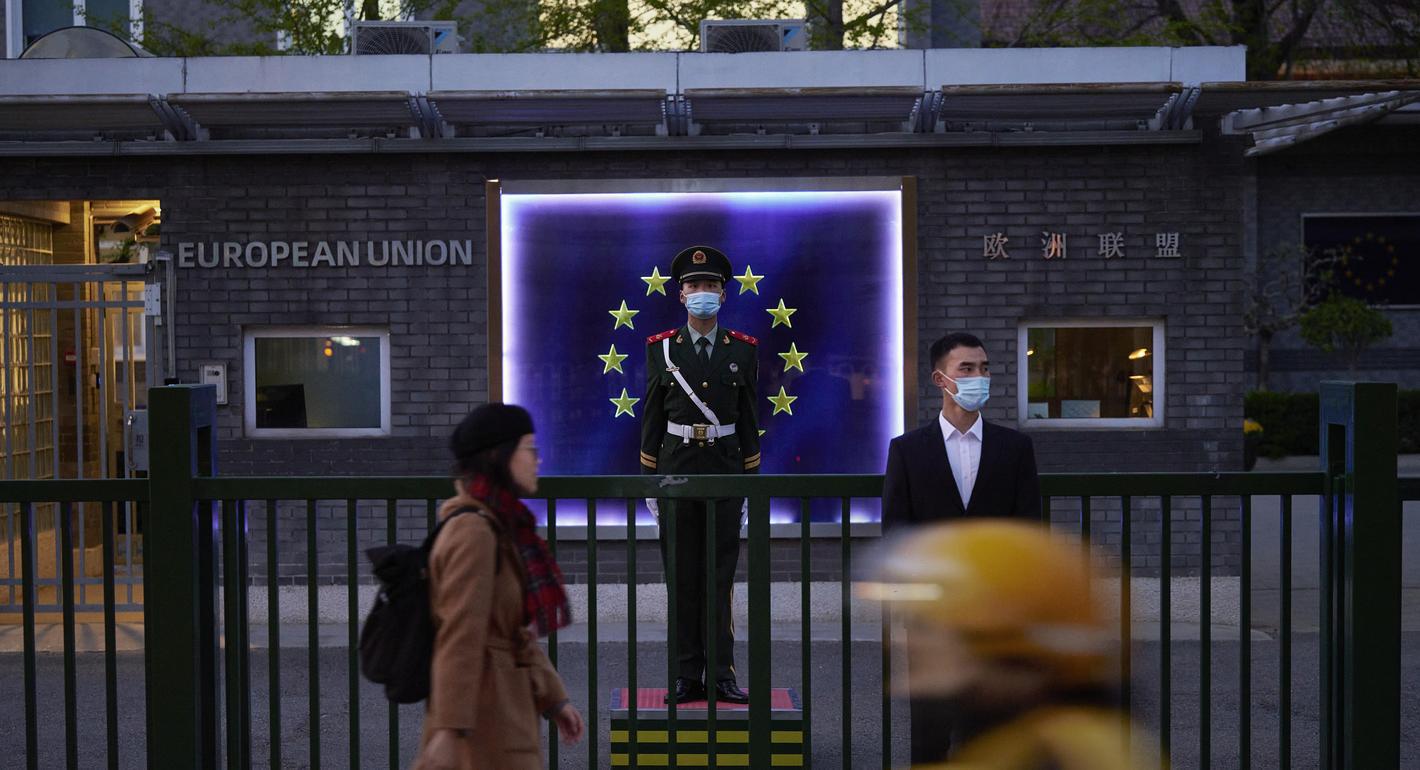
The Russian invasion of Ukraine is a turning point in the EU-China relationship, and evolution of the China-Russia relationship will continue to impact EU-China relations.
Yifan Ding, Alice Ekman