

Research
- +10
Rosa Balfour, Frances Z. Brown, Yasmine Farouk, …
{
  "authors": [
    "Moisés Naím"
  ],
  "type": "legacyinthemedia",
  "centerAffiliationAll": "",
  "centers": [
    "Carnegie Endowment for International Peace"
  ],
  "collections": [],
  "englishNewsletterAll": "",
  "nonEnglishNewsletterAll": "",
  "primaryCenter": "Carnegie Endowment for International Peace",
  "programAffiliation": "",
  "programs": [],
  "projects": [],
  "regions": [],
  "topics": [
    "Political Reform",
    "Economy"
  ]
}
Source: Getty
From the Vatican to the military to the C-suite, power is not just dissipating—it’s decaying.
Source: Fortune
No matter if you look at the Vatican or the military or the C-suite, power is not just dissipating—it’s decaying.
That was the message from Moisés Naím, author of The End of Power, at the Fortune Global Forum on Wednesday, November 4, 2015.
It’s easier to gain power today, but it’s “harder to use and easier to lose,” said Naím, who is also a distinguished fellow at the Carnegie Endowment for International Peace in Washington.Naím outlined the three fundamental forces that he believes have created this shift—what he calls the three revolutions.
The first is the “more revolution,” meaning there are more people than ever before, more technology, more guns, more terrorists. The “mobility revolution” means that everything—from physical goods and services to ideas—travels further and faster. And the “mentality revolution” has led to a profound change in aspirations, especially from the middle class. These three revolutions work in concert to undermine power, he said.
“I would never argue that the world doesn’t have still important concentrations of power,” he said, but those in control can do less with it. He gave the example of Russian President Vladimir Putin, who he would argue has less power today than five years ago because of economic turmoil caused by sanctions and a middle class of an unprecedented size and aspirations.
Naím also pointed to examples of shake ups within corporate America, citing a statistic noted earlier in the conference by Cisco Executive Chairman John Chambers that 40% of the companies on Fortune 500 won’t exist in a decade.
To deal with this new world order, Naím said companies today have to have a laser-like focus on what they’re good at without losing sight of what’s happening on the periphery. “The threat is not from natural, normal traditional markets but from places you don’t even imagine,” he said.
The good news, Naím, said is that the world is less secure for tyrants and monopolists, and that small companies have a “shot at challenging and eating the lunch of mega-players.”
The bad news for the group of CEOs and power players in the audience? “All of you have shortest tenures than your predecessors.”

Distinguished Fellow
Moisés Naím is a distinguished fellow at the Carnegie Endowment for International Peace, a best-selling author, and an internationally syndicated columnist.
Recent Work



Rosa Balfour, Frances Z. Brown, Yasmine Farouk, …
Moisés Naím
Carnegie does not take institutional positions on public policy issues; the views represented herein are those of the author(s) and do not necessarily reflect the views of Carnegie, its staff, or its trustees.

China’s banking crisis in the 2000s was resolved by transferring the costs to households through financial repression—a decision that recapitalized the banks while exacerbating the structural imbalances that continue to shape the Chinese economy today.

Michael Pettis

In the latest Five-Year Plan, the Chinese president cements the shift to an innovation-driven economy over a consumption-driven one.

Damien Ma
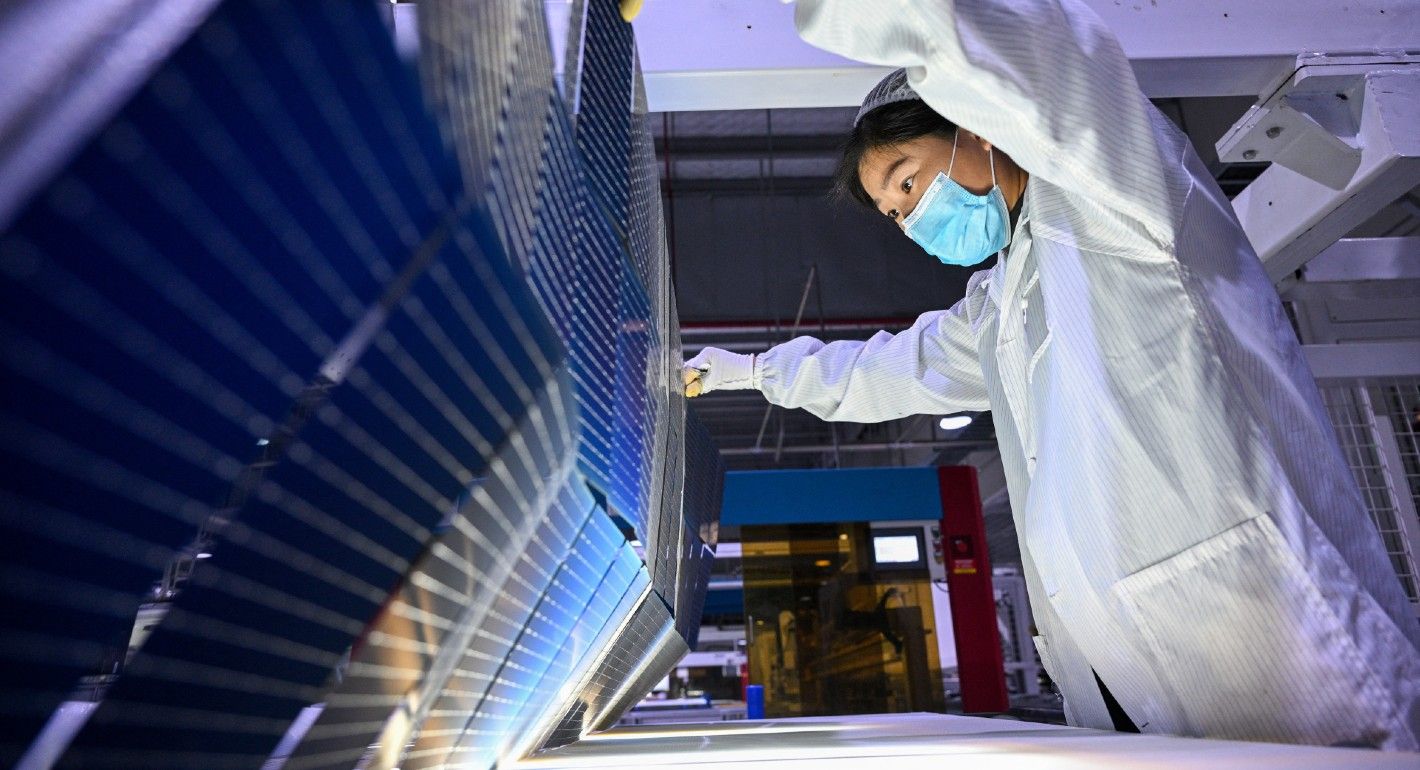
Rather than climate ambitions, compatibility with investment and exports is why China supports both green and high-emission technologies.
Mathias Larsen
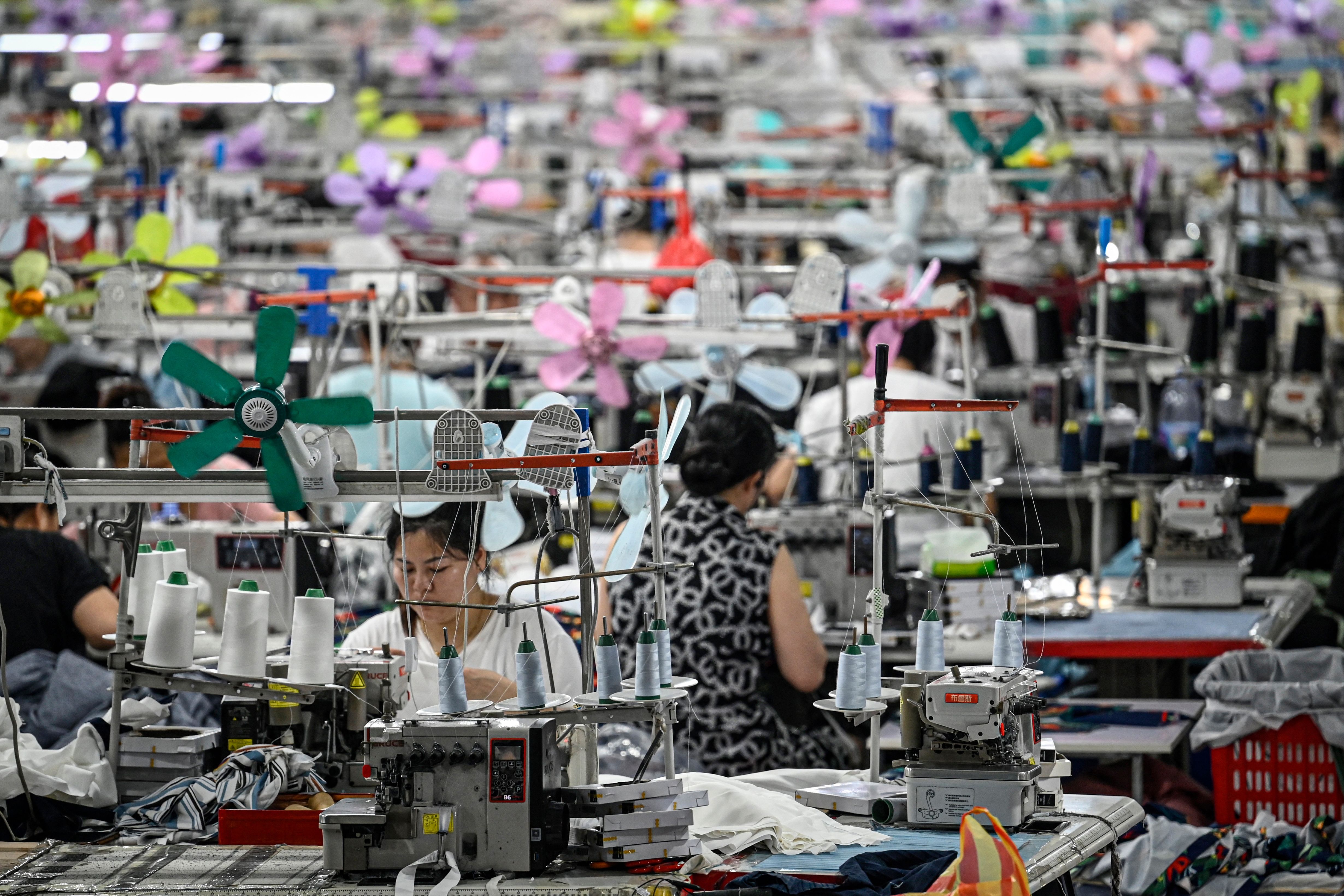
“Involution” is a new word for an old problem, and without a very different set of policies to rein it in, it is a problem that is likely to persist.
Michael Pettis

While China's investment story seems contradictory from the outside, the real answers to Beijing's high-quality growth ambitions are hiding in plain sight across the nation's cities.
Yuhan Zhang