

Research
- +10
Rosa Balfour, Frances Z. Brown, Yasmine Farouk, …
{
  "authors": [
    "Moisés Naím"
  ],
  "type": "commentary",
  "centerAffiliationAll": "dc",
  "centers": [
    "Carnegie Endowment for International Peace"
  ],
  "collections": [
    "The Day After: Navigating a Post-Pandemic World"
  ],
  "englishNewsletterAll": "democracy",
  "nonEnglishNewsletterAll": "",
  "primaryCenter": "Carnegie Endowment for International Peace",
  "programAffiliation": "DCG",
  "programs": [
    "Democracy, Conflict, and Governance"
  ],
  "projects": [],
  "regions": [],
  "topics": []
}
Source: Getty
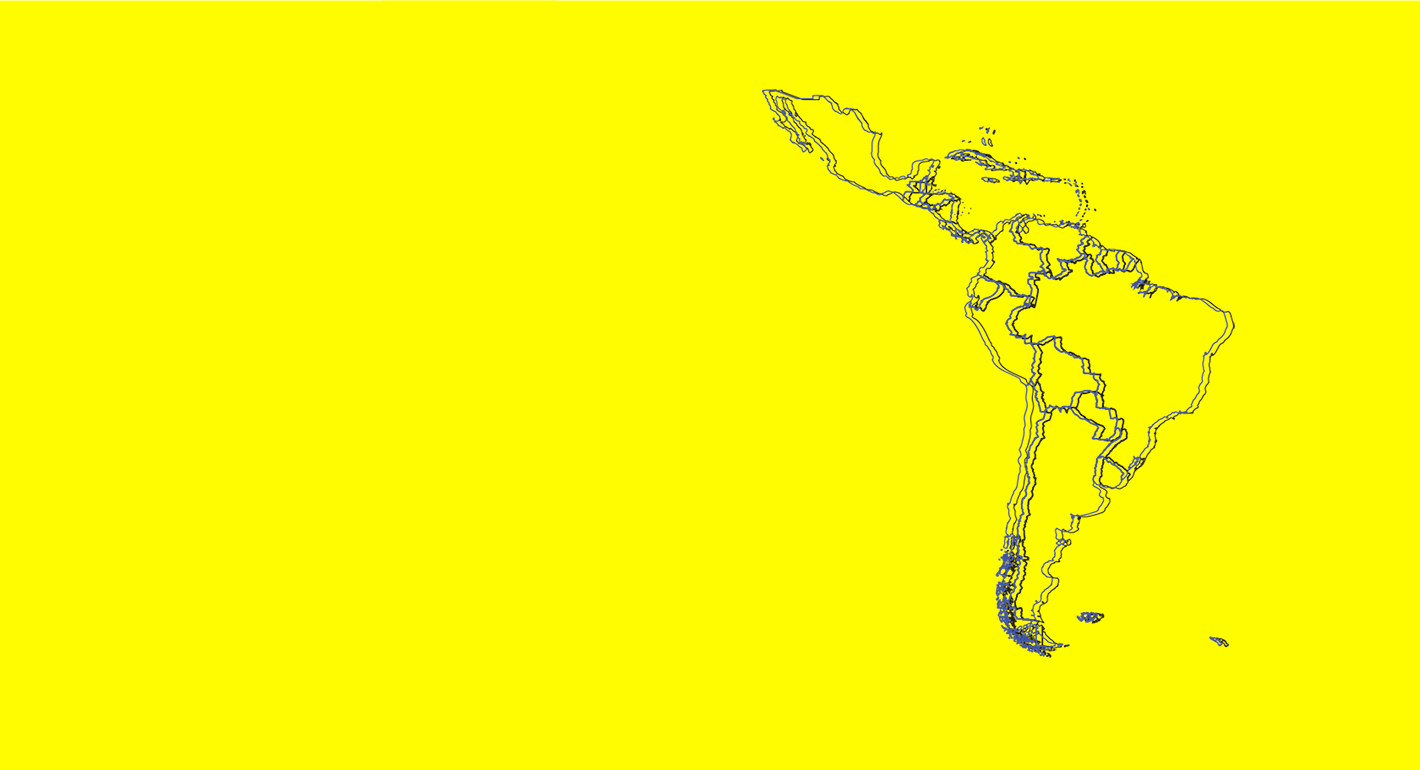
Latin America faces a critical test: Can it overcome economic crisis without sinking into democratic dysfunction?
Even before the coronavirus pandemic hit, Latin America’s beleaguered economies had brought the region to a crisis point. Plummeting prices of export commodities, falling revenues from remittances and tourism, adverse financial markets, massive capital flight, currency devaluations, and high indebtedness led to a perfect storm of soaring unemployment, greater poverty, and ballooning government deficits.
The pandemic will only exacerbate this dire state of affairs. Latin America’s health systems are grossly inadequate. Ultrapopulist leaders such as Brazil’s Jair Bolsonaro and Mexico’s Andrés Manuel López Obrador—whose two countries account for half of the region’s population and economic output—have not only denied the severity of the pandemic but also actively undermined their own government’s response. Asked about soaring COVID-19 deaths, Bolsonaro replied, “So what? I’m sorry. What do you want me to do?” López Obrador insisted that the coronavirus could be neutralized with amulets.
The region’s economic crisis has left even responsible presidents constrained.
The region’s economic crisis has left even responsible presidents constrained. According to the United Nations, the combination of an acute global economic slowdown and Latin America’s preexisting woes will cause the region’s most severe recession since 1914 and 1930.
What political consequences will these twin challenges have on a region that has struggled for more than forty years not to slip back into cycles of breakdown and repair? Typically, the burdens of belt-tightening have fallen disproportionately on the poor, who are pushed deeper into poverty by joblessness, inflation, and draconian cuts in public budgets and social safety nets. This time around, however, the poor will not shoulder the downturn alone. They will be joined by the largest middle class the region has ever had, as tens of millions have been lifted out of poverty in the past twenty years.
Fighting to retain its newfound standard of living is something that this precarious, incipient middle class knows how to do. Its members are highly connected, better informed, and energized. They are adroit in staging demonstrations to defend their rights and demand economic relief. Street protests in Brazil, Chile, Guatemala, and Peru have catalyzed dramatic changes in public policies and even succeeded in ousting presidents.
The geopolitical backyard of the United States is about to enter a turbulent period in which its democracies are tested as never before.
The geopolitical backyard of the United States is about to enter a turbulent period in which its democracies are tested as never before. After the Great Depression, Latin America endured painful decades of military dictatorships. It could again become the land of presidents for life, military juntas, stealthy autocracies, disappeared dissidents, and torture chambers. The region’s leaders—and the world’s democracies—must do everything they can to prevent such bleak outcomes from becoming realities.

Distinguished Fellow
Moisés Naím is a distinguished fellow at the Carnegie Endowment for International Peace, a best-selling author, and an internationally syndicated columnist.
Recent Work



Rosa Balfour, Frances Z. Brown, Yasmine Farouk, …
Moisés Naím, Francisco Toro
Carnegie does not take institutional positions on public policy issues; the views represented herein are those of the author(s) and do not necessarily reflect the views of Carnegie, its staff, or its trustees.
Effective nuclear arms control engagement with China will likely require confidence-building measures by the United States and greater support from the international community.

Tong Zhao