

Paper
James M. Acton, Ankit Panda
{
  "authors": [
    "James M. Acton"
  ],
  "type": "other",
  "centerAffiliationAll": "dc",
  "centers": [
    "Carnegie Endowment for International Peace"
  ],
  "collections": [
    "Hypersonic Weapons"
  ],
  "englishNewsletterAll": "ctw",
  "nonEnglishNewsletterAll": "",
  "primaryCenter": "Carnegie Endowment for International Peace",
  "programAffiliation": "NPP",
  "programs": [
    "Nuclear Policy"
  ],
  "projects": [],
  "regions": [
    "Russia"
  ],
  "topics": [
    "Security",
    "Military"
  ]
}
Source: Getty
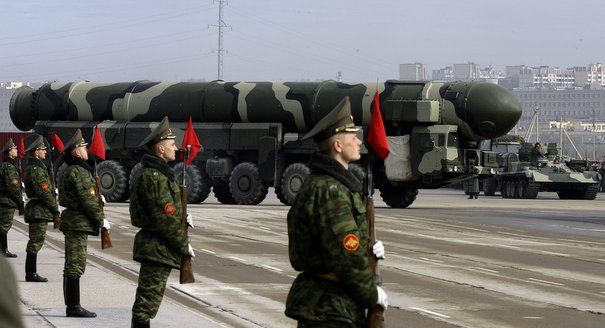
Russian political leaders and military strategists are growing increasingly concerned about strategic conventional weapons, particularly long-range, hypersonic weapons. Some fear that strategic conventional weapons could prove decisive in a major conflict and that Russia is lagging behind in their development.
Source: Nonproliferation Review
Russian President Vladimir Putin must have a special place in his heart for the US Conventional Prompt Global Strike (CPGS) program. Since they were first unveiled in 2006, he has publicly decried US plans to develop hypersonic, long-range, non-nuclear munitions on at least five occasions—including at such high-profile occasions as his State of the Nation address in December 2013. In that speech, he criticized the CPGS program by name and stated that, in combination with US ballistic missile defense, it “could negate all previous agreements on the limitation and reduction of strategic nuclear weapons, and disrupt the strategic balance of power.” ...
This article was originally published in Nonproliferation Review.

Jessica T. Mathews Chair, Co-director, Nuclear Policy Program
Acton holds the Jessica T. Mathews Chair and is co-director of the Nuclear Policy Program at the Carnegie Endowment for International Peace.
Recent Work

James M. Acton, Ankit Panda
James M. Acton
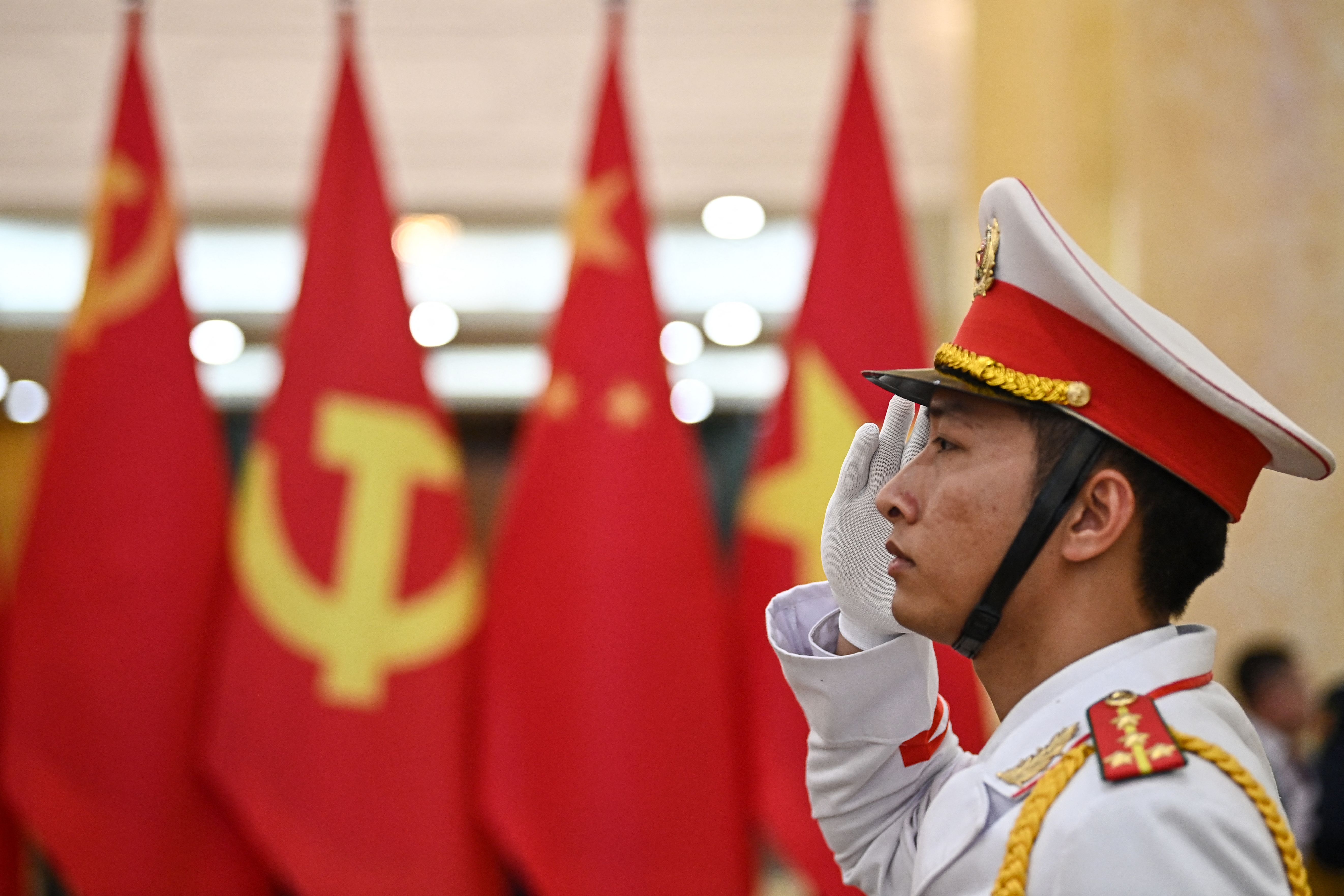
In July 2025, Vietnam and China held their first joint army drill, a modest but symbolic move reflecting Hanoi’s strategic hedging amid U.S.–China rivalry.

Nguyễn Khắc Giang

The Thai-Cambodian conflict highlights the limits to China's peacemaker ambition and the significance of this role on Southeast Asia’s balance of power.

Pongphisoot (Paul) Busbarat

Beijing believes that Washington is overestimating its own leverage and its ability to handle the trade war’s impacts.


Rick Waters, Sheena Chestnut Greitens

Tapping our network of China experts in the region, Carnegie China offers this latest “China Through a Southeast Asian Lens” report to offer preliminary assessments of whether the U.S. effort to reshape the global trading order will lead countries in the region to tilt toward Beijing.



Selina Ho, Khin Khin Kyaw Kyee, Joseph Ching Velasco, …
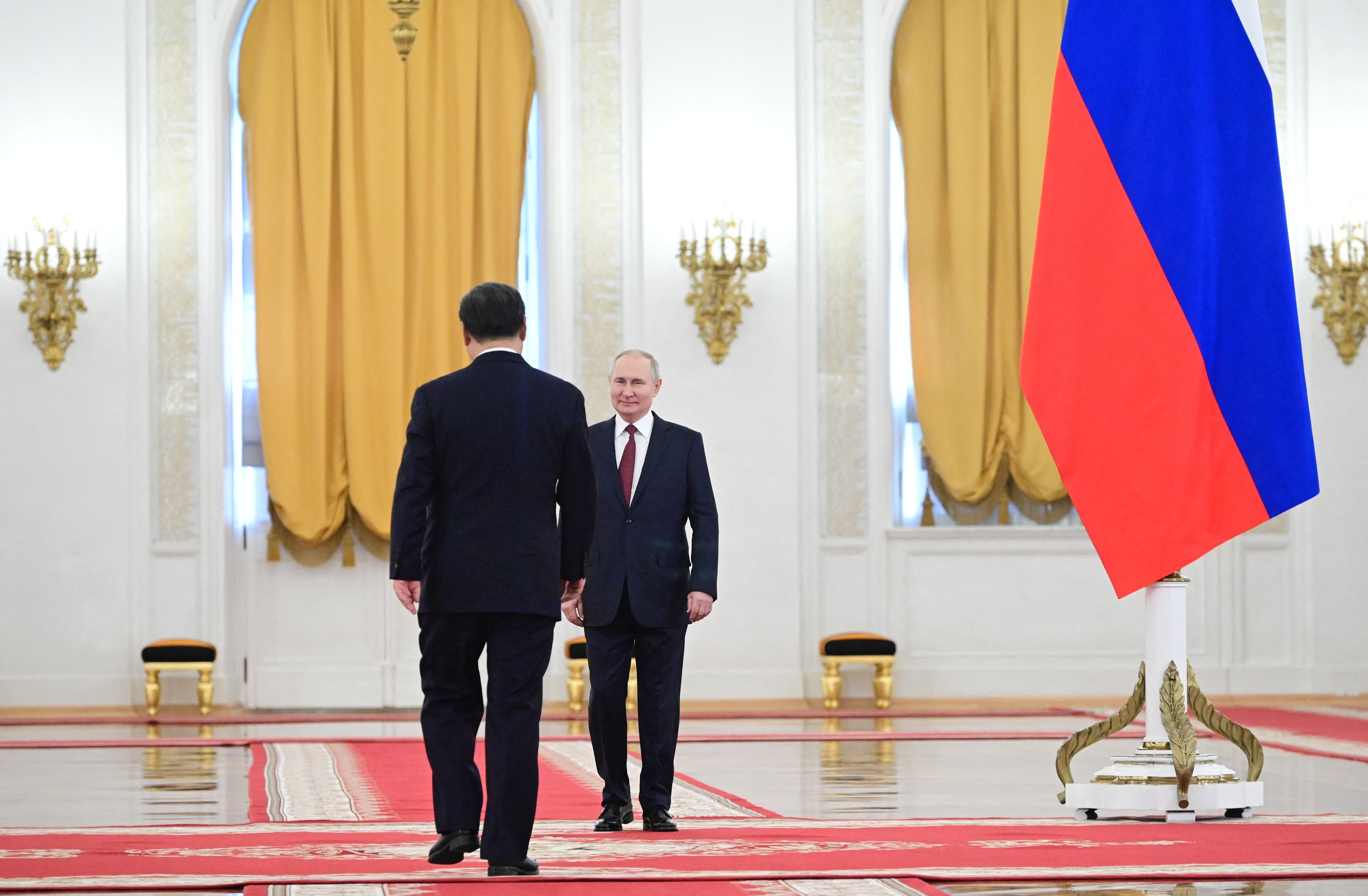
Beijing is trying to navigate the overall situation regarding Ukraine, especially the substance of interactions between Washington and Moscow.

Ellen Nakashima, Zhao Long, Pavlo Klimkin, …